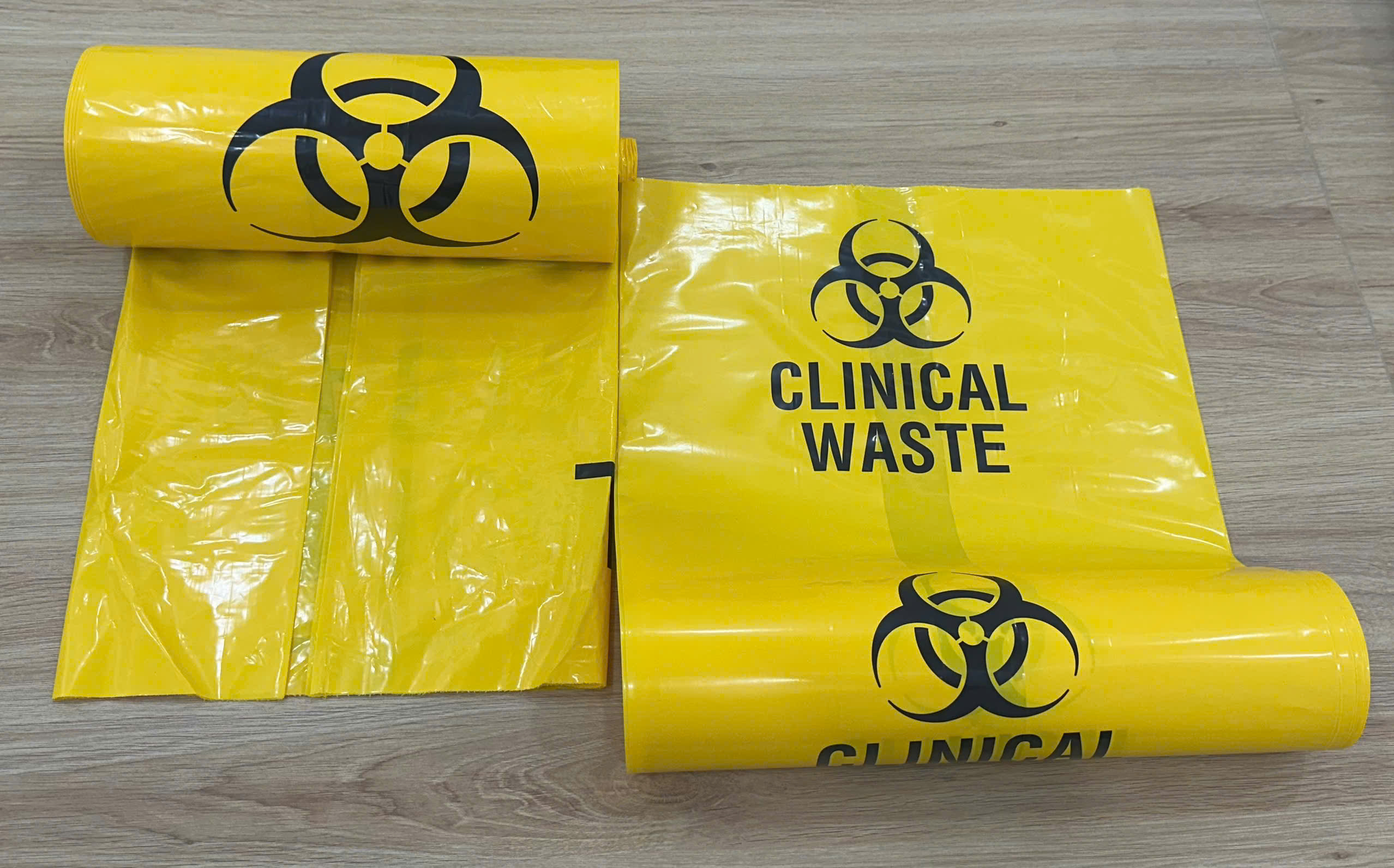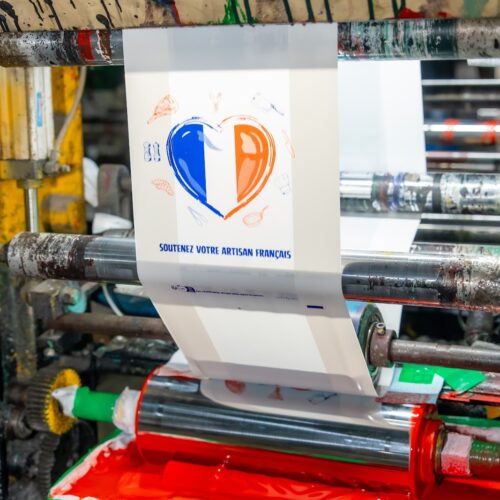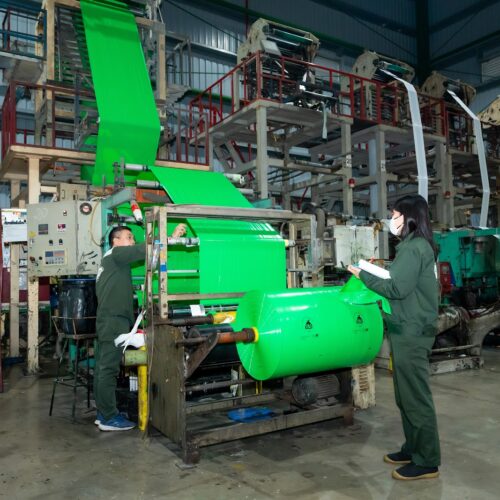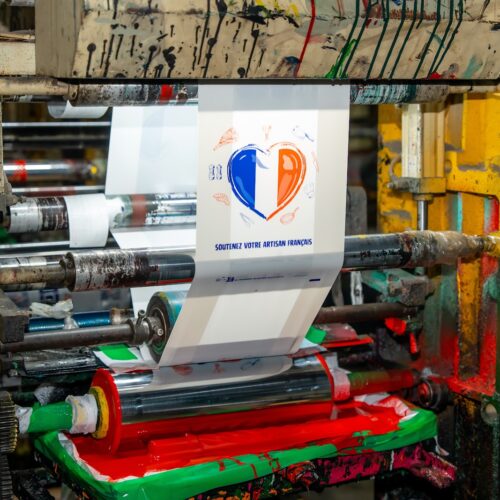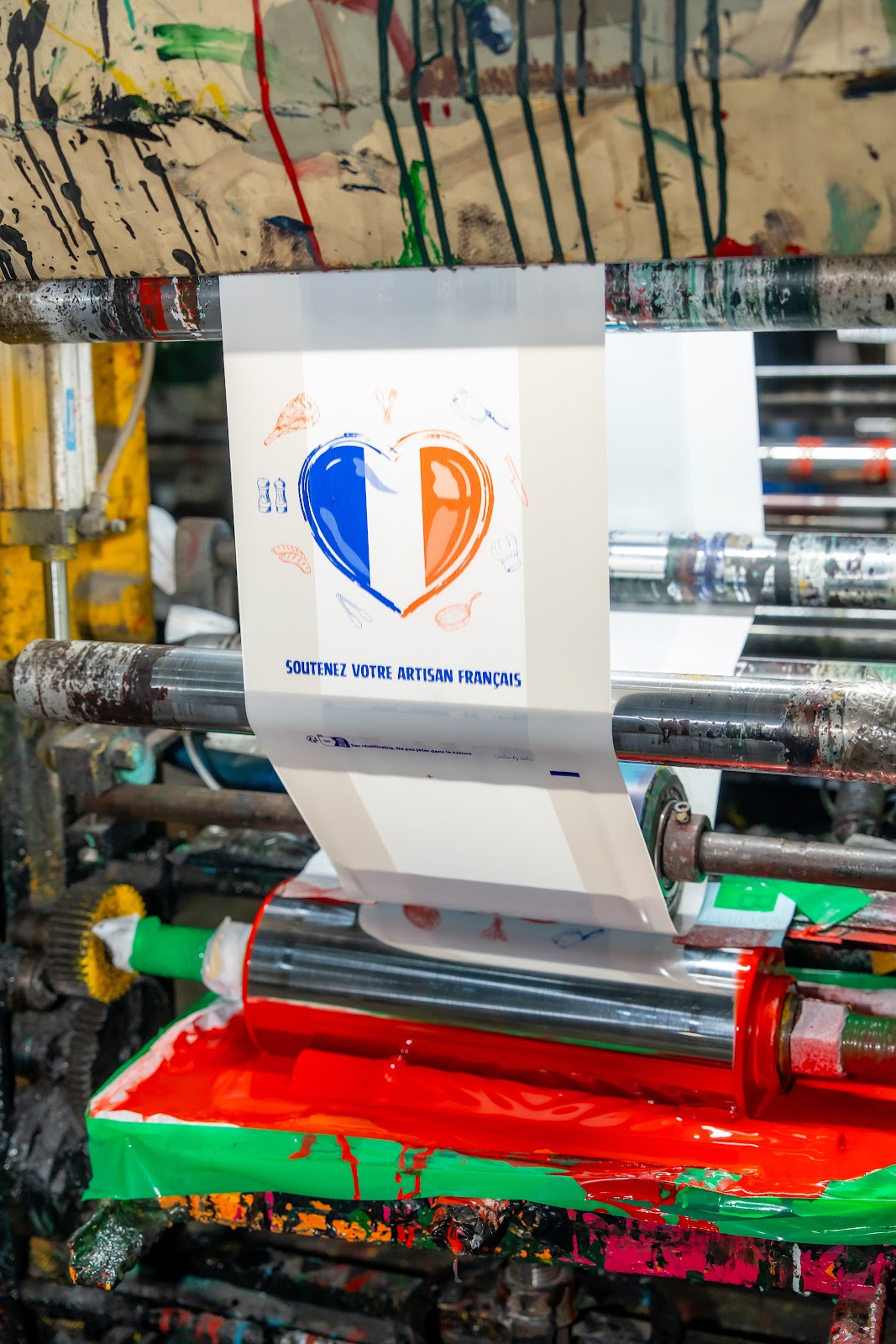
The international packaging trade operates under strict regulatory scrutiny, shifting from basic tariff compliance to granular non-tariff barriers (NTBs) focused on environmental sustainability, recyclability, and mechanical performance. For multinational procurement desks sourcing HDPE LDPE LLDPE bags, structural integrity is no longer viewed solely as a functional requirement; it is a primary compliance metric under regional packaging waste directives and circular economy frameworks.
1. Global Market Dynamics & Emerging Non-Tariff Regulatory Barriers
The international packaging trade operates under strict regulatory scrutiny, shifting from basic tariff compliance to granular non-tariff barriers (NTBs) focused on environmental sustainability, recyclability, and mechanical performance. For multinational procurement desks sourcing HDPE LDPE LLDPE bags, structural integrity is no longer viewed solely as a functional requirement; it is a primary compliance metric under regional packaging waste directives and circular economy frameworks. Global shipping channels demand that flexible packaging withstand extreme maritime climates—spanning high-humidity tropical zones and sub-zero trans-Pacific transit—without experiencing seal degradation, pinhole formation, or catastrophic failure at the bottom-seal gusset.
Non-tariff measures now enforce rigorous lifecycle assessments (LCAs) and stringent verification of material compositions. Importers across the European Union, North America, and high-value Asian markets require comprehensive traceability of resin origins, coupled with strict adherence to ISO and ASTM international standards. When evaluating structural parameters, export-grade HDPE LDPE LLDPE bags must demonstrate absolute resistance to stress cracking, puncture loads, and dynamic impact forces. Failure to maintain uniform seal strength across multi-lane conversion lines results in high cargo rejection rates at port terminals, triggering costly customs holds, chargebacks, and severe erosion of supplier-tier standing.
2. Quantitative Impact on Operational Margins & Freight Cost Structures
Operational margins in plastic packaging manufacturing are tightly coupled with resin raw material efficiency and conversion line throughput. High-density polyethylene (HDPE) resins—characterized by a high degree of crystallinity and narrow molecular weight distribution—exhibit narrow processing windows compared to low-density (LDPE) or linear low-density (LLDPE) alternatives. On high-speed conversion lines operating at velocities exceeding 150 meters per minute, micro-fluctuations in thermal transfer directly cause melt fracture, film distortion, and weak interfacial bonding.
| Resin Grade | Melt Flow Index (MFI g/10min) | Optimal Processing Temp (°C) | Critical Scrap Rate Threshold (%) | Target Burst Strength (kPa) |
|---|---|---|---|---|
| HDPE (Film Grade) | 0.05 – 0.15 | 200°C – 235°C | < 1.5% | ≥ 120 kPa |
| LDPE (Blown Grade) | 0.30 – 1.00 | 170°C – 200°C | < 1.0% | ≥ 100 kPa |
| LLDPE (Octene-based) | 0.50 – 1.20 | 185°C – 215°C | < 1.2% | ≥ 140 kPa |
When thermal profiles drift outside these narrow operating parameters, scrap rates escalate rapidly, eroding the gross margins negotiated in annual master supply agreements. Furthermore, poorly sealed bags compromise dimensional stability under compressed palletization. In maritime logistics, container space optimization depends on uniform bale density and stable pallet footprints. Defective seals permit air entrapment within stacked packaging units, leading to volumetric swelling, shifting cargo loads during heavy sea states, and ultimately higher freight-tonnage wastage ratios.
3. Mandatory Inspection Standards & Compliance Documentation Protocols

Quality assurance frameworks for export-oriented polymer products dictate rigorous adherence to standardized testing protocols. To secure Tier-1 vendor status with multinational procurement desks, manufacturing facilities must implement systematic laboratory verification procedures for every production lot of HDPE LDPE LLDPE bags. Key compliance benchmarks include:
- ASTM D882: Standard Test Method for Tensile Properties of Thin Plastic Sheeting, ensuring the film matrix maintains elasticity and tensile strength under load.
- ASTM F88 / F88M: Standard Test Method for Seal Strength of Flexible Barrier Materials, quantifying the force required to separate a test strip containing the seal.
- ASTM D1709: Standard Test Methods for Impact Resistance of Plastic Film by the Free-Falling Dart Method.
- ISO 527-3: Plastics — Determination of tensile properties — Part 3: Test conditions for films and sheets.
Documentation protocols accompanying commercial invoices and bills of lading must incorporate traceable Certificate of Analysis (CoA) records, independent laboratory burst-pressure credentials, and Certificate of Origin (C/O) documentation matching specific HS codes. Procurement desks demand verified audit trails proving that factory quality management systems comply with ISO 9001 and ISO 14001 standards, mitigating regulatory and environmental liability across cross-border supply chains.
4. Shop-Floor Production Realignment & End-to-End Logistics Optimization
Achieving defect-free output on high-speed extrusion and conversion lines requires precise shop-floor synchronization between thermodynamics and mechanical handling. The thermodynamics of bottom-seal and side-weld techniques in multi-lane line production demand continuous monitoring of thermal knife bars, cooling rollers, and nip pressure settings. Because HDPE exhibits higher shrinkage and orientation stress compared to LLDPE, thermal energy must be localized precisely at the sealing interface without transferring excessive heat to the surrounding web, which causes edge-beading and brittle fracture zones.
Calibrating dwell time versus temperature curves is critical. As line velocity increases, dwell time decreases exponentially; thus, heat input must be dynamically adjusted via closed-loop PID controllers linked to infrared pyrometers monitoring the sealing elements in real-time. End-to-end logistics optimization begins immediately post-conversion. Packaging lines must integrate inline cooling loops to stabilize the crystalline structure of the polymer before stacking, preventing post-sealing deformation caused by residual core heat within tightly wrapped export master cartons.
5. Commercial Contract Negotiation & Cross-Border Risk Mitigation
Negotiating international supply contracts for plastic packaging requires robust legal and commercial risk allocation, particularly regarding raw material price volatility and shipping contingencies. Supply agreements must feature sophisticated index-linked pricing formulas pegged to ICIS or Platts polymer indices, protecting both manufacturer and buyer from sudden spikes in petrochemical feedstock costs. Force majeure clauses, incoterms (typically FOB or CIF under Incoterms 2020), and demurrage/detention liability allocations must be explicitly defined to account for maritime freight rate volatility and port congestion bottlenecks.
Cross-border risk mitigation also involves establishing clear liability thresholds for seal integrity defects discovered at the port of destination. Service Level Agreements (SLAs) should outline a formalized quarantine and joint-inspection protocol, specifying third-party inspection agencies (e.g., SGS, Bureau Veritas) as neutral arbiters in the event of quality disputes. This commercial clarity safeguards long-term vendor partnerships and ensures uninterrupted product flow across multinational distribution networks.
6. Strategic Recommendations & Operational Roadmap from Vnplast Global
To eliminate thermal seal degradation and dominate export markets in high-performance flexible packaging, Vnplast Global outlines the following operational roadmap for plant operators and procurement executives:
1. Upgrade Thermal Control Architecture: Retrofit legacy multi-lane conversion machinery with high-response closed-loop PID controllers and infrared thermal imaging sensors to maintain precise temperature-to-dwell ratios across varying line speeds.
2. Enforce Strict Raw Material Blending Protocols: Implement automated gravimetric blending systems to control masterbatch dispersion and prevent melt flow index variations in high-density polyethylene structures.
3. Institutionalize Inline Destructive Testing: Mandate automated burst and tensile strength testing at 30-minute intervals on the shop floor, ensuring absolute compliance with ASTM D882 and ASTM F88 specifications prior to master carton packaging.
4. Optimize Palletization & Container Stowage: Deploy climate-controlled warehousing and reinforced corrugated export cartons to protect seal integrity against extreme temperature gradients during ocean transit.
5. Strengthen Supply Chain Transparency: Provide digital access to real-time CoAs, traceability logs, and compliance documentation via secure B2B portals, aligning with the stringent requirements of global procurement desks.
Technical & Quality Compliance Advisory from Vnplast Global
For international procurement directors, supply chain partners, and B2B buyers, rigorous pre-shipment sample testing (CoA/CoC) and accredited independent inspection (SGS/Intertek) are paramount prior to contract execution. Contact our technical desk for complete engineering datasheets and tailored FOB/CIF quotation schedules.
Frequently Asked Questions (FAQ) Regarding Hdpe Ldpe Lldpe Bags
Question 1: What is the standard production manufacturing lead-time for HDPE LDPE LLDPE bags export orders?
Answer: Under standard factory operating capacity, production and loading for HDPE LDPE LLDPE bags container consignments are completed within 10 to 14 business days from deposit or L/C confirmation.
Question 2: Are pre-shipment evaluation samples of HDPE LDPE LLDPE bags provided with official laboratory test reports?
Answer: Yes, complimentary sample kits of certified HDPE LDPE LLDPE bags accompanied by full Certificate of Analysis (CoA) reports are dispatched internationally within 3 to 5 business days via DHL/FedEx.
Question 3: Which Incoterms 2020 terms and payment methods are supported for HDPE LDPE LLDPE bags orders?
Answer: We provide standard FOB Cát Lái/Hải Phòng as well as CIF worldwide gateway ports for all HDPE LDPE LLDPE bags shipments, supported by Irrevocable Letters of Credit (L/C at sight) or T/T payment terms.