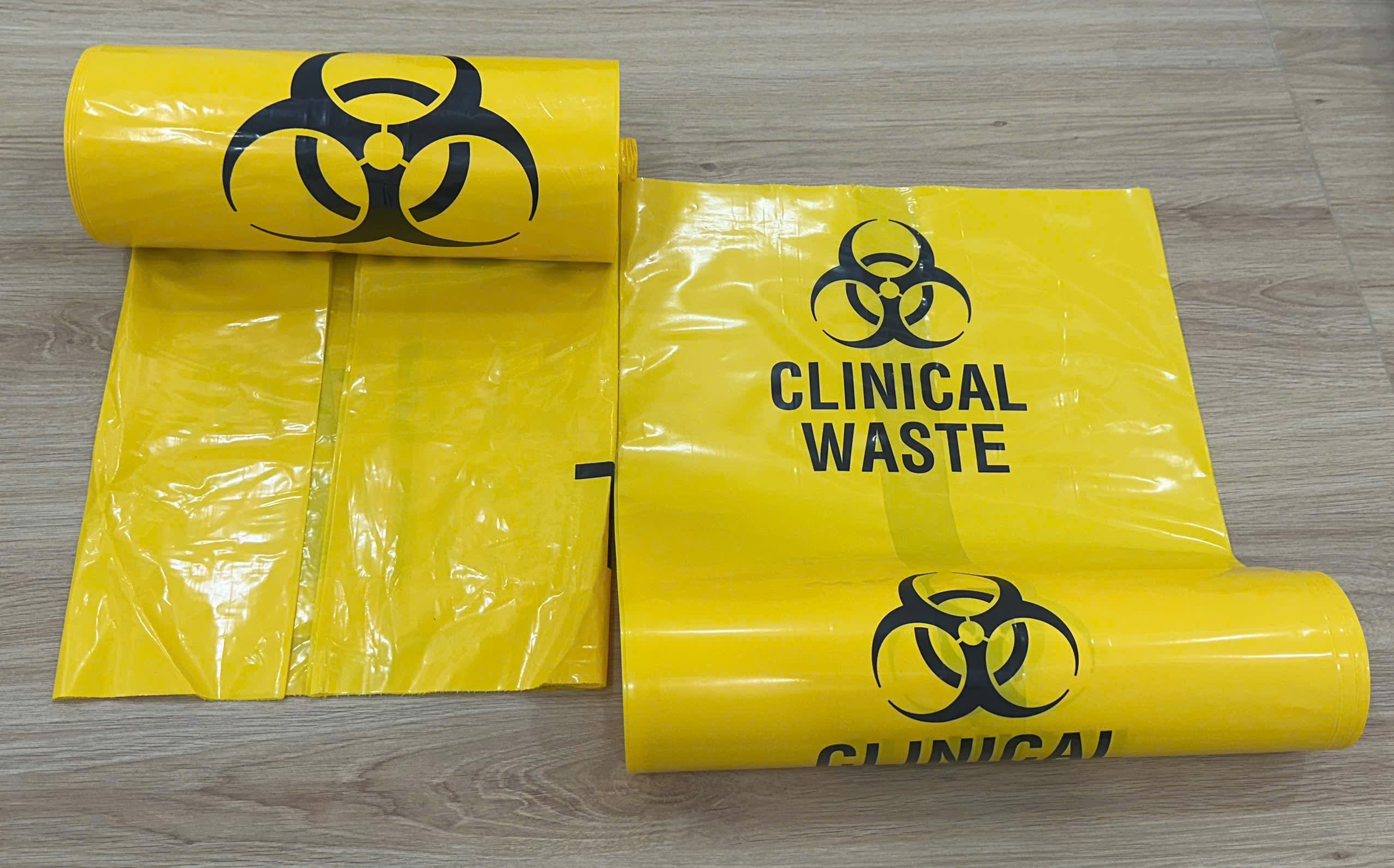
The plastic bag market, encompassing the production, distribution, and consumption of a wide range of bags made from polymers, is navigating significant changes due to tightening environmental regulations and changing consumer preferences. These developments are reshaping an industry that has long thrived on the convenience and low costs associated with plastic bags, primarily made from High-Density Polyethylene (HDPE), Low-Density Polyethylene (LDPE), and Linear Low-Density Polyethylene (LLDPE).
Market Overview
As of 2025, the global plastic bag market is valued at approximately USD 3.83 billion. This growth is driven by dynamic retail activities, the demand for flexible packaging, and the ongoing expansion of organized e-commerce sectors. However, structural shifts are increasingly evident, propelled by environmental regulations and heightened consumer awareness regarding sustainability. The market is anticipated to decline to USD 3.77 billion in 2026 and further shrink to USD 3.23 billion by 2035, reflecting a compound annual growth rate (CAGR) of -1.7% from 2026 to 2035. This decline emphasizes the significant impact of bans on single-use plastics, recycling mandates, and a marked consumer shift towards biodegradable and reusable alternatives.
Changing Consumer Preferences

Consumer preferences are influencing product demand at an unprecedented pace. Recent surveys indicate that 42% of consumers favor plastic bags that incorporate recycled content, underscoring a notable shift towards circular materials. Additionally, nearly 38% of plastic bag users express a preference for lightweight LDPE formats, which are considered more cost-efficient and environmentally friendly compared to traditional thick-gauge HDPE alternatives. Retailers, foodservice operators, and manufacturers are increasingly adjusting their product offerings, integrating higher levels of recycled content, and innovating multi-use bag designs.
Regulatory Landscape
Regulatory changes have become a significant driver shaping the evolution of the plastic bag market. Over 120 countries have implemented either partial or full restrictions on single-use plastic bags, leading to substantial regional variations in production and sales patterns. While some mature markets are experiencing contraction, demand remains stable in regions where affordable alternatives are scarce or where cost sensitivity is dominant. Industrial-grade bags, waste collection bags, and niche packaging continue to see steady demand even amid an overall market decline.
Regional Market Dynamics
The global landscape of plastic bags is marked by uneven evolution across regions, as major economies respond differently to regulatory pressures, shifting consumer preferences, and sustainability objectives. Key markets—including the USA, Japan, China, and India—collectively account for over 48% of global plastic bag demand.
United States: A Major Market in Transition
In 2025, the United States remains a leading consumer in the plastic bag sector with a market valuation of roughly USD 1.05 billion. While demand is buoyed by retail, grocery, and waste management applications, over 20 states have enacted partial or total bans on single-use plastic bags. Notably, about 35% of plastic bags consumed in 2025 contain recycled content. Although traditional retail bag consumption is declining by 3.2% annually, industrial-grade LDPE and LLDPE bags are holding stable demand.
Japan: A Model for Sustainability
Japan’s plastic bag market reached USD 420 million in 2025, largely driven by stringent waste management regulations and commendable recycling standards. Following the introduction of mandatory fees on retail bags, usage has plummeted by more than 70% since 2020. However, demand for lightweight LDPE bags and specialty industrial bags continues to rise, with nearly 46% of consumers favoring eco-conscious options, alongside over 40% utilizing bags with recycled content.
China: The Leading Producer & Evolving Consumer Market
China commands Global Plastic Bag Market, contributing over 28% to the worldwide supply with a domestic market valued at USD 980 million in 2025. The market has seen transformative changes, including a ban on ultra-thin bags alongside municipal regulations that resulted in a 25% decrease in traditional single-use bag consumption since 2019. Concurrently, demand for reusable polyethylene bags and those containing recycled content surged by 31% in 2025, as the country leads in innovative bio-based polyethylene blends.
India: Rapid Evolution Amidst Regulation
India’s plastic bag market (Global Plastic Bag Market) reached USD 310 million in 2025, significantly influenced by recent nationwide single-use plastic restrictions. Although bans are in place, the demand for bags remains high, particularly within unorganized retail and industrial packaging sectors. Lightweight LDPE bags, especially those made with 30–60% recycled content, experienced an 18% annual growth, while the use of conventional HDPE bags decreased nearly 40% since 2020. Urban retail expansion and improved regulatory compliance are expected to sustain India as a key growth market for recycled LDPE bags (Global Plastic Bag Market).
Industry Insights and Key Themes
Across Global Plastic Bag Market, the appetite for sustainable solutions suggests a trajectory toward innovative product design and investment strategies for manufacturers. The overarching focus on circular solutions highlights a commitment to improving environmental outcomes, as evidenced by increasing consumer preference for recycled content and lightweight options.
Production Volume and Market Contributors
In 2026, Global Plastic Bag Market are estimated to hit 10.9 million metric tons, with HDPE and LDPE bags constituting 74% of overall consumption. Specifically, retail shopping bags claim the largest segment of the market, making up 34% of the total, closely followed by garbage bags at 27%, food service and grocery bags at 22%, and industrial applications at 17%. Demand still thrives in key developing markets, fueled by factors such as cost, durability, and convenience.
Regional Breakdown of Manufacturers Global Plastic Bag Market
The distribution of plastic bag manufacturers (Global Plastic Bag Market) varies significantly by region, with several countries leading global production capabilities:
- China: 28% (Home to numerous regional producers and major export manufacturers)
- United States: 22% (Companies like Inteplast Group, Novolex Holdings, and Berry Global)
- India: 10% (Features domestic manufacturers focused on recycled bags)
- Japan: 6% (Known for high-quality, food-grade LDPE bags)
- Germany: 5% (Specialty film-based bag producers)
- United Kingdom: 4% (Regional flexible packaging players)
- Australia: 3% (Local PE bag manufacturers)
- Spain: 3% (Export-oriented LDPE/HDPE producers)
- Canada: 3% (Sustainable bag manufacturers)
- Mexico & LATAM: 6% (Regional producers focusing on HDPE/LLDPE)
Leading Companies and Performance Metrics Global Plastic Bag Market
Several companies have demonstrated leadership in the plastic bag market through innovation and strategic investment. A closer inspection reveals key firms and their recent developments:
Inteplast Group
Based in New Jersey, Inteplast Group recorded a CAGR of 3.8% over the past five years, reaching revenues of USD 6.8 billion. The company has expanded its production of recycled-content polyethylene bags, increasing post-consumer resin usage by 18% year-over-year.
Novolex Holdings
This South Carolina-based company, which has seen a CAGR of 4.1% and annual revenues of USD 3.7 billion, launched a new line of low-carbon footprint retail bags using 50% recycled materials.
Berry Global
Berry Global, headquartered in Indiana, reported an impressive CAGR of 5.2% with revenues hitting USD 13.2 billion. In 2025, the company successfully increased its sustainability portfolio share to 37% and upgraded its production capacity for lightweight LDPE bags.
Poly-America
With a CAGR of 3.4% and revenues of USD 2.2 billion, Poly-America bolstered its can liner production and saw a 12% boost in industrial bag demand.
International Plastics
Generating USD 480 million in revenue and a CAGR of 4%, International Plastics expanded its LDPE/LLDPE bag manufacturing capabilities, driven by an increase in e-commerce packaging.
Amcor Flexibles
Switzerland’s Amcor Flexibles, having reached USD 12.7 billion in revenue (from its Flexibles Division), launched mono-material recyclable bag solutions, supporting global sustainability mandates.
Sigma Plastics Group
Based in Florida, Sigma Plastics achieved USD 2.7 billion in revenues, announcing a 15% growth in industrial packaging volumes through new expansion in production capabilities.
Specialty and High-End Segmentation
The high-end and specialty plastic bag segment is estimated to reach USD 1.12 billion. This segment is projected to maintain steady growth at approximately 3.9% annually, driven by stringent requirements for barrier protection, anti-static properties, and contamination-free handling. Companies are focusing on engineered multilayer structures, high-clarity films, and recyclable solutions, demonstrating resilience despite broader market declines.
Opportunities for Startups and Emerging Players of Global Plastic Bag Market
Despite facing a contracting market environment, 2025 presents considerable potential for startups. Innovators can capitalize on niches such as:
- Recycled-Content Solutions: Startups could focus on producing bags using post-consumer recycled materials, tapping into the demand for sustainability.
- Biodegradable Alternatives: The growing inclination for biodegradable plastic substitutes positions startups to introduce innovative alternatives to conventional plastics.
- Lightweight and Performance LDPE Solutions: With consumer demand for lightweight bags, developing advanced formulations could offer competitive advantages.
- Digital Platforms for Customization: Embracing digital printing and customized packaging could cater to the burgeoning e-commerce sector.
- Smart and Traceable Packaging: Innovations that incorporate traceability through RFIDs or QR codes could address regulatory compliance and sustainability targets.
Overall, the global plastic bag market is nestling into a new phase characterized by sustainability obligations and changing consumer behavior. As major companies continue to pivot towards more environmentally friendly solutions, the next decade promises to define the industry’s trajectory, marked by innovation, value-added design, and the intent to innovate in compliance with global sustainability commitments.
Table of Contents
Global Plastic Bag Market: practical overview
Compare Global Plastic Bag Market options using total application cost, not unit price alone.
Sourcing and support
Explore VN Plastic packaging products, review independent information from an authoritative environmental resource, or contact VN Plastic for a tailored specification and quotation.