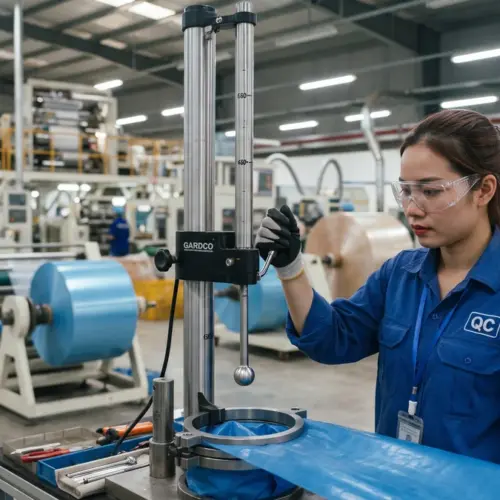
stretch film supplier is covered here with practical information for packaging buyers, converters and distributors.
In the fast-paced world of warehousing, logistics, and manufacturing, efficiency is paramount. One seemingly small aspect that can significantly impact your bottom line is the proper use of stretch film. Often overlooked, the way you wrap pallets and secure loads can lead to substantial waste if not done correctly. This article unveils seven shocking ways you might be squandering this essential packaging material and provides actionable solutions to optimize your stretch film usage, reduce costs, and improve overall operational effectiveness.

1. Overlapping Excessively: More Isn’t Always Better
One of the most common mistakes is excessive overlapping of the stretch film. While ensuring a secure load is crucial, unnecessary overlapping adds extra layers of film without significantly increasing stability. Many operators believe that more layers equate to better protection, but this isn’t always the case. The key is to find the optimal balance between security and material usage. Are you using more plastic stretch film than you need to?
The Solution: Train your staff on proper wrapping techniques that emphasize consistent tension and strategic overlap. A good rule of thumb is to aim for a 50% overlap on the first few layers, gradually reducing it to 25-30% as you move up the pallet. This provides a solid base while minimizing waste. Also, consider using pre-stretched film, which requires less overlap to achieve the same level of security. Investing in training programs and clearly defined standard operating procedures (SOPs) is crucial for consistent application and reduced stretch film consumption.
2. Ignoring Pre-Stretch Capabilities: Leaving Money on the Table
Modern stretch wrapping machines and even some hand dispensers offer pre-stretch capabilities. This feature mechanically stretches the film before it’s applied to the load. By maximizing the film’s inherent elasticity, you can significantly reduce the amount of film needed to secure a pallet. Many companies fail to utilize this feature effectively, essentially leaving money on the table. Are you maximizing the pre-stretch on your machine stretch film?
The Solution: Ensure your equipment is properly calibrated and that operators are trained on how to maximize the pre-stretch function. The ideal pre-stretch percentage depends on the type of film and the load characteristics, but generally, you can aim for a 200-300% pre-stretch. This means that for every foot of film fed into the machine, two to three feet are actually applied to the pallet. Regularly check and maintain your equipment to ensure optimal pre-stretch performance. Using cast stretch film or blown stretch film can affect pre-stretch performance, so choose the right film for your machinery.
3. Improper Tensioning: A Recipe for Tears and Waste
Inconsistent or incorrect tensioning is a major contributor to stretch film waste. Applying too little tension results in a loose, unstable load, requiring additional layers of film. Conversely, excessive tension can cause the film to tear or break, leading to wasted material and potential load damage. Finding the sweet spot is essential for efficient and effective wrapping.
The Solution: Invest in quality stretch film dispensers with adjustable tension settings. For hand wrapping, train operators to maintain consistent pressure and avoid jerking motions. For machine wrapping, regularly calibrate the tensioning mechanism to ensure it’s applying the correct amount of force. Consider using different types of clear stretch film or colored stretch film depending on the load and its requirements. Also, assess whether you need hand stretch film or machine stretch film based on your volume and operational needs.
4. Neglecting Load Profiling: One Size Doesn’t Fit All
Treating every pallet the same is a recipe for inefficiency. Different loads have different shapes, weights, and stability requirements. Using the same wrapping pattern and amount of stretch film for all pallets leads to over-wrapping stable loads and under-wrapping unstable ones. This results in both material waste and potential damage during transit.
The Solution: Implement a load profiling system that categorizes pallets based on their characteristics. Train operators to adjust the wrapping pattern, tension, and overlap according to the specific needs of each load. For example, lightweight or unstable loads may require tighter wrapping and more overlap, while heavier, more stable loads can be secured with less film. Consider using reinforced stretch wrap for particularly challenging loads. This targeted approach minimizes waste and maximizes load security.
5. Poor Storage Practices: Compromising Film Integrity
Stretch film is susceptible to damage from extreme temperatures, humidity, and direct sunlight. Improper storage can compromise its elasticity, tear resistance, and cling properties, leading to increased breakage and reduced performance. Storing stretch film rolls improperly can negate any other efficiency efforts.
The Solution: Store stretch film in a cool, dry, and dark environment. Avoid storing it near heat sources or in direct sunlight. Follow the manufacturer’s recommended storage guidelines to maintain film integrity and performance. Implementing a “first-in, first-out” (FIFO) inventory system ensures that older film is used before newer film, preventing degradation over time. Properly stored stretch film will perform better and reduce waste.
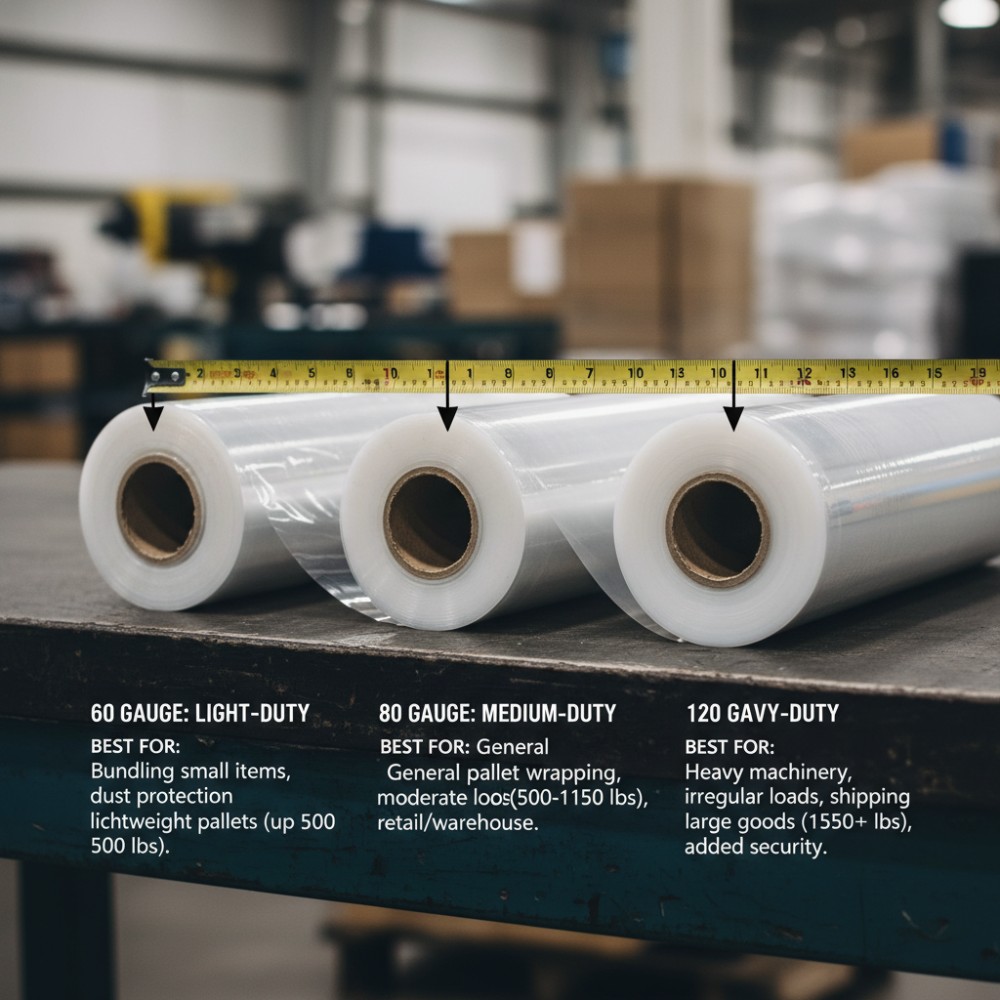
6. Ignoring Gauge Thickness: Choosing the Right Film for the Job
Stretch film comes in various gauges (thicknesses), each designed for specific applications. Using a thicker gauge than necessary is a common waste culprit. While thicker film offers greater strength and puncture resistance, it also costs more. Using too thin of a gauge can lead to film breakage and load instability, requiring additional layers. Selecting the appropriate gauge for the job is crucial for cost-effectiveness.
The Solution: Analyze your load characteristics and determine the minimum gauge required for adequate protection. Consult with your stretch film suppliers to identify the optimal film for your specific needs. Consider using reduced gauge films, which offer comparable performance to thicker films while using less material. Regularly evaluate your film usage and adjust your gauge selection as needed.
7. Lack of Preventative Maintenance on Equipment: A Silent Killer of Efficiency
Neglecting preventative maintenance on your stretch wrapping equipment can lead to a host of problems, including inconsistent tensioning, film breakage, and inaccurate wrapping patterns. These issues not only waste stretch film but also increase downtime and potentially damage loads. Regular maintenance is essential for optimal performance and longevity.
The Solution: Implement a regular maintenance schedule for your pallet wrapping machine. This should include cleaning, lubrication, and inspection of critical components such as rollers, tensioning mechanisms, and cutting blades. Train your operators to identify and report any signs of malfunction. Addressing minor issues promptly can prevent them from escalating into costly repairs and significant stretch film waste. Consider a service contract with your equipment supplier for ongoing maintenance and support.
The Impact of Choosing the Right Stretch Film
The type of stretch film you choose can also significantly impact waste and efficiency. For instance, extended core stretch film can be easier to apply manually, reducing the risk of tearing and uneven wrapping. Pre-stretched film, as mentioned earlier, maximizes the film’s elasticity, reducing the amount needed per pallet. Understanding the properties of different films, such as cast stretch film versus blown stretch film, and selecting the right one for your application can lead to substantial cost savings and reduced waste.
[IMAGE_PROMPT: A side-by-side comparison of cast stretch film and blown stretch film, showing their different textures and explaining their respective strengths and weaknesses.]
Conclusion: Stop Wasting and Start Saving with Optimized Stretch Film Usage
By addressing these seven common pitfalls, you can significantly reduce stretch film waste, lower your packaging costs, and improve your overall operational efficiency. Investing in operator training, implementing proper storage practices, selecting the right film for the job, and maintaining your equipment are all crucial steps towards optimizing your stretch film usage. By adopting a proactive and data-driven approach, you can transform your pallet wrapping process from a source of waste into a driver of savings and sustainability.
Remember to regularly assess your usage, adapt your strategies, and continuously seek improvements to maximize the value of your stretch film investment. Embracing sustainable packaging solutions, like exploring recyclable or biodegradable alternatives, can further enhance your company’s environmental responsibility while maintaining effective load securing.
Table of Contents
stretch film supplier: practical overview
Document the approved stretch film supplier requirements for repeat orders.
Compare stretch film supplier options using total application cost, not unit price alone.
stretch film supplier specifications should always be confirmed before mass production.
Ask for a representative stretch film supplier sample when testing a new application.
Document the approved stretch film supplier requirements for repeat orders.
Compare stretch film supplier options using total application cost, not unit price alone.
stretch film supplier specifications should always be confirmed before mass production.
Ask for a representative stretch film supplier sample when testing a new application.
Document the approved stretch film supplier requirements for repeat orders.
Compare stretch film supplier options using total application cost, not unit price alone.
Sourcing and support
Explore VN Plastic packaging products, review independent information from an authoritative environmental resource, or contact VN Plastic for a tailored specification and quotation.