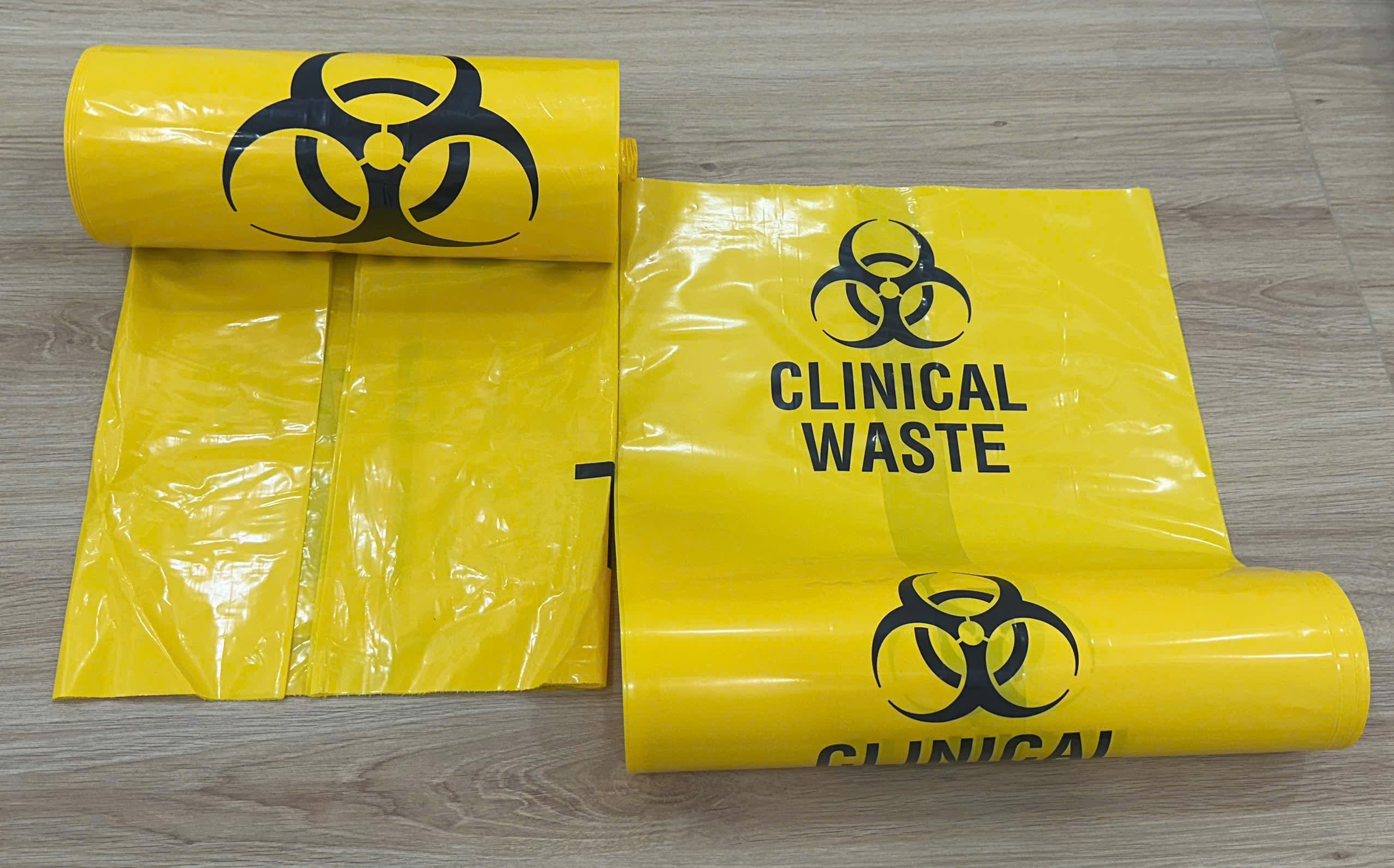
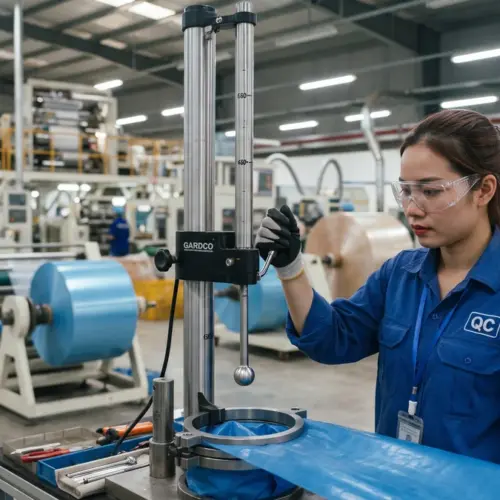
The humble grocery bag. A ubiquitous item in our daily lives, yet one that sparks significant debate regarding its environmental impact. For decades, plastic bags have been the standard, offering convenience and affordability. However, growing awareness of plastic pollution has led to a surge in popularity of reusable bags. But which type of grocery bags is truly the better choice? This comprehensive analysis delves into the multifaceted aspects of both, considering their environmental footprint, cost-effectiveness, and practicality for consumers.
The Reign of Plastic Grocery Bags: Convenience and Concerns
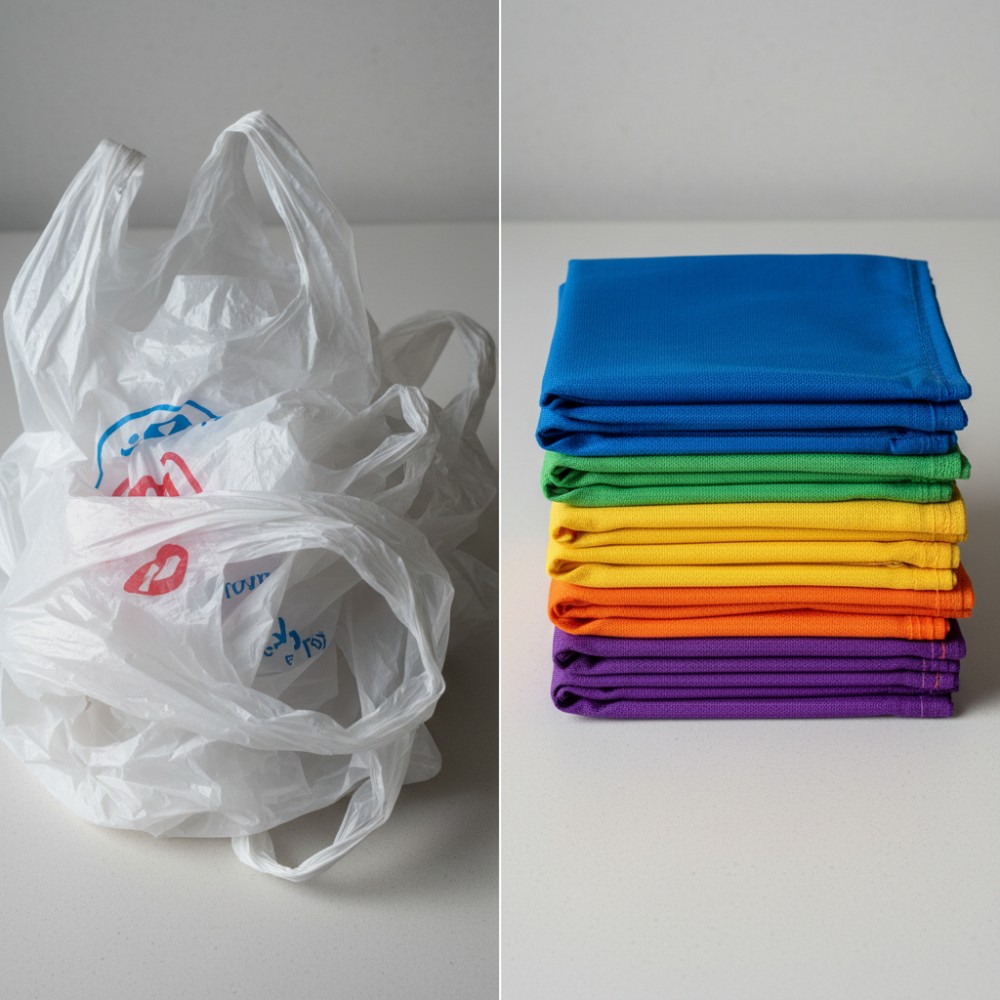
Plastic shopping bags, often made from polyethylene (LDPE or HDPE) plastic film, gained prominence due to their lightweight nature, low production cost, and water resistance. These plastic bags with handles, also known as t-shirt bags, are readily available at most retailers, making them a convenient option for transporting grocery items. The vast majority are single-use, designed for just one trip from store to home.
However, the convenience of plastic grocery bags comes at a significant environmental cost. Their widespread use contributes to plastic pollution, filling landfills and polluting oceans. Plastic bags take hundreds of years to decompose, and even then, they break down into microplastics, which can contaminate soil and water sources. These microplastics enter the food chain, posing a threat to wildlife and potentially humans. The problem is compounded by the sheer volume of plastic bags produced and discarded each year. While some are repurposed as plastic trash bags or for other household uses, the vast majority end up as waste.
Furthermore, the production of plastic bags relies on fossil fuels, contributing to greenhouse gas emissions. Even so-called biodegradable plastic bags and compostable plastic bags, while offering a potentially less harmful alternative, often require specific composting conditions that are not readily available in most municipal waste management systems. Many “biodegradable” plastic bags simply break down into smaller pieces of plastic, rather than fully decomposing.
Types of Plastic Bags and Their Uses
The term “plastic bags” encompasses a wide range of products, each designed for specific purposes:
- Plastic shopping bags/plastic grocery bags: These are the standard bags provided at checkout in retail stores. They typically have handles and are made from thin polyethylene resin.
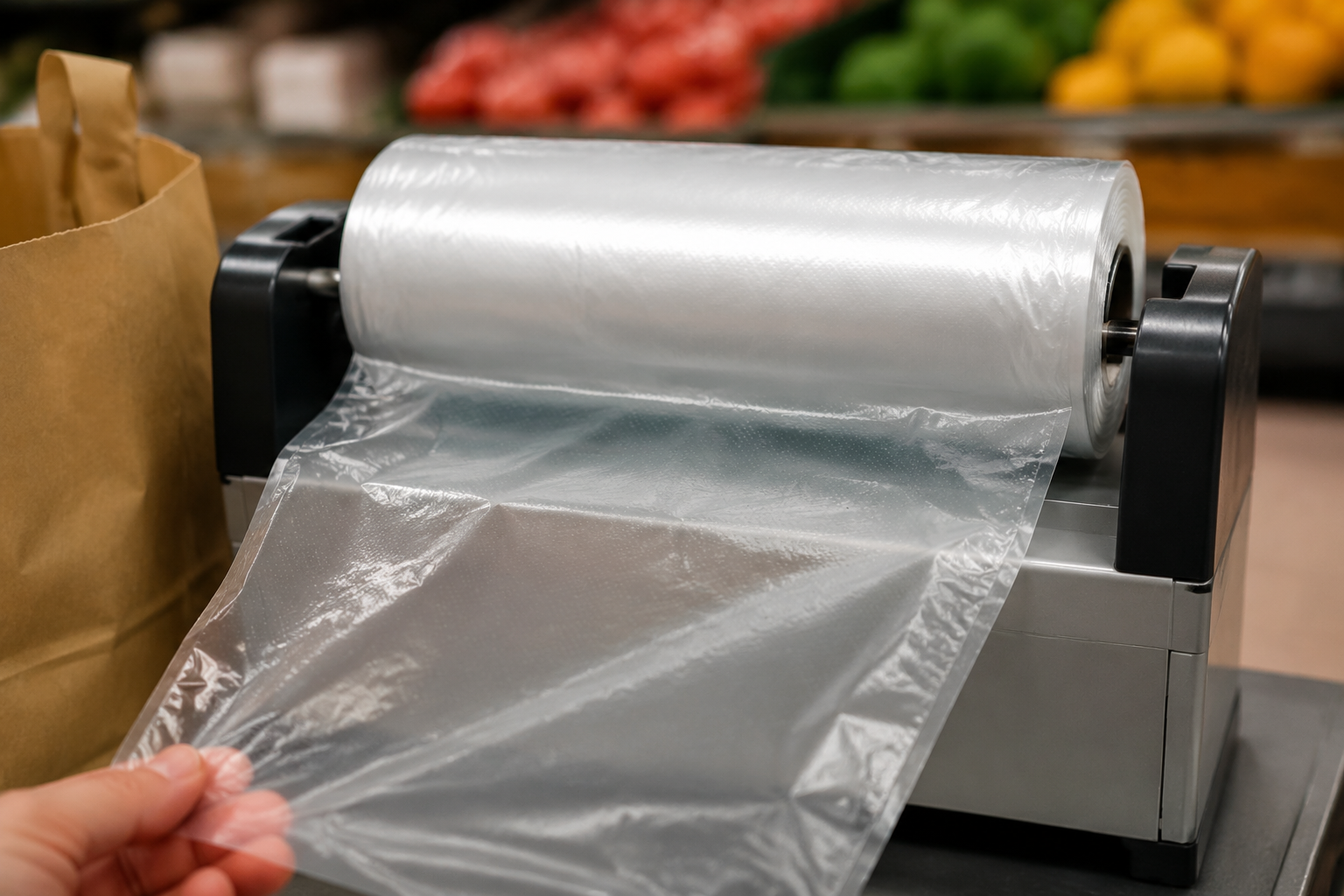
- Clear plastic bags: Often used for produce or bulk items in grocery stores, these bags offer transparency for easy identification of contents.
- Large plastic bags: Used for storing larger items or for heavy-duty applications.
- Small plastic bags: Commonly used for packaging smaller items or for portioning food.
- Plastic trash bags/plastic garbage bags: Designed for waste disposal, these bags come in various sizes and thicknesses.
- Biodegradable plastic bags/compostable plastic bags: Intended to break down more quickly than traditional plastic bags, but their effectiveness depends on proper disposal.
- Zipper plastic bags/resealable plastic bags: Used for food storage or for keeping items airtight.
- Heavy duty plastic bags: Thicker and more durable than standard plastic bags, these are used for carrying heavier items or for applications requiring extra strength.
- Printed plastic bags/plastic poly bags: Often used for promotional purposes or for packaging branded products.
The Rise of Reusable Grocery Bags: A Sustainable Alternative?
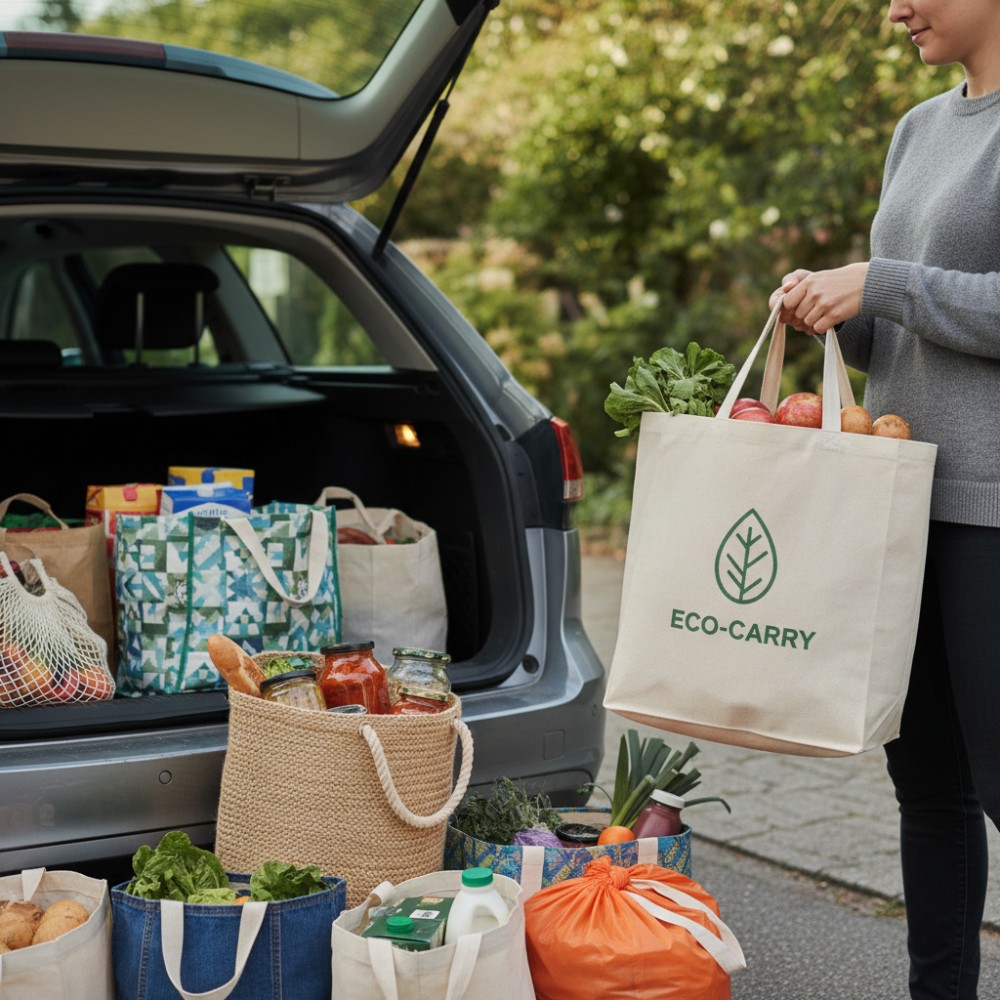
As concerns about plastic pollution grew, reusable bags emerged as a seemingly eco-friendly alternative. Made from materials like cotton, jute, polypropylene, or even recycled plastic film, these eco-friendly bags are designed to be used multiple times, reducing the demand for single-use plastic grocery bags.
However, the environmental impact of reusable bags is not as straightforward as it may seem. Studies have shown that reusable bags require significantly more energy and resources to produce than plastic bags. For example, a cotton bag needs to be used many times (often more than 100 times) to offset the environmental impact of producing just one bag compared to a single plastic shopping bag. This is due to the intensive farming practices associated with cotton production, including the use of pesticides and water.
The durability and longevity of reusable bags are crucial factors in determining their overall environmental benefit. If a reusable bag is only used a few times before being discarded, it may actually have a greater environmental impact than using plastic grocery bags. Therefore, it is essential to choose durable reusable bags and to use them consistently over a long period.
Another consideration is hygiene. Reusable bags can harbor bacteria and other pathogens if not cleaned regularly. Food spills and other contaminants can create a breeding ground for germs, posing a health risk. It is recommended to wash reusable bags frequently, especially those used for carrying raw meat or produce.
Comparing the Environmental Impact: A Deeper Dive
To truly understand which type of grocery bags is better, we need to consider several factors:
- Material Composition: The type of polymer or resin used to create plastic bags, and the materials used for reusable bags (cotton, jute, polypropylene) all have different environmental footprints.
- Production Process: The energy and resources required to manufacture each type of bag vary significantly.
- Lifespan and Usage: The number of times a bag is used is a critical factor. Reusable bags need to be used many times to offset their higher initial environmental impact.
- Disposal Method: Whether a bag ends up in a landfill, is recycled, or decomposes (in the case of biodegradable or compostable bags) affects its long-term environmental impact.
- Transportation: The distance a bag travels from its point of manufacture to the consumer also contributes to its environmental footprint.
While plastic bags contribute to plastic pollution and rely on fossil fuels, reusable bags have a higher initial environmental impact due to their production. The key to minimizing the environmental impact of grocery bags is to reduce consumption, reuse bags as many times as possible, and dispose of them properly.
Regulations and Legislation: The Fight Against Plastic
Recognizing the detrimental effects of plastic pollution, many cities and countries have implemented regulations and legislation aimed at reducing the use of plastic shopping bags. These measures include:
- Plastic bag ban: Prohibiting the use of single-use plastic grocery bags altogether.
- Bag tax: Charging a fee for each plastic bag used at checkout, incentivizing consumers to bring their own reusable bags.
- Recycling programs: Encouraging the recycling of plastic bags, although the effectiveness of these programs varies.
- Single-use plastic ban: Broader bans that encompass other single-use plastic items in addition to grocery bags.
These environmental regulations have had varying degrees of success in reducing plastic bag consumption. However, they highlight the growing awareness of the environmental problems associated with single-use plastics and the need for sustainable alternatives.
Making the Right Choice: Tips for Consumers
So, which type of grocery bags should you choose? Here are some tips to help you make an informed decision:
- Choose durable reusable bags: Opt for bags made from sturdy materials like canvas or jute that will last a long time.
- Use reusable bags consistently: Make it a habit to bring your own bags whenever you go shopping.
- Wash reusable bags regularly: Keep your bags clean to prevent the growth of bacteria.
- Reuse plastic bags when possible: If you do end up with plastic bags, reuse them for other purposes, such as lining trash cans or cleaning up pet waste.
- Recycle plastic bags properly: Check with your local recycling program to see if they accept plastic bags.
- Support businesses that promote sustainable practices: Choose retailers that offer incentives for using reusable bags or that have implemented other environmental initiatives.
[IMAGE_PROMPT: A close-up shot of a person’s hand reaching for a colorful, folded reusable bag from a bag dispenser at a grocery store checkout. Focus on the act of choosing a reusable option.]
Conclusion: A Sustainable Future for Grocery Bags
The debate over reusable vs. plastic grocery bags is complex, with no easy answer. While plastic grocery bags offer convenience and affordability, their environmental impact is undeniable. Reusable bags, while seemingly more eco-friendly, require significant resources to produce and must be used consistently to offset their environmental footprint. The most sustainable approach involves reducing consumption, reusing bags as many times as possible, and disposing of them properly. By making informed choices and supporting sustainable practices, we can all contribute to a cleaner, healthier future for our planet. Ultimately, the best grocery bag is the one you reuse the most.
Table of Contents
grocery bags: practical overview
Sourcing and support
Explore VN Plastic packaging products, review independent information from an authoritative environmental resource, or contact VN Plastic for a tailored specification and quotation.