In today’s world, where sustainability and convenience are paramount, produce bags on a roll have emerged as an essential item for conscious consumers and businesses alike. These versatile bags offer a practical solution for carrying, storing, and organizing fresh fruits and vegetables, while also addressing growing concerns about single-use plastics and food waste. Whether you’re a household striving to reduce your environmental footprint or a business seeking efficient and eco-friendly packaging options, understanding the benefits and options available for produce bags on a roll is crucial.
Why Choose Produce Bags on a Roll?
Produce bags on a roll offer a multitude of advantages over traditional single-use plastic bags. They provide a more sustainable, convenient, and often more cost-effective solution for a variety of needs.
Environmental Benefits: Reducing Plastic Waste
The most significant advantage of using produce bags on a roll is their positive impact on the environment. Single-use plastic bags contribute significantly to plastic pollution, clogging landfills, polluting oceans, and harming wildlife. By opting for alternatives like reusable, biodegradable, or compostable produce bags on a roll, you can actively reduce your contribution to this environmental crisis.
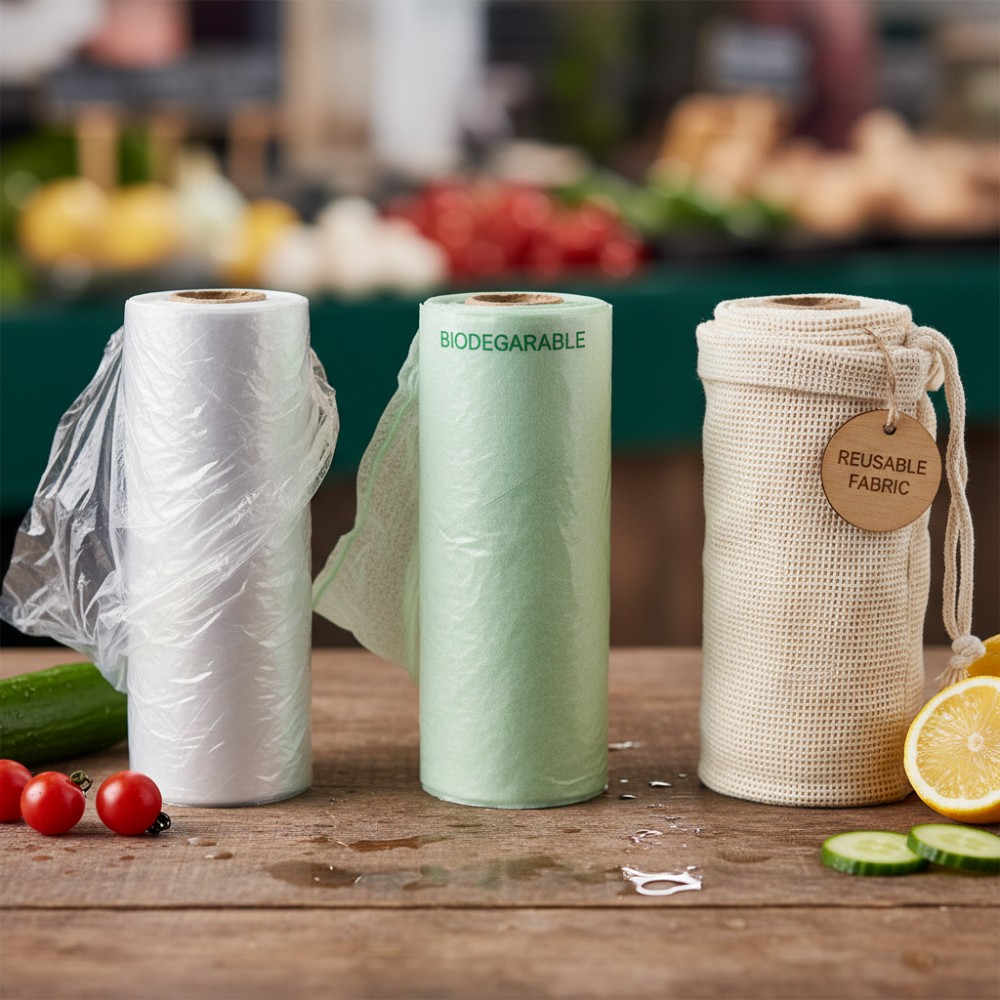
It’s essential to understand the differences between various “eco-friendly” options. Biodegradable bags break down into natural substances over time, but this process can take years and often requires specific conditions found only in industrial composting facilities. Compostable bags, on the other hand, are designed to decompose more rapidly and completely in home or industrial composting systems. Reusable plastic bags, while not biodegradable or compostable, offer a longer lifespan and can significantly reduce the number of single-use bags consumed over time. The choice depends on your access to composting facilities, your commitment to reuse, and your budget.
Convenience and Efficiency: Streamlining Your Shopping Experience
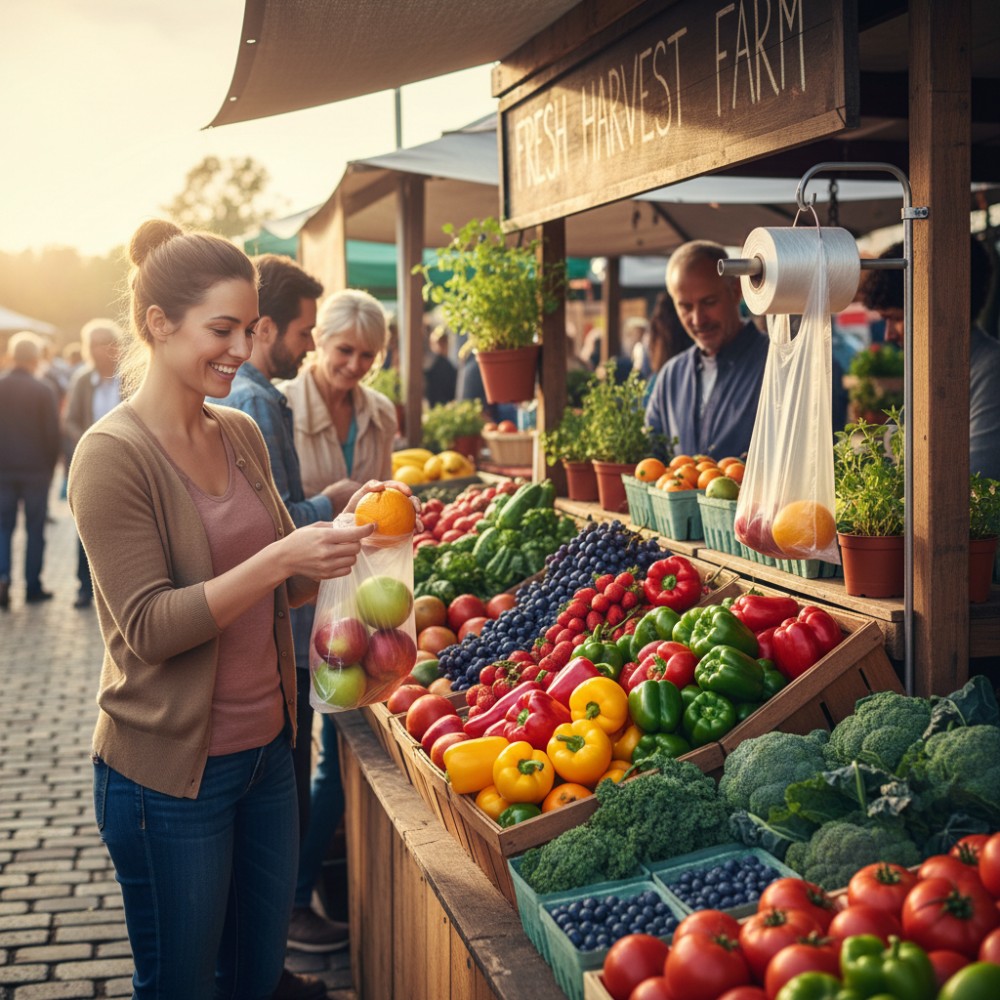
Produce bags on a roll are designed for ease of use. The roll format allows for quick and efficient dispensing, making it easy to bag your produce at the grocery store or farmer’s market. Many rolls come with perforated lines between each bag, ensuring a clean and tear-free separation. This streamlined process saves time and reduces frustration, especially during busy shopping trips. The convenience extends beyond the store; these bags are also ideal for organizing produce in your refrigerator or pantry, helping to keep items fresh and easily accessible.
Food Preservation: Keeping Produce Fresh Longer
Proper storage is crucial for maintaining the freshness and quality of fruits and vegetables. Produce bags on a roll, particularly those made from breathable materials, can help extend the shelf life of your produce. By providing a barrier against moisture loss and preventing cross-contamination, these bags help to keep your fruits and vegetables crisp, flavorful, and nutritious for a longer period. This not only reduces food waste but also saves you money by minimizing spoilage.
Types of Produce Bags on a Roll: Materials and Considerations
The market offers a wide variety of produce bags on a roll, each with its own set of characteristics, benefits, and drawbacks. Understanding the different materials available is crucial for making an informed decision that aligns with your needs and values.
Plastic Produce Bags: Traditional and Reusable Options
Traditional plastic produce bags are typically made from polyethylene (PE) or polypropylene (PP). While these bags are inexpensive and readily available, they are not biodegradable or compostable and contribute to plastic waste. However, thicker, more durable plastic bags designed for reuse can be a more sustainable option, provided they are used multiple times and eventually recycled responsibly.
Biodegradable and Compostable Produce Bags: Eco-Friendly Alternatives
Biodegradable and compostable produce bags are made from plant-based materials like cornstarch, potato starch, or cellulose. These bags offer a more environmentally friendly alternative to traditional plastic bags, as they are designed to break down naturally. However, it’s important to note that the terms “biodegradable” and “compostable” are not interchangeable. Compostable bags are specifically designed to decompose in composting environments, while biodegradable bags may require specific conditions to break down effectively. Always check for certifications like ASTM D6400 or EN 13432 to ensure that the bags meet recognized compostability standards.
Reusable Fabric Produce Bags: Durable and Washable
Reusable fabric produce bags, typically made from cotton, mesh, or nylon, are a durable and washable option for carrying and storing produce. These bags are designed to be used repeatedly, reducing the need for single-use plastic bags. They are available in various sizes and styles, making them suitable for a wide range of fruits and vegetables. When choosing reusable fabric bags, opt for those made from organic cotton or recycled materials for an even smaller environmental footprint. Regular washing is essential to maintain hygiene and prevent the buildup of bacteria.
Beyond the Grocery Store: Versatile Applications of Produce Bags on a Roll
While primarily designed for grocery shopping, produce bags on a roll offer a surprising range of applications beyond the supermarket. Their versatility makes them a valuable asset in various settings, from home organization to commercial food service.
Home Storage and Organization: Keeping Your Kitchen Tidy
Produce bags on a roll are excellent for organizing fruits and vegetables in your refrigerator or pantry. They help to keep items separate, prevent cross-contamination, and maintain freshness. You can also use them to store snacks, sandwiches, or leftovers, providing a convenient and eco-friendly alternative to plastic wrap or resealable bags. Their compact size makes them ideal for storing small items like nuts, seeds, or dried fruit.
Food Service and Catering: Efficient and Hygienic Packaging
In the food service industry, produce bags on a roll are essential for packaging and storing ingredients. They provide a hygienic and efficient way to portion out fruits, vegetables, and other food items. Their roll format allows for quick and easy dispensing, streamlining the food preparation process. Compostable or biodegradable bags are particularly well-suited for businesses committed to sustainability.
Travel and On-the-Go: Convenient Snack Storage
Produce bags on a roll are also useful for travel and on-the-go snacking. They provide a lightweight and convenient way to pack fruits, vegetables, or other snacks for road trips, picnics, or hikes. Their compact size makes them easy to carry in a backpack or purse. Reusable fabric bags are particularly well-suited for this purpose, as they can be washed and reused multiple times.
Proper Disposal and Maintenance: Maximizing Sustainability
To truly maximize the sustainability of produce bags on a roll, it’s crucial to understand proper disposal and maintenance practices. The appropriate disposal method depends on the material of the bag. Plastic bags should be recycled whenever possible, while biodegradable and compostable bags should be composted in accordance with local guidelines. Reusable fabric bags should be washed regularly to maintain hygiene.
Recycling Plastic Bags: Finding Drop-Off Locations
Many grocery stores and retailers offer plastic bag recycling programs. Check with your local stores to find drop-off locations for your used plastic produce bags. Before recycling, ensure that the bags are clean and dry. Avoid mixing them with other types of plastic, as this can contaminate the recycling stream.
Composting Biodegradable and Compostable Bags: Following Guidelines
Composting biodegradable and compostable bags requires specific conditions, such as adequate moisture, oxygen, and temperature. Check with your local composting facility or municipality for guidelines on composting these types of bags. Some communities offer curbside composting programs, while others require you to drop off your compost at a designated location. Home composting is also an option, but it may require more effort and attention to ensure proper decomposition.
Washing Reusable Fabric Bags: Maintaining Hygiene
Reusable fabric produce bags should be washed regularly to prevent the buildup of bacteria and maintain hygiene. Wash them in warm water with mild detergent and allow them to air dry. Avoid using bleach or fabric softeners, as these can damage the fabric. Consider having multiple sets of reusable bags so you always have a clean set available.
Making the Right Choice: Factors to Consider When Buying Produce Bags on a Roll
Choosing the right produce bags on a roll involves considering several factors, including your budget, environmental concerns, and intended use. By carefully evaluating these factors, you can make an informed decision that aligns with your needs and values.
Material: Balancing Sustainability and Durability
The material of the bag is a primary consideration. If sustainability is your top priority, opt for biodegradable, compostable, or reusable fabric bags. If durability and cost are more important, plastic bags may be a more suitable option. Consider the lifespan of the bag and its potential impact on the environment.
Size and Thickness: Choosing the Right Fit for Your Needs
Produce bags on a roll are available in various sizes and thicknesses. Choose a size that is appropriate for the types of fruits and vegetables you typically purchase. Thicker bags are generally more durable and resistant to tearing, while thinner bags may be more economical. Consider the weight and bulk of the items you will be carrying.
Price: Finding a Balance Between Cost and Value
The price of produce bags on a roll can vary depending on the material, size, and brand. Compare prices from different retailers to find the best deal. Keep in mind that reusable bags may have a higher upfront cost but can save you money in the long run by reducing the need for single-use bags. Consider the overall value and benefits of each option.
[IMAGE_PROMPT: A split-screen comparison of different produce bag options: plastic, biodegradable, and reusable. The image highlights the pros and cons of each type, with labels indicating factors like cost, durability, and environmental impact.]
Conclusion: Embracing a Sustainable and Convenient Future
Produce bags on a roll represent a significant step towards a more sustainable and convenient future. By choosing alternatives to single-use plastic bags, we can reduce our environmental impact, preserve food freshness, and streamline our shopping experience. Whether you opt for reusable fabric bags, biodegradable options, or even durable reusable plastic, the key is to make conscious choices that align with your values and contribute to a healthier planet. Embrace the versatility and benefits of produce bags on a roll, and join the movement towards a more responsible and eco-friendly way of life.
Table of Contents
produce bags on a roll: practical overview
Sourcing and support
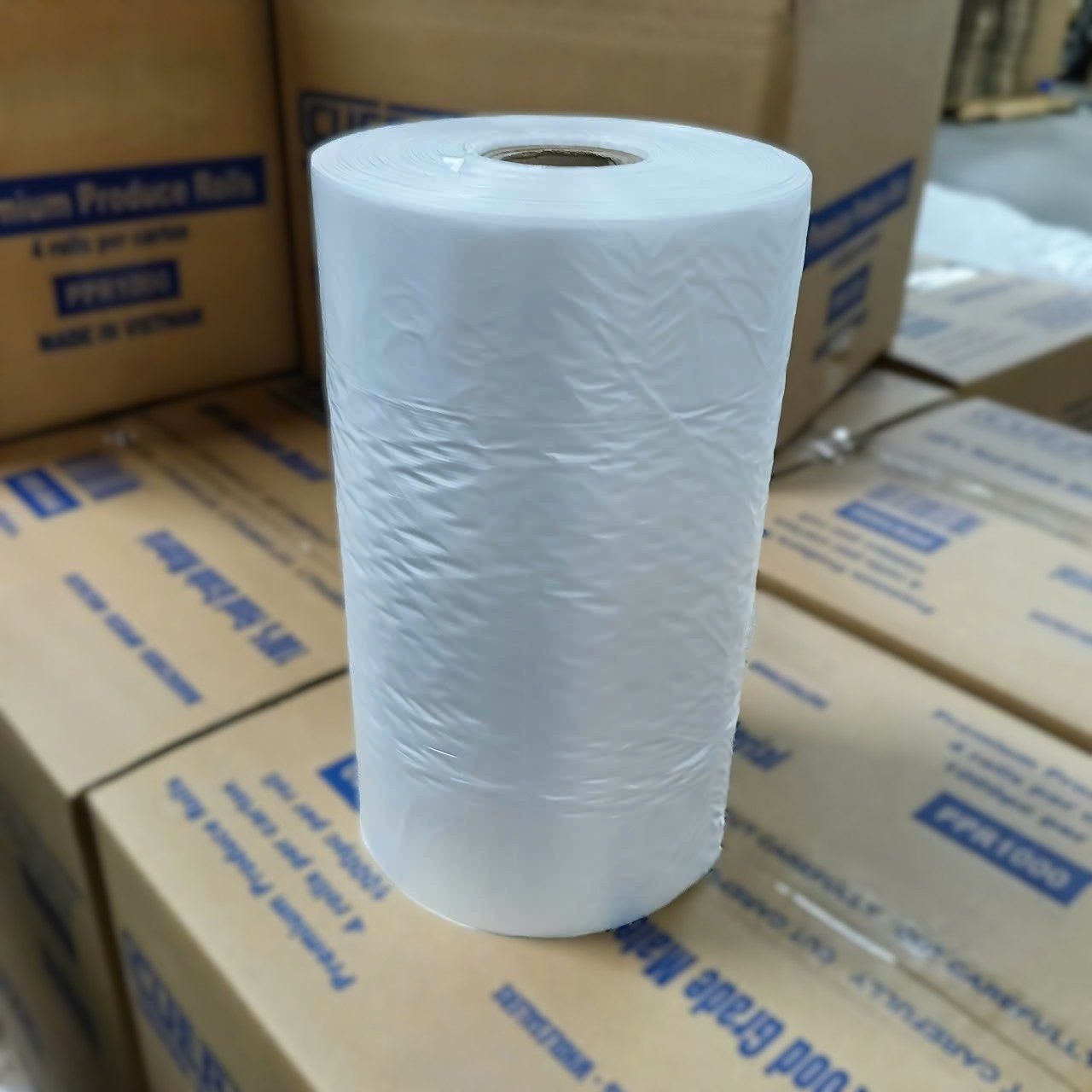
Explore VN Plastic packaging products, review independent information from an authoritative environmental resource, or contact VN Plastic for a tailored specification and quotation.