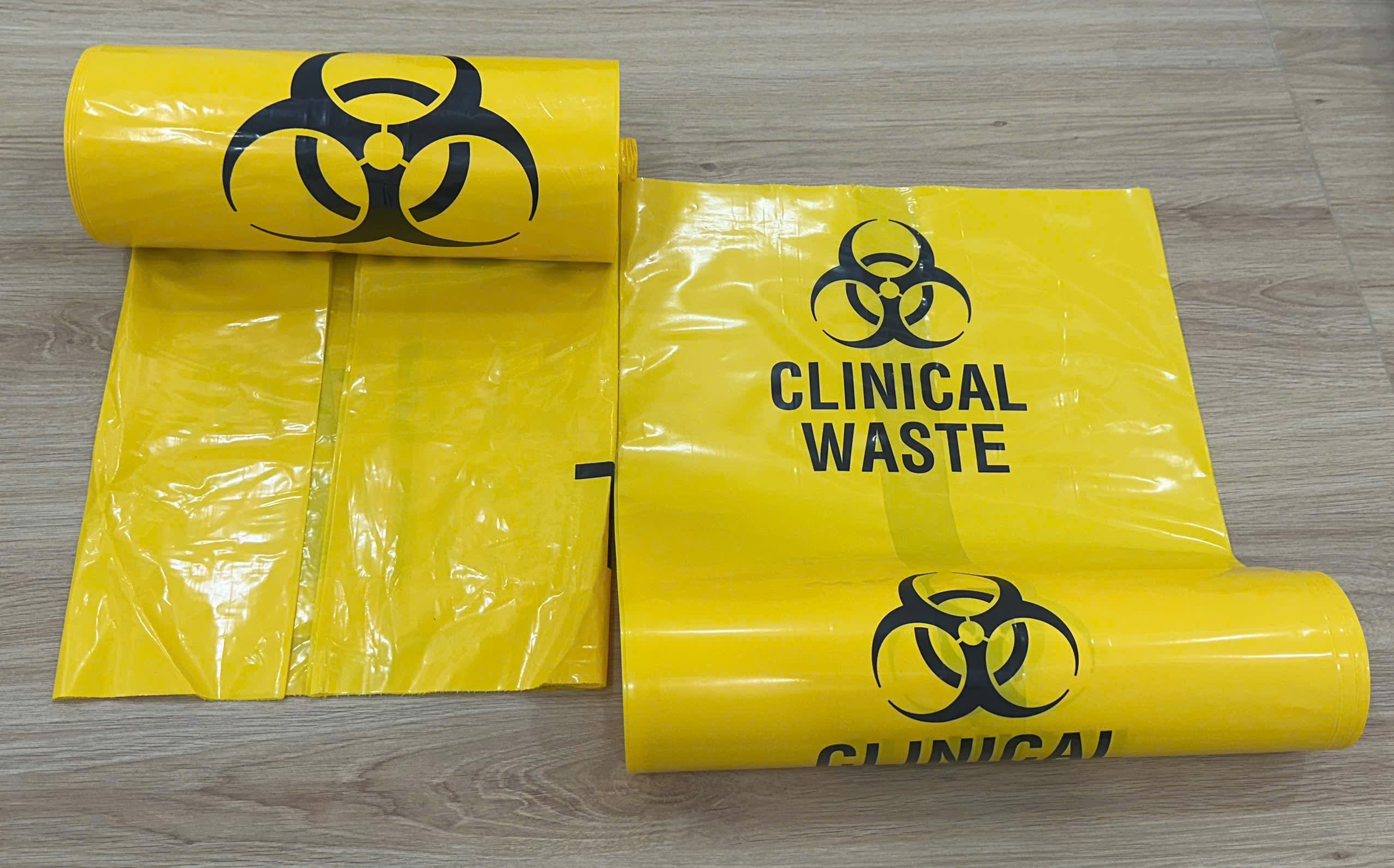
GARBAGE BAG supplier is covered here with practical information for packaging buyers, converters and distributors.
From the mundane task of taking out the trash to managing waste in large commercial settings, the humble garbage bag plays a critical role in maintaining cleanliness and hygiene. But with a vast array of options available, choosing the right garbage bag can be surprisingly complex. This comprehensive guide will delve into the different types of garbage bags, their strengths and weaknesses, environmental considerations, and provide practical tips to help you make informed decisions.
Understanding the Basics of Garbage Bags
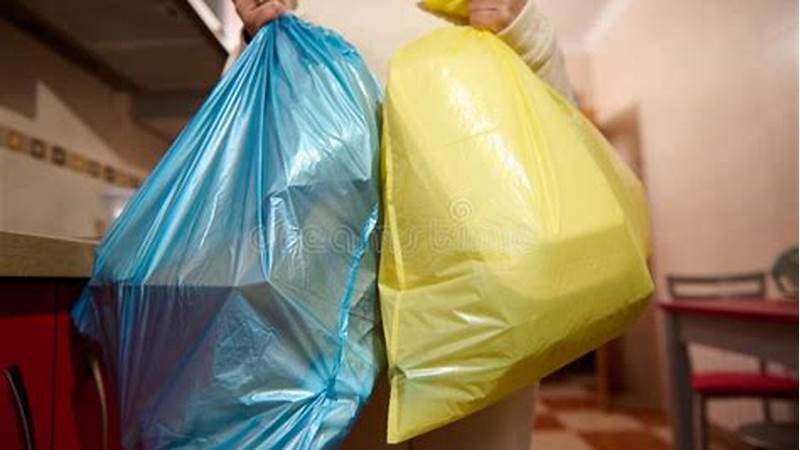
Before diving into the specifics, let’s establish a foundation of knowledge about what defines a garbage bag. Essentially, a garbage bag is a disposable sack made of plastic (typically polyethylene) or biodegradable materials used to contain solid waste. Their primary function is to prevent the spread of odors, liquids, and pathogens, making waste management more efficient and sanitary.
Key Features to Consider:
- Material: Plastic (LDPE, HDPE, LLDPE) or biodegradable polymers.
- Size: Measured in gallons or liters, ranging from small bin liners to large contractor bags.
- Thickness: Measured in mils (thousandths of an inch), indicating the bag’s strength and puncture resistance.
- Closure Type: Drawstring, flap tie, or plain open top.
- Color: Often black, white, or clear, sometimes with color-coding for recycling purposes.
Types of Garbage Bags: A Detailed Breakdown
The garbage bag market offers a diverse range of products, each designed for specific applications. Understanding these distinctions is crucial for selecting the right bag for your needs.
1. Low-Density Polyethylene (LDPE) Bags:
LDPE bags are known for their flexibility, puncture resistance, and ability to stretch. They are a common choice for household use and are particularly well-suited for handling irregular or bulky items. However, they are generally not as strong as HDPE bags of the same thickness.
2. High-Density Polyethylene (HDPE) Bags:
HDPE bags are thinner and more rigid than LDPE bags. They possess excellent tensile strength, making them ideal for holding heavy, dense waste. They are often used in commercial settings and for carrying recyclables. The “crinkly” sound often associated with garbage bags is typical of HDPE.
3. Linear Low-Density Polyethylene (LLDPE) Bags:
LLDPE combines the best properties of LDPE and HDPE. It offers good strength, flexibility, and puncture resistance, making it a versatile option for various applications. LLDPE bags are often used for heavy-duty applications where both strength and flexibility are required.
4. Biodegradable Garbage Bags:
As environmental concerns grow, biodegradable garbage bags are gaining popularity. These bags are made from plant-based materials or biodegradable polymers that break down naturally over time. However, it’s important to note that “biodegradable” does not necessarily mean “compostable.” The conditions required for proper biodegradation often necessitate industrial composting facilities.
5. Compostable Garbage Bags:
Compostable garbage bags are specifically designed to break down in a composting environment, leaving behind no harmful residues. They are typically made from materials like cornstarch or other plant-based polymers. These bags are ideal for collecting food scraps and yard waste for composting.
6. Contractor Bags:
Contractor bags are heavy-duty garbage bags designed for construction sites, landscaping, and other demanding applications. They are typically made from thick LDPE or LLDPE and are capable of withstanding sharp objects and heavy loads. These are your go-to garbage bags when dealing with construction debris or yard waste like branches.
Choosing the Right Size and Thickness
Selecting the appropriate size and thickness is crucial for preventing leaks and tears. Here’s a guide to help you make the right choice:
Size Considerations:
- Small (4-8 gallons): Ideal for bathroom wastebaskets, office desk bins, and small kitchen containers.
- Medium (10-13 gallons): Suitable for standard kitchen trash cans.
- Large (20-30 gallons): Designed for larger kitchen cans or outdoor use.
- Extra-Large (33-55 gallons): Used for commercial applications, large volume waste, or yard waste collection.
Thickness Considerations:
- Light Duty (0.7-0.9 mil): Suitable for lightweight waste like paper and dry materials.
- Medium Duty (1.0-1.2 mil): Ideal for general household waste.
- Heavy Duty (1.5-2.0 mil): Recommended for sharper objects, heavier loads, and outdoor use.
- Extra Heavy Duty (3.0 mil and up): Designed for construction debris, sharp materials, and extremely heavy loads.
The Environmental Impact of Garbage Bags
Traditional plastic garbage bags contribute significantly to plastic pollution due to their slow decomposition rate. Choosing environmentally friendly alternatives is essential for reducing your environmental footprint.
Strategies for Reducing Environmental Impact:
- Opt for Biodegradable or Compostable Bags: While not a perfect solution, these bags break down faster than traditional plastic.
- Reduce Waste: The best way to minimize the impact of garbage bags is to reduce the amount of waste you generate.
- Recycle: Separate recyclable materials from your trash to reduce the volume of waste sent to landfills.
- Reuse: Consider reusing plastic grocery bags as small trash can liners.

Tips for Using Garbage Bags Effectively
Even the best garbage bag can fail if not used properly. Here are some practical tips to maximize their effectiveness:
- Don’t Overfill: Overfilling can cause the bag to tear or leak. Leave enough room to tie the bag securely.
- Double Bag: For particularly messy or odorous waste, consider double-bagging to prevent leaks and contain odors.
- Secure Sharp Objects: Wrap sharp objects like broken glass in newspaper or cardboard before placing them in the garbage bag.
- Store Properly: Store garbage bags in a cool, dry place to prevent them from degrading.
- Choose the Right Closure: Drawstring closures are convenient and secure, while flap-tie closures are a cost-effective option.
Garbage Bags in Commercial Settings
Commercial establishments require durable and reliable garbage bags to manage large volumes of waste. Factors to consider when selecting garbage bags for commercial use include:
- Volume of Waste: Choose a bag size that can accommodate the daily waste output.
- Type of Waste: Select a bag thickness that can withstand the type of waste being generated (e.g., food waste, construction debris).
- Regulations: Comply with local regulations regarding waste disposal and recycling.
- Cost-Effectiveness: Balance durability with cost to find the most economical option.
Where to Buy Garbage Bags
Garbage bags are widely available at supermarkets, hardware stores, home improvement centers, and online retailers. When purchasing garbage bags, consider the following:
- Brand Reputation: Choose reputable brands known for quality and durability.
- Read Reviews: Check online reviews to see what other customers have to say about the product.
- Compare Prices: Compare prices from different retailers to find the best deal.
- Consider Bulk Purchases: Buying in bulk can often save you money in the long run.
[IMAGE_PROMPT: A well-organized aisle in a supermarket featuring various brands and types of garbage bags. Focus on the variety and the clear labeling of the products.]
Conclusion
Choosing the right garbage bag is more than just a matter of convenience; it’s about efficiency, hygiene, and environmental responsibility. By understanding the different types of garbage bags, their strengths and weaknesses, and the factors to consider when making a purchase, you can make informed decisions that meet your specific needs and contribute to a cleaner, more sustainable future. From selecting the appropriate size and thickness to opting for eco-friendly alternatives, every choice you make can have a positive impact. So, the next time you reach for a garbage bag, remember that you’re making a conscious decision that affects not only your home or business but also the environment.
Table of Contents
GARBAGE BAG supplier: practical overview
Ask for a representative GARBAGE BAG supplier sample when testing a new application.
Document the approved GARBAGE BAG supplier requirements for repeat orders.
Compare GARBAGE BAG supplier options using total application cost, not unit price alone.
GARBAGE BAG supplier specifications should always be confirmed before mass production.
Ask for a representative GARBAGE BAG supplier sample when testing a new application.
Document the approved GARBAGE BAG supplier requirements for repeat orders.
Compare GARBAGE BAG supplier options using total application cost, not unit price alone.
GARBAGE BAG supplier specifications should always be confirmed before mass production.
Ask for a representative GARBAGE BAG supplier sample when testing a new application.
Document the approved GARBAGE BAG supplier requirements for repeat orders.
Sourcing and support
Explore VN Plastic packaging products, review independent information from an authoritative environmental resource, or contact VN Plastic for a tailored specification and quotation.