In today’s environmentally conscious world, making sustainable choices is more important than ever. One simple yet impactful change you can make is switching to reusable food bags. These versatile alternatives to single-use plastic bags offer numerous benefits, from reducing waste to keeping your food fresher for longer. This comprehensive guide will delve into the world of reusable food bags, exploring their advantages, different types available, how to choose the right ones for your needs, and tips for cleaning and maintaining them. By the end of this article, you’ll be equipped with the knowledge to make an informed decision and embrace a more sustainable approach to food storage.
Why Choose Reusable Food Bags? The Benefits Unveiled
The shift from disposable plastic bags to reusable food bags is driven by a growing awareness of the environmental impact of single-use plastics. Here’s a closer look at the key benefits:
- Reduced Environmental Impact: Single-use plastic bags contribute significantly to pollution, both on land and in oceans. They take hundreds of years to decompose, and often end up as litter, harming wildlife and ecosystems. By opting for reusable food bags, you actively reduce your plastic waste footprint.
- Cost-Effectiveness: While the initial investment in reusable food bags might be higher than buying disposable ones, they save you money in the long run. You won’t need to constantly repurchase plastic bags, making them a cost-effective solution over time.
- Improved Food Preservation: Many reusable food bags are designed to keep food fresher for longer. Features like airtight seals and materials that inhibit moisture can extend the shelf life of your produce, snacks, and leftovers.
- Durability and Versatility: Reusable food bags are typically made from durable materials that can withstand repeated use and washing. They can be used for a variety of purposes, from storing sandwiches and snacks to freezing fruits and vegetables.
- Healthier Option: Some plastic bags contain harmful chemicals that can leach into your food. Reusable food bags made from food-grade materials are a safer option, ensuring that your food remains free from contaminants. Look for bags labeled as BPA-free, phthalate-free, and lead-free.
Types of Reusable Food Bags: A Comprehensive Overview
The market offers a wide array of reusable food bags, each with its own unique features and benefits. Understanding the different types will help you choose the ones that best suit your needs.
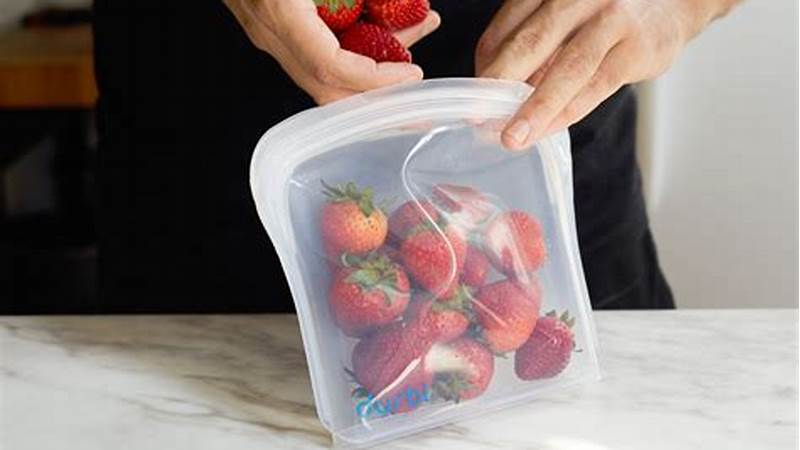
- Silicone Bags: These are a popular choice due to their durability, flexibility, and heat resistance. Silicone bags are often dishwasher-safe, microwave-safe, and freezer-safe, making them incredibly versatile. They are ideal for storing liquids, soups, and sauces, as well as solid foods.
- Fabric Bags (Cotton, Hemp, Linen): Fabric bags are a great option for storing dry goods like bread, nuts, and snacks. They are breathable, which helps to prevent mold and keep food fresh. Look for bags made from organic cotton or hemp for a more sustainable choice. These bags are usually washable, but may require air drying.
- Mesh Bags: Mesh bags are perfect for storing produce, as they allow for airflow and prevent condensation. They are lightweight and easy to carry, making them ideal for grocery shopping. Choose mesh bags made from organic cotton or recycled materials for an eco-friendly option.
- PEVA Bags: PEVA (polyethylene vinyl acetate) is a non-chlorinated vinyl material that is often used as a safer alternative to PVC. PEVA bags are typically waterproof and easy to clean, making them suitable for storing a variety of foods. However, they are not as durable as silicone bags and may not be heat-resistant.
- Reusable Sandwich Bags: These bags come in various materials (silicone, fabric, PEVA) and are specifically designed for packing sandwiches, wraps, and other lunch items. They often feature secure closures to prevent leaks and spills.
Choosing the Right Reusable Food Bags: Factors to Consider
With so many options available, selecting the perfect reusable food bags can feel overwhelming. Consider these factors to make the best choice for your lifestyle:
- Material: Choose materials that are food-grade, BPA-free, and durable. Consider the specific uses for the bags and select materials accordingly. For example, silicone is ideal for liquids and freezer storage, while fabric is best for dry goods.
- Size and Shape: Think about the types of food you’ll be storing and choose bags in appropriate sizes and shapes. Consider rectangular bags for sandwiches, larger bags for produce, and smaller bags for snacks.
- Closure Type: Look for bags with secure closures that will prevent leaks and spills. Options include zippers, snaps, Velcro, and drawstring closures. Silicone bags often feature airtight seals that are particularly effective.
- Ease of Cleaning: Choose bags that are easy to clean and maintain. Dishwasher-safe bags are a convenient option, but some materials may require hand washing. Consider how much time you’re willing to dedicate to cleaning.
- Durability: Invest in bags that are made from high-quality materials and designed to withstand repeated use. Look for reinforced seams and durable closures.
- Sustainability: Opt for bags made from sustainable materials like organic cotton, hemp, or recycled materials. Consider the overall environmental impact of the product, including its manufacturing process and end-of-life disposal.
Cleaning and Maintaining Reusable Food Bags: Ensuring Longevity
Proper cleaning and maintenance are essential for extending the lifespan of your reusable food bags and preventing the growth of bacteria. Follow these tips to keep your bags clean and fresh:
- Wash After Each Use: Clean your bags after each use to prevent food residue from building up and attracting bacteria.
- Follow Manufacturer’s Instructions: Always refer to the manufacturer’s instructions for cleaning and care. Some bags are dishwasher-safe, while others require hand washing.
- Hand Washing: If hand washing, use warm soapy water and a soft sponge or brush. Rinse thoroughly and allow to air dry completely.
- Dishwasher Cleaning: If dishwasher-safe, place the bags on the top rack to prevent damage from high heat.
- Drying: Ensure that the bags are completely dry before storing them to prevent mold and mildew growth. You can use a drying rack or hang them upside down to air dry.
- Removing Odors: If your bags develop odors, try soaking them in a solution of baking soda and water. You can also add a few drops of lemon juice or vinegar to help neutralize odors.
- Proper Storage: Store your bags in a clean, dry place when not in use. Avoid storing them in direct sunlight, which can cause the materials to degrade over time.

Beyond Food Storage: Creative Uses for Reusable Bags
Reusable food bags are not just for storing food; they can also be used for a variety of other purposes:
- Travel Organizer: Use them to organize toiletries, makeup, or small electronic devices when traveling.
- Snack Bags for Kids: Pack healthy snacks for your kids on the go.
- Wet Bag for Swimsuits: Use waterproof bags to store wet swimsuits or towels after swimming.
- First Aid Kit: Keep essential first aid supplies organized and easily accessible in a reusable food bag.
- Makeup Brush Holder: Store and protect your makeup brushes in a clean bag.
Where to Buy Reusable Food Bags
Reusable food bags are widely available at various retailers, including:
- Grocery Stores: Many grocery stores now carry a selection of reusable food bags.
- Online Retailers: Online marketplaces like Amazon and Etsy offer a vast selection of reusable food bags from various brands and sellers.
- Specialty Kitchen Stores: Kitchen stores often carry high-quality reusable food bags from reputable brands.
- Zero Waste Stores: Zero waste stores specialize in sustainable products, including reusable food bags.
Making the Switch: A Step-by-Step Guide
Transitioning to reusable food bags is a simple yet significant step towards a more sustainable lifestyle. Here’s a step-by-step guide to help you make the switch:
- Assess Your Needs: Determine the types of food you typically store and the sizes of bags you’ll need.
- Choose the Right Bags: Select bags that are made from food-grade materials, easy to clean, and durable.
- Start Small: Begin by replacing a few of your single-use plastic bags with reusable food bags.
- Develop a Routine: Make it a habit to pack your reusable food bags when you go grocery shopping or pack your lunch.
- Clean and Maintain: Wash your bags after each use and store them properly to ensure their longevity.
- Spread the Word: Encourage your friends and family to make the switch to reusable food bags as well.
[IMAGE_PROMPT: A person packing a reusable grocery bag with various reusable food bags filled with produce at a farmer’s market. Focus on the vibrant colors of the fruits and vegetables.]
Conclusion: Embrace Sustainable Food Storage with Reusable Food Bags
Switching to reusable food bags is a powerful way to reduce your environmental impact, save money, and keep your food fresher for longer. By understanding the benefits, exploring the different types, and following the tips outlined in this guide, you can make an informed decision and embrace a more sustainable approach to food storage. Start small, develop a routine, and encourage others to join you on this journey towards a greener future. Every small change makes a difference, and choosing reusable food bags is a simple yet impactful step you can take today.
Table of Contents
reusable food bags: practical overview
Sourcing and support
Explore VN Plastic packaging products, review independent information from an authoritative environmental resource, or contact VN Plastic for a tailored specification and quotation.