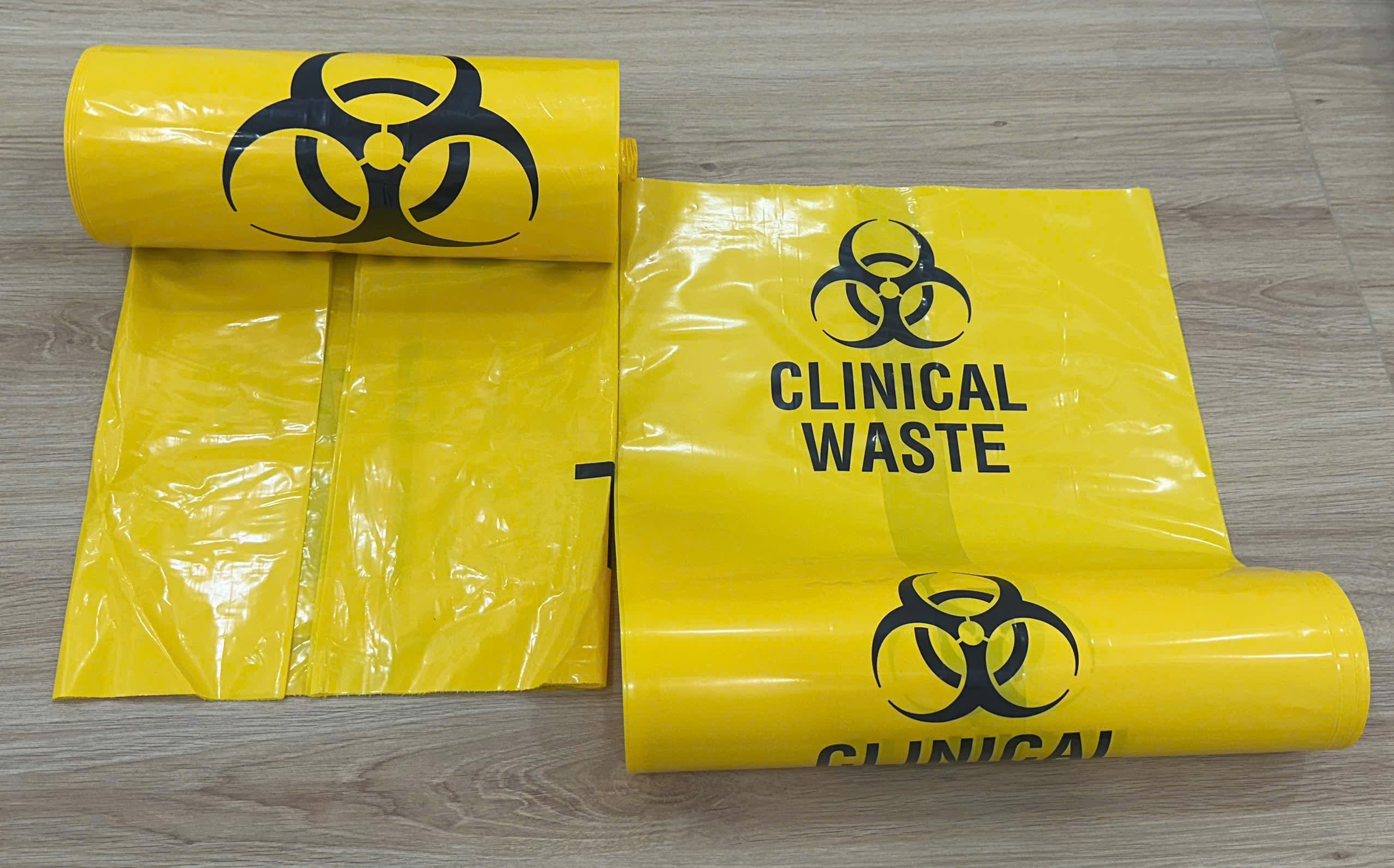
shrink wrap supplier is covered here with practical information for packaging buyers, converters and distributors.
Shrink wrap is a versatile material used across numerous industries for packaging, protection, and bundling. Its ability to conform tightly to the shape of the object it covers makes it an ideal solution for a wide range of applications. This comprehensive guide will delve into the various types of shrink wrap, their uses, and best practices for achieving optimal results.
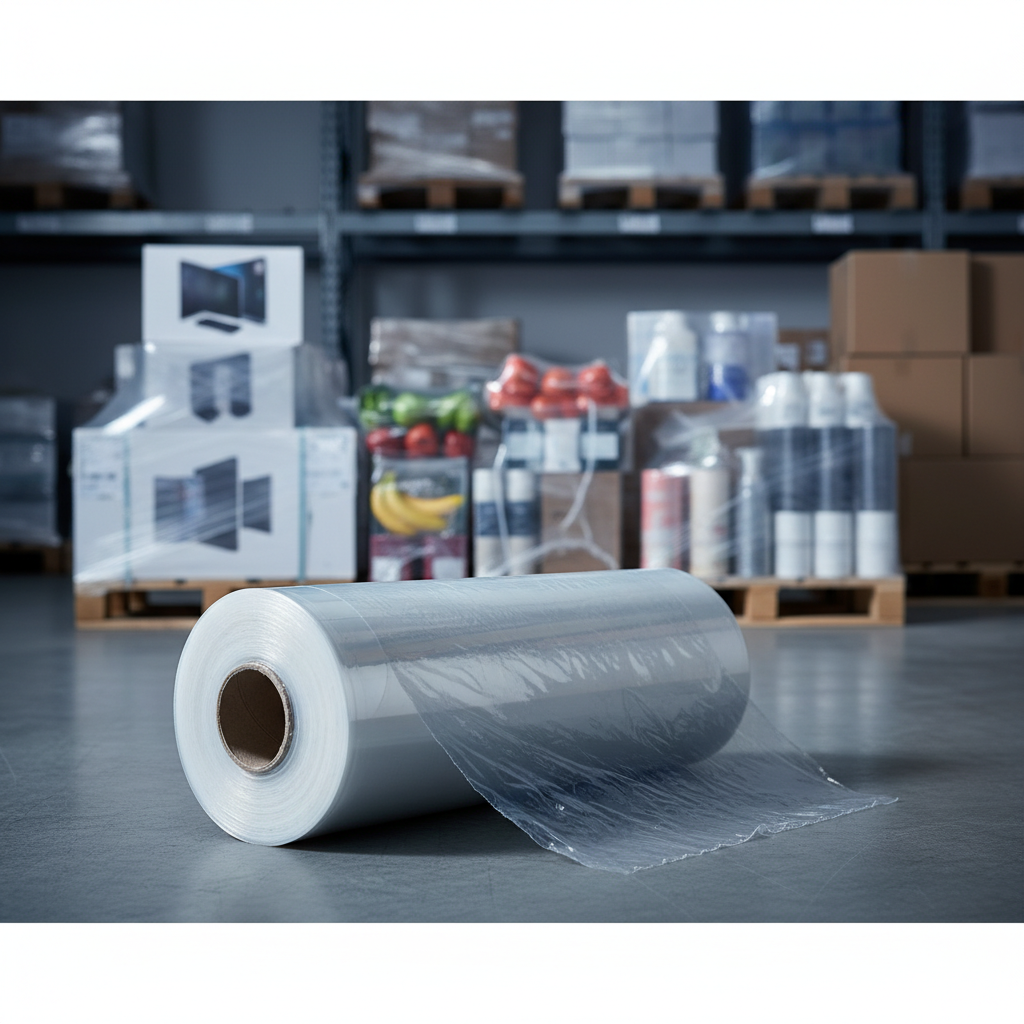
A roll of clear shrink wrap with various packaged products in the background, showcasing its versatility.
Understanding Shrink Wrap
What is Shrink Wrap?
Shrink wrap, also known as shrink film, is a polymer plastic film that shrinks tightly over whatever it is covering when heated. This shrinking action provides a secure and protective layer. The film is typically made from polyethylene (PE), polyvinyl chloride (PVC), or polyolefin (POF).
The Science Behind Shrink Wrap
The shrinking process occurs because the film is stretched during manufacturing. When heat is applied, the polymer chains relax and attempt to return to their original, unstretched state, causing the film to shrink. This process ensures a snug fit around the product, offering protection from dust, moisture, and tampering.
Types of Shrink Wrap
Polyethylene (PE) Shrink Wrap
Polyethylene shrink wrap is a common choice for heavier items due to its strength and durability. It is often used for wrapping pallets of products, boats, and other large objects.
- Pros: High tensile strength, good puncture resistance, recyclable.
- Cons: Can be less clear than other types, requires higher temperatures for shrinking.
- Common Uses: Pallet wrapping, boat covering, construction materials.
Polyvinyl Chloride (PVC) Shrink Wrap
PVC shrink wrap was one of the earliest types of shrink film available. While still used, it is becoming less common due to environmental concerns and the availability of more eco-friendly alternatives.
- Pros: Excellent clarity, good shrink rate, lower cost.
- Cons: Emits fumes when heated, less environmentally friendly, becomes brittle in cold temperatures.
- Common Uses: CD packaging, small consumer goods, bundling.
Polyolefin (POF) Shrink Wrap
Polyolefin shrink wrap is a food-grade material known for its excellent clarity, strength, and versatility. It is a popular choice for packaging food products, pharmaceuticals, and retail goods.
- Pros: Food-safe, high clarity, strong seals, good shrink rate, recyclable.
- Cons: Can be more expensive than PVC, requires precise temperature control.
- Common Uses: Food packaging, retail products, pharmaceuticals.
Applications of Shrink Wrap
Packaging and Bundling
One of the primary uses of shrink wrap is for packaging and bundling products. It helps to keep items together, protect them from damage, and provide a tamper-evident seal.
- Food and Beverage: Wrapping food items like fruits, vegetables, and bottled beverages.
- Retail: Bundling items for sale, such as multipacks of canned goods or promotional items.
- Industrial: Securing parts and components for shipping and storage.
Protection and Preservation
Shrink wrap provides a protective barrier against the elements, making it ideal for preserving items during storage or transportation.
- Weather Protection: Covering outdoor equipment, boats, and vehicles to protect them from rain, snow, and UV damage.
- Dust and Moisture Barrier: Protecting sensitive items from dust, dirt, and moisture during storage.
- Corrosion Prevention: Wrapping metal parts to prevent rust and corrosion.
Tamper Evidence
Shrink wrap provides a clear indication if a product has been tampered with, helping to ensure product integrity and consumer safety.
- Food Safety: Ensuring food products have not been opened or contaminated.
- Pharmaceuticals: Protecting medications from tampering and counterfeiting.
- Electronics: Sealing electronic devices to prevent damage or theft.
Best Practices for Using Shrink Wrap
Choosing the Right Type of Shrink Wrap
Selecting the appropriate type of shrink wrap is crucial for achieving the desired results. Consider the following factors:
- Product Type: Different products require different levels of protection and clarity.
- Environmental Conditions: Consider temperature, humidity, and UV exposure.
- Budget: Balance cost with performance requirements.
Proper Equipment and Techniques
Using the right equipment and techniques is essential for efficient and effective shrink wrapping.
- Heat Guns: Use a heat gun designed for shrink wrapping to ensure even heat distribution.
- Shrink Wrap Machines: For high-volume applications, consider using a shrink wrap machine.
- Sealing: Ensure proper sealing to prevent the wrap from tearing or coming loose.
Safety Precautions
Always follow safety guidelines when working with shrink wrap and heat guns.
- Ventilation: Work in a well-ventilated area to avoid inhaling fumes.
- Heat Protection: Wear gloves and eye protection to prevent burns and injuries.
- Fire Safety: Keep flammable materials away from heat sources.

A person using a heat gun to shrink wrap a package in a well-ventilated area, wearing safety gloves and eye protection.
Conclusion
Shrink wrap is an indispensable material in modern packaging and protection. Understanding the different types of shrink wrap, their applications, and best practices is essential for maximizing its benefits. Whether you are packaging food, protecting equipment, or ensuring product integrity, shrink wrap offers a versatile and reliable solution. By following the guidelines outlined in this guide, you can achieve optimal results and ensure your products are well-protected.
Table of Contents
shrink wrap supplier: practical overview
Ask for a representative shrink wrap supplier sample when testing a new application.
Document the approved shrink wrap supplier requirements for repeat orders.
Compare shrink wrap supplier options using total application cost, not unit price alone.
shrink wrap supplier specifications should always be confirmed before mass production.
Ask for a representative shrink wrap supplier sample when testing a new application.
Document the approved shrink wrap supplier requirements for repeat orders.
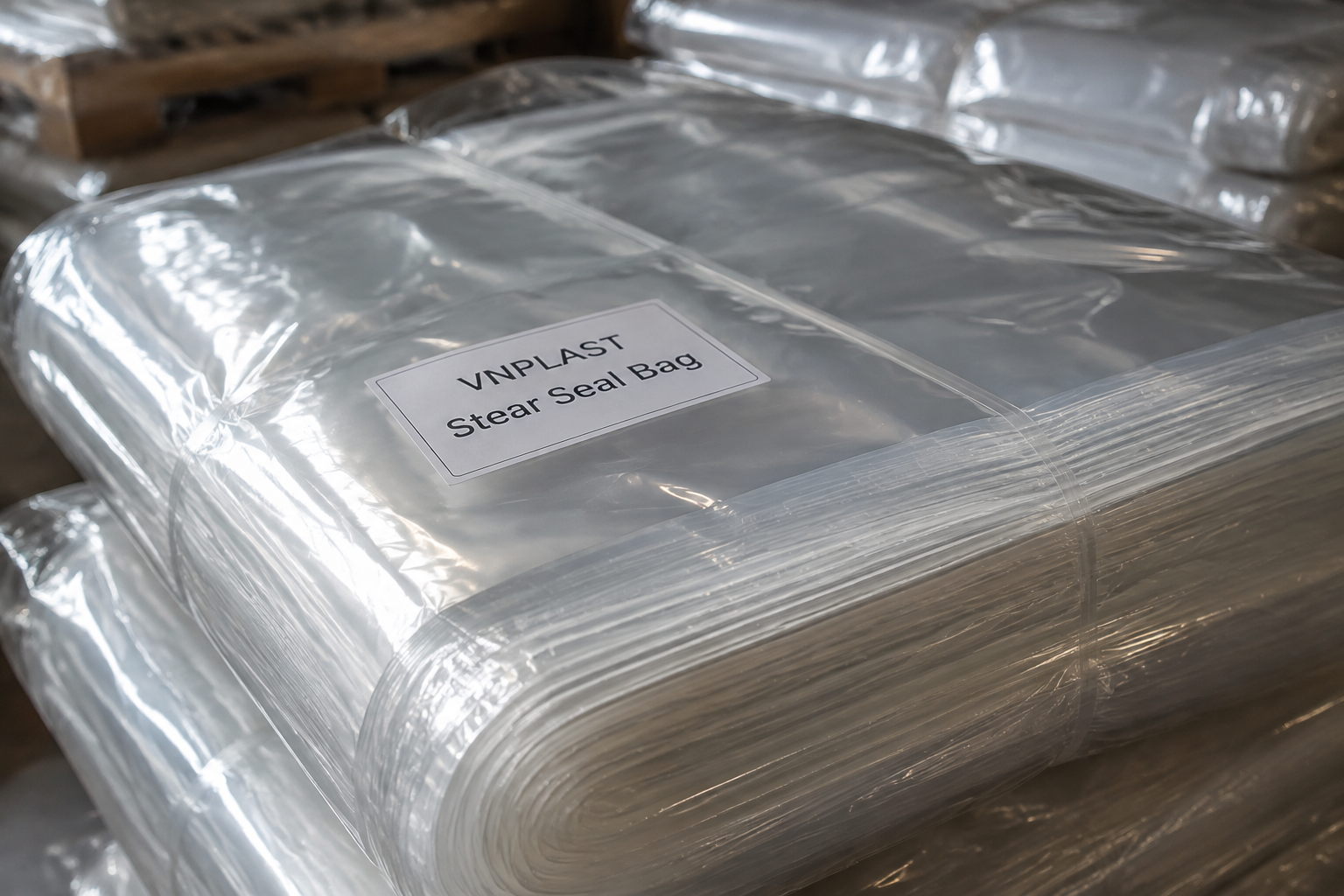
Sourcing and support
Explore VN Plastic packaging products, review independent information from an authoritative environmental resource, or contact VN Plastic for a tailored specification and quotation.