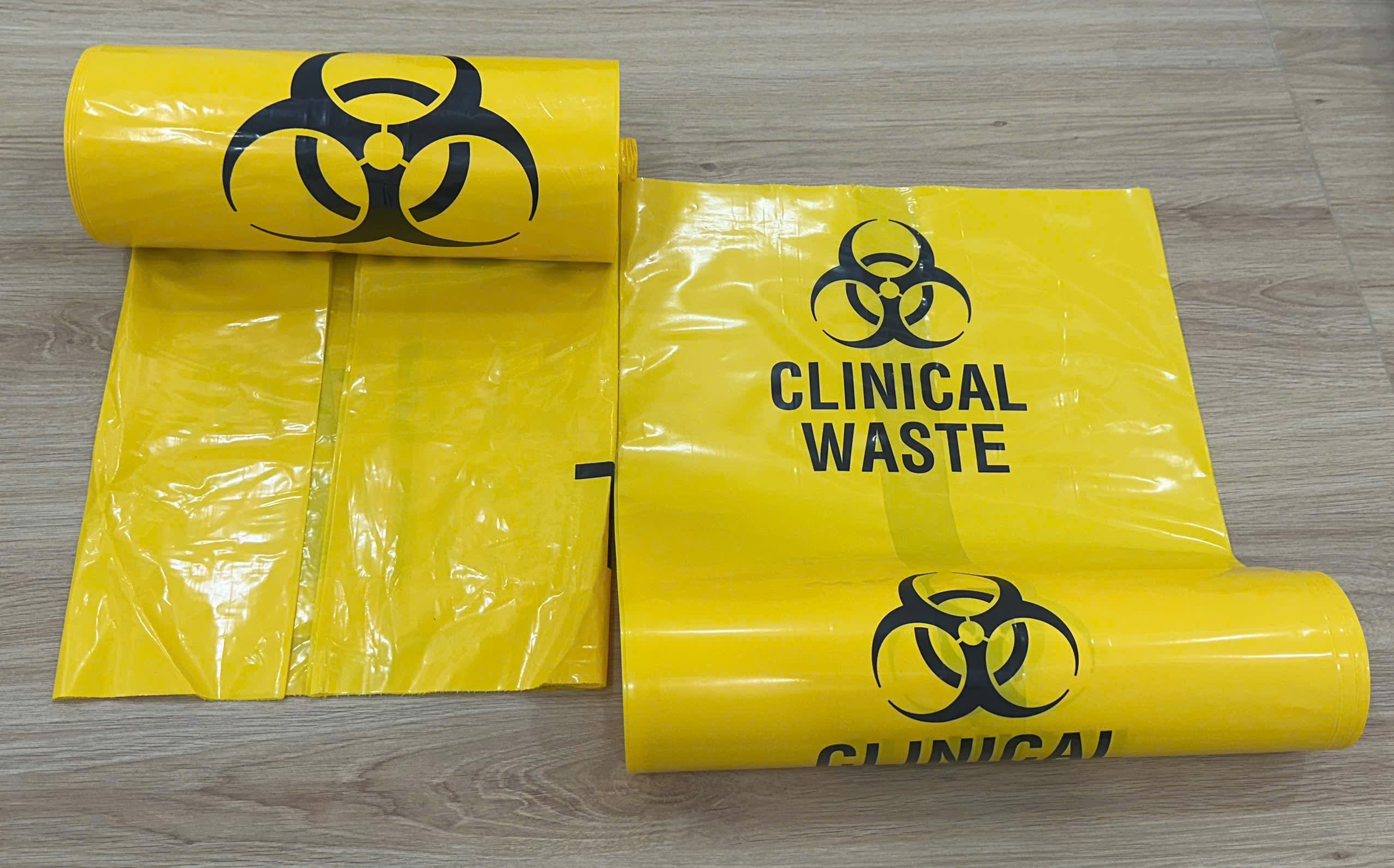
Proper hazardous waste disposal is crucial for protecting human health and the environment. Selecting the appropriate hazardous waste disposal bags is a vital step in this process. These specialized bags are designed to safely contain and transport various types of hazardous materials, preventing leaks, spills, and potential contamination. This guide provides a comprehensive overview of hazardous waste disposal bags, covering types, regulations, selection criteria, and best practices for their use.
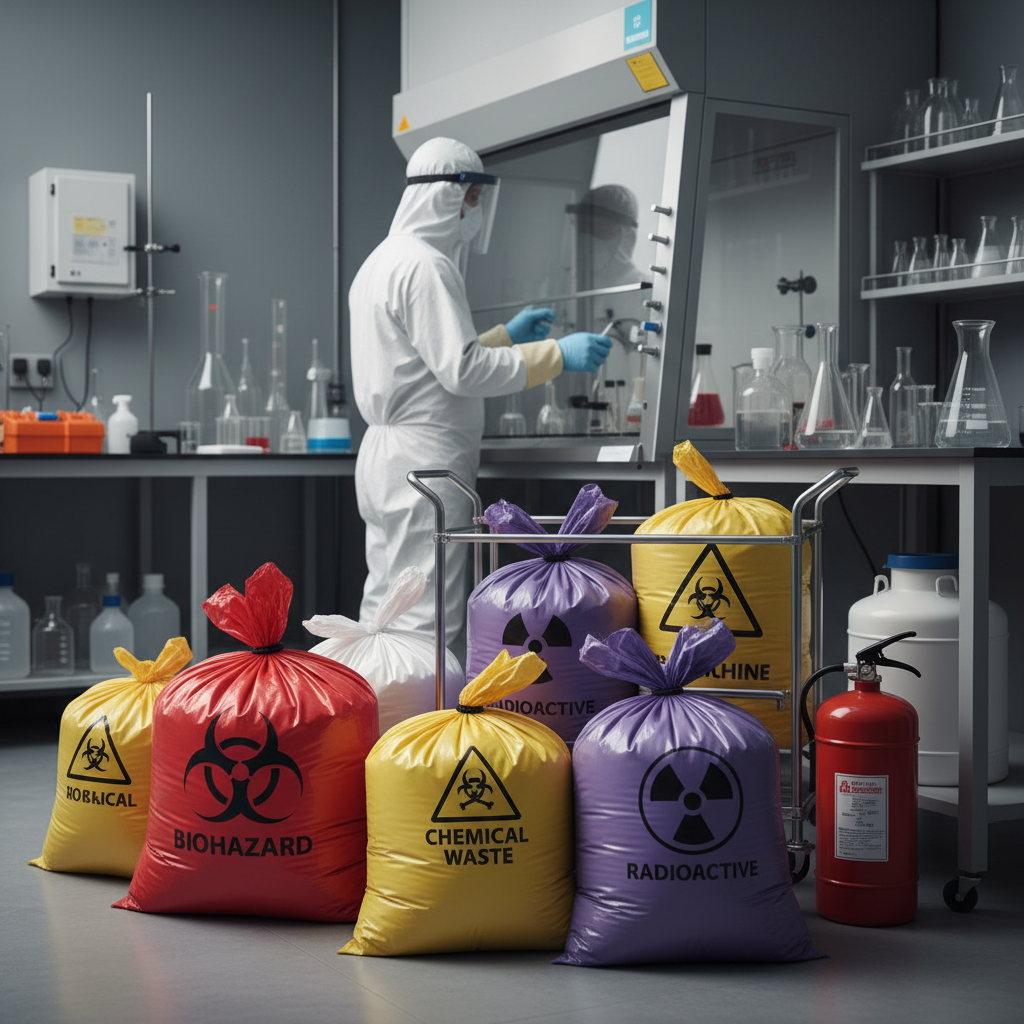
A variety of hazardous waste disposal bags, clearly labeled with different hazard symbols (biohazard, chemical, radioactive), shown in a laboratory setting with appropriate safety equipment.
Understanding Hazardous Waste
What Constitutes Hazardous Waste?
Hazardous waste is defined as waste that poses substantial or potential threats to public health or the environment. It typically exhibits one or more of the following characteristics:
- Ignitability: Can easily catch fire.
- Corrosivity: Can corrode or dissolve materials.
- Reactivity: Unstable and may explode or react violently with water.
- Toxicity: Harmful or fatal when ingested, absorbed, or inhaled.
Examples of hazardous waste include:
- Chemicals (solvents, acids, bases)
- Medical waste (sharps, infectious materials)
- Radioactive materials
- Pesticides
- Batteries
- Electronic waste (e-waste)
Types of Hazardous Waste Disposal Bags
Hazardous waste disposal bags are available in various materials, sizes, and thicknesses to accommodate different types of waste. Here’s an overview of common types:
Polyethylene (PE) Bags
Polyethylene bags are widely used for general hazardous waste disposal. They offer good chemical resistance and are available in different densities:
- Low-Density Polyethylene (LDPE): Flexible and puncture-resistant, suitable for softer waste materials.
- High-Density Polyethylene (HDPE): Stronger and more chemical-resistant than LDPE, ideal for heavier or more corrosive waste.
Polypropylene (PP) Bags
Polypropylene bags provide excellent tensile strength and chemical resistance, making them suitable for sharp or abrasive waste materials. They are often used for asbestos disposal.
Biohazard Bags
Biohazard bags are specifically designed for the disposal of infectious medical waste. They are typically red or orange and clearly marked with the biohazard symbol. These bags must meet specific regulatory requirements for strength and leak resistance.
Radioactive Waste Bags
Radioactive waste bags are designed to contain radioactive materials and prevent contamination. They are typically made of heavy-duty polyethylene and may have lead shielding to minimize radiation exposure.
Chemically Resistant Bags
Chemically resistant bags are constructed from materials that can withstand prolonged exposure to specific chemicals without degrading. The choice of material depends on the type of chemicals being handled.
Key Considerations When Selecting Hazardous Waste Disposal Bags
Choosing the right hazardous waste disposal bags requires careful consideration of several factors:
Type of Waste
The most critical factor is the type of waste being disposed of. Different types of waste require different bag materials and thicknesses. Consult safety data sheets (SDS) and regulatory guidelines to determine the appropriate bag for each type of waste.
Bag Thickness and Strength
Bag thickness is measured in mils (thousandths of an inch). Thicker bags offer greater puncture and tear resistance. Consider the weight and sharpness of the waste when selecting bag thickness. For sharp objects like needles, use puncture-resistant bags.
Chemical Compatibility
Ensure the bag material is compatible with the chemicals being disposed of. Incompatible materials can degrade, leading to leaks and spills. Consult chemical compatibility charts or contact the bag manufacturer for guidance.
Size and Capacity
Choose a bag size that is appropriate for the volume of waste being generated. Avoid overfilling bags, as this can increase the risk of tearing or spilling. Leave sufficient space at the top of the bag for sealing.
Regulatory Compliance
Hazardous waste disposal bags must comply with relevant federal, state, and local regulations. These regulations may specify requirements for bag material, labeling, and disposal procedures. Ensure the bags you choose meet all applicable requirements.
Color Coding and Labeling
Use color-coded bags to segregate different types of hazardous waste. For example, red bags are typically used for biohazardous waste, while yellow bags may be used for chemotherapy waste. Clearly label each bag with the type of waste it contains, hazard warnings, and the date of disposal.
Safe Handling and Disposal Practices
Proper handling and disposal of hazardous waste disposal bags are essential to prevent accidents and protect the environment:
- Wear appropriate personal protective equipment (PPE): Gloves, eye protection, and respiratory protection may be required when handling hazardous waste.
- Avoid overfilling bags: Overfilled bags are more likely to tear or spill.
- Seal bags tightly: Use a secure closure method, such as a zip tie or tape, to prevent leaks.
- Store bags in a designated area: Store filled bags in a secure, well-ventilated area away from incompatible materials.
- Follow proper disposal procedures: Dispose of hazardous waste according to applicable regulations. This may involve transporting the waste to a licensed treatment, storage, and disposal facility (TSDF).
- Train personnel: Provide comprehensive training to all employees who handle hazardous waste. Training should cover proper handling, storage, and disposal procedures, as well as emergency response procedures.

A worker in full PPE (gloves, mask, eye protection, suit) carefully sealing a red biohazard bag in a laboratory setting, with a clear biohazard label visible on the bag.
Conclusion
Selecting the right hazardous waste disposal bags is a critical component of a comprehensive hazardous waste management program. By understanding the different types of bags available, considering key selection criteria, and following safe handling and disposal practices, you can minimize the risk of accidents, protect human health, and safeguard the environment. Always consult with regulatory agencies and hazardous waste management professionals to ensure compliance with all applicable requirements.
Table of Contents
hazardous waste disposal bags: practical overview
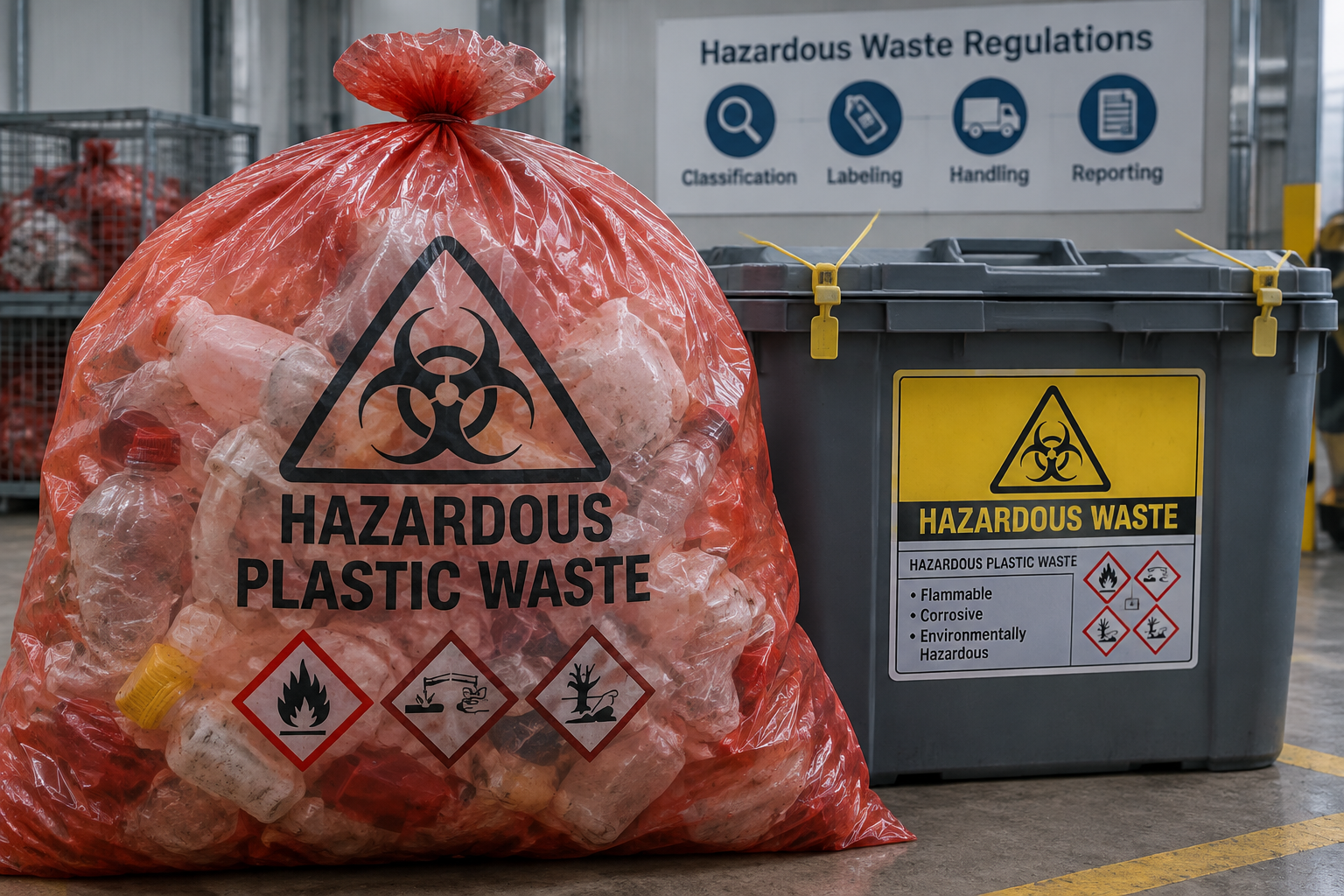
Sourcing and support
Explore VN Plastic packaging products, review independent information from an authoritative environmental resource, or contact VN Plastic for a tailored specification and quotation.