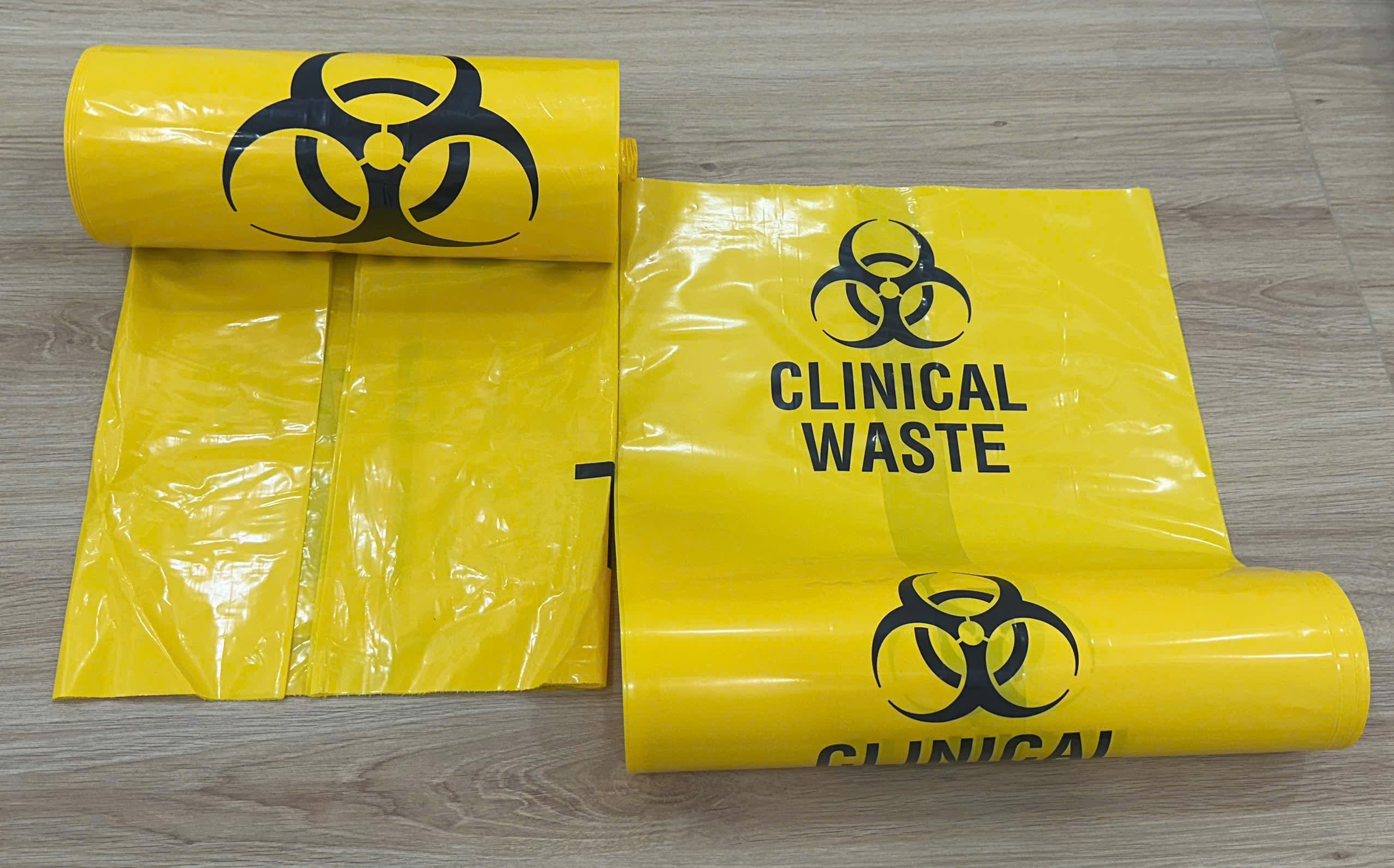
Selecting the appropriate pallet wrap machine film is crucial for businesses aiming to optimize their packaging processes, ensure load stability, and minimize costs. With a plethora of options available, understanding the different types of films, their properties, and their applications is essential. This guide provides a detailed overview of pallet wrap machine film, helping you make informed decisions that align with your specific needs.
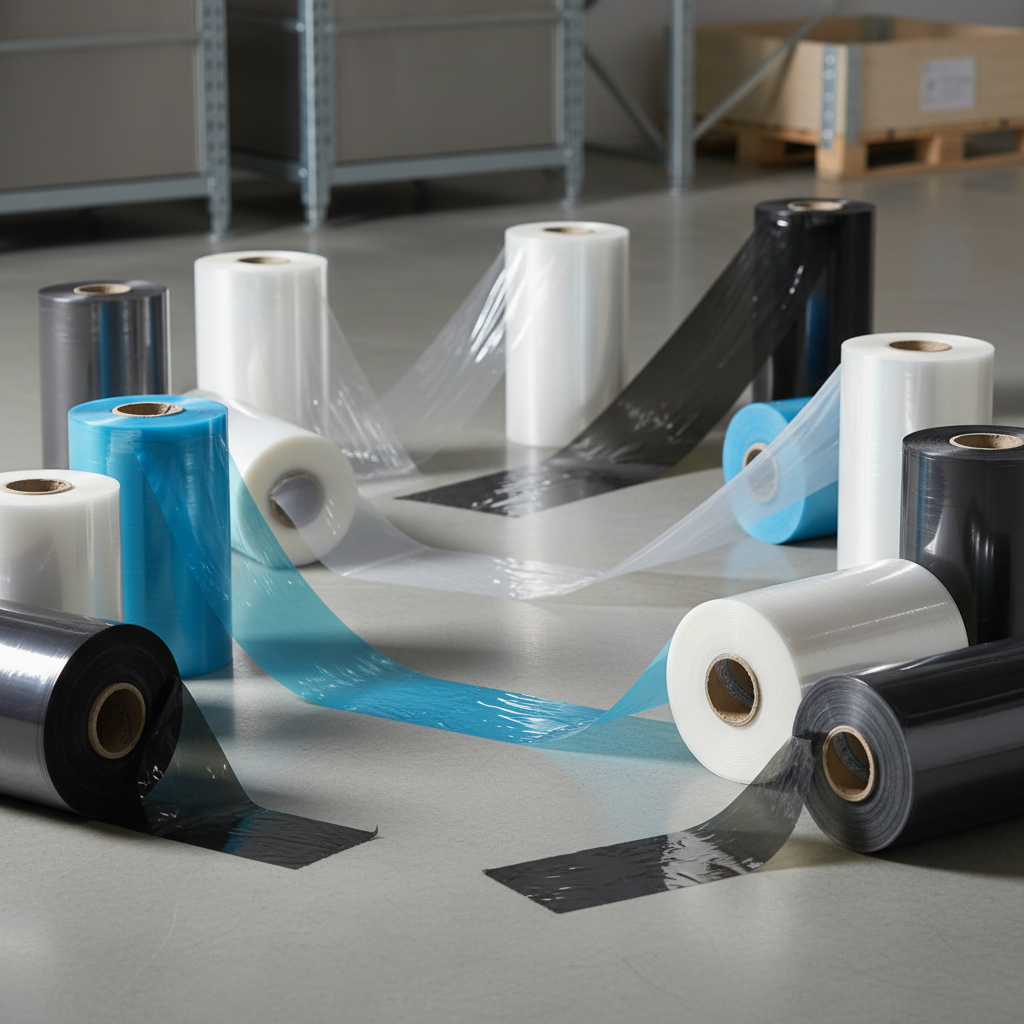
A variety of pallet wrap machine films on rolls, showcasing different colors and thicknesses, with a focus on transparency and stretchability.
Understanding Pallet Wrap Machine Film
What is Pallet Wrap Machine Film?
Pallet wrap machine film, also known as stretch film, is a highly stretchable plastic film used to wrap and secure goods on pallets. It is designed to cling tightly to itself, providing a secure and stable load for transportation and storage. Machine film is specifically engineered for use with pallet wrapping machines, ensuring consistent and efficient wrapping.
Key Properties of Pallet Wrap Machine Film
- Stretchability: The ability of the film to stretch and conform to the shape of the load. Higher stretchability translates to better load containment and reduced film consumption.
- Tear Resistance: The film’s resistance to tearing or puncturing during application and transit. High tear resistance is crucial for protecting valuable goods.
- Cling: The film’s ability to adhere to itself, creating a secure and tight wrap. Good cling ensures that the load remains stable throughout the supply chain.
- Gauge (Thickness): Measured in mils or microns, gauge determines the film’s thickness and strength. Thicker films offer greater protection but may also be more expensive.
- Clarity: The transparency of the film, allowing for easy identification of the wrapped goods. High clarity is important for inventory management and visual inspection.
- UV Resistance: Some films are treated to resist degradation from ultraviolet (UV) rays, making them suitable for outdoor storage.
Types of Pallet Wrap Machine Film
Cast Film
Cast film is produced by extruding molten plastic onto a chilled roller, resulting in a film with excellent clarity, quiet unwind, and consistent thickness. It is a popular choice for a wide range of applications.
- Advantages:
- Excellent clarity
- Quiet unwind
- Consistent thickness
- Good cling
- Disadvantages:
- Lower tear resistance compared to blown film
- Can be more expensive than blown film
Blown Film
Blown film is manufactured by extruding molten plastic through a circular die, creating a bubble that is then cooled and collapsed. This process results in a film with superior tear resistance and holding force.
- Advantages:
- High tear resistance
- Excellent holding force
- Good for irregular loads
- More economical than cast film
- Disadvantages:
- Lower clarity compared to cast film
- Noisier unwind
- Less consistent thickness
Pre-Stretched Film
Pre-stretched film is stretched during the manufacturing process, reducing the amount of stretch required during application. This can lead to significant cost savings and improved load containment.
- Advantages:
- Reduced film consumption
- Improved load containment
- Lower application force
- Consistent stretch
- Disadvantages:
- Higher initial cost
- Requires specific pre-stretch wrapping machines
Colored and Opaque Film
Colored and opaque films are used to conceal the contents of the pallet, providing security and preventing theft. They are available in a variety of colors, allowing for easy identification and branding.
- Advantages:
- Conceals contents
- Provides security
- Allows for color-coding and branding
- UV protection (depending on the color)
- Disadvantages:
- Reduced visibility of contents
- May be more expensive than clear film
Specialty Films
Specialty films are designed for specific applications, such as freezer-grade films for cold storage environments, vented films for loads that require ventilation, and anti-static films for protecting sensitive electronic components.
- Examples:
- Freezer-grade film
- Vented film
- Anti-static film
- UV-resistant film
Factors to Consider When Choosing Pallet Wrap Machine Film
- Load Type: Consider the weight, size, and shape of the load. Irregular or heavy loads may require thicker or higher-strength films.
- Application Method: Determine whether you are using a semi-automatic or fully automatic wrapping machine. Different machines may have specific film requirements.
- Environmental Conditions: Consider the temperature, humidity, and UV exposure of the storage and transportation environment.
- Cost: Balance the cost of the film with its performance and durability. Consider the long-term cost savings associated with reduced film consumption and improved load containment.
- Sustainability: Explore eco-friendly options, such as recycled or biodegradable films, to reduce your environmental impact.
How to Optimize Pallet Wrapping for Cost Efficiency
- Proper Machine Settings: Adjust the tension and overlap settings on your pallet wrapping machine to optimize film usage.
- Regular Maintenance: Keep your pallet wrapping machine in good working order to prevent film breaks and ensure consistent wrapping.
- Operator Training: Train your operators on proper wrapping techniques to minimize film waste and maximize load stability.
- Film Selection: Choose the right film for your specific application to avoid overspending on unnecessary features.
- Inventory Management: Monitor your film inventory levels to avoid stockouts and ensure that you are using the most cost-effective film available.
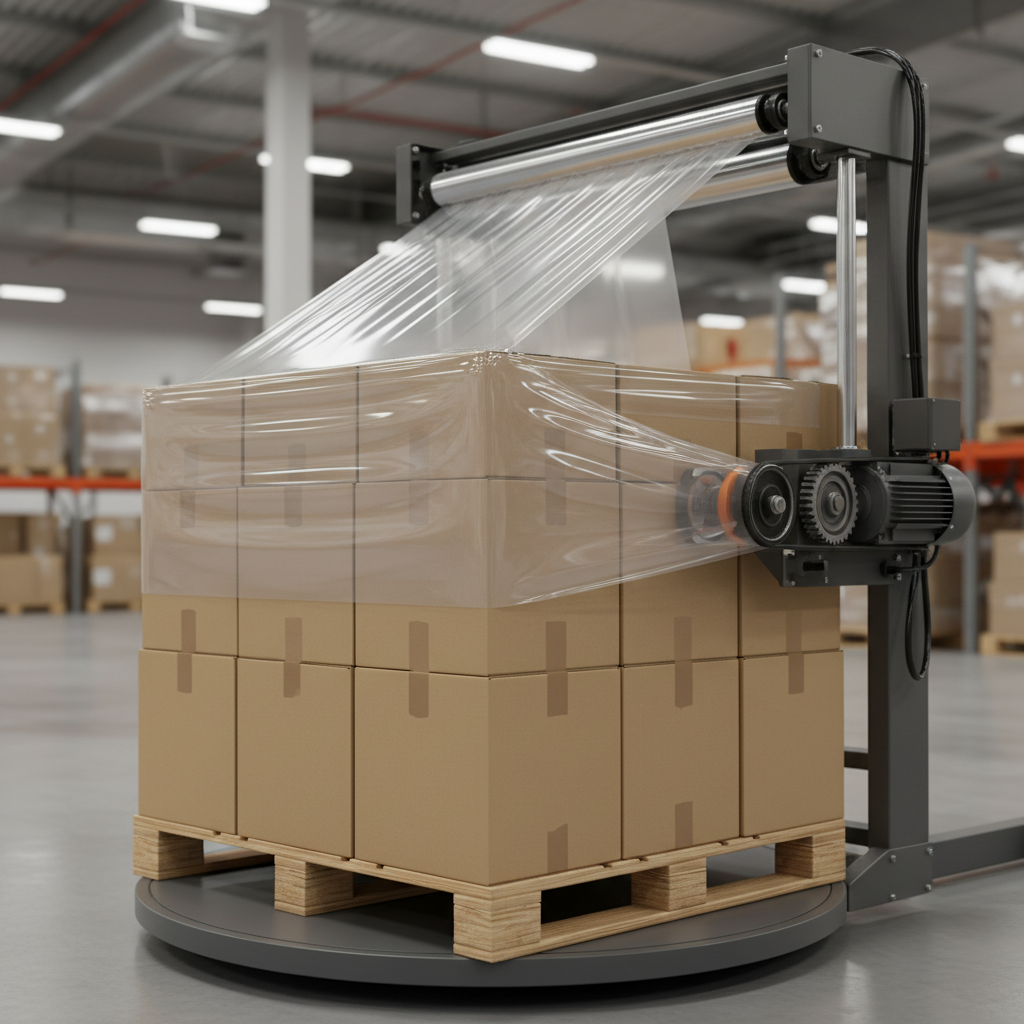
A pallet wrapping machine in operation, securely wrapping a pallet of boxes with clear stretch film. Focus on the machine’s mechanics and the tight, even wrapping of the pallet.
Conclusion
Selecting the right pallet wrap machine film is a critical decision that can significantly impact your packaging efficiency, load security, and overall costs. By understanding the different types of films, their properties, and the factors that influence their performance, you can make informed choices that optimize your pallet wrapping process and protect your valuable goods. Investing in high-quality film and implementing best practices for pallet wrapping will ensure that your products arrive safely and securely at their destination.
Table of Contents
pallet wrap machine film: practical overview
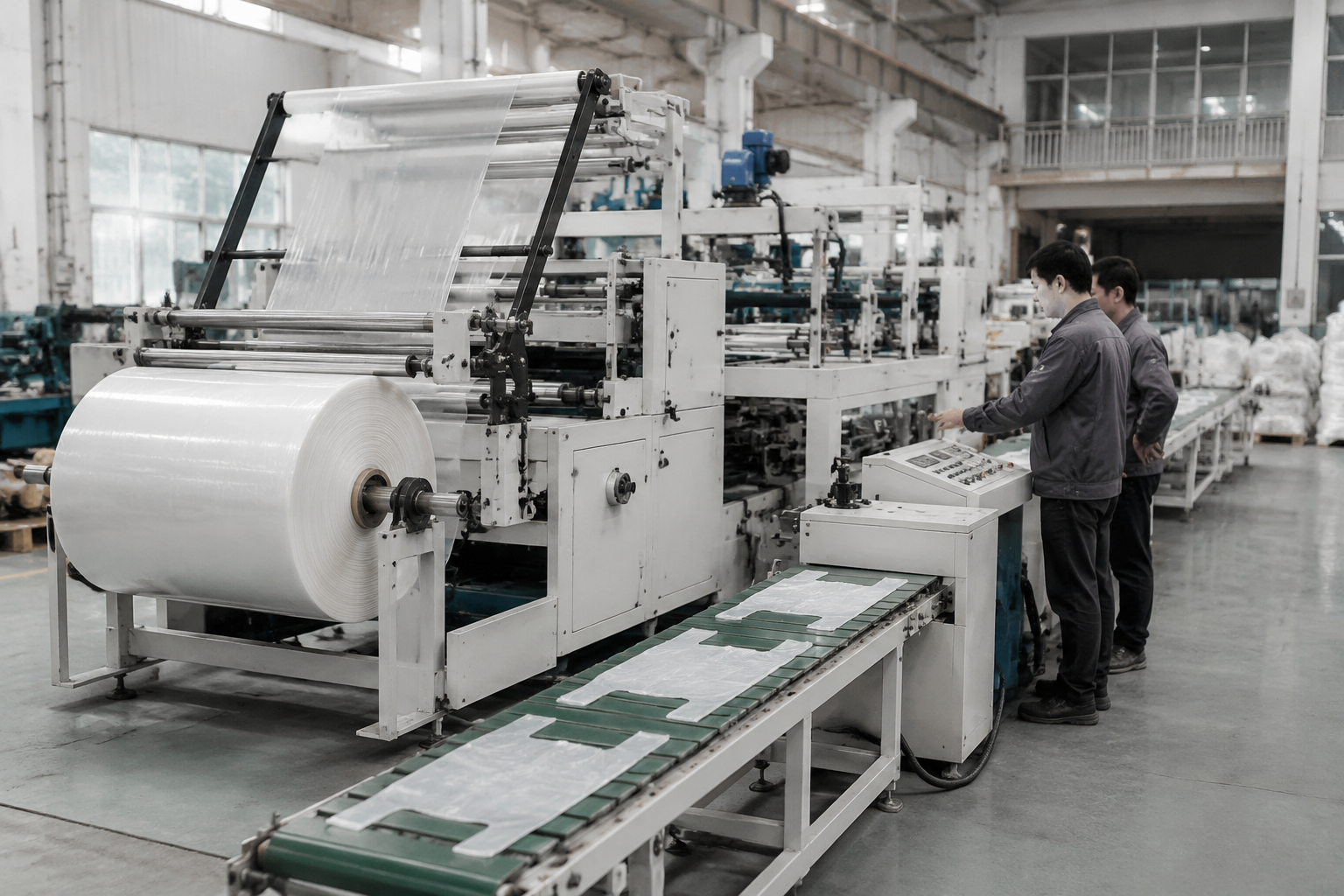
Sourcing and support
Explore VN Plastic packaging products, review independent information from an authoritative environmental resource, or contact VN Plastic for a tailored specification and quotation.