biohazard bags supplier is covered here with practical information for packaging buyers, converters and distributors.
Biohazard bags play a critical role in healthcare, laboratories, veterinary clinics, research facilities, and many other environments where infectious or potentially hazardous waste must be handled safely. From protecting staff and patients to supporting regulatory compliance, the right biohazard bags help reduce contamination risks and improve overall waste management practices.
Whether you are purchasing supplies for a hospital, managing a dental office, operating a diagnostic lab, or reviewing workplace safety procedures, understanding how biohazard bags work is essential. In this guide, we will cover what biohazard bags are, the different types available, key features to look for, compliance considerations, common applications, and best practices for safe disposal.
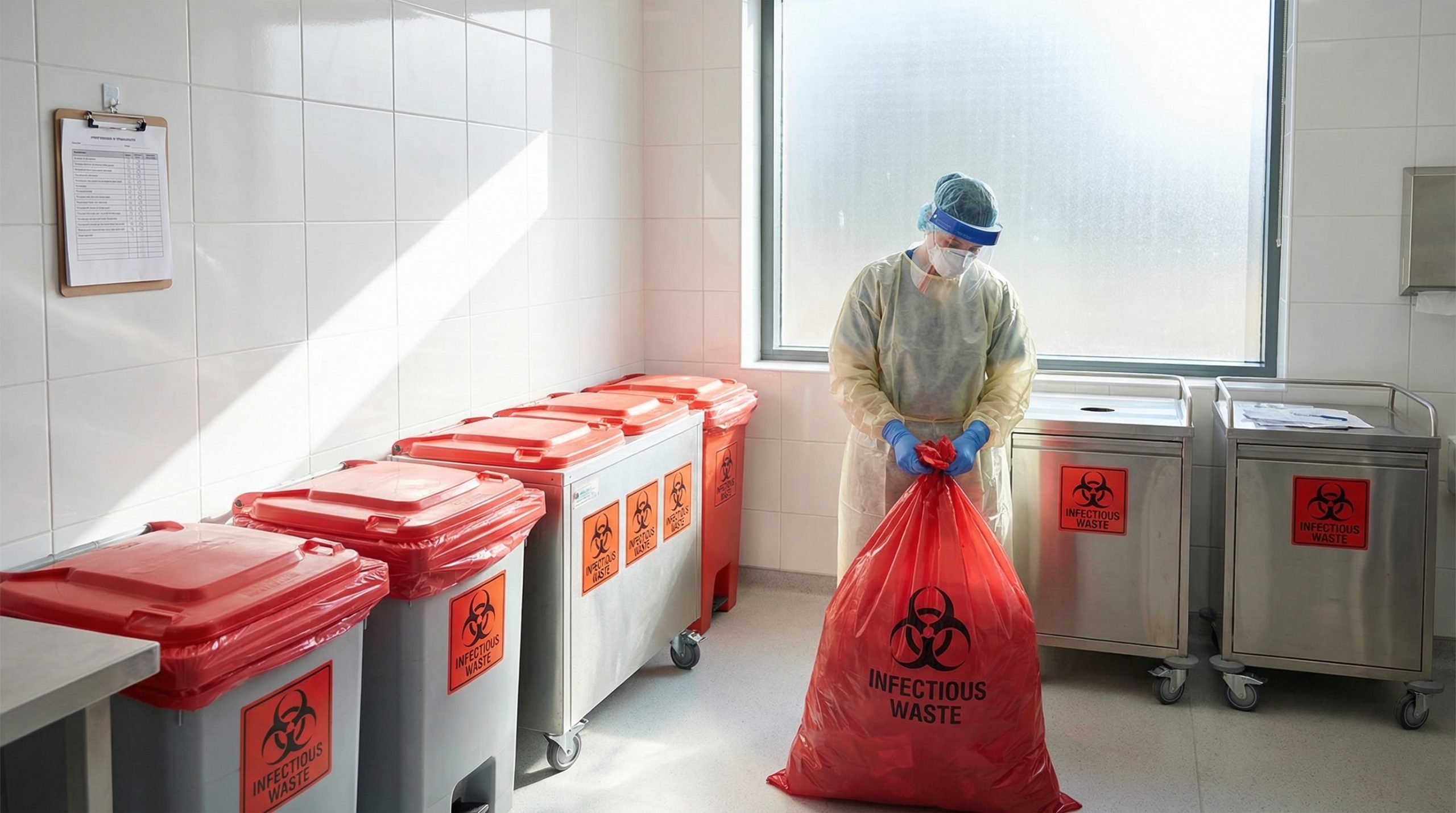
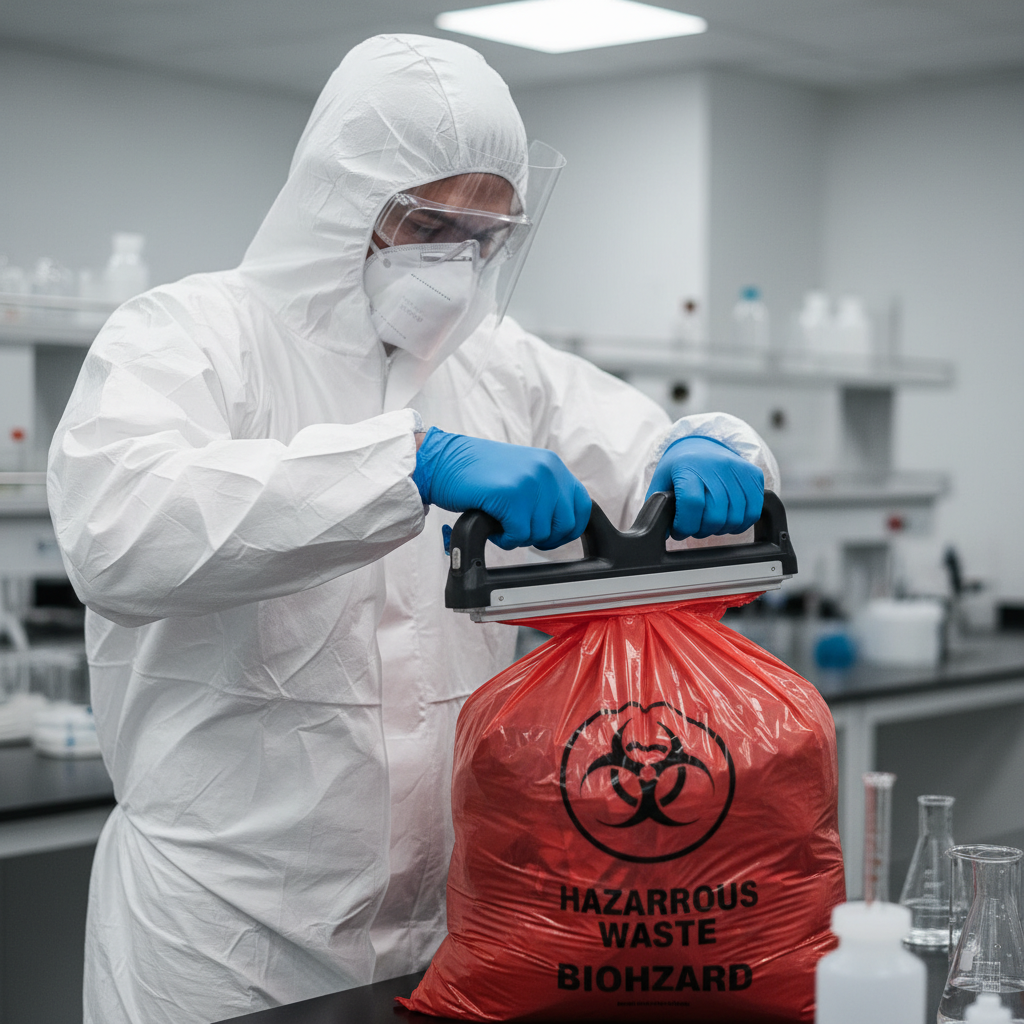
A clean hospital waste management room with clearly labeled red biohazard bags in medical waste containers, staff wearing PPE, strong light…
Alt text: Red biohazard bags in a hospital waste segregation area with medical staff using PPE.
What Are Biohazard Bags?
Biohazard bags are specially marked waste bags used to collect, store, and transport materials contaminated with infectious or potentially infectious substances. These bags are commonly used for waste that may contain blood, bodily fluids, microbiological waste, contaminated PPE, pathological materials, or other regulated medical waste.
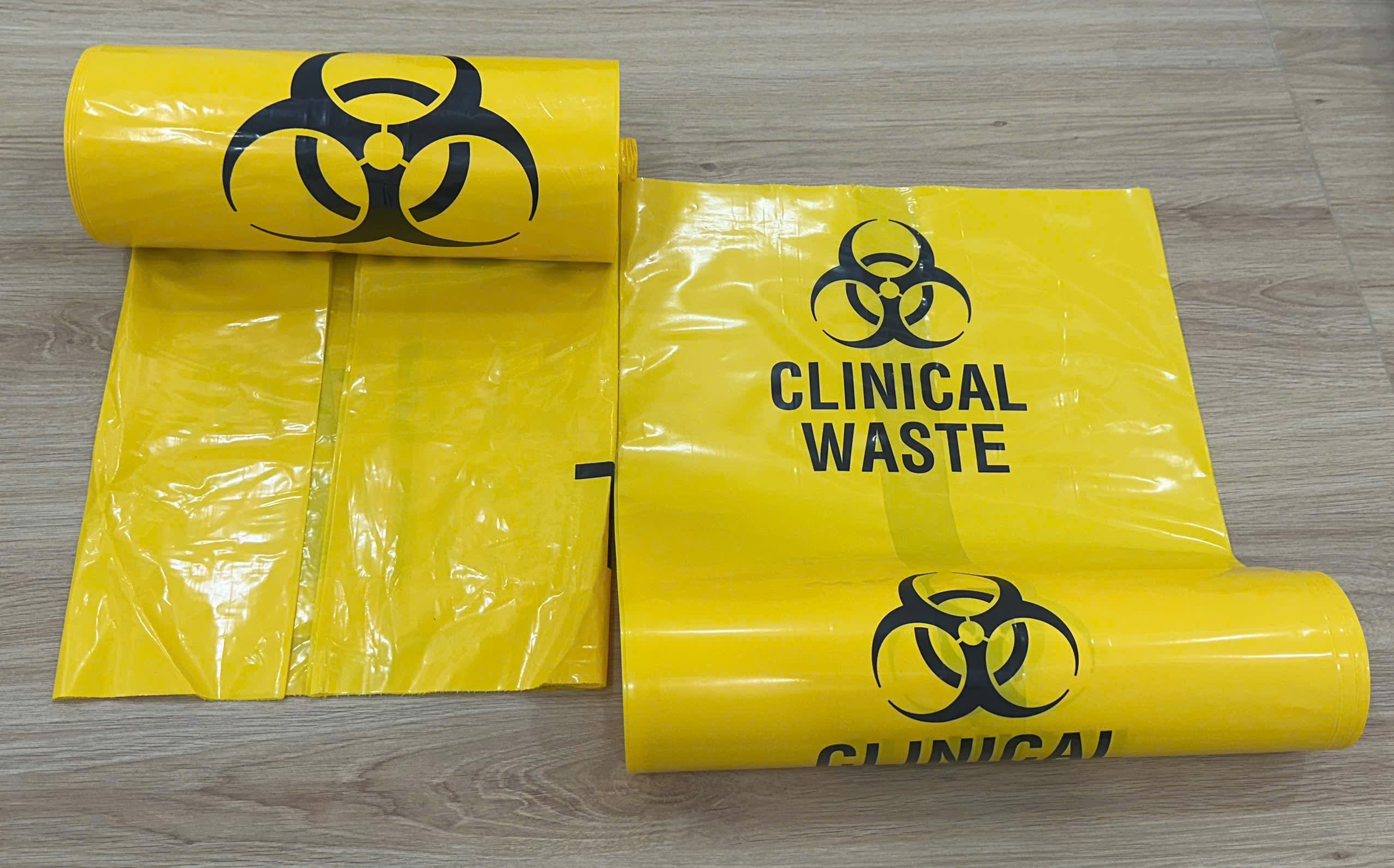
Unlike ordinary trash liners, biohazard bags are designed to be highly visible and clearly identified. Most feature the universally recognized biohazard symbol and are manufactured in colors such as red, yellow, or orange, depending on facility protocols and local regulations.
Why Biohazard Bags Matter
Using compliant biohazard bags is important because they help:
– Prevent cross-contamination in medical and laboratory settings
– Protect healthcare workers, sanitation teams, and waste handlers
– Support OSHA and other regulatory requirements
– Improve waste segregation and disposal accuracy
– Reduce exposure risks during storage and transportation
In short, biohazard bags are not just packaging products. They are a core part of a safe and compliant infection control strategy.
Common Types of Biohazard Bags
Not all biohazard bags are the same. The right bag depends on the type of waste, the environment, and the disposal method.
1. Red Biohazard Bags
Red biohazard bags are the most widely recognized option for regulated medical waste. They are commonly used for:
– Blood-soaked bandages
– Contaminated gloves and gowns
– Disposable tubing
– Laboratory cultures
– Non-sharp infectious waste
These biohazard bags are frequently found in hospitals, outpatient centers, urgent care clinics, and research labs.
2. Autoclave Biohazard Bags
Autoclave-safe biohazard bags are designed to withstand high-temperature sterilization processes. These bags are commonly used in laboratories and research facilities where waste must be sterilized before final disposal.
Key benefits include:
– Resistance to heat and pressure
– Suitable for steam sterilization
– Reduced contamination before transport
3. Specimen Transport Bags
Some biohazard bags are intended for secure transport of samples rather than waste disposal. These often include separate compartments for paperwork and specimen containers.
They are ideal for:
– Blood sample transport
– Lab specimen handling
– Diagnostic testing environments
4. Heavy-Duty Biohazard Bags
Heavy-duty biohazard bags are used when extra strength is required. Facilities handling dense or wet waste often choose thicker bags to reduce punctures, tears, and leaks.
These are useful for:
– High-volume waste collection
– Wet infectious materials
– Industrial or research applications
Key Features to Look for in Biohazard Bags
When selecting biohazard bags, quality matters. A low-grade product can increase safety risks, create disposal complications, and lead to compliance concerns.
Material Strength and Thickness
One of the first things to review is the bag’s durability. Reliable biohazard bags are typically made from high-quality polyethylene or similar materials that can resist tearing and leakage.
Consider:
– Bag thickness measured in mils
– Resistance to punctures
– Seal strength
– Weight capacity
Leak Resistance
Leak-resistant biohazard bags are especially important for waste containing liquids or moisture. A leak can create serious contamination hazards during handling and transport.
Proper Labeling
Clear labeling is non-negotiable. Effective biohazard bags should feature:
– The biohazard symbol
– Legible warning text
– Required color coding
– Compliance markings if applicable
Size Options
Biohazard bags come in a wide range of sizes, from small specimen bags to large liners for collection bins. Choosing the correct size helps optimize waste segregation and reduces overfilling.
Common sizes support:
– Exam rooms
– Patient care areas
– Surgical suites
– Laboratories
– Mobile medical services
Closure Compatibility
Some biohazard bags are used with twist ties, heat seals, or integrated closures. The closure method should match your workflow and compliance needs.
Where Biohazard Bags Are Commonly Used
The use of biohazard bags extends far beyond hospitals. Many industries rely on them to handle regulated waste safely.
Hospitals and Clinics
Healthcare providers use biohazard bags daily for contaminated PPE, dressings, disposable instruments, and patient-care waste.
Laboratories
Testing and research labs depend on biohazard bags for microbiological cultures, contaminated consumables, and sterilization-ready waste.
Dental Offices
Dental practices use biohazard bags for items exposed to blood or saliva, including gauze, gloves, and disposable barriers.
Veterinary Facilities
Animal hospitals and clinics use biohazard bags for contaminated waste, specimen disposal, and infectious materials from treatment areas.
Emergency Services
EMS teams often carry biohazard bags for on-site waste containment after trauma response and patient treatment.
Pharmaceutical and Research Facilities
Controlled environments often require specialized biohazard bags that support sterile handling and safe transport.

Pharmaceutical and Research Facilities
Alt text: Comparison of red biohazard bags, autoclave bags, and specimen transport bags on a clinical bench.
Biohazard Bags vs. Regular Trash Bags
A common mistake is assuming any durable waste bag can serve as a substitute. That is not the case.
Main Differences
Biohazard bags differ from standard trash bags in several critical ways:
– Identification: They display the biohazard symbol and warning markings
– Compliance: They are intended for regulated medical or infectious waste streams
– Material performance: Many are designed for leak resistance and stronger handling
– Use case: They support infectious waste segregation, not general refuse disposal
Using standard trash bags in place of biohazard bags can create safety hazards and expose organizations to regulatory violations.
Compliance and Regulatory Considerations
Organizations that use biohazard bags should always review federal, state, and local regulations. Requirements can vary by jurisdiction and by waste type.
Regulatory Areas to Review
Depending on your operation, compliance may involve:
– OSHA bloodborne pathogen standards
– Department of Transportation requirements for transport
– State medical waste disposal rules
– EPA-related disposal guidance
– Facility-specific infection control policies
Semantic Callout: Compliance Tip
Compliance Tip: Always match your biohazard bags to the waste stream, treatment process, and disposal vendor requirements. A bag that works in one facility may not meet the standards of another.
Semantic Callout: Safety Note
Safety Note: Biohazard bags are generally intended for non-sharp infectious waste. Needles, scalpels, and other sharps should go into approved sharps containers, not soft-sided bags.
How to Choose the Right Biohazard Bags
Selecting the best biohazard bags requires more than choosing a color. It involves evaluating your waste profile and operational needs.
Questions to Ask Before Buying
– What type of waste will go into the biohazard bags?
– Will the bags need to be autoclaved?
– What size containers will they line?
– How heavy or wet is the waste?
– What regulations apply to your facility?
– Does your disposal provider specify certain biohazard bags?
Buying Checklist
When comparing biohazard bags, look for:
– Correct color and labeling
– Appropriate thickness
– Tear and puncture resistance
– Leak-resistant construction
– Compatible sizing
– Trusted manufacturing quality
– Case quantity that fits your usage volume
Best Practices for Using Biohazard Bags
Even high-quality biohazard bags must be used correctly to be effective.
1. Segregate Waste at the Point of Use
Place biohazard bags near the area where infectious waste is generated. This minimizes handling and improves disposal accuracy.
2. Avoid Overfilling
Overfilled biohazard bags are more likely to tear or leak. Follow your facility’s fill-line and weight guidelines.
3. Use Proper PPE
Staff handling biohazard bags should wear appropriate protective equipment based on exposure risk.
4. Seal Bags Securely
Before moving waste, ensure biohazard bags are properly closed to reduce accidental release.
5. Store in Designated Areas
Full biohazard bags should be placed only in approved medical waste containers or storage rooms pending removal.
6. Train Staff Regularly
Consistent training ensures employees know how to identify, fill, seal, transport, and dispose of biohazard bags correctly.
Common Mistakes to Avoid
Facilities can reduce incidents and improve compliance by avoiding these common errors:
– Using the wrong biohazard bags for the waste type
– Mixing regular trash with infectious waste
– Placing sharps in soft biohazard bags
– Ignoring local disposal regulations
– Overfilling or under-sealing bags
– Purchasing low-quality biohazard bags that tear easily
Semantic Callout: Operational Insight
Operational Insight: Standardizing approved biohazard bags across departments can simplify training, reduce ordering errors, and improve consistency in waste handling.
Benefits of Using High-Quality Biohazard Bags
Investing in dependable biohazard bags offers long-term value beyond simple containment.
Top Benefits
– Improved workplace safety
– Lower risk of spills and leaks
– Better regulatory alignment
– Enhanced staff confidence
– More efficient waste segregation
– Stronger infection prevention practices
For busy facilities, reliable biohazard bags can support smoother operations and fewer disposal-related disruptions.
Frequently Asked Questions About Biohazard Bags
Are biohazard bags required for all medical waste?
Not all medical waste requires the same handling, but biohazard bags are commonly required for regulated infectious or potentially infectious non-sharp waste. Always check local regulations and disposal guidelines.
Can biohazard bags go in regular trash?
No. Waste placed in biohazard bags should follow regulated disposal procedures and should not be mixed with standard solid waste streams.
What color are biohazard bags?
Red is the most common color for biohazard bags, though other colors may be used depending on facility procedures and regional regulations.
Are biohazard bags puncture-proof?
Most biohazard bags are designed for strength and leak resistance, but they are not a substitute for sharps containers. Sharp objects should never go into standard biohazard bags.
Can biohazard bags be autoclaved?
Only certain biohazard bags are made for autoclave use. Always verify product specifications before sterilization.
Conclusion
Biohazard bags are an essential part of safe, compliant, and efficient waste management in healthcare, laboratory, veterinary, and emergency response settings. The right biohazard bags help contain infectious waste, improve segregation, protect workers, and support regulatory compliance. By understanding the types, features, use cases, and best practices associated with biohazard bags, organizations can make smarter purchasing decisions and strengthen their overall safety protocols.
If your facility handles infectious or regulated medical waste, choosing durable, properly labeled, and regulation-ready biohazard bags is a practical investment in safety and operational performance.
Table of Contents
biohazard bags supplier: practical overview
Ask for a representative biohazard bags supplier sample when testing a new application.
Document the approved biohazard bags supplier requirements for repeat orders.
Compare biohazard bags supplier options using total application cost, not unit price alone.
biohazard bags supplier specifications should always be confirmed before mass production.
Ask for a representative biohazard bags supplier sample when testing a new application.
Document the approved biohazard bags supplier requirements for repeat orders.
Compare biohazard bags supplier options using total application cost, not unit price alone.
biohazard bags supplier specifications should always be confirmed before mass production.
Ask for a representative biohazard bags supplier sample when testing a new application.
Document the approved biohazard bags supplier requirements for repeat orders.
Compare biohazard bags supplier options using total application cost, not unit price alone.
biohazard bags supplier specifications should always be confirmed before mass production.
Sourcing and support
Explore VN Plastic packaging products, review independent information from an authoritative environmental resource, or contact VN Plastic for a tailored specification and quotation.