In the competitive landscape of modern retail, the manner in which a product is presented can be just as critical as the quality of the product itself. Plastic bags with header represent a pinnacle of functional packaging design, offering a seamless blend of protection, clarity, and display efficiency. These specialized bags, often featuring a reinforced top section with a pre-punched hole, are engineered to hang on pegboards and slatwalls, positioning products directly at the eye level of the consumer. Whether you are a small-scale artisan or a high-volume manufacturer, understanding the nuances of header bag technology is essential for optimizing your point-of-sale strategy.
The primary appeal of plastic bags with header lies in their structural integrity. Unlike standard flat poly bags, header bags are designed with a dedicated “header” area—typically a strip of reinforced plastic or a separate white/clear compartment at the top—that prevents the bag from tearing under the weight of the contents when hung. This design not only ensures that the product remains securely displayed but also provides a professional, “shelf-ready” appearance that builds consumer trust. From hardware and electronics to stationery and apparel, the versatility of these bags makes them an industry standard across global supply chains.
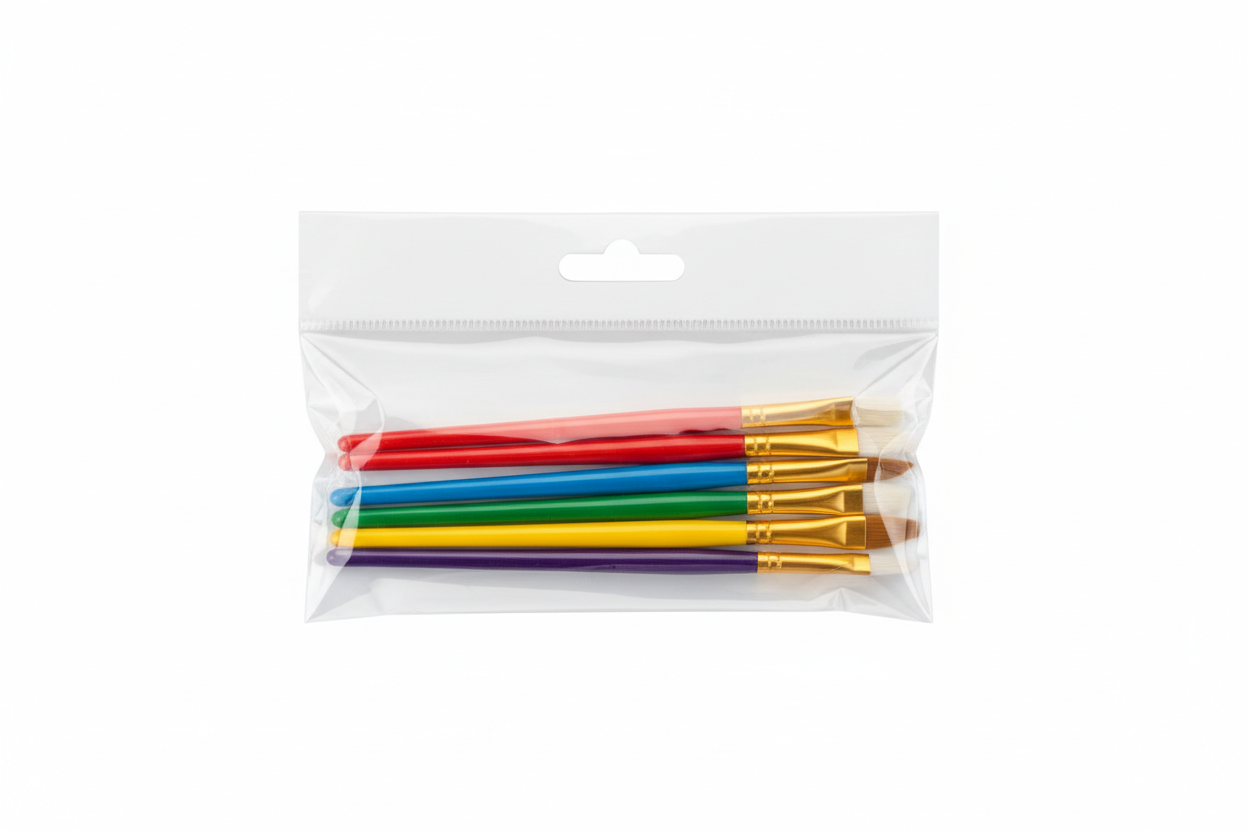
A high-resolution close-up of a clear BOPP plastic bag with a reinforced white header and a standard Euro-hole punch, containing a set of c…
Understanding the Anatomy of Plastic Bags with Header
To appreciate the utility of plastic bags with header, one must look at the specific components that differentiate them from standard packaging. The “header” is the most defining feature. This section is usually located above the primary seal and is often reinforced with a thicker gauge of plastic or an insert to provide additional stiffness.
- The Header Strip: This can be clear, allowing for a minimalist look, or opaque (usually white), providing a high-contrast background for branding, barcoding, or price labeling.
- Hanging Holes: The most common hole types include the “Round Hole” (typically 1/4 inch) for simple peg hooks and the “Euro Hole” (or butterfly hole), which is shaped to fit a wider variety of retail display systems.
- The Seal: Most header bags feature a bottom-load design with a self-adhesive “peel and seal” strip at the base. This allows for quick manual packing while ensuring the top header remains pristine and tamper-evident.
- Venting: For certain textile or food applications, small air vents may be added to prevent “ballooning” and allow the bags to be stacked or hung more efficiently.
Material Selection: BOPP vs. LDPE
Choosing the right material for your plastic bags with header is a balance between aesthetics and durability. The two most prominent materials used in the industry are Biaxially Oriented Polypropylene (BOPP) and Low-Density Polyethylene (LDPE).
BOPP (Biaxially Oriented Polypropylene): This is the gold standard for retail display. BOPP is known for its exceptional clarity and “crinkle” feel. It provides a high-gloss finish that makes the colors of the product inside pop. Furthermore, BOPP offers excellent moisture and oxygen barrier properties, making it ideal for food items like dried fruits or snacks, as well as high-end stationery and greeting cards.
LDPE (Low-Density Polyethylene): If your product is heavy or has sharp edges, LDPE is often the superior choice. LDPE is softer, more flexible, and significantly more resistant to punctures and tears than BOPP. While it lacks the high-gloss “crystal clear” look of BOPP, its durability makes it the preferred material for industrial components, heavy hardware, and bulkier textile items.
The Strategic Advantage of Hanging Displays
Retailers prioritize floor and shelf space. Plastic bags with header are designed specifically to exploit vertical space, which is often underutilized. By moving products from flat shelves to hanging displays, brands can achieve several strategic advantages:
1. Increased Visibility: Products hung at eye level are statistically more likely to be noticed by browsing customers. The transparent nature of the bag allows for a 360-degree view of the item, reducing the need for customers to open the packaging to inspect the contents.
2. Organized Merchandising: Header bags allow for precise “planogram” execution. Retailers can line up multiple SKUs of varying sizes on a single pegboard, creating a clean, organized look that facilitates easy browsing and inventory management.
3. Protection from Handling: In a retail environment, products are often touched and moved. The reinforced header ensures the bag doesn’t slip off the hook, while the durable plastic film protects the item from dust, fingerprints, and moisture during its time on the sales floor.
Customization and Branding Opportunities
While clear plastic bags with header are functional, customized versions can transform a simple bag into a powerful marketing tool. Modern printing technologies, such as flexography and rotogravure, allow for high-definition graphics directly on the bag surface.
Custom Printing: Brands can print logos, usage instructions, and regulatory information directly on the header or the body of the bag. This eliminates the need for additional paper inserts, reducing material costs and environmental impact. Use bold colors and high-contrast designs on the header to catch the eye from across a retail aisle.
Size and Gauge Variation: Depending on the weight of the product, the thickness (gauge) of the plastic can be adjusted. Lightweight items like stickers might only require a 1.2-mil thickness, while heavier tools might necessitate a 3-mil or 4-mil heavy-duty film to ensure the header does not stretch or fail.
Technical Specifications: Hole Punches and Seal Types
When ordering plastic bags with header, the technical specifications must align with your retail environment. The “Euro Hole” is the most versatile, as its wide, flared shape allows the bag to hang centered even on double-wire hooks. The “Round Hole” is simpler and often more cost-effective for smaller, lighter items.
Regarding the seal, while the “peel and seal” adhesive strip is the most common for manual fulfillment, some manufacturers prefer “heat seal” headers. In this configuration, the product is loaded from the top, and a heat-sealing machine closes the bag, creating a permanent bond. This is often used in automated packing lines where speed and security are paramount.
Industry Applications: From Hardware to High-End Cosmetics
The utility of plastic bags with header spans nearly every sector of the consumer goods industry. In the hardware sector, they are used for screws, washers, and small tools where visibility is key for size identification. In the beauty industry, these bags house eyelashes, hair extensions, and makeup brushes, providing a hygienic and premium presentation.
Stationery manufacturers rely heavily on header bags for pens, stickers, and notebook accessories. The ability to hang these items on spinning racks or end-cap displays is vital for impulse-buy categories. Even in the apparel industry, small accessories like socks, ties, and jewelry are frequently packaged in header bags to maintain a high-end retail appearance while keeping sets together.
Sustainability and the Future of Header Packaging
As the packaging industry shifts toward more eco-friendly solutions, plastic bags with header are also evolving. Many manufacturers are now offering bags made from recycled content (PCR) or bio-based plastics that mimic the performance of traditional resins. Furthermore, the move toward mono-material designs (using only one type of plastic for both the bag and the header) makes these bags significantly easier to recycle in existing waste streams.
Another trend is the reduction of “over-packaging.” By using a high-clarity header bag, brands can often eliminate the need for an internal cardboard stiffener or an external box, reducing the total volume of waste generated per unit sold. This “less is more” approach resonates with modern environmentally-conscious consumers.
Best Practices for Sourcing and Bulk Ordering
When sourcing plastic bags with header for your business, consider the following factors to ensure quality and cost-effectiveness:
- Load Capacity: Always test a sample bag with your heaviest product to ensure the header reinforcement can withstand prolonged hanging without deformation.
- Clarity Requirements: If your product has intricate details, specify “High-Clarity BOPP” to ensure the packaging doesn’t obscure the item’s features.
- Adhesive Strength: For products that might be returned or handled frequently, ensure the adhesive strip is “resealable” rather than “permanent” if appropriate for your use case.
- Lead Times: Custom printed bags often have longer lead times (4-8 weeks). Planning your inventory cycles around these timelines is crucial for product launches.
Best Practices for Sourcing and Bulk Ordering
Conclusion
The plastic bags with header remain an indispensable tool in the retail world, providing a clear window into the quality of a product while maximizing the efficiency of the display space. By carefully selecting the right material, hole type, and customization options, businesses can significantly enhance their brand’s physical presence and product security. As the industry continues to innovate with sustainable materials and advanced printing techniques, the header bag will undoubtedly remain a cornerstone of effective product merchandising for years to come.
Table of Contents
plastic bags with header: practical overview

Sourcing and support
Explore VN Plastic packaging products, review independent information from an authoritative environmental resource, or contact VN Plastic for a tailored specification and quotation.