In the fast-paced world of logistics, packaging efficiency and product protection are paramount. Among the myriad of packaging materials available, stretch wrap film stands out as a critical component for securing goods during storage and transit. This versatile plastic film, often made from linear low-density polyethylene (LLDPE), is engineered to stretch significantly around items, creating a tight, protective barrier. Its primary function is to unitize multiple items on a pallet, preventing shifting, damage, and loss.
Beyond mere containment, stretch wrap film offers robust protection against dust, moisture, and tampering, ensuring products arrive at their destination in pristine condition. Understanding the different types, applications, and benefits of this essential material is key for businesses aiming to enhance their supply chain integrity and reduce operational costs.
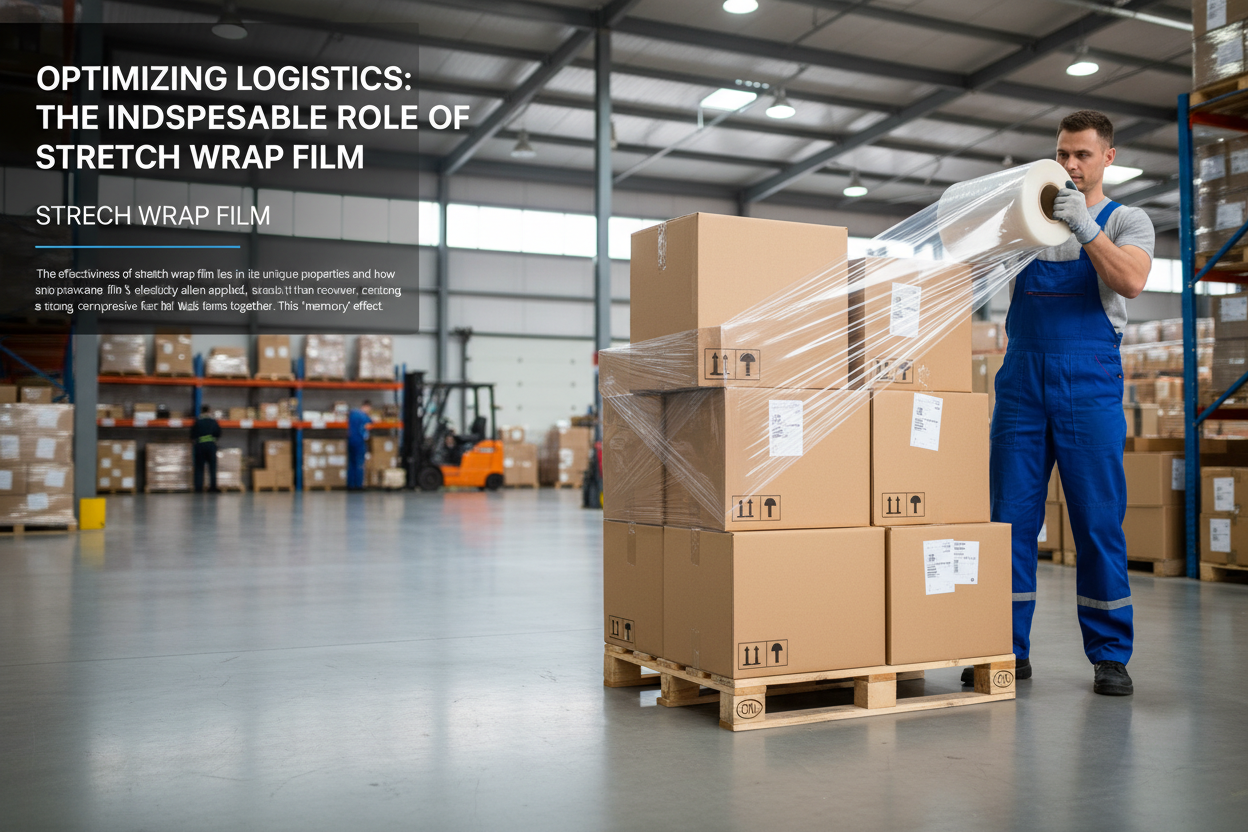
A roll of clear stretch wrap film being applied to a stack of cardboard boxes on a pallet, illustrating the wrapping process.
Understanding the Core Functionality of Stretch Wrap Film
The effectiveness of stretch wrap film lies in its unique properties and how it interacts with the products it protects. When applied, the film’s elasticity allows it to stretch and then recover, creating a strong, compressive force that holds items together. This “memory” effect is crucial for maintaining load stability, especially during the dynamic movements of transportation.
Key Characteristics and Benefits:
- Load Containment: The primary benefit is its ability to secure items, preventing them from shifting, falling, or separating during handling and shipping.
- Product Protection: It forms a barrier against environmental factors such as dust, dirt, moisture, and UV rays, which can degrade product quality.
- Tamper Evidence: A securely wrapped pallet makes it more difficult for unauthorized access without leaving visible signs of tampering.
- Reduced Damage: By holding products tightly, it minimizes the risk of scuffs, scratches, and other physical damage during transit.
- Improved Efficiency: Automated or semi-automated stretch wrapping machines can significantly speed up the packaging process, reducing labor costs.
- Cost-Effectiveness: Compared to other packaging methods, stretch wrap film offers a highly economical solution for securing large quantities of goods.
- Inventory Management: Clear film allows for easy identification of contents without unwrapping, aiding in inventory checks.
Types of Stretch Wrap Film and Their Applications
The market offers a diverse range of stretch wrap film types, each designed to meet specific packaging needs and challenges. Choosing the right film depends on factors such as load weight, stability requirements, application method, and environmental conditions.
Cast Stretch Film:
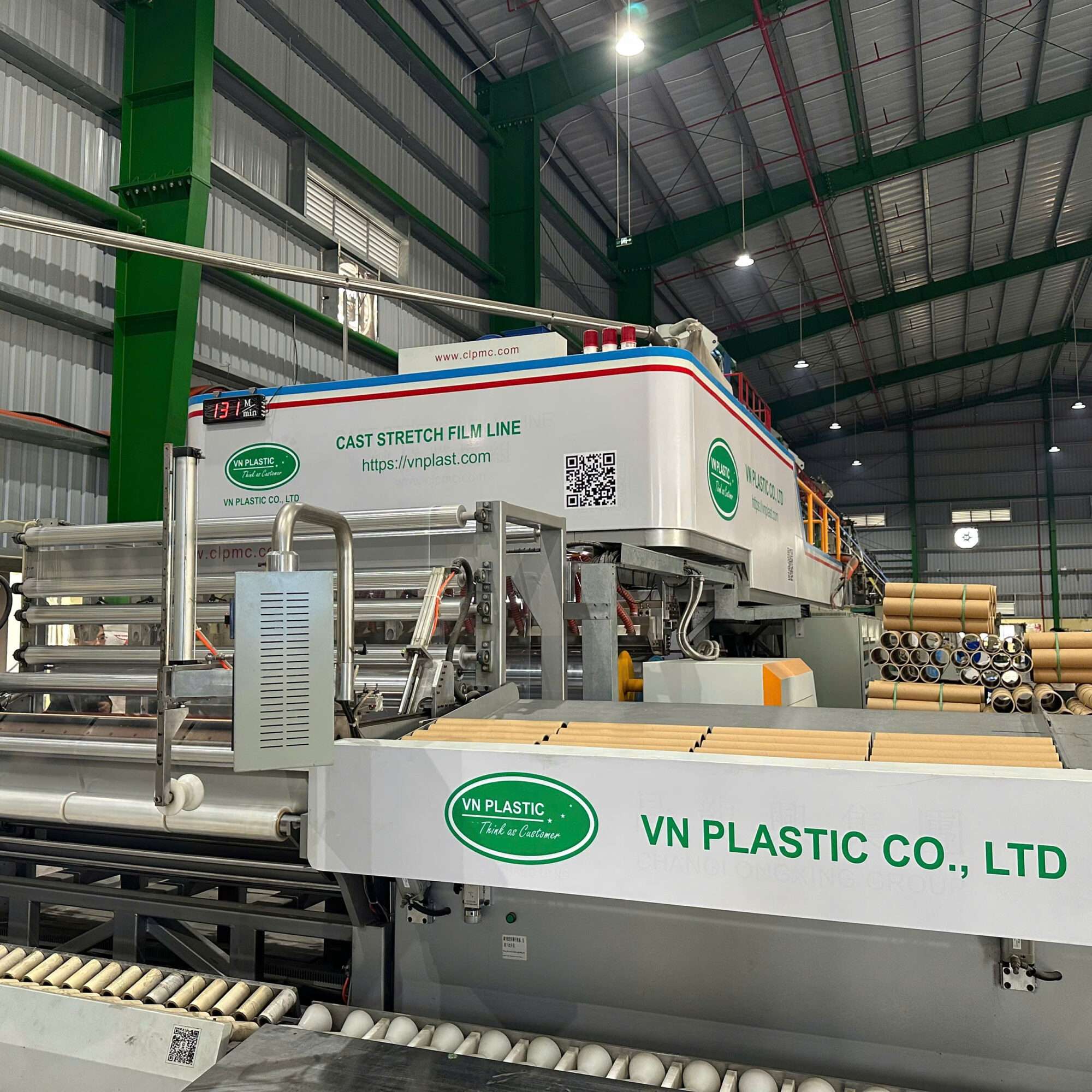
- Manufacturing Process: Produced by continuously extruding heated thermoplastic material through a flat die and then cooling it on chilled rollers.
- Characteristics:
- Excellent clarity, allowing for easy product identification.
- Quiet unwind, making it suitable for environments where noise reduction is important.
- Good cling properties, ensuring layers adhere well to each other.
- Less tear resistant compared to blown film, especially at edges.
- Typically more economical than blown film.
- Applications: Ideal for uniform loads, lighter products, and situations where visual inspection of contents is necessary.
Blown Stretch Film:
- Manufacturing Process: Produced by extruding molten plastic through an annular die to form a tube, which is then inflated with air and cooled.
- Characteristics:
- Superior tear and puncture resistance, making it suitable for irregular or sharp-edged loads.
- Higher cling and memory properties, providing excellent load containment.
- Less clarity and noisier unwind compared to cast film.
- Higher cost per roll due to the manufacturing process.
- Applications: Preferred for heavy, unstable, or irregularly shaped loads, and in applications where durability and resistance to damage are critical.
Specialty Stretch Wrap Films:
- UVI Stretch Film: Contains UV inhibitors to protect products from sun exposure, common for outdoor storage or prolonged transit.
- VCI Stretch Film: Incorporates Volatile Corrosion Inhibitors to prevent rust and corrosion on metal parts, crucial for industrial applications.
- Colored Stretch Film: Used for product coding, inventory differentiation, or to conceal contents for privacy or security.
- Ventilated Stretch Film: Features perforations or a net-like structure to allow airflow, preventing condensation for products requiring breathability (e.g., fresh produce).
- Pre-Stretched Film: Film that has been stretched close to its breaking point during manufacturing. It requires less effort to apply and offers consistent tension.
- Machine Stretch Film: Designed for use with automatic or semi-automatic stretch wrapping machines, offering superior stretch percentages and efficiency.
- Hand Stretch Film: Lighter rolls designed for manual application, often used for smaller operations or when machine wrapping is not feasible.
The Application Process: Hand vs. Machine Wrapping
The method of applying stretch wrap film significantly impacts efficiency, film consumption, and load stability. Businesses can choose between manual application and various levels of machine automation.
Hand Wrapping:
- Method: Operators manually apply the film around a pallet, typically using a dispenser with a tensioning mechanism.
- Advantages:
- Low initial investment, as no machinery is required.
- Flexibility for varied load sizes and shapes.
- Suitable for low-volume operations or remote locations.
- Disadvantages:
- Labor-intensive and can be physically demanding.
- Inconsistent tension and coverage, potentially leading to less stable loads.
- Higher film consumption per pallet compared to machine wrapping.
- Slower process, impacting overall productivity.
Machine Wrapping:
- Method: Automated or semi-automated stretch wrappers apply film to pallets. These machines can be turntable (pallet rotates), rotary arm (film carriage rotates around stationary pallet), or horizontal (for long, narrow products).
- Advantages:
- Significant labor savings and increased throughput.
- Consistent and optimal film tension, leading to more secure loads.
- Reduced film consumption due to pre-stretch capabilities.
- Improved safety by minimizing manual handling.
- Professional and uniform appearance of wrapped pallets.
- Disadvantages:
- Higher initial capital investment for machinery.
- Requires maintenance and operator training.
- Less flexible for highly unusual or oversized loads without specialized machines.
Optimizing Stretch Wrap Film Usage for Maximum Efficiency
To truly leverage the benefits of stretch wrap film, businesses must focus on optimizing its usage. This involves selecting the right film, employing proper wrapping techniques, and considering sustainability.
Choosing the Right Film:
- Load Profile: Assess the weight, shape, and stability of the items being wrapped. Heavy, unstable, or irregular loads benefit from stronger, higher-gauge films.
- Application Method: Hand film for manual use, machine film for automated systems. Machine film is specifically engineered for high pre-stretch.
- Environmental Factors: Consider exposure to UV light, moisture, or specific corrosive elements.
- Budget: Balance cost-effectiveness with performance requirements. While a cheaper film might seem appealing, higher breakage rates or product damage can lead to greater overall costs.
Proper Wrapping Techniques:
- Overlap: Ensure adequate overlap between layers (typically 50% or more) to create a strong, continuous barrier.
- Tension: Apply sufficient tension to compress the load without crushing it. Too little tension results in loose loads; too much can damage products or break the film.
- Top and Bottom Wraps: Apply extra wraps at the top and bottom of the pallet for added security, especially at corners.
- Edge Protection: For delicate or sharp-edged products, consider using corner boards in conjunction with stretch wrap film to prevent film puncture and product damage.
Sustainability and Environmental Considerations:
- Source Reduction: Utilize high-performance films with greater stretch capabilities to achieve the same load containment with less material. Pre-stretched films are excellent for this.
- Recycling: Explore options for recycling used stretch wrap film. Many industrial facilities collect and recycle film, though consumer recycling can be more challenging due to contamination.
- Biodegradable Options: While not as widely available or effective as traditional films, some manufacturers are developing biodegradable or compostable alternatives.
Sustainability and Environmental Considerations:
Future Trends in Stretch Wrap Film Technology
The industry for stretch wrap film is continuously evolving, driven by demands for greater efficiency, sustainability, and specialized performance. Innovations are focusing on creating stronger, thinner films, improving recyclability, and developing smart packaging solutions.
Key Areas of Innovation:
- Thinner, Stronger Films: Advances in polymer science and manufacturing processes are leading to films that maintain high strength and puncture resistance at reduced gauges. This “down-gauging” reduces material usage and waste.
- Enhanced Recyclability: Efforts are underway to produce films from recycled content and to create mono-material films that are easier to recycle within existing streams.
- Smart Films: Research into films with embedded sensors or indicators could provide real-time data on temperature, humidity, or tampering, adding a new layer of protection and monitoring to the supply chain.
- Bio-based and Compostable Materials: While still in early stages for industrial-grade applications, the development of films derived from renewable resources or designed to safely compost is a growing area of interest.
- Automated Application Systems: Further advancements in robotics and automation for stretch wrapping will lead to even faster, more precise, and labor-efficient packaging operations.
Conclusion
Stretch wrap film is far more than just a simple plastic covering; it is a sophisticated packaging solution integral to the efficiency and security of modern logistics. From safeguarding products against damage and environmental factors to streamlining warehousing and shipping processes, its benefits are extensive. By understanding the different types of film, optimizing application methods, and embracing sustainable practices, businesses can maximize the value derived from this essential material. As the demands of global commerce continue to evolve, so too will the innovations in stretch wrap film technology, ensuring its continued role as a cornerstone of effective supply chain management.
Table of Contents
stretch wrap film: practical overview
Sourcing and support
Explore VN Plastic packaging products, review independent information from an authoritative environmental resource, or contact VN Plastic for a tailored specification and quotation.