In an era increasingly defined by environmental consciousness, the humble grocery bag has emerged as a powerful symbol of our commitment to sustainability. For decades, single-use plastic and paper bags dominated our shopping routines, leaving a trail of environmental damage from landfills to oceans. Today, however, a profound shift is underway, driven by a collective desire to reduce waste and embrace more responsible consumption habits. Reusable grocery bags are at the forefront of this movement, offering a practical, durable, and eco-friendly alternative that benefits both the planet and the consumer.
This comprehensive guide delves into the myriad reasons why making the switch to reusable bags is not just a trend, but a vital step towards a more sustainable future, exploring their diverse types, practical advantages, and how to seamlessly integrate them into your daily life.
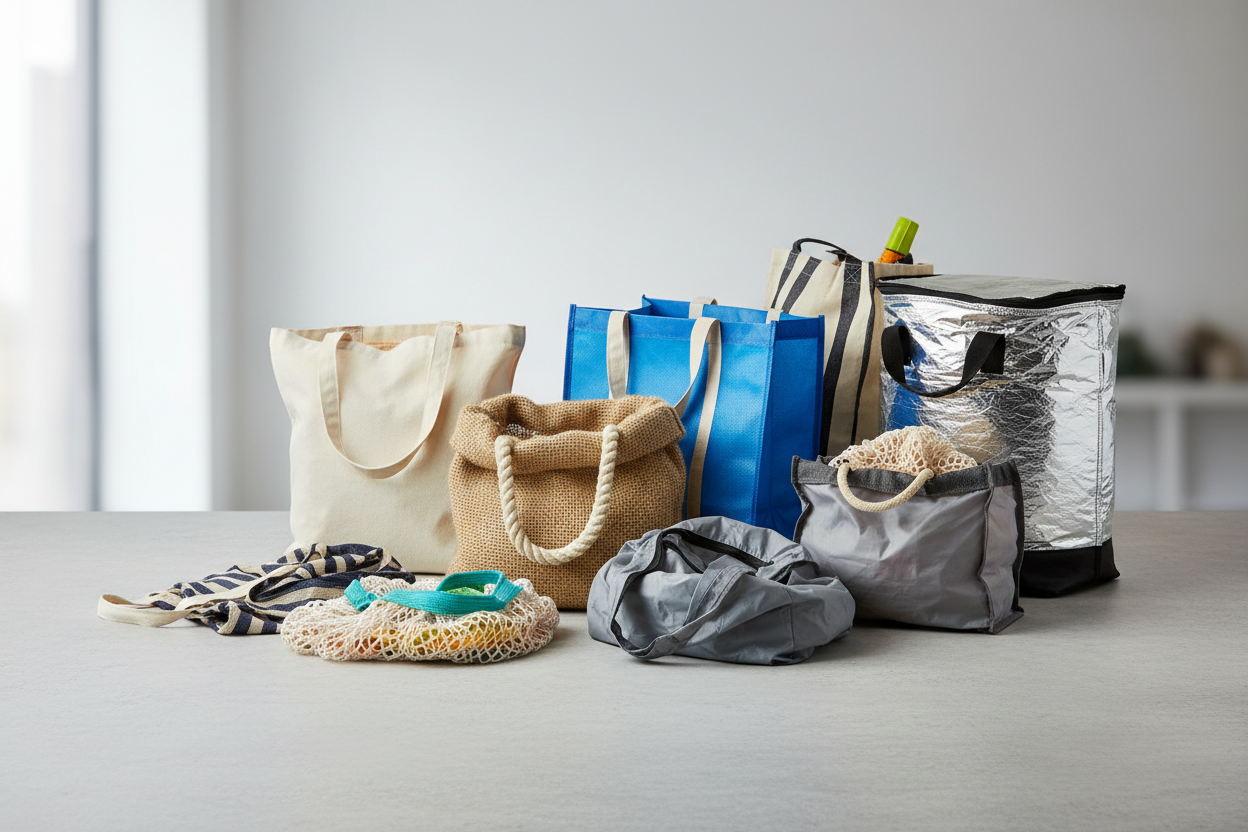
A diverse collection of various reusable grocery bags made from different materials like cotton, jute, non-woven polypropylene, and recycle…
The Environmental Imperative: Why Choose Reusable Bags?
The transition to reusable grocery bags is primarily fueled by a critical environmental need. The impact of single-use bags on our planet is undeniable and far-reaching, making the choice for reusables a clear step towards mitigation.
- Combatting Plastic Pollution: Single-use plastic bags are a major contributor to plastic pollution, particularly in marine environments. Millions of tons of plastic enter our oceans annually, threatening marine life through entanglement and ingestion. These bags break down into microplastics, which contaminate food chains and ecosystems, posing a long-term threat to biodiversity and human health. By opting for reusable bags, we significantly reduce the demand for new plastic production and prevent countless bags from ending up in landfills and waterways.
- Reducing Resource Consumption: The production of single-use bags, whether plastic or paper, demands substantial resources. Plastic bags are derived from petroleum, a finite fossil fuel, and their manufacturing process is energy-intensive. Paper bags, while biodegradable, require vast amounts of timber, water, and energy for production, contributing to deforestation and habitat loss. Reusable bags, by contrast, are designed for longevity, meaning fewer resources are consumed over their lifespan compared to the continuous production of disposable alternatives.
- Lowering Carbon Footprint: Every stage of a single-use bag’s life cycle—from raw material extraction and manufacturing to transportation and disposal—contributes to greenhouse gas emissions. By reducing the volume of bags produced and transported, reusable options help to lower the overall carbon footprint associated with our shopping habits. While the initial production of a durable reusable bag might have a higher environmental cost than a single plastic bag, this impact is offset many times over by its extended use.
- Minimizing Landfill Waste: Landfills are overflowing, and single-use bags contribute significantly to this problem. They are lightweight and often escape proper containment, becoming litter. Even when properly disposed of, plastic bags can take hundreds of years to decompose, if at all, while paper bags occupy valuable landfill space. Reusable bags drastically reduce the volume of waste destined for landfills, promoting a more circular economy where products are used repeatedly rather than discarded after a single use.
Beyond Environmentalism: Practical Benefits of Reusable Grocery Bags
While environmental considerations are paramount, reusable grocery bags offer a host of practical advantages that enhance the shopping experience and daily life, making them a superior choice for any consumer.
- Superior Durability and Strength: Unlike flimsy plastic or easily torn paper bags, reusable bags are constructed from robust materials designed to withstand heavy loads and repeated use. This means less worry about bags breaking, items spilling, or handles snapping, even when carrying bulky or numerous groceries. Their enhanced strength provides peace of mind, especially when transporting glass bottles, canned goods, or large produce.
- Enhanced Comfort and Ergonomics: Many reusable bags feature wider, more comfortable handles, and some even include shoulder straps, distributing weight more evenly and reducing strain on hands and arms. This is a significant improvement over the thin, often uncomfortable handles of disposable bags, particularly when carrying multiple bags over a distance.
-
Versatility Beyond Groceries: The utility of reusable bags extends far beyond the supermarket aisles. Their durability and often stylish designs make them perfect for a multitude of other purposes:
- Beach Bag: Carrying towels, sunscreen, and snacks.
- Gym Bag: Toting workout clothes and gear.
- Travel Tote: As an extra carry-on or for souvenirs.
- Picnic Bag: Transporting food and blankets.
- General Utility Bag: For laundry, library books, or farmers market finds.
- Cost Savings in the Long Run: While there’s an initial investment, reusable bags often lead to savings. Many jurisdictions now impose fees on single-use bags, which can add up over time. Investing in a quality set of reusable bags eliminates these recurring charges. Furthermore, their longevity means you won’t constantly be replacing torn or worn-out disposable options.
- Style and Personalization: Reusable bags come in an endless array of colors, patterns, and designs, allowing consumers to express their personal style. Many brands offer aesthetically pleasing options, transforming a mundane errand into an opportunity for a fashion statement. They can also be customized with logos or artwork, making them popular promotional items.
Navigating the Options: Types of Reusable Grocery Bags
The market for reusable grocery bags is rich with diversity, offering various materials and designs to suit different needs and preferences. Understanding these options can help you choose the best bags for your lifestyle.
Material Matters:
- Non-Woven Polypropylene (NWPP): This is one of the most common and affordable materials for reusable bags. NWPP bags are lightweight, durable, water-resistant, and easy to clean. They are often made from recycled plastic and are themselves recyclable at the end of their life, making them a popular choice for promotional bags and everyday use.
- Cotton/Canvas: Natural and breathable, cotton and canvas bags are known for their strength and durability. They are washable, biodegradable, and can withstand heavy loads. Canvas bags, being thicker, offer even greater robustness. These are excellent choices for those seeking natural fibers and a classic look, though they might be heavier and take longer to dry than synthetic options.
- Jute/Hemp: These natural fibers are incredibly strong, durable, and sustainable. Jute and hemp bags have a distinct, rustic texture and are excellent for carrying heavy items. They are biodegradable and require minimal resources to produce, appealing to environmentally conscious consumers seeking robust, natural alternatives.
- Recycled PET (RPET): Made from recycled plastic bottles, RPET bags offer a fantastic closed-loop solution, transforming waste into a useful product. They are strong, lightweight, water-resistant, and durable, combining the benefits of synthetic materials with a strong recycling story.
- Nylon/Polyester: Bags made from nylon or polyester are typically very lightweight, compact, and often designed to fold into a small pouch. They are highly durable, water-resistant, and quick-drying, making them ideal for impromptu shopping trips or as backup bags that can easily be tucked into a purse or pocket.
- Mesh Bags: Specifically designed for produce, mesh bags allow fruits and vegetables to breathe, extending their freshness. They eliminate the need for single-use plastic produce bags and are typically made from cotton or polyester mesh, making them lightweight and washable.
Design and Features:
- Foldable/Pouchable Bags: These compact bags are designed to fold or roll into a small pouch, making them incredibly convenient to carry in a purse, backpack, or car glove compartment for unexpected shopping needs.
- Insulated Bags: Featuring an insulated lining, these bags are perfect for keeping frozen foods cold or hot foods warm during transport. They are indispensable for grocery trips involving perishables, picnics, or potlucks.
- Compartments/Pockets: Some reusable bags come with internal or external pockets, bottle holders, or dividers, helping to organize groceries, prevent items from crushing each other, and make packing more efficient.
- Wheeled/Cart Bags: For larger shopping trips or individuals with mobility concerns, wheeled bags or bags designed to fit into shopping carts offer maximum convenience, reducing the physical strain of carrying heavy loads.
- Produce Bags: Small, lightweight mesh or cloth bags specifically designed to hold loose fruits and vegetables, replacing the thin plastic bags typically found in the produce aisle.
Care and Maintenance for Longevity
To maximize the lifespan and hygiene of your reusable grocery bags, proper care is essential. Regular cleaning prevents the buildup of bacteria, especially after carrying raw meats or fresh produce, and ensures your bags remain fresh and functional.
-
Washing Instructions (Material-Specific):
- Cotton/Canvas/Jute/Hemp: Most natural fiber bags can be machine washed in cold water on a gentle cycle. Air drying is recommended to prevent shrinkage and preserve the material’s integrity. Avoid harsh detergents or bleach.
- Non-Woven Polypropylene (NWPP)/Recycled PET (RPET): These bags are often best spot cleaned with a damp cloth and mild soap. If machine washing, use cold water on a delicate cycle and air dry to prevent damage to the lamination or structure.
- Nylon/Polyester: Lightweight synthetic bags can usually be machine washed in cold water and air dried quickly due to their material properties.
- Insulated Bags: These should typically be wiped clean inside and out with a damp cloth and mild disinfectant. Avoid submerging them in water or machine washing, as it can damage the insulation.
- Drying Properly: Always ensure bags are completely dry before storing them to prevent mold and mildew growth, which can lead to unpleasant odors and material degradation. Air drying in a well-ventilated area is usually the safest method.
- Storage Tips: Keep your clean, dry reusable bags in an easily accessible location. Many people store them in their car, by the front door, or in a designated spot in the pantry or kitchen. Foldable bags can be kept in a purse or backpack for spontaneous trips.
- Hygiene Considerations: It’s crucial to be mindful of cross-contamination. Consider designating specific bags for raw meats or produce, and wash them immediately after use. If any spills occur, clean the bag thoroughly right away. Regularly washing all your bags, even if they appear clean, is a good practice to maintain hygiene.
Making the Switch: Tips for Seamless Adoption
Integrating reusable grocery bags into your routine can be effortless with a few simple strategies. The key is consistency and making them an integral part of your shopping preparation.
- Keep Bags in Your Car or by the Door: The most common reason people forget reusable bags is that they’re not readily available when needed. Designate a permanent spot for your bags—whether it’s in the trunk of your car, on a hook by the front door, or inside your primary shopping bag.
- Designate a “Bag Spot”: Create a specific place in your home where all reusable bags are stored. This could be a drawer, a cabinet, or a decorative bin. Knowing exactly where your bags are makes it easier to grab them on your way out.
- Start Small, Then Expand: If the idea of a complete overhaul feels daunting, start by bringing just a few reusable bags for your next grocery trip. Once you get into the habit, gradually increase the number of bags you bring until it becomes second nature.
- Utilize Foldable Bags for Impromptu Stops: Keep a compact, foldable reusable bag in your purse, backpack, or briefcasse. This ensures you’re prepared for unexpected purchases, like a quick stop at a convenience store or pharmacy, preventing the need for a single-use bag.
- Educate Family Members: Encourage everyone in your household to adopt the habit. Explain the benefits and make it a collective effort to remember the bags before heading out to shop.
- Make a Checklist: Add “Grab reusable bags” to your mental or written shopping list. Over time, this reminder will become an ingrained part of your pre-shopping routine.
The Future of Shopping: Innovation in Reusable Solutions
As sustainability continues to drive consumer choices, the reusable bag industry is not standing still. Innovations are constantly emerging to make reusable solutions even more efficient, convenient, and environmentally friendly.
- Smart Bags and Technology Integration: Imagine bags with embedded RFID tags or QR codes that could track your inventory, suggest recipes based on contents, or even integrate with store loyalty programs. While still nascent, the potential for “smart” reusable bags to enhance the shopping experience is significant.
- Closed-Loop Systems and Bag Sharing: Some initiatives are exploring closed-loop systems where reusable bags are provided by stores, used by customers, and then returned to be cleaned and recirculated. This “bag as a service” model aims to overcome the challenge of forgotten bags and ensure maximum reuse.
- Advanced Biodegradable Materials: Research is ongoing into developing new materials for reusable bags that offer the durability of current options but are also fully compostable or biodegradable at the end of their very long life, further minimizing environmental impact.
- Hyper-Personalized Designs and Functionality: As demand grows, expect to see an even greater variety of designs, features, and customizations. From bags tailored for specific grocery items (e.g., dedicated bread compartments) to those that seamlessly integrate with smart home devices, the future promises bags that are not just eco-friendly but also highly intuitive and personalized.
The Future of Shopping: Innovation in Reusable Solutions
Conclusion
The journey towards a more sustainable future is paved with conscious choices, and adopting reusable grocery bags is one of the most impactful steps an individual can take. Beyond mitigating the devastating environmental effects of single-use plastics and paper, these durable, versatile, and often stylish alternatives offer tangible benefits that enhance convenience and save money. From the diverse range of materials like sturdy cotton and practical NWPP to innovative designs featuring insulation and compartments, there’s a reusable bag perfectly suited for every shopper’s needs.
By embracing proper care, establishing simple routines, and staying open to future innovations, we can collectively transform our shopping habits, reduce our ecological footprint, and champion a world where convenience and sustainability go hand in hand. Make the switch today and become an active participant in building a greener, cleaner planet, one grocery trip at a time.
Table of Contents
reusable grocery bags: practical overview
Document the approved reusable grocery bags requirements for repeat orders.
Compare reusable grocery bags options using total application cost, not unit price alone.
reusable grocery bags specifications should always be confirmed before mass production.
Ask for a representative reusable grocery bags sample when testing a new application.
Document the approved reusable grocery bags requirements for repeat orders.
Compare reusable grocery bags options using total application cost, not unit price alone.
reusable grocery bags specifications should always be confirmed before mass production.
Ask for a representative reusable grocery bags sample when testing a new application.
Document the approved reusable grocery bags requirements for repeat orders.
Sourcing and support
Explore VN Plastic packaging products, review independent information from an authoritative environmental resource, or contact VN Plastic for a tailored specification and quotation.