In today’s fast‑moving supply chain environment, selecting the right stretch film suppliers can make the difference between efficient, cost‑effective packaging and costly disruptions. Whether you run a small e‑commerce fulfillment center or a large manufacturing operation, the quality, reliability, and service level of your stretch film provider directly impact product safety, shipping costs, and customer satisfaction. This comprehensive guide walks you through everything you need to know—from the core benefits of stretch film to the critical criteria for evaluating suppliers—so you can make an informed decision that supports growth and sustainability.
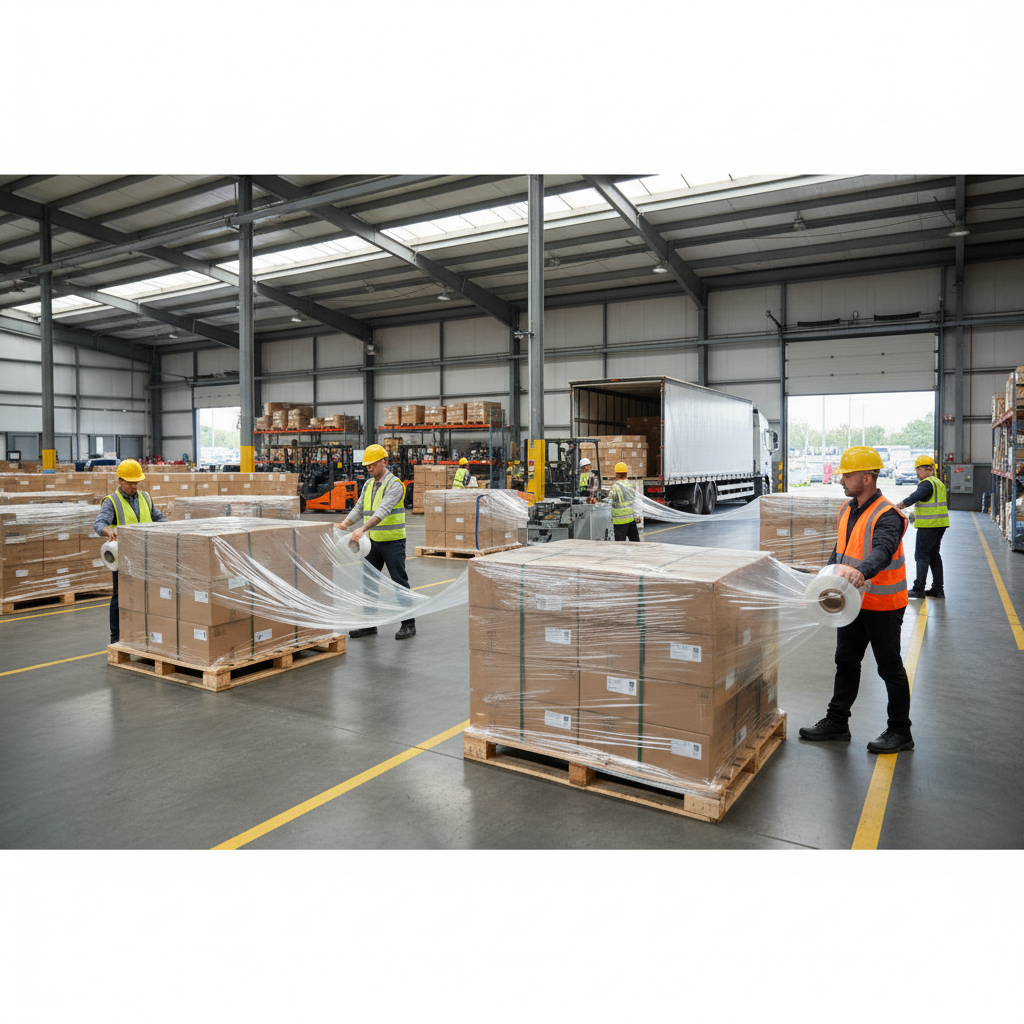
A high‑resolution photo of a warehouse loading dock where workers are applying clear stretch film around pallets of boxed goods, showing th…
Why Stretch Film Is Essential for Modern Packaging
Stretch film, also known as pallet wrap, is a versatile, stretchable polyethylene film used to secure loads on pallets during storage and transportation. Its elasticity allows it to conform tightly around items, creating a cohesive unit that resists shifting, moisture, and dust. The following advantages highlight why businesses across industries rely on this simple yet powerful material:
- Load Stability: The film’s tension keeps boxes and containers firmly bound, reducing the risk of damage during handling.
- Protection from Contaminants: It acts as a barrier against dust, moisture, and minor impacts.
- Cost Efficiency: By minimizing product loss and enabling higher pallet density, stretch film helps lower overall logistics expenses.
- Environmental Benefits: Modern films are recyclable and can be formulated with lower‑weight gauges without sacrificing performance.
Benefits of High‑Quality Stretch Film
Not all stretch films are created equal. Premium grades offer superior elongation, puncture resistance, and cling, which translate into tangible savings and operational improvements. High‑quality film reduces the number of wraps required per pallet, speeds up application, and lessens the likelihood of load failure—especially in high‑speed distribution centers.
Key Factors When Selecting Stretch Film Suppliers
Choosing a supplier is more than just finding the lowest price tag. Consider the following criteria to ensure you partner with a provider that aligns with your operational goals:
- Product Range and Customization: Does the supplier offer various gauges, widths, and film types (e.g., hand‑wrap, machine‑wrap, pre‑stretched, colored, anti‑static)? Can they produce custom prints or branding?
- Quality Certifications: Look for ISO 9001, ISO 14001, or other industry‑specific certifications that demonstrate consistent quality control.
- Supply Chain Reliability: Evaluate lead times, inventory levels, and the ability to scale deliveries during peak seasons.
- Technical Support: Access to knowledgeable account managers or engineers who can advise on film selection, application equipment, and best practices.
- Pricing Transparency: Clear breakdowns of unit costs, volume discounts, and any additional fees (e.g., freight, minimum order quantities).
- Sustainability Initiatives: Commitment to recycled content, reduced carbon footprint, and end‑of‑life recycling programs.
Types of Stretch Film Offered by Leading Suppliers
Understanding the different film classifications helps you match the right product to your specific packaging needs. Below is a snapshot of the most common categories you’ll encounter:
- Standard Hand‑Wrap Film: Ideal for manual application, available in 12‑18 µm thickness, and suitable for low‑to‑medium load stability.
- Machine‑Wrap Film: Designed for automated stretch wrappers, offering consistent tension and higher puncture resistance.
- Pre‑Stretched Film: Already elongated during manufacturing, providing up to 300 % stretch with less film usage.
- Colored Film (Blue, Green, Red): Used for load identification, hazard marking, or branding purposes.
- Anti‑Static Film: Prevents static discharge, essential for electronics and sensitive components.
- Recyclable & Low‑Density Polyethylene (LDPE) Film: Meets environmental compliance while maintaining performance.
How to Evaluate Supplier Performance
After narrowing down potential partners, implement a systematic evaluation process to verify that they meet your expectations. Consider the following performance metrics:
- On‑Time Delivery Rate: Aim for ≥ 95 % on‑time shipments over a rolling three‑month period.
- Defect Rate: Track film defects such as tears, inconsistent thickness, or poor cling; target < 0.5 %.
- Customer Service Responsiveness: Measure average response time to inquiries and issue resolution speed.
- Cost Variance: Compare actual spend against quoted prices to ensure no hidden cost escalations.
- Environmental Impact Score: Review the supplier’s carbon emissions, recycled content percentage, and end‑of‑life recycling options.
Cost Considerations and Pricing Models
While price is a critical factor, the total cost of ownership (TCO) provides a more accurate picture of value. Evaluate the following components:
- Unit Price vs. Film Weight: Lower‑weight films may cost less per roll but require more layers, potentially increasing labor.
- Volume Discounts: Tiered pricing can significantly reduce per‑unit costs when you commit to larger orders.
- Freight and Logistics: Consolidated shipping or drop‑shipping options may affect overall expense.
- Equipment Compatibility: Ensure the film works with existing hand or machine wrappers to avoid additional capital outlay.
- Waste Management: Suppliers offering take‑back or recycling programs can lower disposal fees.
Real‑World Use Cases: How Top Companies Leverage Stretch Film
Large retailers, automotive manufacturers, and food distributors rely on stretch film to protect high‑value pallets across long hauls. For instance, a national grocery chain reduced product damage by 22 % after switching to a pre‑stretched, anti‑static film from a certified supplier that also provided on‑site training for warehouse staff. Similarly, an electronics assembler improved compliance with ESD (electrostatic discharge) standards by adopting colored anti‑static film, which also helped visually segregate hazardous loads.
Frequently Asked Questions
Below are answers to common queries that help clarify the selection process and operational considerations for stretch film suppliers:
- What gauge of stretch film should I use for heavy loads? For heavy or high‑value pallets, a film thickness of 20‑30 µm (or higher) provides the necessary strength and puncture resistance.
- Can stretch film be recycled? Yes, most LDPE stretch films are recyclable. Choose suppliers that offer recycled‑content options and take‑back programs.
- Is pre‑stretched film more expensive? While the per‑roll price may be slightly higher, pre‑stretched film reduces the amount of film needed per pallet, often resulting in lower overall costs.
- How do I ensure consistent film quality across shipments? Work with suppliers that maintain ISO certifications and provide batch‑level quality certificates.
- Do I need special equipment for colored or anti‑static film? No, colored and anti‑static films are compatible with standard hand and machine wrappers; they only differ in additive formulation.
Conclusion
Choosing the right stretch film suppliers is a strategic decision that influences product protection, operational efficiency, and sustainability goals. By assessing product variety, quality certifications, reliability metrics, and cost structures, you can partner with a supplier that not only meets immediate packaging needs but also supports long‑term growth. Invest time in supplier audits, request sample trials, and leverage performance data to build a resilient supply chain. With the right partner, stretch film becomes more than a packaging material—it transforms into a competitive advantage.