When you head to the supermarket, the plastic bag for groceries is one of the most ubiquitous items you’ll encounter. Despite its simplicity, this everyday carrier plays a crucial role in food safety, convenience, and retail logistics. In this comprehensive guide, we’ll explore the design, benefits, environmental impact, and best‑practice tips for selecting and using the perfect plastic bag for groceries. Whether you’re a retailer, a consumer, or a sustainability professional, understanding the nuances of this essential product can help you make smarter, more responsible choices.
What Is a Plastic Bag for Groceries?
A plastic bag for groceries is typically made from either low‑density polyethylene (LDPE) or high‑density polyethylene (HDPE). These materials provide the right balance of strength, flexibility, and moisture resistance needed to transport a wide variety of food items safely.
Key Characteristics
- Material: LDPE offers softness and stretch, while HDPE provides rigidity and higher load‑bearing capacity.
- Thickness: Measured in mils (thousandths of an inch), common grocery bags range from 1.5 mil (lightweight) to 4 mil (heavy‑duty).
- Size Options: Standard sizes include 12 × 15 in, 15 × 20 in, and larger “jumbo” bags for bulk purchases.
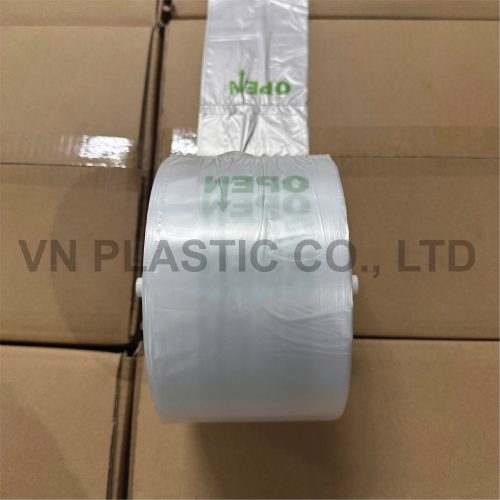
- Closure Types: Handles (flat or twisted), gusseted bottoms, and resealable zip‑locks for added convenience.
Advantages of Using Plastic Bags for Groceries
While reusable alternatives are gaining popularity, the plastic bag for groceries remains a practical choice for many shoppers and retailers.
Convenience and Efficiency
- Lightweight and easy to carry, reducing strain on the shopper.
- Transparent design allows quick visual inspection of contents, aiding inventory control.
- Water‑resistant properties protect items from spills and moisture.
Cost‑Effectiveness
- Mass‑produced at a low cost, keeping retail prices competitive.
- Single‑use nature eliminates the need for cleaning or maintenance.
Food Safety
- Non‑porous surface prevents bacterial growth when used correctly.
- Meets FDA regulations for food contact materials in the United States.
Environmental Considerations and Regulations
The environmental footprint of the plastic bag for groceries is a hot topic worldwide. Understanding the lifecycle and regulatory landscape helps businesses and consumers make informed decisions.
Lifecycle Overview
- Production: Derived from petroleum or natural gas; modern processes aim to reduce energy consumption.
- Use Phase: Typically used once, though many bags are repurposed for trash liners or storage.
- End‑of‑Life: Options include recycling, energy recovery, or landfill disposal. Recycling rates vary by region.
Global Regulations
- European Union: Single‑use plastic bag ban (effective 2021) with exceptions for biodegradable or reusable bags.
- United States: Many states impose bag fees or bans (e.g., California, New York, Oregon).
- Asia Pacific: Countries like China and India have introduced levy systems to curb consumption.
Choosing the Right Plastic Bag for Groceries
Selecting the optimal plastic bag for groceries depends on the specific needs of your store or household.
Factors to Evaluate
- Load Capacity: For heavy items like canned goods, opt for 3‑4 mil HDPE bags.
- Transparency vs. Opacity: Transparent bags aid visual checks; opaque bags protect privacy for certain products.
- Handle Design: Twisted handles provide extra strength for larger loads.
- Recyclability: Choose bags marked with recycling codes #2 (HDPE) or #4 (LDPE) to ensure proper processing.
Supplier Considerations
- Ask for samples to test tensile strength and seal integrity.
- Verify compliance with local food‑contact regulations.
- Assess environmental certifications such as “recyclable” or “bio‑based” labeling.
How to Properly Use and Store Plastic Bags for Groceries
Maximizing the utility of your plastic bag for groceries extends its life and minimizes waste.
Best Practices for Consumers
- Do not overfill; keep weight within the bag’s rated capacity to avoid tearing.
- Separate wet and dry items to prevent moisture transfer.
- Reuse bags for non‑food purposes (e.g., trash liners) before recycling.
- When recycling, ensure the bag is clean and free of food residue.
Guidelines for Retailers
- Provide clear signage about bag thickness and intended use.
- Implement a “bag return” program to collect used bags for recycling.
- Train staff on proper bag dispensing to reduce waste.
- Track bag consumption metrics to identify opportunities for reduction.
Alternatives and Complementary Solutions
While the plastic bag for groceries remains prevalent, many businesses are integrating complementary options to meet sustainability goals.
Reusable Options
- Heavy‑duty canvas or polyester tote bags.
- Reusable silicone or woven polypropylene bags.
Hybrid Approaches
- Offer a “bag‑swap” program where customers bring their own bags and receive a discount.
- Use biodegradable plastic bags made from plant‑based polymers for short‑term use.
Conclusion
The plastic bag for groceries continues to be a vital component of modern retail, balancing convenience, cost, and food safety. By understanding its material properties, environmental impact, and best‑practice usage, both consumers and retailers can make smarter choices that align with economic and sustainability objectives. Whether you stick with traditional HDPE bags, explore biodegradable alternatives, or transition to reusable carriers, the key is informed decision‑making backed by reliable data and clear standards.