When you search for a reliable Stear Seal Plastic Bag, you need clear answers on durability, sealing strength, and ideal applications. This guide explains exactly what a Stear Seal Plastic Bag is, why it outperforms standard polyethylene bags, and how VNPLAST’s engineered solutions can meet your packaging, waste‑management, or industrial needs.
Table of Contents
- What Is a Stear Seal Plastic Bag?
- Key Features & Technical Specs
- Common Applications and Real‑World Use Cases
- Stear Seal vs. Competing Bag Types
- Selection Checklist for Buyers
- Handling, Storage, and Safety Tips
- FAQ
- Conclusion
What Is a Stear Seal Plastic Bag?
A Stear Seal Plastic Bag is a high‑performance polyethylene bag that incorporates a stearic‑acid‑based sealing layer. This layer melts at a lower temperature than the main film, creating a strong, heat‑activated seal without the need for additional adhesives. VNPLAST manufactures these bags in various thicknesses (30‑120 µm) and sizes, ranging from small refuse sacks to large block‑header bulk bags.
Key Features & Technical Specs
- Stearic‑acid seal strip: Provides rapid, consistent sealing at 140‑160 °C.
- Material options: Low‑density polyethylene (LDPE), high‑density polyethylene (HDPE), and recycled polymer blends.
- Thickness range: 30 µm (light‑weight refuse bags) to 120 µm (heavy‑duty hazardous waste bags).
- Load capacity: Up to 50 kg per square meter for industrial block‑header bags.
- Customizable features: Handles, gussets, printed logos, and color coding for waste segregation.
- Environmental compliance: Meets EU REACH and US EPA standards; available in 100 % recycled grades.
Common Applications and Real‑World Use Cases
Stear Seal Plastic Bags excel wherever a reliable, tamper‑resistant seal is essential.
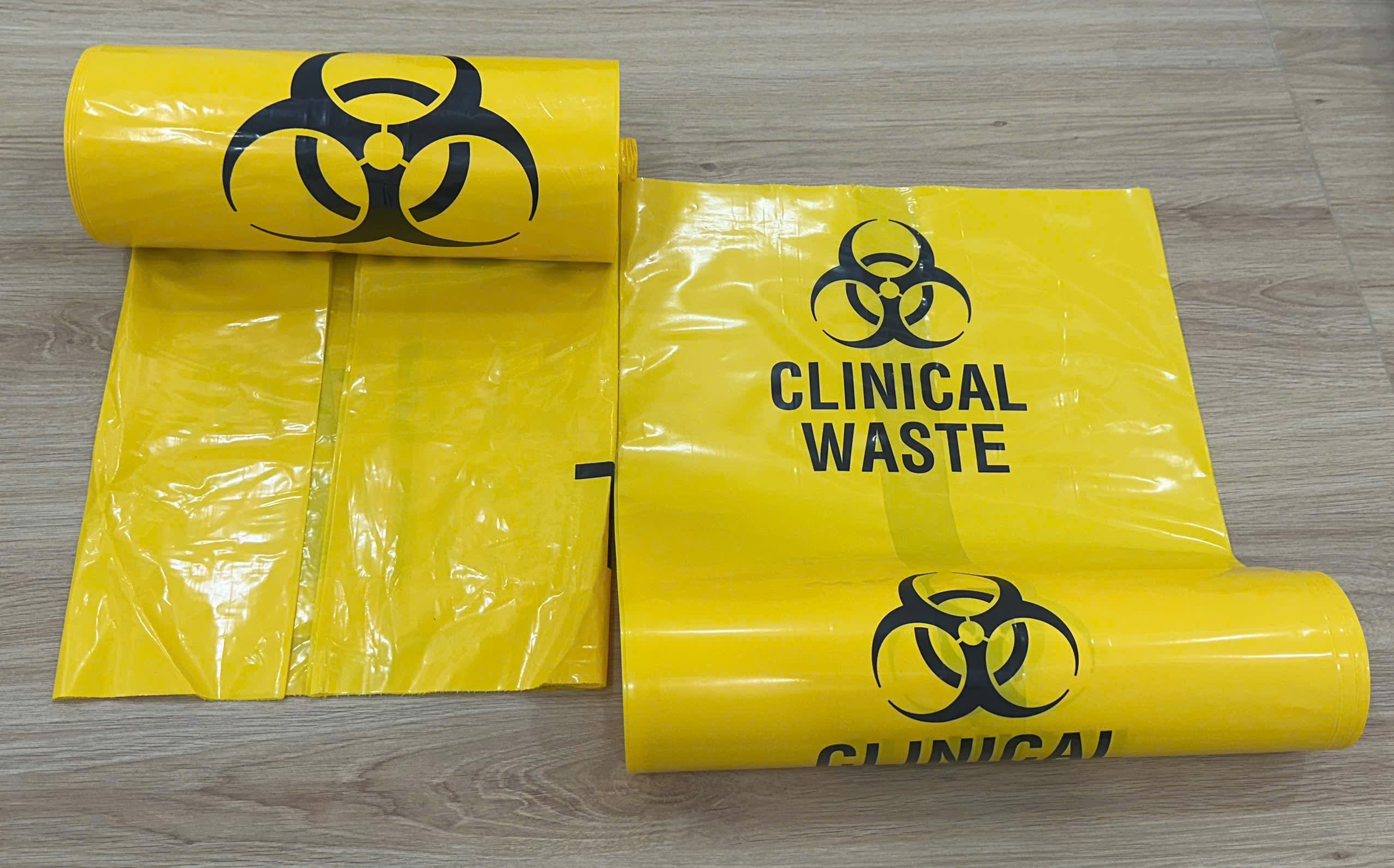
- Industrial waste collection: Hazardous Plastic Garbage bags with reinforced seams prevent leaks of chemicals or oils.
- Food packaging: Food Plastic Bags that require a quick, food‑safe seal for fresh produce or bulk dry goods.
- Construction debris: Refuse sack plastic bags with heavy‑duty handles for on‑site clean‑up.
- Logistics & shipping: Hand Stretch Film and Block Header Plastic Bags protect pallets during transit.
- Recycling streams: Recycle Plastic Bag solutions that can be sealed and compacted for efficient transport.
Stear Seal vs. Competing Bag Types
| Feature | Stear Seal Plastic Bag | Standard Polyethylene Bag | Heat‑Seal Film (non‑stear) |
|---|---|---|---|
| Seal temperature | 140‑160 °C (lower energy) | 180‑210 °C (higher energy) | 180‑210 °C |
| Seal strength | Up to 12 N/cm | 6‑8 N/cm | 7‑9 N/cm |
| Leak resistance | Excellent – self‑healing strip | Moderate – prone to seam failure | Good – depends on film uniformity |
| Recyclability | 100 % recyclable (including seal layer) | 100 % recyclable | Often multi‑layer, harder to recycle |
| Cost per kg | ~$1.10 | ~$0.90 | ~$1.30 |
Selection Checklist for Buyers
Use this checklist to ensure you choose the right Stear Seal Plastic Bag for your operation:
- Identify the load type: hazardous waste, food, construction debris, or recyclables.
- Determine required thickness: 30‑60 µm for light waste; 80‑120 µm for heavy or hazardous loads.
- Choose seal temperature capability: Verify your sealing equipment can maintain 140‑160 °C.
- Check regulatory compliance: Food‑grade, REACH, or EPA certifications.
- Assess customization needs: Handles, gussets, color coding, or printed branding.
- Evaluate environmental goals: Opt for recycled polymer grades if sustainability is a priority.
Handling, Storage, and Safety Tips
- Temperature control: Store bags in a cool, dry area (< 25 °C) to maintain seal integrity.
- Protection from UV: Keep away from direct sunlight; UV exposure can embrittle the film.
- Sealing equipment maintenance: Clean sealing bars regularly to avoid contamination of the stear strip.
- PPE for hazardous bags: Use gloves and eye protection when handling bags containing chemicals.
- Disposal: Follow local regulations for waste segregation; recyclable grades can be sent to authorized facilities.
Frequently Asked Questions
- Can Stear Seal Plastic Bags be used for food packaging? Yes, VNPLAST offers food‑grade grades that meet FDA and EU food‑contact regulations.
- What is the advantage of the stearic‑acid seal over traditional heat‑seal films? The lower seal temperature reduces energy consumption and minimizes heat damage to sensitive contents.
- Are recycled Stear Seal bags as strong as virgin‑material bags? When formulated correctly, recycled grades achieve comparable tensile strength and seal performance.
- How do I prevent seal failure in high‑humidity environments? Use bags with a moisture‑resistant coating and ensure the sealing surface is dry before activation.
- What sizes are available off‑the‑shelf? Standard widths range from 300 mm to 2000 mm; custom lengths up to 10 m are offered for bulk applications.
Conclusion
Choosing the right Stear Seal Plastic Bag hinges on understanding load requirements, seal performance, and compliance needs. VNPLAST’s portfolio delivers tailored solutions—from lightweight refuse sacks to heavy‑duty hazardous waste bags—while maintaining recyclability and cost efficiency. Use the checklist above, compare the technical table, and align your selection with industry standards to ensure a secure, sustainable, and cost‑effective packaging strategy.