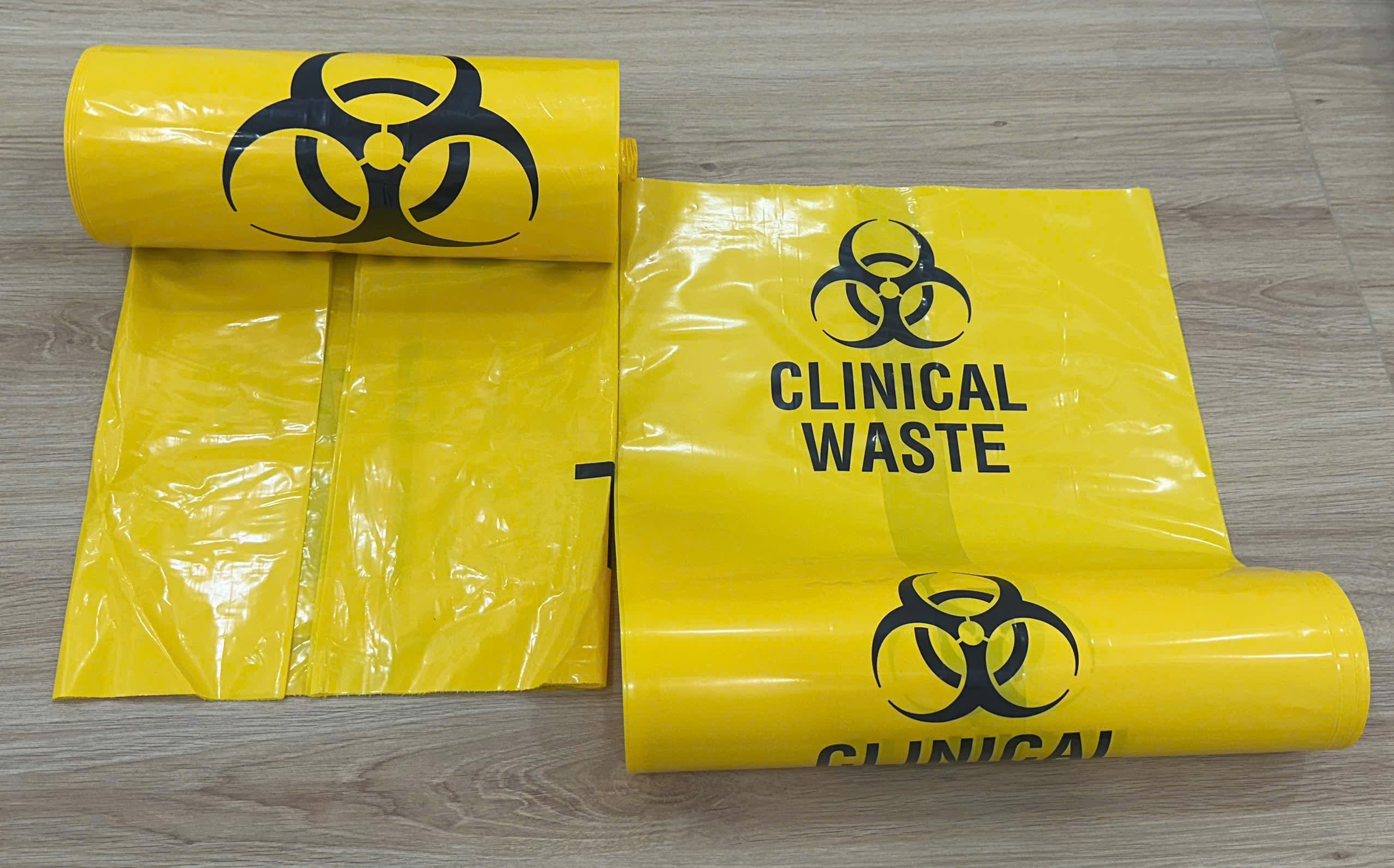
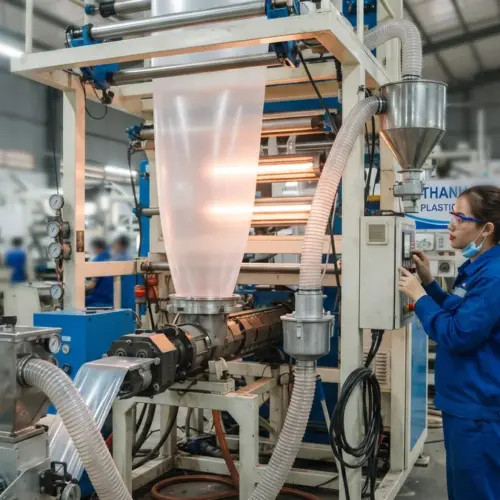
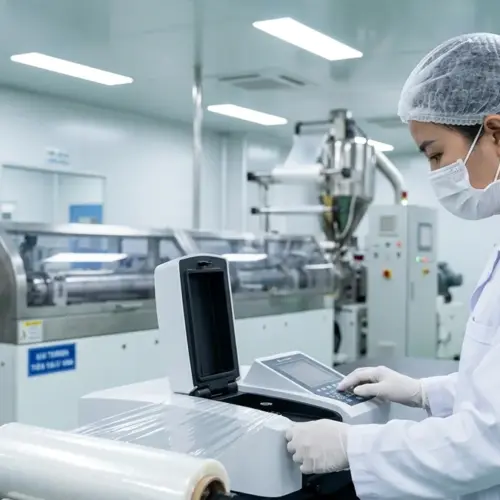
When businesses and facilities need a reliable, cost‑effective way to line containers, plastic bag roll liners are the go‑to solution. These continuous rolls of high‑density polyethylene (HDPE) or low‑density polyethylene (LDPE) can be cut to length, sealed, and placed inside waste bins, recycling containers, or hazardous material sacks. In the first 120 words we’ll define what plastic bag roll liners are, explain why they outperform pre‑cut bags, and outline the key factors—material grade, thickness, width, and closure type—that determine the right liner for any application.
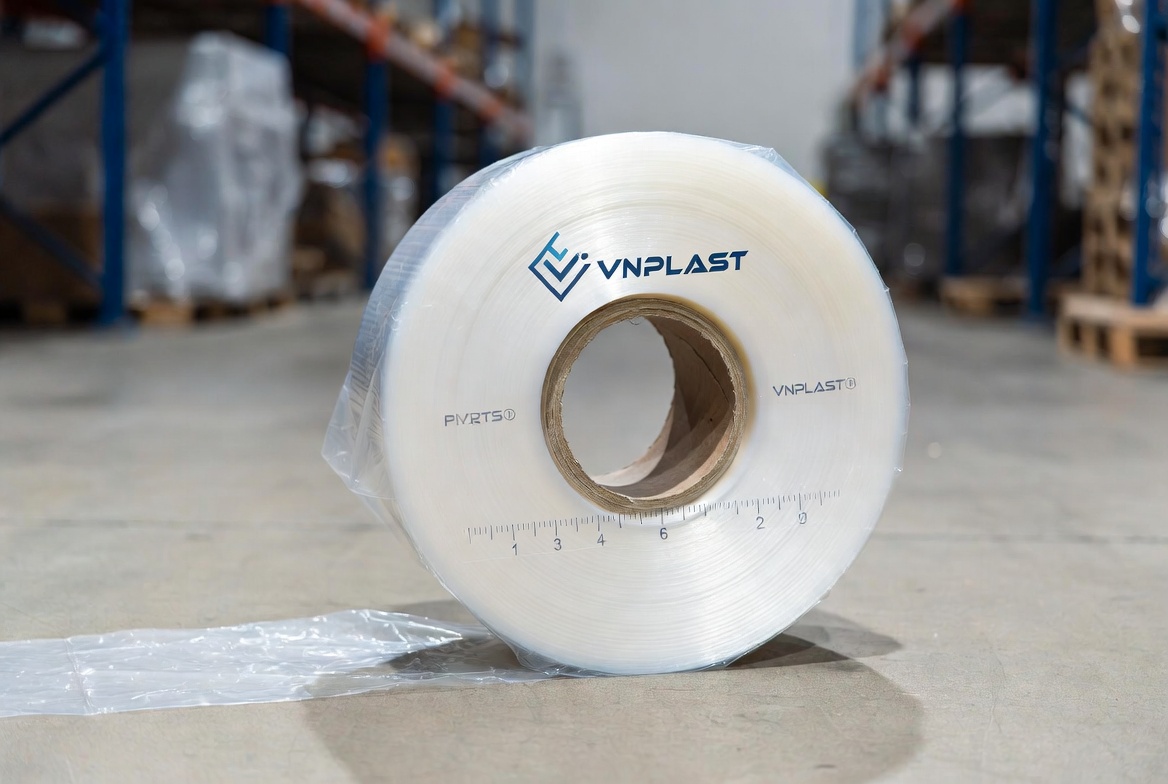
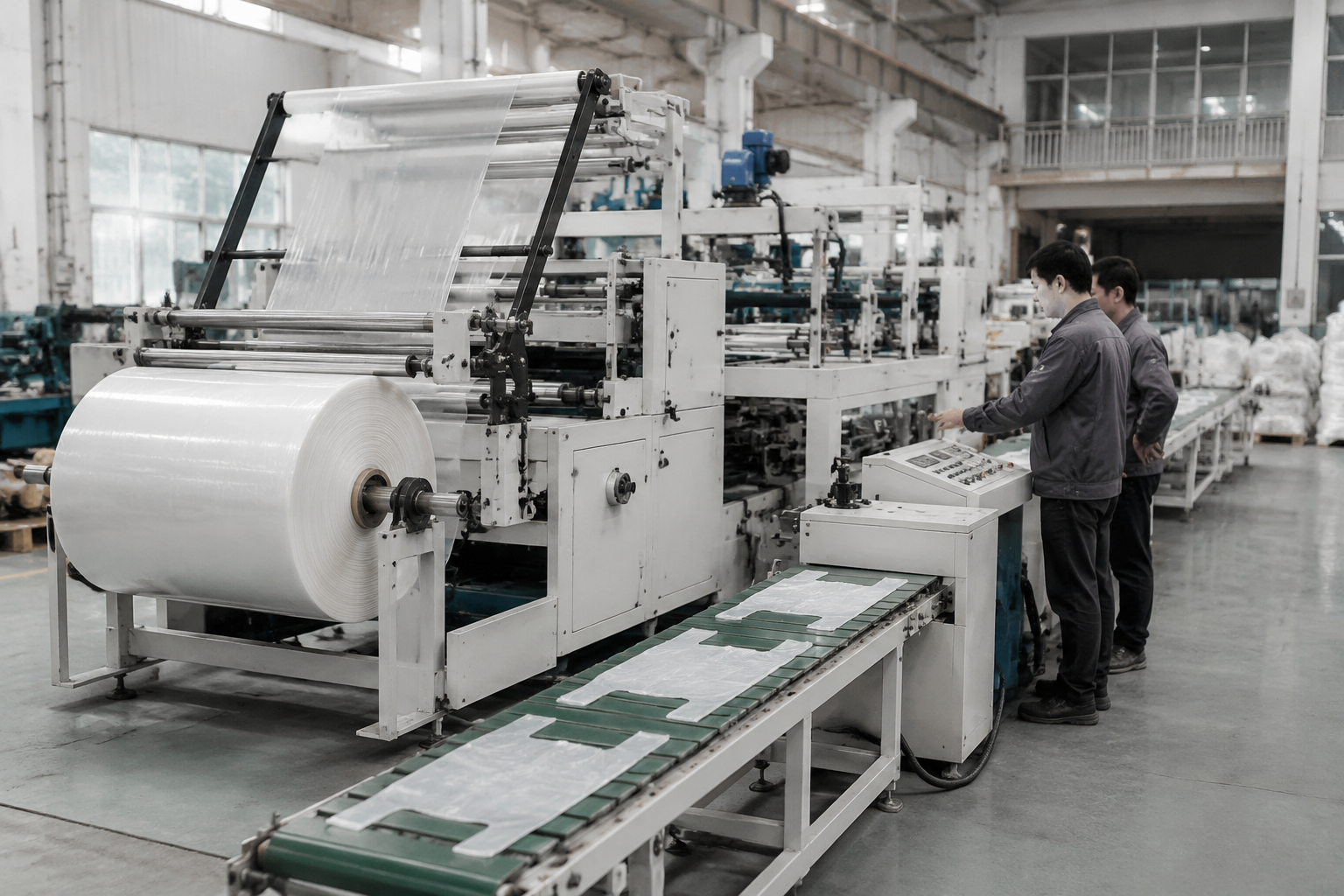
A close‑up of a roll of clear plastic bag roll liners unspooling on a warehouse floor, showing the embossed brand logo of VNPLAST and the m…
What Are Plastic Bag Roll Liners and How Do They Work?
Plastic bag roll liners are long sheets of polymer film wound onto a core, designed to be torn or cut into sections that fit the exact dimensions of a container. Unlike pre‑cut garbage bags, roll liners eliminate excess material, reduce storage space, and allow users to customize length for:
- Standard refuse sacks
- Hazardous waste containers
- Food‑grade bins
- Industrial bulk waste drums
Because they are supplied in rolls, they can be integrated with handle wrap tools or block header machines for automated sealing, further increasing efficiency.
Key Decision Factors When Selecting Plastic Bag Roll Liners
Material Type
- HDPE (High‑Density Polyethylene): Strong, puncture‑resistant, ideal for heavy refuse and hazardous waste.
- LDPE (Low‑Density Polyethylene): More flexible, better for food‑grade applications where stretchability matters.
- Recycled Polyethylene: Eco‑friendly option meeting many regulatory standards for recyclable waste.
Thickness (Gauge)
Thickness is measured in mils (thousandths of an inch) or microns. Choose based on load weight and content type:
- 2‑3 mil (50‑75 µm): Light‑weight refuse, office waste.
- 4‑6 mil (100‑150 µm): General waste, construction debris.
- 8‑10 mil (200‑250 µm): Hazardous chemicals, sharp objects, heavy industrial waste.
Width and Length
Typical widths range from 12 in (30 cm) to 48 in (122 cm). Wider rolls reduce seams in large containers. Length is cut on‑site; common practice is to cut 30‑ft lengths for 30‑gal bins and 60‑ft lengths for 55‑gal drums.
Closure Options
- Heat‑Sealable: Requires a sealing bar; provides airtight closure for food or hazardous waste.
- Self‑Seal Tape: Quick manual closure, useful for short‑term storage.
- Twist‑Tie Compatible: Allows simple manual sealing with a twist tie or zip tie.
Benefits Over Pre‑Cut Plastic Bags
- Space Efficiency: Rolls occupy 30‑70 % less warehouse space.
- Cost Savings: Reduces material waste by up to 25 % because you only cut what you need.
- Customization: Tailor length to any container, eliminating excess that can tear or slip.
- Environmental Impact: When using recycled polyethylene, the carbon footprint drops significantly.
Real‑World Use Cases
Industrial Waste Management
Manufacturing plants often generate bulky scrap and sharp metal fragments. A 48‑in HDPE roll liner, 8 mil thick, cut to 50‑ft lengths, fits over large drums and resists punctures. Integrated with a handle wrap tool, the liner can be sealed in seconds, reducing worker exposure.
Food Service and Hospitality
Restaurants require liners that meet food‑grade standards. LDPE roll liners, 3 mil thick, with a food‑safe certification, can be cut to fit countertop waste bins. The flexibility prevents tearing when handling greasy waste, and the clear film allows staff to see when bins are full.
Hazardous Chemical Storage
Facilities handling solvents need impermeable barriers. A 6‑mil HDPE roll liner with a heat‑seal coating provides a leak‑proof seal. When paired with a block header sealing machine, the liner can be sealed without opening the container, protecting both personnel and the environment.
Checklist: Selecting the Right Plastic Bag Roll Liner for Your Business
- Identify container dimensions (width, depth, height).
- Determine waste type (general, food, hazardous, recyclable).
- Select material grade (HDPE for strength, LDPE for flexibility, recycled for sustainability).
- Choose appropriate thickness based on load weight.
- Decide on closure method (heat seal, self‑seal tape, twist tie).
- Verify compliance with local regulations (e.g., FDA for food, EPA for hazardous).
- Request sample rolls to test fit and seal performance.
Pros and Cons of Plastic Bag Roll Liners
- Pros
- Customizable length reduces waste.
- Higher tensile strength than most pre‑cut bags.
- Better storage density.
- Compatible with automated sealing equipment.
- Cons
- Requires cutting tool or scissors.
- Initial setup may need a roll dispenser.
- Heat‑seal models need a sealing device.
Implementation Tips for Maximum Efficiency
- Install a wall‑mounted roll dispenser near waste collection points to streamline cutting.
- Train staff on proper cutting length to avoid over‑ or under‑sizing.
- Integrate roll liners with existing hand stretch film processes for a unified waste‑reduction strategy.
- Schedule regular audits of liner thickness and integrity, especially for hazardous waste streams.
Frequently Asked Questions
What thickness of plastic bag roll liner is recommended for standard kitchen waste?
For typical kitchen refuse, a 3‑mil LDPE liner provides enough flexibility and puncture resistance while remaining cost‑effective.
Can I use recycled plastic roll liners for hazardous waste?
Only if the recycled material meets the specific regulatory standards for the hazardous category. Look for certifications such as ASTM D642 for puncture resistance and EPA compliance.
How do I seal a roll liner without a heat‑sealing machine?
Self‑seal tape or twist‑tie closures are viable alternatives. Apply the tape along the top edge and press firmly, or twist a sturdy zip tie to secure the liner.
Do roll liners work with standard garbage cans?
Yes. Choose a width that matches the circumference of the can (usually 12‑18 in) and cut a length that extends 2‑3 in beyond the rim for a snug fit.
What is the environmental impact of using roll liners versus pre‑cut bags?
Roll liners reduce material waste by up to 25 % because you only cut what you need. When sourced from recycled polyethylene, they also lower virgin plastic consumption and carbon emissions.
Conclusion
Plastic bag roll liners offer a versatile, economical, and environmentally smarter alternative to traditional pre‑cut garbage bags. By selecting the appropriate material, thickness, width, and closure method, businesses can improve waste containment, reduce storage footprints, and comply with safety regulations. Whether you are managing industrial scrap, food‑service waste, or hazardous chemicals, VNPLAST’s range of roll liners can be tailored to fit any container and workflow. Implement the checklist above, test a sample roll, and integrate sealing tools to unlock the full efficiency gains of this adaptable packaging solution.
Table of Contents
plastic bag roll liners: practical overview
plastic bag roll liners specifications should always be confirmed before mass production.

Sourcing and support
Explore VN Plastic packaging products, review independent information from an authoritative environmental resource, or contact VN Plastic for a tailored specification and quotation.