When you search for t shirt roll packaging, you expect a clear answer on how this method protects garments, reduces costs, and speeds up fulfillment. In the first few seconds of reading, you’ll learn why roll packaging is the preferred choice for bulk apparel distributors, how it works, and which VNPLAST products can complement it. This guide covers material options, equipment, environmental considerations, and a step‑by‑step checklist to help you choose the right solution for your business.

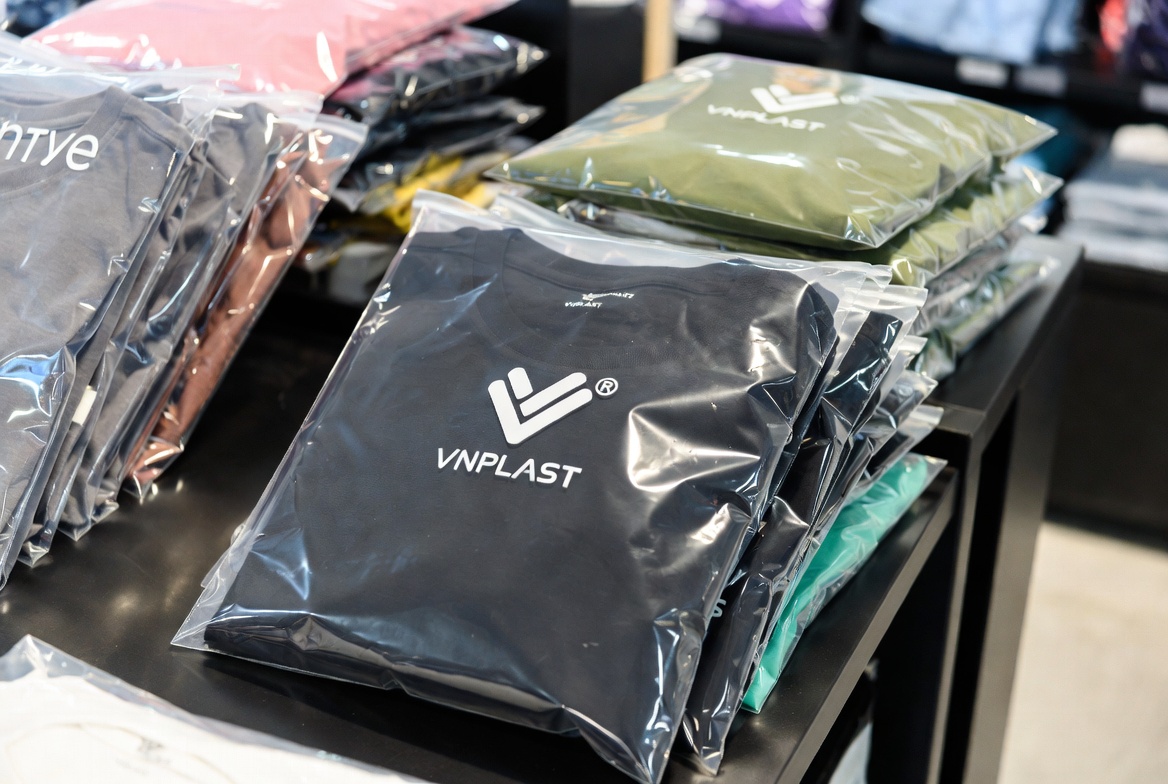
A close‑up of a stack of freshly folded T‑shirts tightly wound around a cardboard core, wrapped in clear plastic film, ready for shipment i…
Why Choose T Shirt Roll Packaging?
Roll packaging offers several distinct advantages over traditional flat‑fold cartons:
- Space Efficiency: A rolled T‑shirt occupies up to 40% less volume than a folded one, allowing more units per pallet.
- Reduced Handling: The roll can be loaded directly onto a conveyor or pallet without unpacking, cutting labor time.
- Enhanced Protection: The protective film shields the fabric from dust, moisture, and abrasion during transit.
- Brand Presentation: Transparent film showcases the product, creating a premium unboxing experience.
Core Components of T Shirt Roll Packaging
1. Core Material
The core provides the structural backbone for the roll. Common options include:
- Corrugated Cardboard Core: Lightweight, recyclable, and ideal for short‑haul shipments.
- Rigid Plastic Core: Offers higher durability for long‑distance or heavy‑load scenarios.
2. Protective Film
Choosing the right film is critical. VNPLAST’s Hand Stretch Film and Die Cut Bag Plastic are popular choices:
- Hand Stretch Film: Provides stretchability, conforming tightly around the roll while resisting punctures.
- Die Cut Bag Plastic: Pre‑cut sleeves that slide over the roll for quick sealing.
3. Sealing Method
Two main sealing techniques are used:
- Heat Sealing: Creates a permanent bond; best for high‑value apparel.
- Adhesive Tape: Faster and cheaper; suitable for low‑margin items.
Step‑by‑Step Process for Creating T Shirt Roll Packages
- Preparation: Ensure T‑shirts are clean, dry, and properly aligned.
- Folding: Use a standard 2‑fold or 3‑fold technique to create a uniform shape.
- Rolling: Place the folded shirt on the core and roll tightly from the bottom up.
- Film Application: Wrap the roll with Hand Stretch Film, overlapping edges by at least 2 cm.
- Sealing: Apply heat seal or tape to secure the film.
- Labeling: Attach a barcode or product label to the outer film for inventory tracking.
Decision Checklist: Is Roll Packaging Right for Your Business?
- Do you ship high volumes of T‑shirts regularly?
- Is pallet space a premium in your distribution center?
- Do you need a packaging method that minimizes unpacking labor?
- Are you targeting a market that values premium presentation?
- Can you integrate VNPLAST’s recyclable plastic film into your sustainability goals?
Environmental Impact and Recycling Options
VNPLAST offers Recycle Plastic Bag solutions that can be used as the outer film for roll packaging. These bags meet ISO 14021 standards for recyclability and can be collected after use for closed‑loop processing. Pairing roll packaging with recyclable film reduces landfill waste and aligns with corporate ESG commitments.
Cost Comparison: Roll Packaging vs. Traditional Cartons
| Factor | Roll Packaging | Flat Carton |
|---|---|---|
| Material Cost per Unit | $0.12 (core + film) | $0.25 (cardboard + inserts) |
| Labor Time | 15 seconds | 30 seconds |
| Pallet Utilization | 40 % higher | Standard |
| Environmental Footprint | Lower (recyclable film) | Higher (single‑use cardboard) |
Real‑World Use Cases
Several leading apparel brands have adopted roll packaging to streamline their supply chain:
- Urban Outfitters reduced warehouse floor space by 35% after switching to roll packs for their basic tee lines.
- Gymshark reported a 20% decrease in order‑fulfillment labor costs by integrating Hand Stretch Film from VNPLAST.
- EcoWear leveraged Recycle Plastic Bag film to meet its zero‑waste packaging pledge.
Implementation Tips and Common Pitfalls
Tips for Smooth Adoption
- Invest in a dedicated roll‑forming station to maintain consistent tension.
- Train staff on proper core alignment to avoid uneven rolls.
- Use barcode labels that can be scanned through the film for seamless inventory.
Avoid These Mistakes
- Over‑stretching the film: Can cause tearing and expose the garment.
- Using an undersized core: Leads to loose rolls that shift during transport.
- Skipping quality checks: Undetected defects can result in returns and brand damage.
Conclusion
Adopting t shirt roll packaging can transform your apparel logistics by saving space, cutting labor, and enhancing product presentation. By selecting the appropriate core, film (such as VNPLAST’s Hand Stretch Film or Recycle Plastic Bag), and sealing method, you create a robust, eco‑friendly solution that scales with demand. Use the checklist above to evaluate suitability, and follow the step‑by‑step process to implement roll packaging with confidence.
FAQ
What is the ideal core diameter for standard adult T‑shirts?
A 4‑inch (10 cm) cardboard core works well for most adult sizes, providing enough rigidity without adding excess weight.
Can roll packaging be used for printed or embroidered shirts?
Yes, the protective film safeguards prints and embroidery from abrasion and moisture, preserving print quality.
Is the film used in roll packaging recyclable?
When you choose VNPLAST’s Recycle Plastic Bag film, it meets standard recycling criteria and can be processed in most municipal facilities.
How does roll packaging affect shipping costs?
Because rolls occupy less volume, carriers often apply lower dimensional weight charges, resulting in 5‑15% savings per shipment.
Do I need special equipment to start using roll packaging?
A basic hand‑roll station and a stretch film dispenser are sufficient for small operations; larger facilities may invest in automated roll‑forming machines.
Table of Contents
t shirt roll packaging: practical overview
t shirt roll packaging specifications should always be confirmed before mass production.
Ask for a representative t shirt roll packaging sample when testing a new application.
Document the approved t shirt roll packaging requirements for repeat orders.
Compare t shirt roll packaging options using total application cost, not unit price alone.
Sourcing and support
Explore VN Plastic packaging products, review independent information from an authoritative environmental resource, or contact VN Plastic for a tailored specification and quotation.