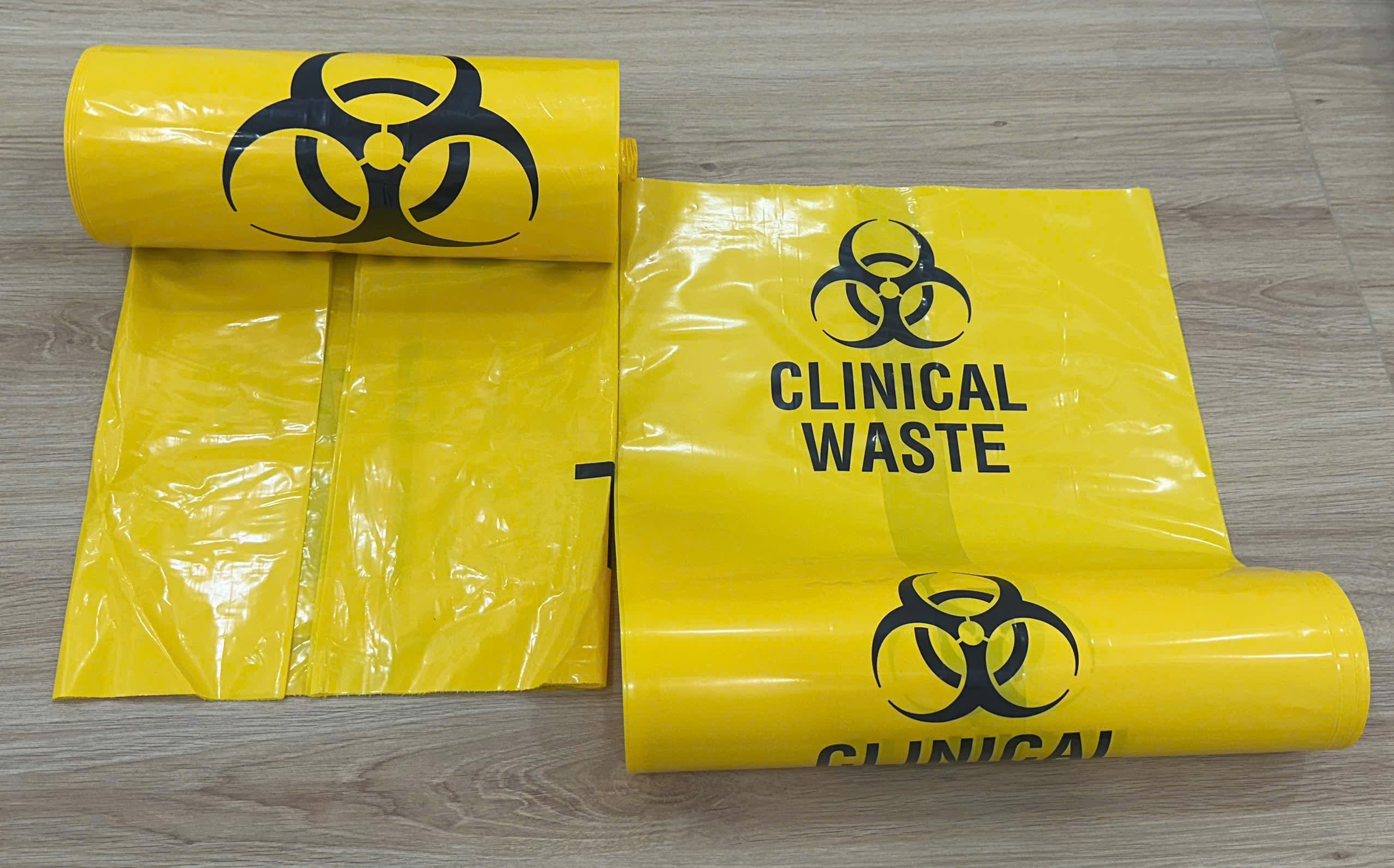
When you search for a reliable solution to contain and transport waste, the Handle Wrap Tool Plastic Bag often tops the list. Designed for durability, ease of handling, and compliance with safety regulations, these bags are essential for industrial, commercial, and municipal waste operations. This guide explains what makes them unique, how to choose the right type, and best practices for implementation, ensuring you get maximum value from every bag.
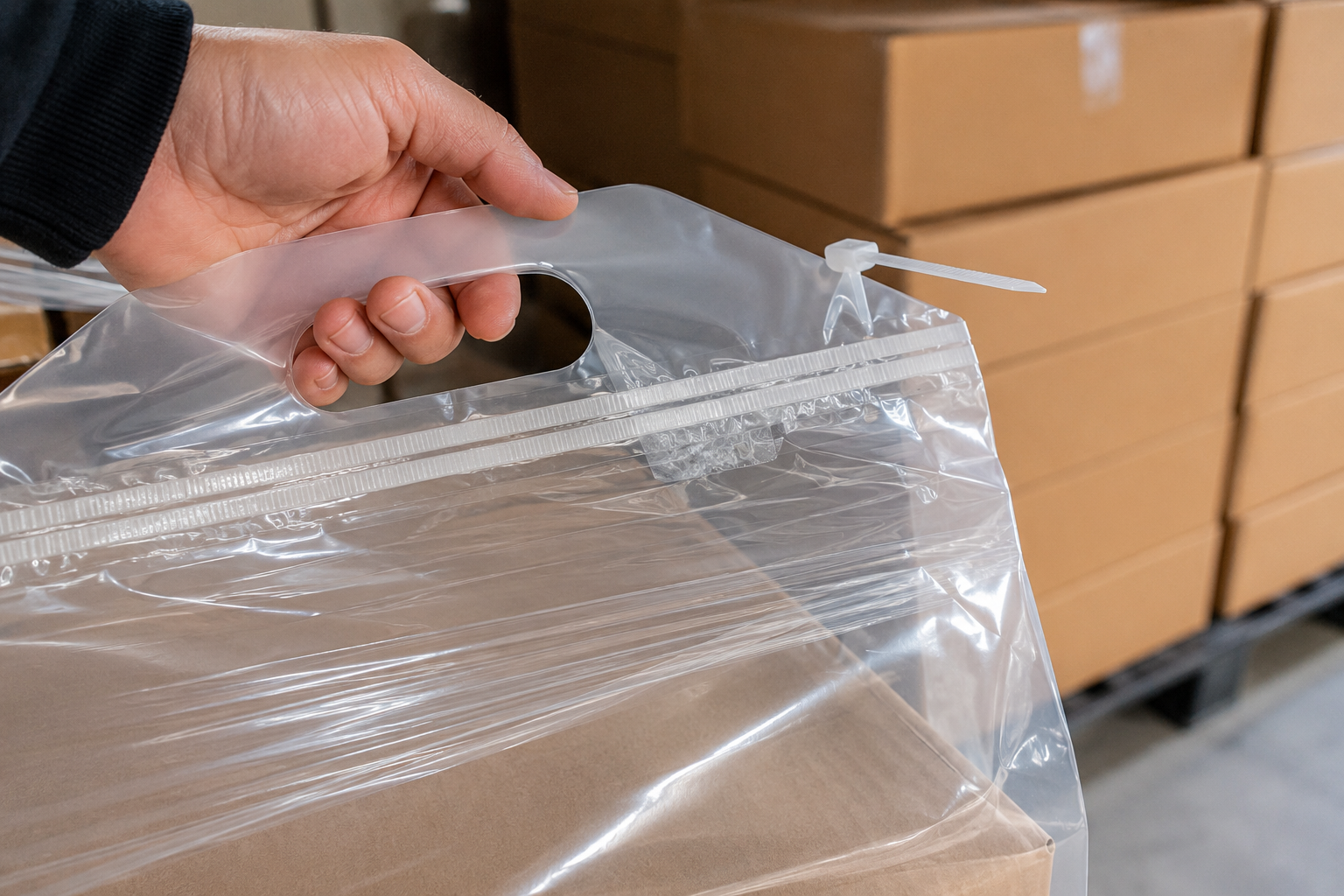
Key takeaways in the first 120 words: Handle Wrap Tool Plastic Bags feature reinforced handles, high‑density polyethylene (HDPE) construction, and a wrap‑tool compatible design that simplifies loading and unloading. They are ideal for hazardous waste, refuse sacks, and food‑grade applications. Selecting the proper thickness, size, and closure system can reduce tears, spills, and labor costs.
What Is a Handle Wrap Tool Plastic Bag?
A Handle Wrap Tool Plastic Bag is a heavy‑duty, high‑density polyethylene (HDPE) sack equipped with reinforced handles and a design that works with mechanical wrap tools. Unlike standard garbage bags, these bags are engineered to withstand rough handling, sharp edges, and heavy loads.
- Material: HDPE or low‑density polyethylene (LDPE) with UV stabilizers for outdoor use.
- Handles: Woven polypropylene or reinforced polyethylene strips, often double‑stitched.
- Closure: Zip‑seal, heat‑seal, or drawstring, depending on the application.
- Compatibility: Fits automatic wrap tools, forklift straps, and manual loading devices.
Core Benefits Over Standard Plastic Bags
- Strength: Tensile strength up to 30 MPa, reducing risk of tears.
- Safety: Handles stay intact even when the bag is fully loaded, preventing spills of hazardous material.
- Efficiency: Designed for rapid loading with wrap tools, cutting labor time by up to 40 %.
- Compliance: Meets ISO 9001 and local hazardous waste regulations.
How to Choose the Right Handle Wrap Tool Plastic Bag
1. Identify the Waste Type
Different waste streams demand specific bag characteristics:
- Hazardous Plastic Garbage: Requires chemical‑resistant liners and tamper‑evident seals.
- Food Plastic Bag: Must be food‑grade (FDA‑approved) and free of BPA.
- Refuse Sack Plastic Bag: General waste; focus on cost‑effectiveness and size.
2. Determine Load Capacity
Calculate the maximum weight per bag based on volume and density of the material. VNPLAST offers bags ranging from 10 kg to 200 kg load capacity.
3. Select the Appropriate Size and Thickness
| Bag Size (L × W × H) | Thickness (µm) | Typical Use |
| 600 mm × 800 mm × 1200 mm | 100 µm | Light refuse, office waste |
| 800 mm × 1000 mm × 1500 mm | 150 µm | Industrial scrap, moderate weight |
| 1000 mm × 1200 mm × 1800 mm | 200 µm | Heavy hazardous waste, construction debris |
4. Evaluate Closure Options
- Zip‑seal: Quick reseal for reusable applications.
- Heat‑seal: Provides tamper‑proof sealing for hazardous waste.
- Drawstring: Simple closure for bulk refuse.
Installation and Use: Step‑by‑Step Guide
Step 1 – Prepare the Work Area
Clear the loading zone, ensure the wrap tool is calibrated, and wear appropriate PPE.
Step 2 – Position the Bag
Place the bag on a flat surface, align the handles with the tool’s gripping points, and verify that the bag is oriented correctly (open side up).
Step 3 – Load the Material
Gradually add waste, keeping the load centered to avoid stress on a single handle. For hazardous waste, use secondary containment trays.
Step 4 – Engage the Wrap Tool
Activate the wrap tool’s clamp, secure the handles, and pull the bag upward. The tool’s tension mechanism will evenly distribute weight across both handles.
Step 5 – Seal and Transport
Apply the chosen closure (zip‑seal, heat‑seal, or drawstring). Then, move the bag using a forklift or pallet jack. Verify that the handles remain secure before transport.
Comparison: Handle Wrap Tool Plastic Bag vs. Other Bag Types
- Handle Wrap Tool Plastic Bag vs. Hand Stretch Film: Stretch film is ideal for palletizing but lacks a sealed container, making it unsuitable for hazardous liquids.
- Handle Wrap Tool Plastic Bag vs. Die Cut Bag Plastic: Die‑cut bags are pre‑shaped for specific items; they do not provide the same load‑bearing handles.
- Handle Wrap Tool Plastic Bag vs. Block Header Plastic Bag: Block header bags have a reinforced top edge but typically lack ergonomic handles for tool integration.
Checklist: Purchasing the Right Handle Wrap Tool Plastic Bag
- ✅ Confirm waste classification (hazardous, food‑grade, general).
- ✅ Verify load capacity meets peak weight requirements.
- ✅ Choose appropriate thickness (≥150 µm for heavy loads).
- ✅ Ensure handles are double‑stitched and compatible with existing wrap tools.
- ✅ Select closure type that aligns with regulatory compliance.
- ✅ Request sample bags for fit‑testing before bulk order.
- ✅ Check for certifications: ISO 9001, FDA (if food‑grade), local hazardous waste permits.
Real‑World Use Cases
Manufacturing plants use these bags to collect metal shavings, while municipalities rely on them for hazardous household waste collection. Food processing facilities appreciate the food‑grade version for disposing of organic waste without cross‑contamination.
Maintenance and Disposal Guidelines
- Inspection: Before each use, examine handles for fraying and check for punctures.
- Reuse: If the bag remains intact, it can be cleaned and reused up to three cycles for non‑hazardous waste.
- Disposal: Follow local regulations; many regions accept HDPE bags in recycling streams labeled “plastic #2”.
Frequently Asked Questions
What thickness is recommended for hazardous waste?
For hazardous waste, a minimum of 200 µm HDPE with a heat‑seal closure is advised to prevent leaks and meet safety standards.
Can the handles be reinforced further?
Yes, VNPLAST offers optional steel‑reinforced handles for extreme load scenarios exceeding 200 kg.
Are these bags compatible with all wrap tools?
They are designed for standard European‑style wrap tools. For custom or legacy equipment, verify the handle spacing and clamp pressure.
How do I store the bags to preserve their integrity?
Keep bags in a cool, dry environment away from direct sunlight. UV exposure can degrade HDPE over time.
Do they meet food‑safety regulations?
The food‑grade version complies with FDA 21 CFR Part 177, making it safe for direct contact with food waste.
Conclusion
The Handle Wrap Tool Plastic Bag is a versatile, high‑performance solution for a wide range of waste management needs. By selecting the correct material, thickness, size, and closure system, businesses can improve safety, reduce labor costs, and stay compliant with environmental regulations. Use the checklist above to evaluate suppliers, request samples, and integrate these bags seamlessly into your existing waste handling workflow.
Table of Contents
Handle Wrap Tool Plastic Bag: practical overview

Sourcing and support
Explore VN Plastic packaging products, review independent information from an authoritative environmental resource, or contact VN Plastic for a tailored specification and quotation.