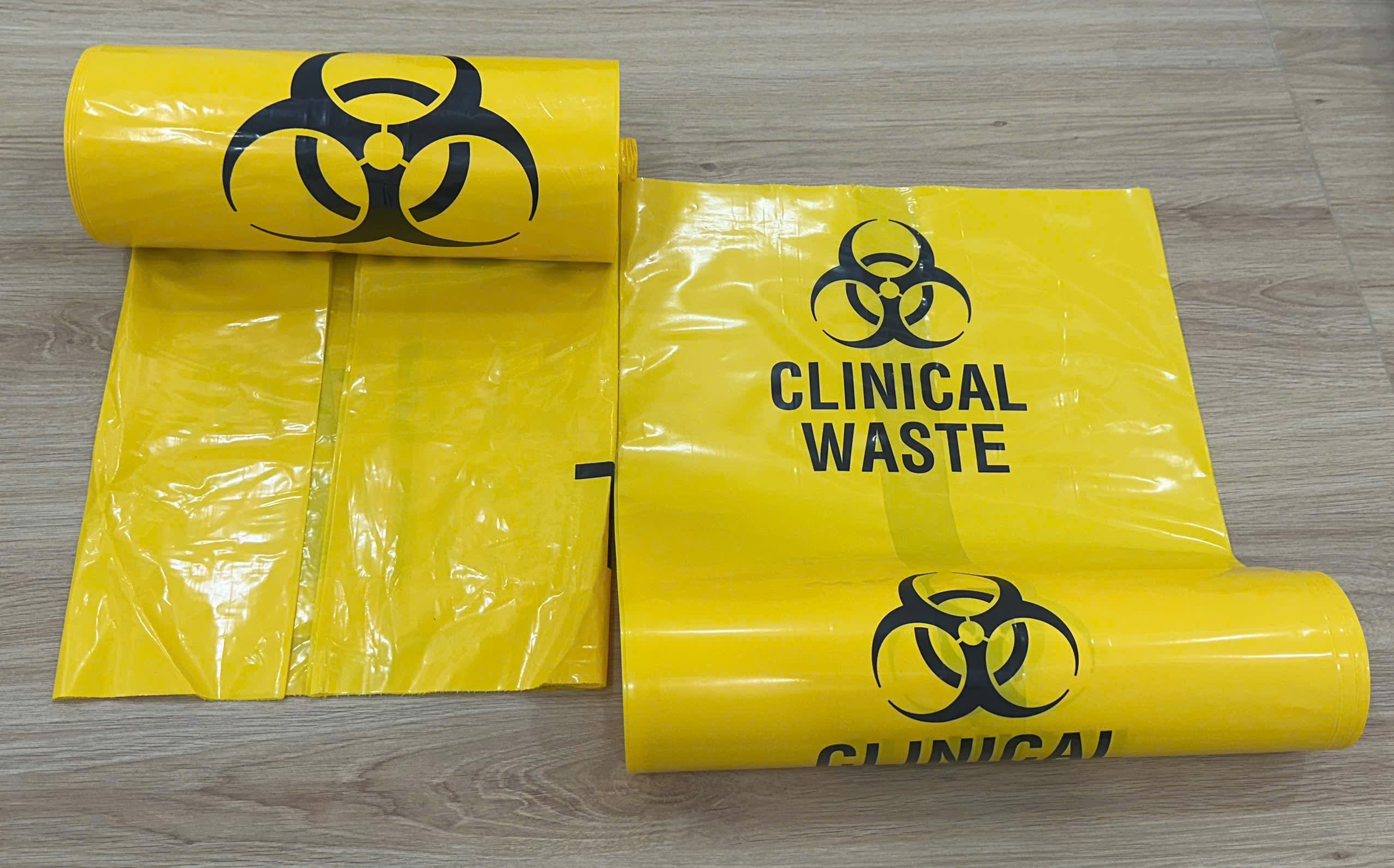
Looking for a reliable way to keep food fresh, protect hazardous waste, or extend the shelf life of bulk materials? The Stear Seal vacuum seal bag delivers airtight protection, superior barrier performance, and easy‑to‑use sealing technology. In the first 120 words, we’ll explain what makes Stear Seal bags stand out, how to choose the right size, and why they’re a top choice for businesses and home users alike.
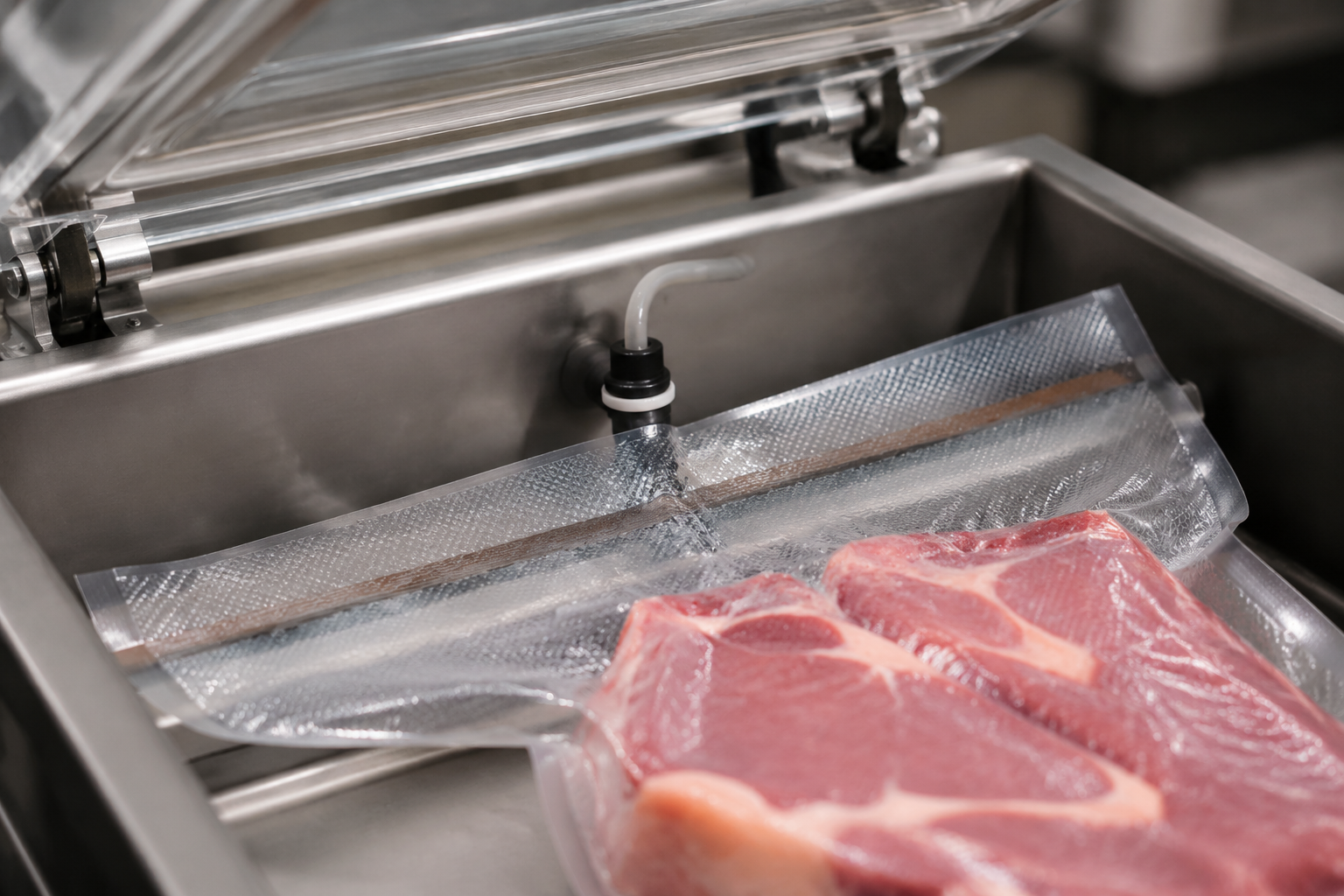
close-up of a Stear Seal vacuum seal bag being sealed in a vacuum chamber, showing the transparent bag, sealing strip, and vacuum hose
What Is a Stear Seal Vacuum Seal Bag?
A Stear Seal vacuum seal bag is a high‑density polyethylene (HDPE) or multilayer polymer pouch designed for use with vacuum sealers. The bag features a reinforced sealing edge that melts uniformly under heat, creating a permanent, leak‑proof seal. Compared with standard plastic bags, Stear Seal bags provide:
- Oxygen barrier of up to 0.1 cc/m²/24 h
- Moisture resistance for up to 180 days
- Temperature tolerance from –40 °C to +80 °C
- Compatibility with food, chemicals, and industrial powders
Key Features That Set Stear Seal Apart
1. Reinforced Sealing Strip
The patented stearic‑acid coating on the sealing strip ensures a smooth melt, eliminating weak spots that can cause leaks.
2. Multi‑Layer Construction
Typical constructions include an inner HDPE layer, a middle EVOH barrier, and an outer nylon or PET layer for puncture resistance.
3. Transparent Visibility
Clear film lets users verify contents without opening the bag, essential for inventory control.
4. Customizable Sizes
From 5 × 8 in to industrial rolls of 30 × 100 ft, Stear Seal bags can be cut to exact dimensions, reducing waste.
How to Choose the Right Stear Seal Vacuum Seal Bag
Choosing the correct bag hinges on three decision factors: material compatibility, size, and sealing equipment.
- Material Compatibility: For food, select bags with FDA‑approved HDPE. For chemicals, opt for nylon‑reinforced variants.
- Size & Thickness: Larger, thicker bags (0.075 mm+) resist puncture for bulk goods; thinner bags (0.050 mm) are ideal for home use.
- Sealer Compatibility: Ensure your vacuum sealer can reach the required temperature (typically 180‑210 °C) for a proper melt.
Comparison with Other VNPLAST Products
VNPLAST offers a range of polymer packaging solutions. Understanding the differences helps you avoid costly mismatches.
| Feature | Stear Seal Vacuum Seal Bag | Hand Stretch Film | Die Cut Bag Plastic |
|---|---|---|---|
| Seal Type | Heat‑melt, permanent | Mechanical stretch | Heat seal or zip |
| Barrier Performance | High O₂ & moisture barrier | Low barrier | Variable (depends on material) |
| Typical Use | Food preservation, hazardous waste | Pallet protection | Retail packaging |
| Reusability | Single‑use (re‑seal possible with compatible sealer) | Reusable | Usually single‑use |
Pros & Cons Checklist
- Pros
- Exceptional airtight seal
- Extended shelf life for perishable goods
- Resistance to punctures and tears
- Clear visual inspection
- Cons
- Requires a compatible vacuum sealer
- Higher upfront cost than standard zip bags
- Not biodegradable (unless using recycled material)
Real‑World Applications
Food Industry
Restaurants and catering services use Stear Seal bags to keep meats, cheeses, and pre‑cut vegetables fresh for up to 30 days, reducing waste and improving menu consistency.
Hazardous Waste Management
Industrial plants package contaminated powders or liquids in Stear Seal bags, then vacuum seal to prevent aerosol release, meeting OSHA and EPA containment standards.
Manufacturing & Logistics
Bulk components such as screws, electronic parts, or fabric rolls are vacuum‑sealed to protect against moisture and dust during shipping.
Installation & Sealing Tips for Best Results
- Pre‑Check the Bag: Ensure the sealing strip is clean and free of debris.
- Load Properly: Place the item centrally, leaving at least 2 in of free space on each side of the seal.
- Set Correct Temperature: Adjust the sealer to the manufacturer’s recommended range (180‑210 °C).
- Vacuum Time: For dry goods, 30‑45 seconds is sufficient; for moist items, extend to 60‑90 seconds.
- Cool Before Handling: Allow the seal to solidify for 5‑10 seconds to avoid re‑opening.
Maintenance, Reuse, and Sustainability
While Stear Seal bags are primarily single‑use, some users re‑seal them with a compatible heat sealer after opening. For sustainability, VNPLAST offers a recycled‑content line that meets the same barrier specifications while reducing virgin plastic use.
Cost Considerations and ROI
Initial cost per bag ranges from $0.10 (thin home‑use) to $0.45 (industrial‑grade). However, the reduction in product spoilage (up to 25 % savings) and compliance‑related cost avoidance for hazardous waste can deliver a clear return on investment within 3‑6 months for most businesses.
Frequently Asked Questions
What thickness should I choose for home food storage?
For typical kitchen use, a 0.050 mm thickness provides sufficient durability while keeping costs low.
Can I use Stear Seal bags with a handheld vacuum pump?
Yes, as long as the pump can achieve a vacuum pressure of at least –0.8 bar and the sealer can reach the required temperature.
Are the bags FDA‑approved for direct food contact?
All Stear Seal bags intended for food are manufactured from FDA‑compliant HDPE and undergo migration testing.
How do I dispose of used Stear Seal bags?
They should be placed in the appropriate plastic recycling stream if your municipality accepts HDPE. For hazardous waste applications, follow local hazardous waste disposal regulations.
Do Stear Seal bags work with sous‑vide cooking?
Absolutely. Their high temperature tolerance (up to +80 °C) makes them suitable for sous‑vide, but ensure the bag is rated for food‑grade and that the seal is fully intact.
Conclusion
The Stear Seal vacuum seal bag combines advanced barrier technology, robust sealing, and versatile sizing to meet the demanding needs of food preservation, hazardous waste containment, and industrial logistics. By selecting the right thickness, size, and compatible sealer, businesses and home users can achieve longer shelf life, compliance with safety standards, and measurable cost savings. VNPLAST’s commitment to quality and recycled‑content options further enhances the product’s environmental profile, making it a smart, future‑proof choice for any sealing application.
Table of Contents
Stear Seal vacuum seal bag: practical overview
Compare Stear Seal vacuum seal bag options using total application cost, not unit price alone.

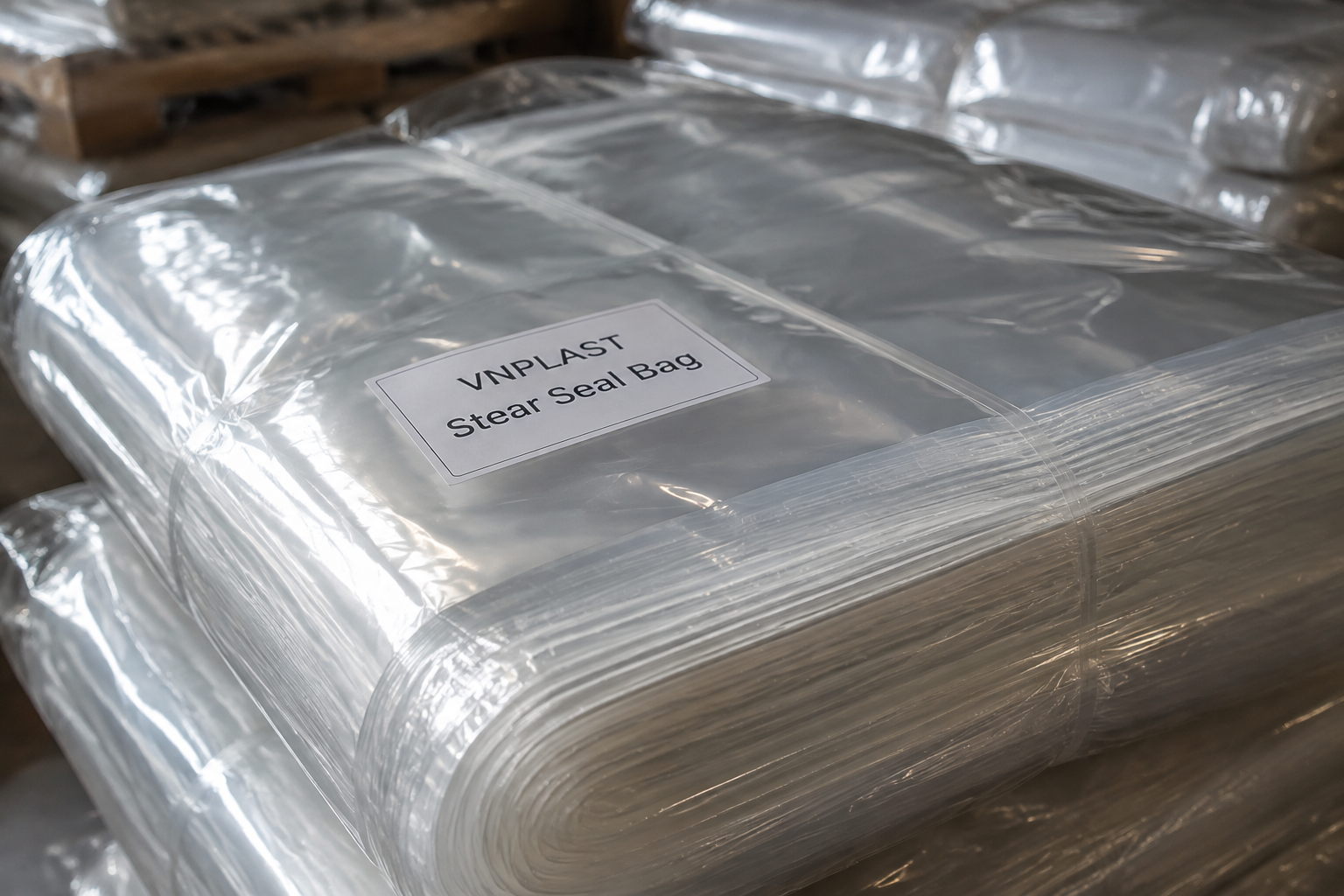
Sourcing and support
Explore VN Plastic packaging products, review independent information from an authoritative environmental resource, or contact VN Plastic for a tailored specification and quotation.