When it comes to protecting goods during transit, hand stretch film for pallets is a cornerstone of modern logistics. It offers a lightweight, cost‑effective barrier that keeps items together, prevents moisture damage, and reduces freight costs. This guide dives deep into the mechanics, selection criteria, application techniques, and real‑world use cases that make hand stretch film indispensable for palletized shipments.
Whether you’re a warehouse manager, logistics coordinator, or supply‑chain analyst, understanding how to choose and apply the right film can dramatically improve product safety and operational efficiency.
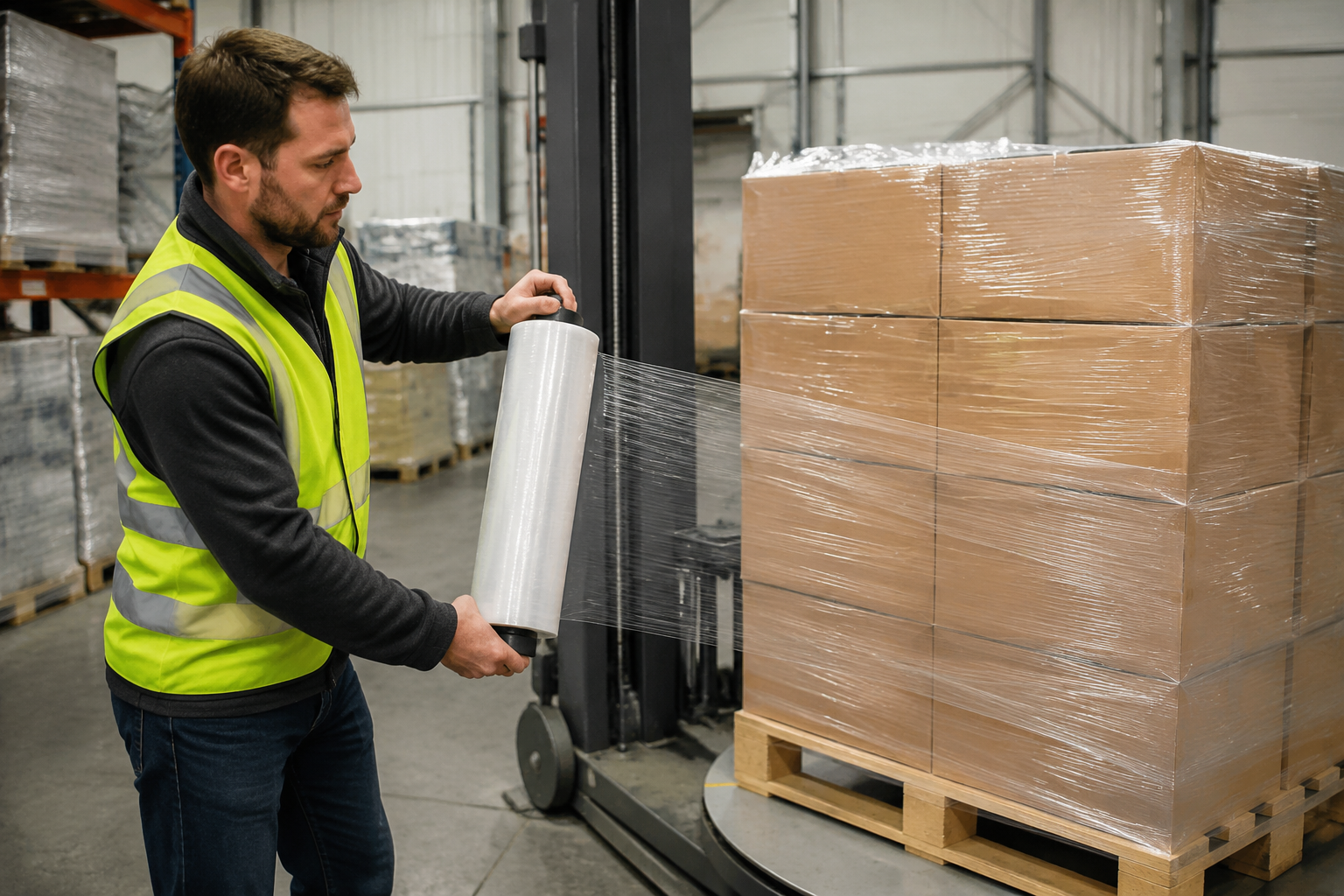
Hand stretch film rolls being applied to a pallet of packaged goods with a hand stretch film machine in a warehouse setting
What Is Hand Stretch Film for Pallets?
Hand stretch film is a thin, transparent plastic film that stretches when pulled, forming a snug, protective layer over palletized loads. Unlike blow‑molded or extrusion stretch film, hand stretch film is typically supplied in rolls and applied manually or with a hand‑held stretch machine. Its key attributes include:
- Low weight and volume – reduces shipping costs.
- High tensile strength – resists tearing under load.
- UV and chemical resistance – protects sensitive goods.
- Ease of use – no complex machinery required.
Because it is available in a variety of thicknesses (typically 0.2–0.5 mm) and widths, it can be tailored to specific pallet sizes and product types.
Key Benefits of Hand Stretch Film for Pallets
- Enhanced Load Stability – Keeps cartons and containers firmly in place, preventing shifting that can cause damage.
- Moisture and Dust Protection – Creates a barrier against environmental elements.
- Reduced Packaging Footprint – Less material needed compared to rigid packaging.
- Cost‑Effective – Lower material and labor costs compared to other securing methods.
- Recyclable Options – Many manufacturers offer recycled content films that comply with sustainability goals.
Choosing the Right Film: Decision Factors
Film Thickness and Strength
Thicker films (≥ 0.4 mm) provide greater tensile strength for heavy or fragile goods. Lighter loads can use thinner films (0.2–0.3 mm) to save material costs.
Width and Roll Size
Standard roll widths range from 1 m to 2 m. Wider rolls reduce the number of passes needed, speeding up application.
Material Composition
High‑density polyethylene (HDPE) and low‑density polyethylene (LDPE) are common. HDPE offers better durability, while LDPE provides superior stretchability.
Color Coding
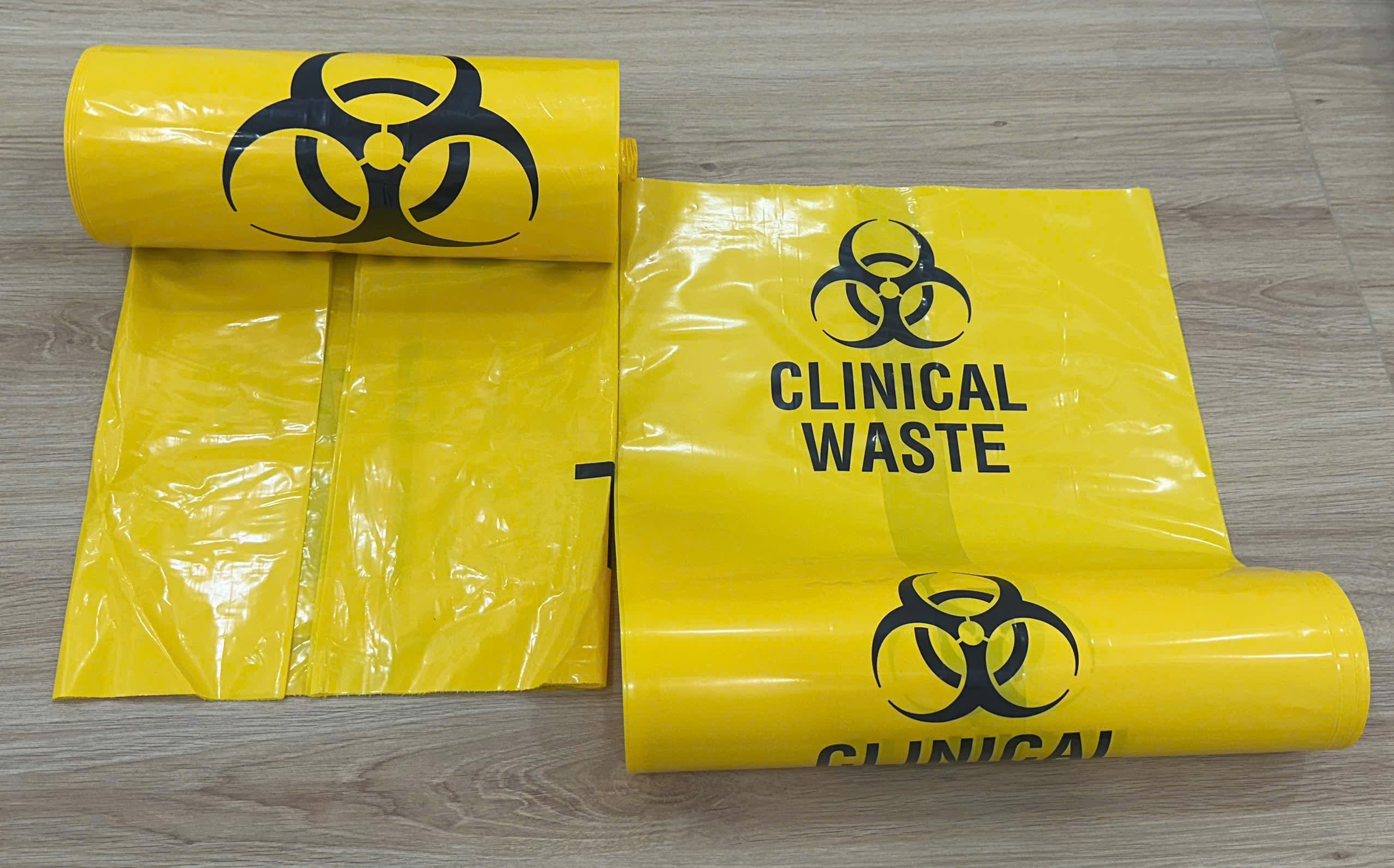
Color‑coded films can help identify product categories or hazard levels (e.g., Hazardous Plastic Garbage requires a distinct color for quick recognition).
Recycled Content
For environmentally conscious operations, choose films that incorporate recycled plastic or are certified for recycling.
Application Techniques
Proper application maximizes the protective qualities of hand stretch film. Follow these steps for a professional finish:
- Clean the pallet surface – Remove dust and debris to ensure adhesion.
- Start with a base layer – Apply a few centimeters of film at the base to anchor the load.
- Use a steady, even pull – Stretch the film horizontally, then vertically, maintaining tension to avoid wrinkles.
- Overlap layers – Each new layer should overlap the previous one by at least 10 cm.
- Secure the top layer – Finish with a tight wrap around the topmost cartons, ensuring a tight seal.
- Trim excess – Use a sharp blade to remove any loose film that could snag.
Equipment Needed
- Hand Stretch Film Machine – A simple, manual machine that grips the film and applies tension.
- Cutting Tool – A precision blade or scissors for trimming.
- Spreader or Roller – Helps spread the film evenly across the pallet.
Common Mistakes and How to Avoid Them
- Over‑stretching – Excessive tension can cause film tears; use a calibrated machine.
- Under‑tensioning – Loose film leads to shifting; maintain consistent tension.
- Skipping the base layer – Without a base, the film may not adhere properly.
- Improper overlap – Insufficient overlap reduces load stability.
- Neglecting film quality – Low‑grade film can snap under stress.
Comparison: Hand Stretch Film vs. Other Pallet Securing Methods
When deciding between hand stretch film and alternatives such as shrink wrap, stretch tape, or pallet jack straps, consider the following matrix:
</
| Method | Cost | Time to Apply | Load Stability | Environmental Impact | Best Use Case |
|---|
Table of Contents
hand stretch film for pallets: practical overview
Compare hand stretch film for pallets options using total application cost, not unit price alone.
hand stretch film for pallets specifications should always be confirmed before mass production.
Ask for a representative hand stretch film for pallets sample when testing a new application.
Sourcing and support
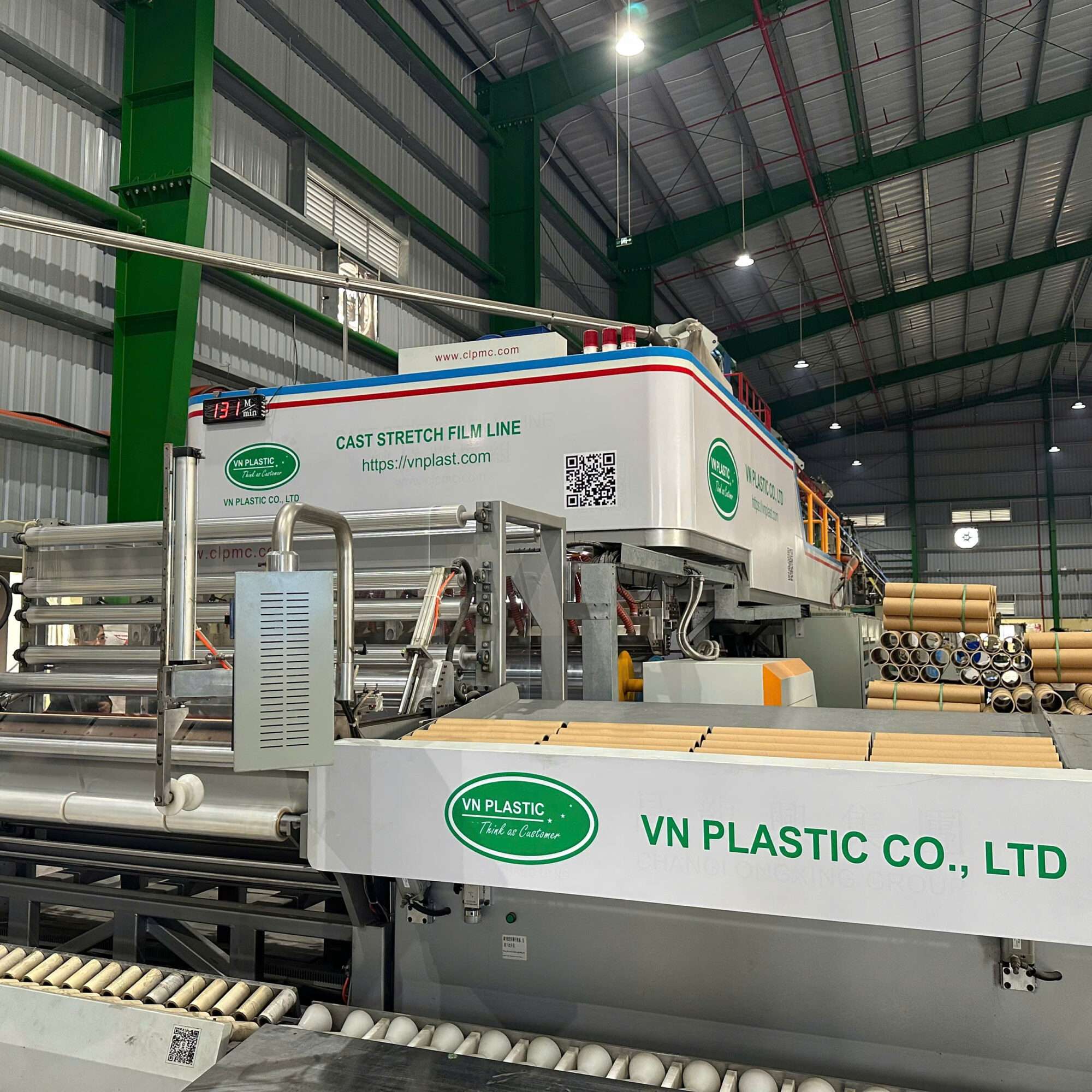
Explore VN Plastic packaging products, review independent information from an authoritative environmental resource, or contact VN Plastic for a tailored specification and quotation.