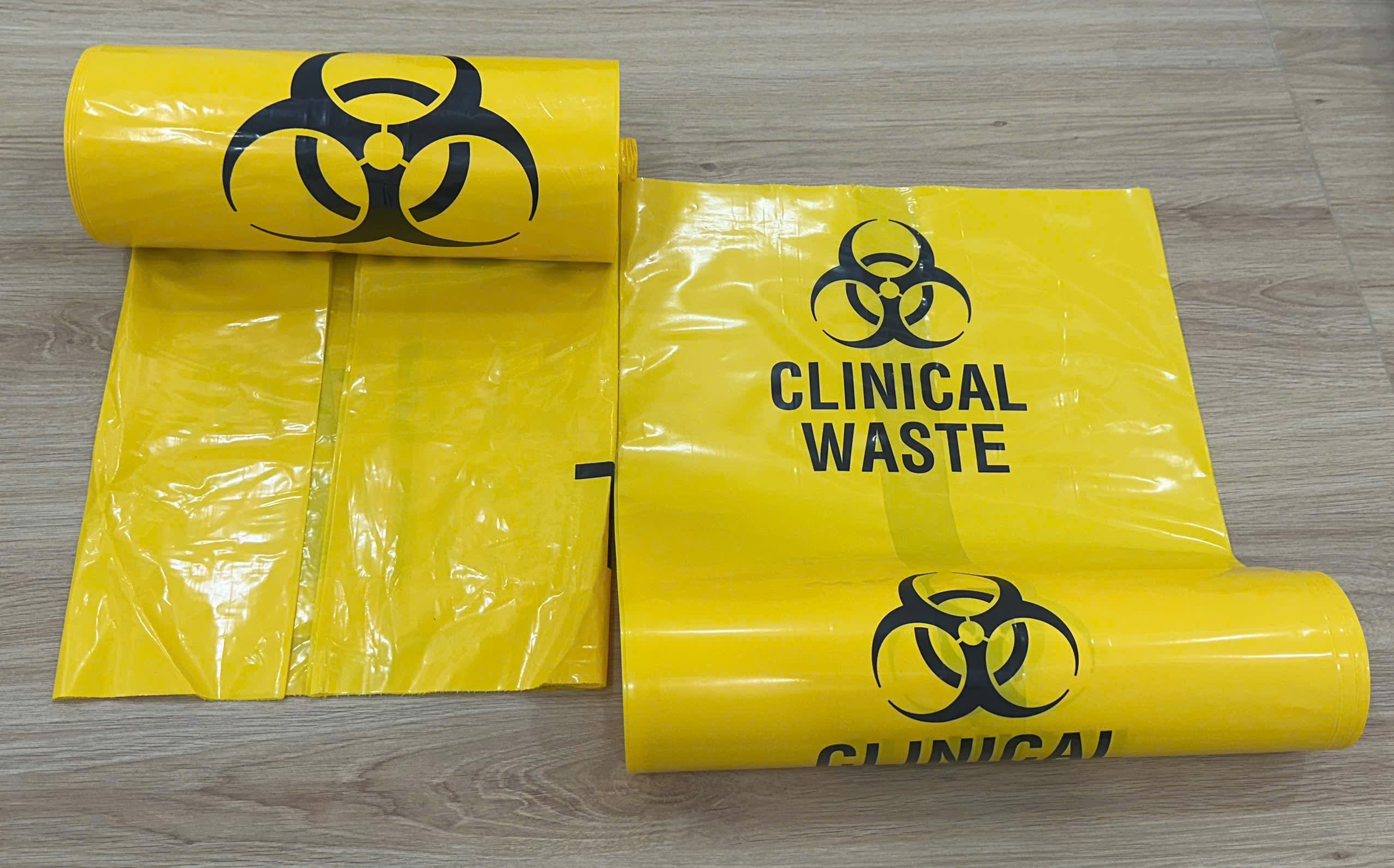
When you search for plastic bag design, you expect clear, actionable guidance on creating bags that are functional, cost‑effective, and visually appealing. This article delivers exactly that—covering material choices, structural features, printing techniques, sustainability options, and compliance tips—all tailored for businesses like VNPLAST. By the end, you’ll have a practical roadmap to design plastic bags that meet market demands, protect products, and reinforce brand identity.
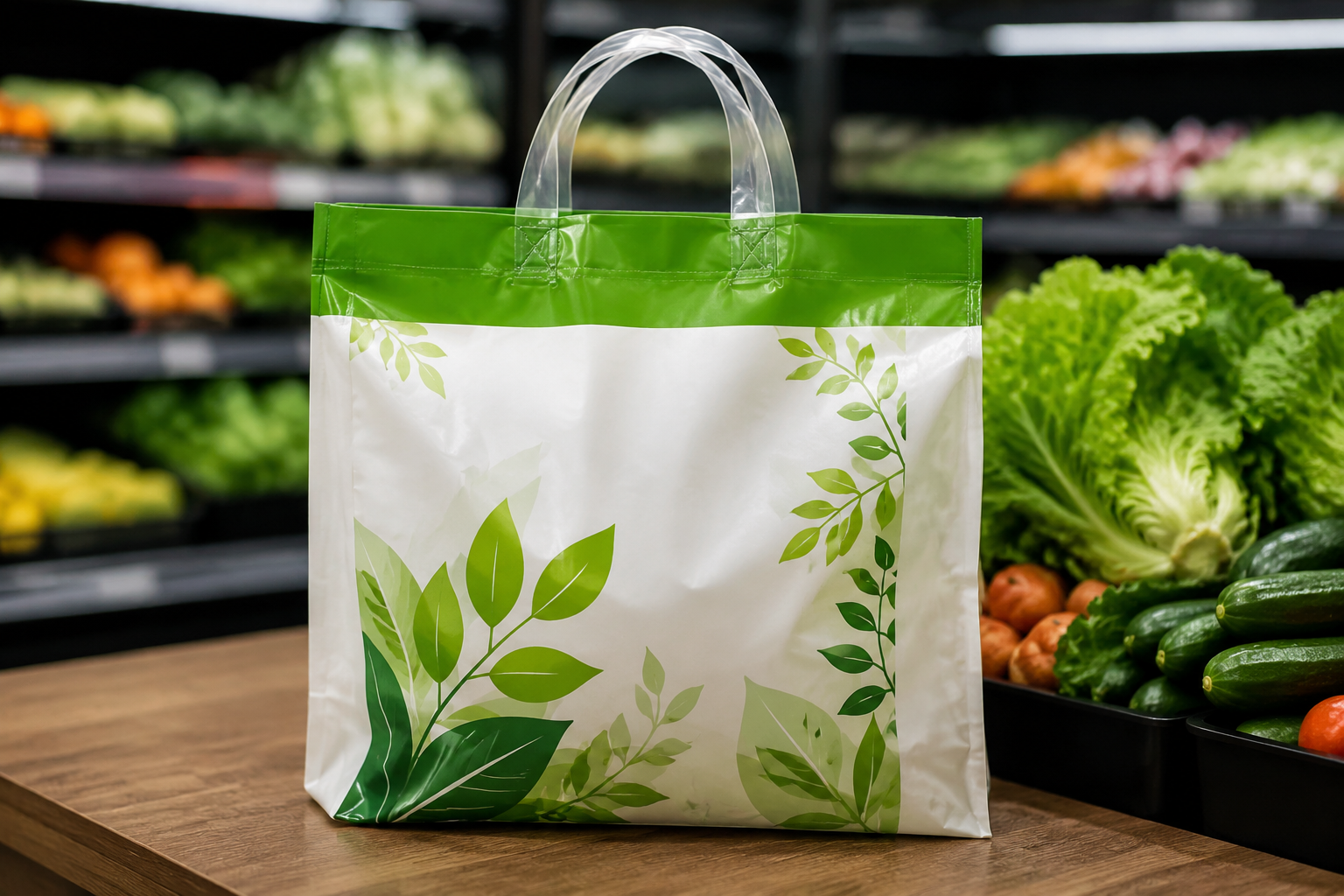
A close‑up of a high‑quality printed plastic shopping bag featuring vibrant branding, clear handles, and a reinforced block header, display…
Core Elements of Effective Plastic Bag Design
1. Material Selection
- Low‑Density Polyethylene (LDPE): Flexible, ideal for grocery and food bags.
- High‑Density Polyethylene (HDPE): Stiffer, suited for refuse sack plastic bags and hazardous plastic garbage bags.
- Recycled Polyethylene: Meets eco‑friendly mandates while maintaining strength for Hand Stretch Film and Block Header Plastic Bag applications.
- Specialty Films: Include barrier layers for moisture‑sensitive items, often used in Food Plastic Bag designs.
2. Thickness (Gauge) and Load Capacity
Choosing the right gauge balances cost and durability:
- 30‑40 µm – Light‑weight snack or promotional bags.
- 50‑70 µm – Standard grocery and retail bags, supporting up to 15 kg.
- 80‑100 µm – Heavy‑duty refuse sacks and hazardous waste bags, handling 30 kg or more.
3. Structural Features
- Handles: Flat, twisted, or rope‑style handles for ergonomic grip; crucial for Hand Stretch Film and Handle Wrap Tool Plastic Bag designs.
- Block Header: Reinforced top edge that prevents tearing under load, essential for Block Header Plastic Bag applications.
- Die‑Cut Shapes: Custom perforations or windows for product visibility, common in Die Cut Bag Plastic designs.
- Sealing Options: Heat seal, ultrasonic weld, or zip lock—choose based on product protection needs.
Design Process: From Concept to Production
Step 1 – Define Purpose and Compliance
Identify the bag’s primary function (e.g., grocery, waste, hazardous material) and verify compliance with local regulations such as EU Packaging Waste Directive or US EPA standards for hazardous waste containers.
Step 2 – Create a Technical Specification Sheet
A detailed spec sheet should include:
- Material type and recycled content percentage.
- Gauge (µm) and tensile strength.
- Dimensions (width, depth, gusset).
- Handle style and placement.
- Printing method (flexographic, rotogravure, digital).
- Regulatory markings (e.g., “Recyclable”, “Hazardous Waste”).
Step 3 – Design Artwork and Branding
Effective artwork integrates brand colors, logos, and product information while respecting print limitations. Use vector formats (AI, EPS) and keep critical details at least 0.5 mm away from edges to avoid cut‑off.
Step 4 – Prototype and Test
Order a short run of prototypes. Conduct load testing, tear resistance, and moisture barrier checks. For Food Plastic Bag designs, perform migration testing to ensure food safety.
Step 5 – Finalize Production
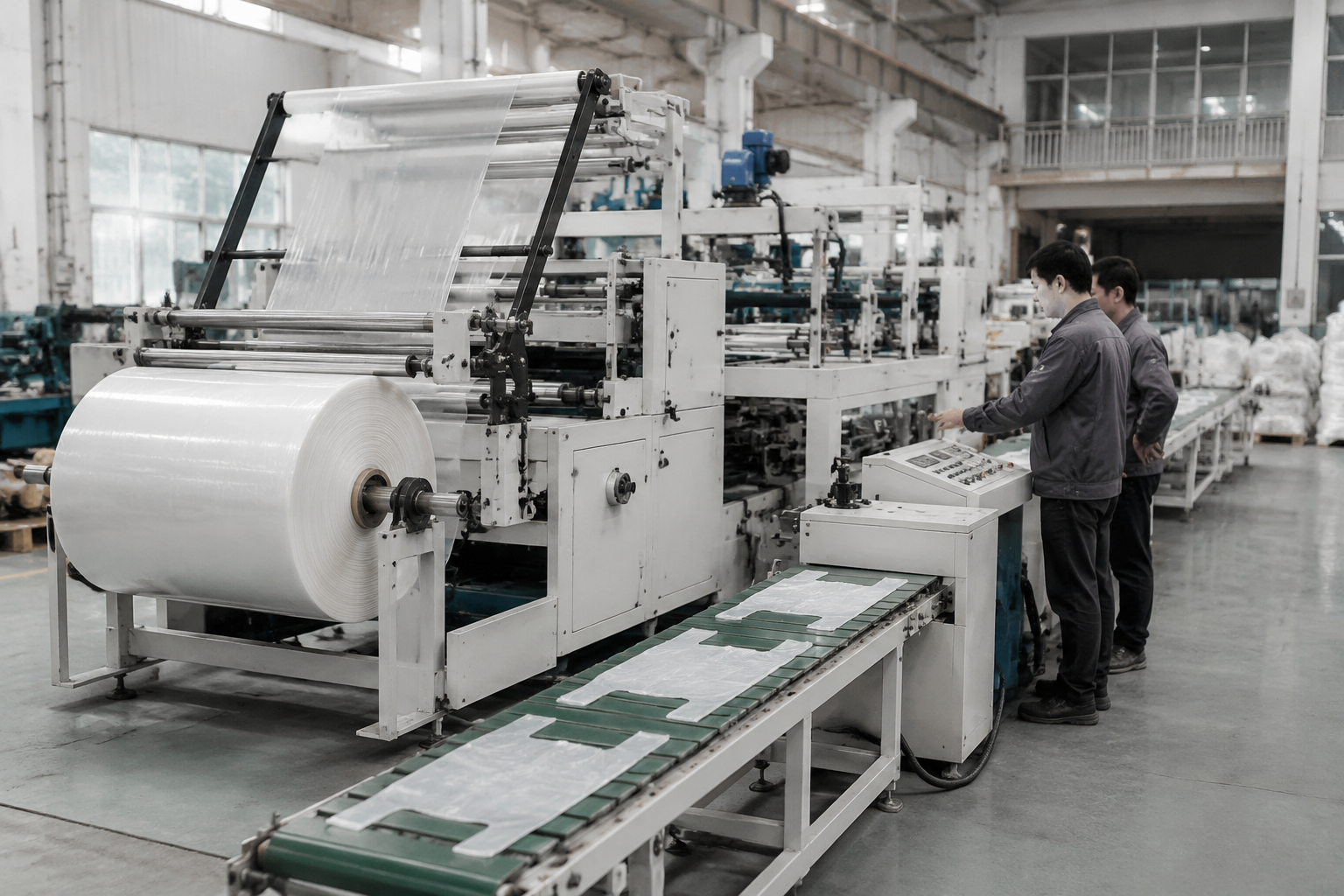
Confirm ink colors with Pantone references, approve the die‑cut layout, and lock in the production schedule with your manufacturer. VNPLAST offers in‑house extrusion and printing to reduce lead times.
Printing Techniques and Visual Impact
Choosing the right printing method directly influences cost, color fidelity, and durability:
- Flexographic Printing: Fast, cost‑effective for large runs; suitable for simple logos and solid colors.
- Rotogravure: High‑resolution images, ideal for premium Food Plastic Bags with detailed graphics.
- Digital Printing: Low‑volume, high‑customization—perfect for limited‑edition promotional bags.
- UV Coating: Adds gloss and abrasion resistance, extending the visual life of reusable bags.
Eco‑Friendly Design Choices
Consumers increasingly demand sustainable packaging. Integrate these strategies to future‑proof your plastic bag design:
- Increase recycled content to 30 % or higher without compromising strength.
- Design for single‑use reduction—offer reusable handles or a compact folding pattern.
- Include clear recycling instructions and a “#RecycleMe” symbol on the bag.
- Partner with local waste‑to‑energy programs for end‑of‑life management.
Decision Checklist for Selecting the Right Plastic Bag Design
- Purpose: Grocery, waste, hazardous, food, promotional?
- Load Requirement: Light (<5 kg), medium (5‑15 kg), heavy (>15 kg)?
- Regulatory Needs: Food safety, hazardous waste markings, recycling mandates?
- Brand Visibility: Full‑color print, spot UV, embossing?
- Sustainability Goal: Recycled content target, biodegradability, reuse potential?
- Budget: Cost per unit, printing method, material grade?
- Production Lead Time: In‑house extrusion vs. external supplier?
Comparison: Standard Grocery Bag vs. Hazardous Plastic Garbage Bag
| Feature | Standard Grocery Bag | Hazardous Plastic Garbage Bag |
|---|---|---|
| Material | LDPE, 40 µm | HDPE, 90 µm with UV stabilizer |
| Handles | Flat twisted | Reinforced rope‑style |
| Seal | Heat seal | Heavy‑duty zip lock |
| Flexographic logo | Bold warning symbols, compliance text | |
| Load Capacity | Up to 12 kg | Up to 35 kg |
| Regulations | None specific | EPA hazardous waste labeling |
Common Pitfalls and How to Avoid Them
- Undersizing Handles: Leads to tearing—always test with the maximum expected load.
- Inadequate Barrier: Food items may absorb moisture; add a polyethylene coating if needed.
- Over‑Complicated Die‑Cuts: Increases production cost—balance aesthetics with manufacturability.
- Neglecting Recycling Symbols: Missed branding opportunity and potential regulatory issue.
Conclusion
Effective plastic bag design blends material science, structural engineering, and brand storytelling. By following the step‑by‑step process outlined above—defining purpose, selecting the right material and gauge, integrating ergonomic handles, choosing the optimal printing method, and embedding sustainability practices—you can create bags that protect products, satisfy regulations, and reinforce your brand identity. VNPLAST’s expertise in Hand Stretch Film, Die Cut Bag Plastic, and recycled solutions ensures you have a reliable partner for every stage of the design journey.
FAQ
- What thickness is recommended for a reusable grocery bag? A gauge of 70‑80 µm provides durability for repeated use while keeping costs reasonable.
- Can I use recycled polyethylene for hazardous waste bags? Yes, provided the recycled material meets the required tensile strength and is blended with virgin HDPE to achieve the necessary barrier properties.
- How do I ensure my food plastic bag complies with safety standards? Use food‑grade LDPE, add a certified barrier layer if needed, and conduct migration testing per FDA or EU regulations.
- What is the most cost‑effective printing method for large volumes? Flexographic printing offers the lowest cost per unit for high‑volume runs with solid colors and simple logos.
- Is a block header necessary for all plastic bags? It is essential for bags that carry heavy loads or are subject to rough handling, such as refuse sacks and hazardous waste bags.
Table of Contents
plastic bag design: practical overview
Sourcing and support
Explore VN Plastic packaging products, review independent information from an authoritative environmental resource, or contact VN Plastic for a tailored specification and quotation.