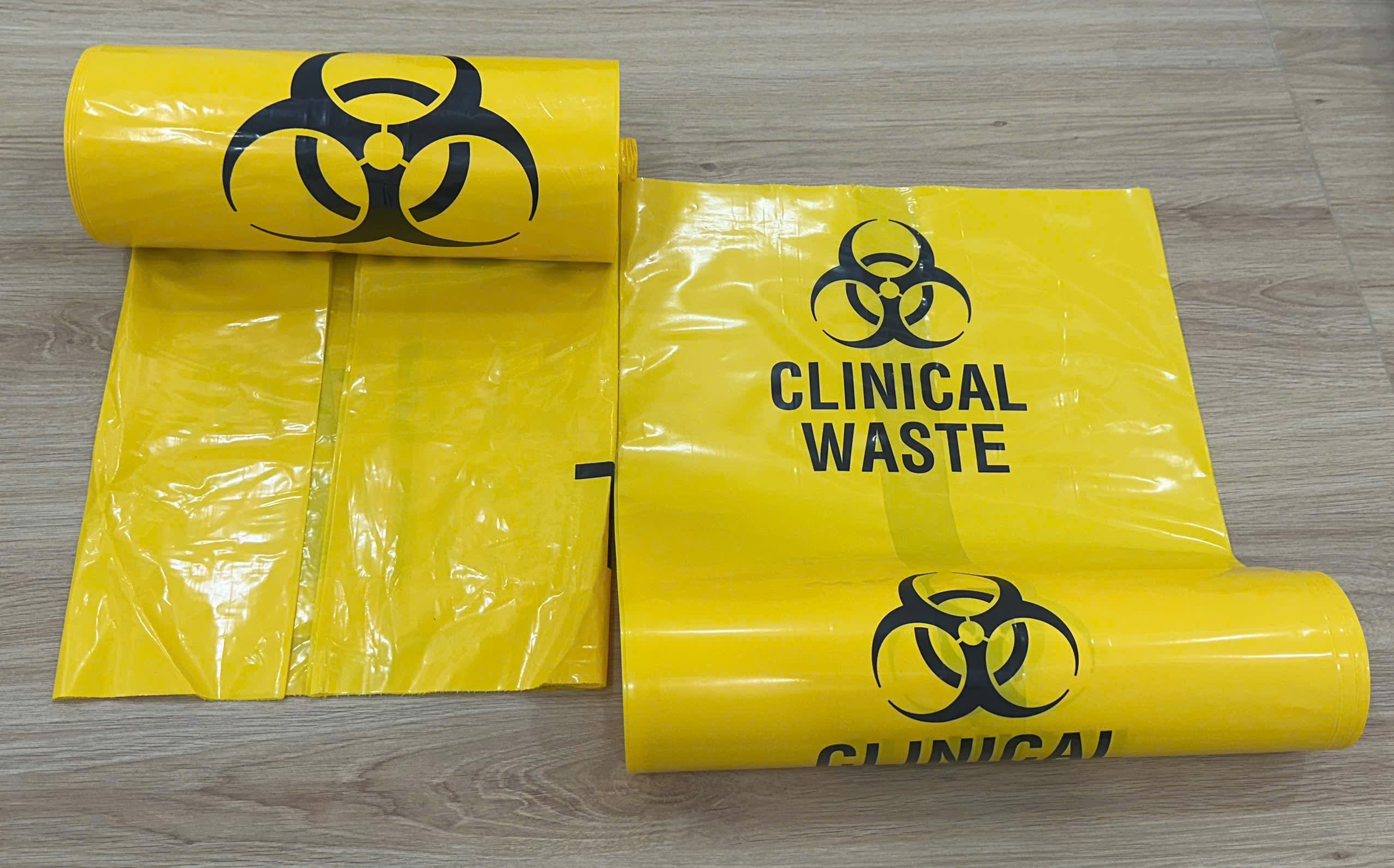
When a company needs to manage plastic hazardous waste disposal cost, the first question is how much it will actually spend and what factors drive that price. In most regions, fees are calculated based on the type of plastic, its hazardous classification, volume, transport distance, and required treatment method. This article breaks down every cost component, compares service options, and provides actionable checklists so you can budget accurately and stay compliant.
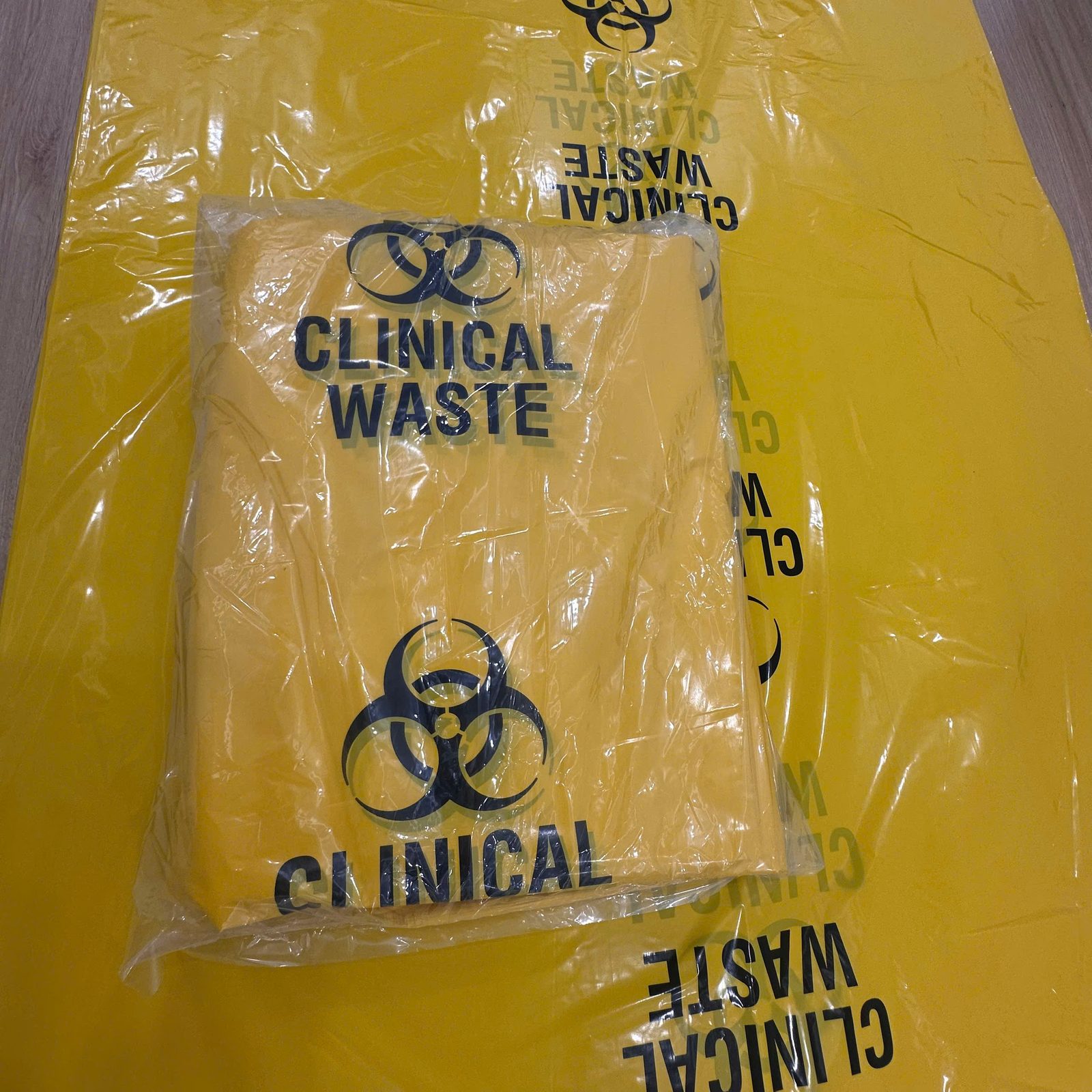
Why Plastic Hazardous Waste Disposal Costs Vary
The price you pay isn’t a flat rate. It reflects a combination of regulatory, logistical, and material‑specific elements. Below are the primary cost drivers:
- Hazard classification: Plastics contaminated with chemicals, medical waste, or flammable substances require special handling, raising fees.
- Material type: Dense items like Hand Stretch Film or rigid Die Cut Bag Plastic cost more to transport than lightweight Recycle Plastic bag fragments.
- Volume and weight: Most providers charge per kilogram or per cubic meter; bulk discounts may apply.
- Transportation distance: Longer hauls to certified treatment facilities increase fuel and labor costs.
- Treatment method: Options include incineration, chemical neutralization, or advanced recycling; each has a distinct price point.
- Regulatory fees: State or local hazardous waste permits, reporting, and documentation fees add to the total.
Typical Price Ranges by Disposal Method
Below is a quick reference for average costs in Southeast Asia (prices can differ by country and provider):
- Incineration (high‑temperature): US$150 – $250 per metric ton.
- Chemical neutralization: US$200 – $300 per metric ton.
- Advanced recycling (closed‑loop): US$120 – $180 per metric ton.
- Landfill disposal (non‑hazardous only): US$80 – $110 per metric ton, but not permitted for hazardous plastics.
How to Estimate Your Specific Cost
Use the following formula as a baseline:
Total Cost = (Base Rate per Ton × Weight) + (Transport Rate per Km × Distance) + (Regulatory Fee) + (Special Handling Surcharge)
Example: A manufacturer generates 5 tons of contaminated Garbage Plastic Bag waste, 120 km away from the nearest incineration plant. Assuming a base rate of $200/ton, transport $0.30/km, a $150 regulatory fee, and a 10% hazardous surcharge:
Base = 5 t × $200 = $1,000 Transport = 120 km × $0.30 = $36 Regulatory = $150 Surcharge = 10% of $1,000 = $100 Total = $1,286
Choosing the Right Service Provider
Not all waste handlers are created equal. Evaluate potential partners against these criteria:
- Licensing & certifications: Verify EPA (or local equivalent) hazardous waste permits.
- Technology used: Preference for facilities with modern emissions controls and recycling capabilities.
- Reporting transparency: Providers should supply detailed manifests and certificates of destruction.
- Geographic coverage: Proximity reduces transport cost and carbon footprint.
- Customer support: 24/7 emergency pickup and compliance consulting are valuable for high‑risk operations.
Decision Matrix: In‑House vs. Third‑Party Disposal
| Factor | In‑House Management | Third‑Party Service |
|---|---|---|
| Initial capital investment | High (equipment, permits) | Low (pay‑as‑you‑go) |
| Regulatory risk | High (must stay current) | Low (provider assumes) |
| Scalability | Limited by facility size | Flexible, can handle spikes |
| Cost predictability | Variable (maintenance, staffing) | Fixed per‑ton rates |
| Environmental impact | Depends on internal processes | Often better due to specialized tech |
Real‑World Use Cases
Below are two practical scenarios that illustrate how businesses manage their plastic hazardous waste disposal cost while maintaining compliance.
Case Study 1: Food Processing Plant
- Challenge: Daily generation of 2 tons of contaminated Food Plastic Bag waste mixed with grease and cleaning chemicals.
- Solution: Contracted a third‑party specialist for chemical neutralization. Negotiated a volume discount, reducing the per‑ton rate from $250 to $210.
- Result: Annual disposal cost fell from $182,500 to $153,300, a 16% saving, while meeting all local health‑department regulations.
Case Study 2: Electronics Manufacturer
- Challenge: Need to dispose of 1.5 tons of Handle Wrap Tool Plastic Bag waste contaminated with lead‑based solder flux.
- Solution: Implemented an on‑site segregation system, separating hazardous plastic from recyclable streams. Partnered with a certified incineration facility offering a hazardous surcharge waiver for pre‑treated waste.
- Result: Disposal cost dropped from $375,000 (standard incineration) to $285,000, a 24% reduction, plus the company earned carbon credits for the recycling portion.
Checklist: Controlling Plastic Hazardous Waste Disposal Cost
- Identify hazardous plastics: Conduct a material audit to separate contaminated bags (e.g., Block Header Plastic Bag) from non‑hazardous streams.
- Quantify volume accurately: Use calibrated scales and volume calculators to avoid over‑reporting.
- Choose the right treatment: Match waste type to the most cost‑effective method (incineration vs. recycling).
- Negotiate volume discounts: Commit to multi‑year contracts for predictable pricing.
- Maintain documentation: Keep manifests, certificates of destruction, and compliance logs for audits.
- Review transport routes: Optimize distance to the nearest licensed facility.
- Monitor regulatory changes: Subscribe to local environmental agency updates to anticipate fee adjustments.
Frequently Asked Questions
What makes plastic waste “hazardous”?
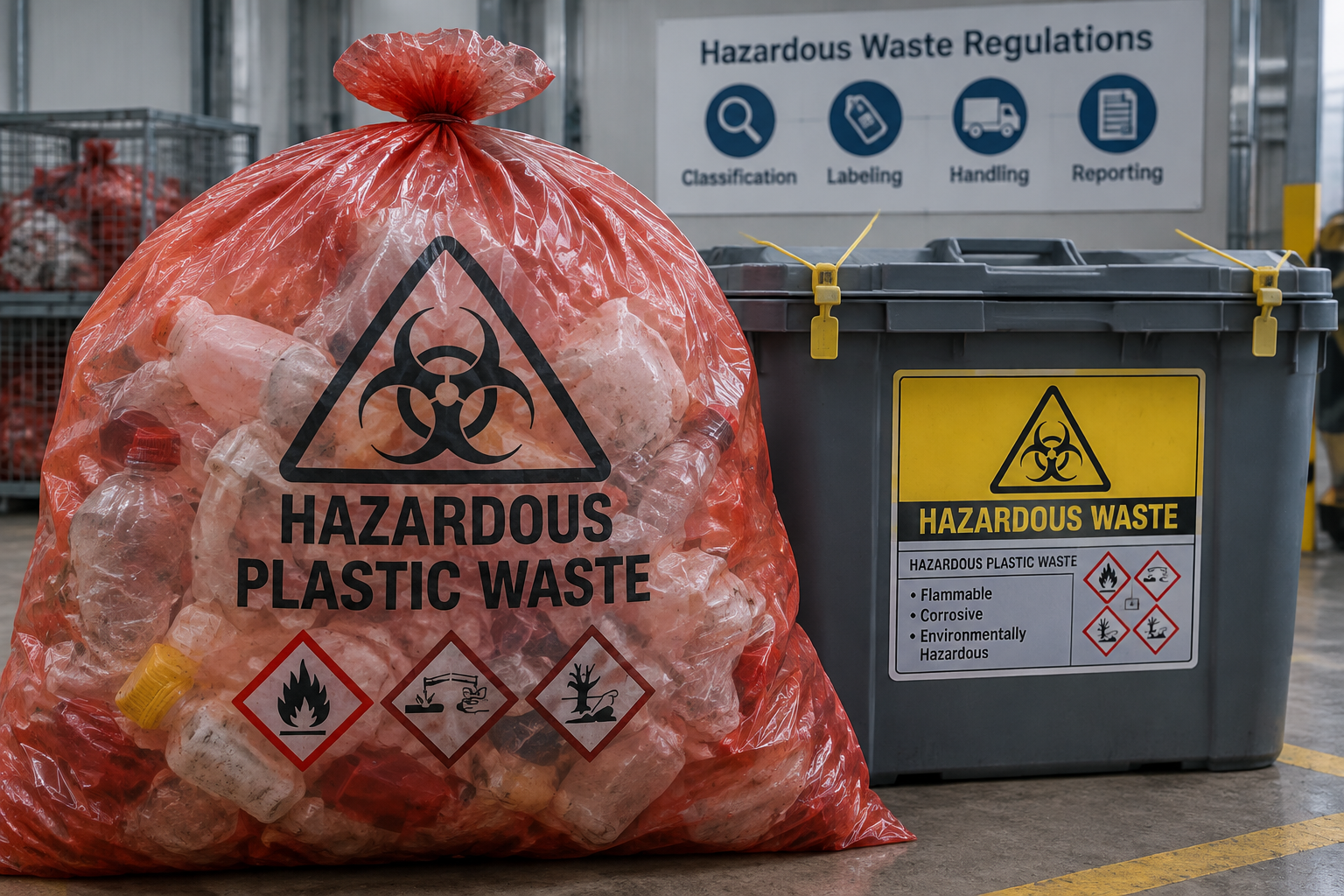
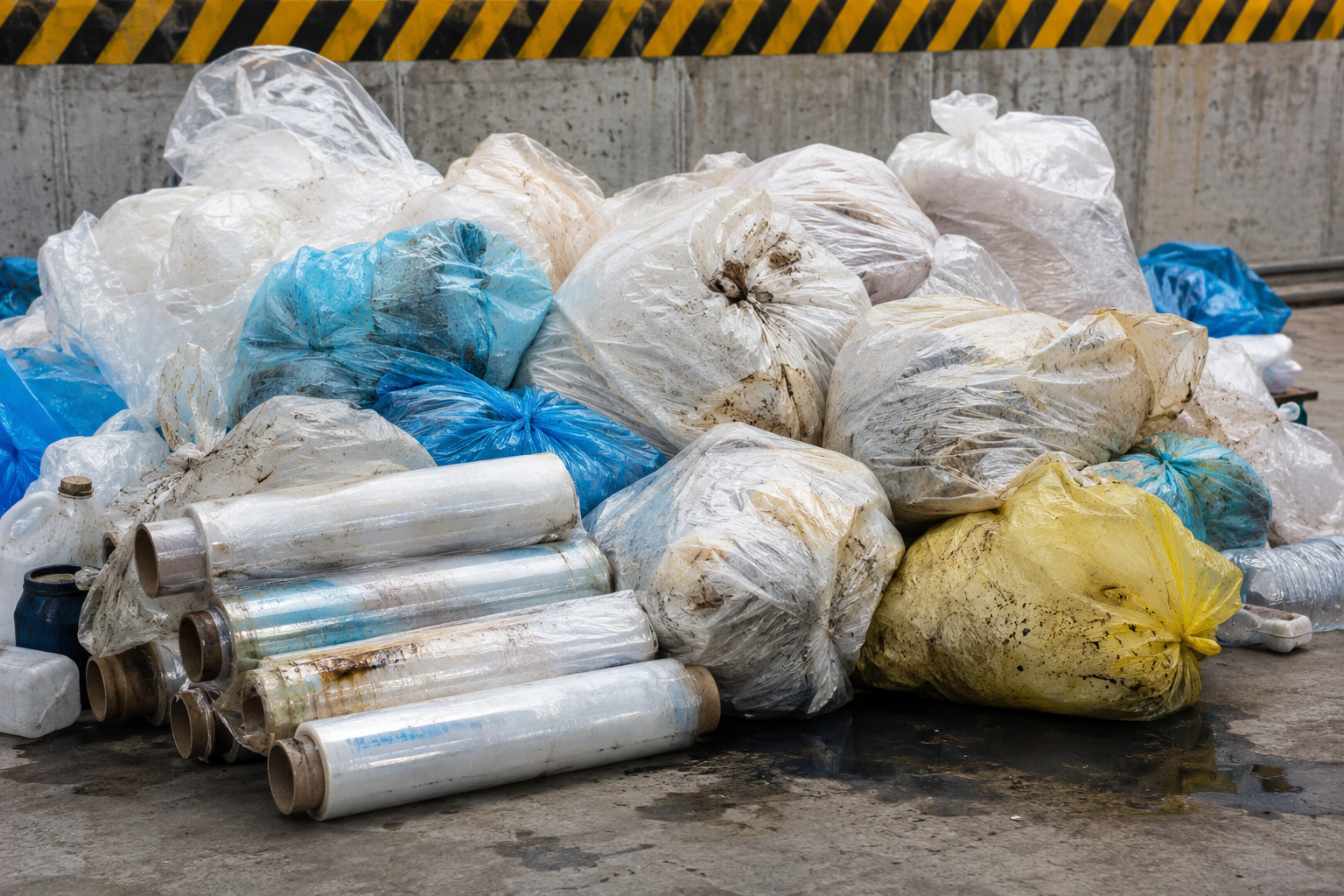
Plastics become hazardous when they are contaminated with chemicals, bio‑hazards, flammable substances, or heavy metals. Examples include plastic bags used for storing solvents, pesticide‑treated packaging, or plastic wrap that contacts medical waste.
Can I recycle hazardous plastic bags?
Only if the contamination is removed through a certified pre‑treatment process. Otherwise, most hazardous plastics must be destroyed via incineration or chemical neutralization to meet legal requirements.
How often should I audit my plastic waste streams?
Conduct a full audit at least once a year, and perform spot checks quarterly if you handle large volumes or frequently change product lines.
Are there tax incentives for proper hazardous waste disposal?
Many jurisdictions offer tax credits or reduced fees for companies that demonstrate documented compliance and use environmentally preferable treatment methods, such as advanced recycling.
What penalties apply for improper disposal?
Violations can result in fines ranging from $5,000 to $100,000 per incident, plus potential civil liability and damage to brand reputation.
Conclusion
Understanding the components of plastic hazardous waste disposal cost enables you to make data‑driven decisions, negotiate better rates, and stay compliant with environmental regulations. By auditing waste streams, selecting the appropriate treatment method, and partnering with licensed providers, you can control expenses while protecting both your bottom line and the planet.
Table of Contents
plastic hazardous waste disposal cost: practical overview
Ask for a representative plastic hazardous waste disposal cost sample when testing a new application.
Document the approved plastic hazardous waste disposal cost requirements for repeat orders.
Compare plastic hazardous waste disposal cost options using total application cost, not unit price alone.
Sourcing and support
Explore VN Plastic packaging products, review independent information from an authoritative environmental resource, or contact VN Plastic for a tailored specification and quotation.