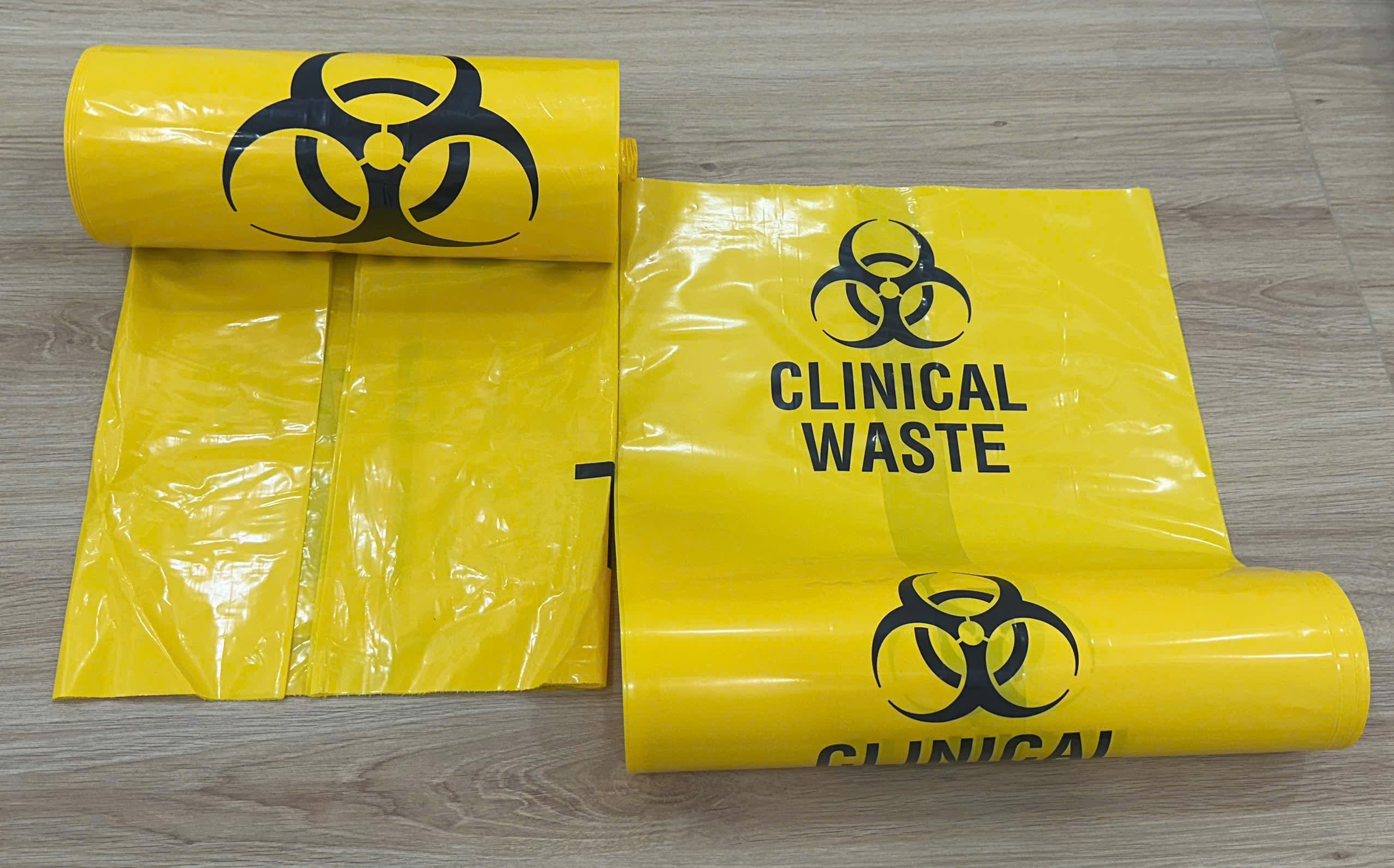
When you search for a reliable plastic bag roll liner for food storage, you need a solution that keeps food fresh, meets safety standards, and fits seamlessly into your packaging workflow. This guide explains exactly what a plastic bag roll liner is, why it’s essential for food storage, and how to choose the right product for your operation. By the end, you’ll know the key decision factors, see real‑world use cases, and have a checklist to ensure you purchase the best liner for your needs.
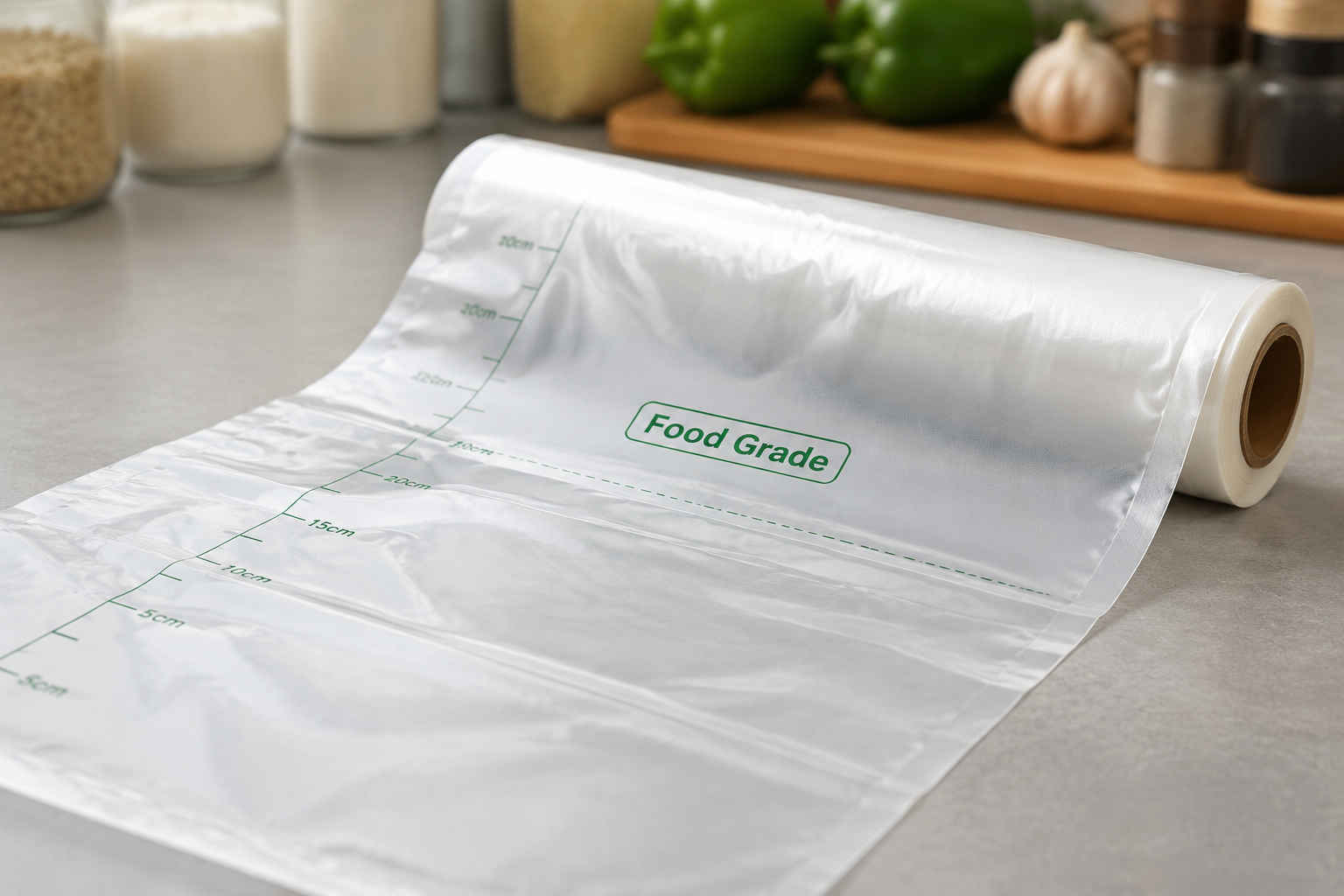
close‑up of a clear plastic bag roll liner unrolled on a clean countertop, showing the smooth, food‑grade polyethylene material with printe…
What Is a Plastic Bag Roll Liner for Food Storage?
A plastic bag roll liner for food storage is a continuous roll of thin, flexible polyethylene film that can be cut to size and sealed to create airtight bags. These liners are designed specifically for contact with food, complying with FDA or EU food‑contact regulations. They are used in kitchens, food processing plants, and retail environments to protect products from moisture, contaminants, and oxygen.
Key Benefits Over Alternative Packaging
- Food safety compliance: Made from food‑grade polyethylene that meets regulatory standards.
- Extended shelf life: Provides an airtight barrier that slows oxidation and moisture loss.
- Cost‑effective: Roll format reduces waste compared to pre‑cut bags.
- Versatile sizing: Can be trimmed to any length, fitting custom containers.
- Easy sealing: Compatible with heat sealers, impulse sealers, or zip‑lock closures.
How to Choose the Right Plastic Bag Roll Liner
1. Material Grade
Look for food‑grade polyethylene (LDPE or HDPE) that is BPA‑free and meets FDA 21 CFR 174.5. Some manufacturers also offer low‑density recycled content while maintaining food safety.
2. Thickness (Microns)
Thickness determines durability and barrier performance:
- 30‑40 µm – Light‑weight, ideal for dry snacks and bakery items.
- 50‑70 µm – General‑purpose food storage, balances strength and cost.
- 80‑100 µm – Heavy‑duty, suitable for wet or oily foods and longer storage times.
3. Width and Length
Standard widths range from 300 mm to 1000 mm. Choose a width that matches your container size to minimize trimming waste. Length is typically sold in 500 m or 1000 m rolls.
4. Sealability
Ensure the liner can be heat‑sealed without melting or tearing. Test a small sample with your sealing equipment before bulk purchase.
5. Transparency vs. Opaqueness
Clear liners allow visual inspection of contents, while opaque (often amber) liners protect light‑sensitive foods.
Real‑World Use Cases
Understanding how businesses apply plastic bag roll liners helps you match the product to your workflow.
- Fresh produce packaging: Clear 50 µm liners sealed around trays to keep fruits crisp.
- Bakery items: 30 µm liners for individually wrapped cookies, allowing quick zip‑seal.
- Meat and fish: 80 µm opaque liners with vacuum sealing to extend shelf life.
- Catering services: Roll liners cut to custom sizes for bulk sauces and marinades.
Comparison: Plastic Bag Roll Liner vs. Other Food Storage Options
| Feature | Plastic Bag Roll Liner | Rigid Plastic Containers | Aluminum Foil Wrap |
|---|---|---|---|
| Flexibility | High – can be cut to any size | Low – fixed dimensions | Medium – limited to flat shapes |
| Barrier Performance | Excellent moisture & oxygen barrier | Very good, but heavier | Good moisture barrier, poor oxygen barrier |
| Cost per Unit | Low – roll pricing reduces waste | High – material and molding costs | Medium – disposable but higher per‑use cost |
| Environmental Impact | Recyclable if using recycled PE | Often non‑recyclable | Limited recyclability |
| Ease of Sealing | Simple heat or zip seal | Snap‑fit lids required | Requires manual folding |
Checklist: Selecting the Ideal Plastic Bag Roll Liner for Food Storage
- ✅ Verify food‑grade certification (FDA/EU).
- ✅ Choose appropriate thickness for product weight and moisture.
- ✅ Match roll width to container dimensions.
- ✅ Confirm sealability with existing equipment.
- ✅ Decide on clear vs. opaque based on product sensitivity.
- ✅ Check for recycled content if sustainability is a priority.
- ✅ Request a sample for compatibility testing.
- ✅ Review pricing per meter and calculate total cost of ownership.
Installation & Best Practices
Cutting and Sealing
1. Measure the container length.
2. Cut the liner using a rotary cutter or scissors.
3. Place the liner inside the container, ensuring a smooth fit.
4. Seal the top with a heat sealer set to 150‑180 °C for 1‑2 seconds (adjust based on thickness).
Storage of Unused Roll
Keep the roll in a cool, dry area away from direct sunlight. Store it on a rack to prevent creasing, which can compromise seal integrity.
Cleaning and Reuse
Most food‑grade liners are single‑use. If a reusable option is needed, consider multi‑layer films designed for repeated washing, but verify that they maintain food safety standards after each cycle.
Common Questions About Plastic Bag Roll Liners
Are these liners safe for hot foods?
Yes, food‑grade polyethylene can handle temperatures up to 80 °C (176 °F) for short periods. For boiling or frying, use a heat‑resistant liner specifically rated for high temperatures.
Can I use the same liner for both dry and wet foods?
While a 50 µm liner works for most dry items, wet or oily foods benefit from a thicker (80 µm) liner to prevent punctures and maintain seal strength.
What is the difference between LDPE and HDPE liners?
LDPE is more flexible and easier to seal, making it ideal for delicate items. HDPE offers higher tensile strength, better for heavier or sharper foods.
How do I recycle used liners?
Check local recycling programs for polyethylene film. Some manufacturers, including VNPLAST, offer take‑back programs for used food‑grade liners.
Why Choose VNPLAST for Your Plastic Bag Roll Liners?
VNPLAST combines decades of experience in polymer engineering with a dedicated food‑grade production line. Their roll liners meet international safety standards, offer competitive pricing, and are available in custom widths and thicknesses. VNPLAST also provides technical support for sealing equipment setup and can supply related products such as Hand Stretch Film, Die Cut Bag Plastic, and Recycle Plastic Bag solutions.
Conclusion
Choosing the right plastic bag roll liner for food storage hinges on material grade, thickness, width, and sealability. By following the checklist, comparing alternatives, and testing a sample, you can ensure your food products stay fresh, safe, and compliant. VNPLAST’s expertise and flexible product range make it a reliable partner for businesses seeking high‑quality, food‑grade liners.
Table of Contents
plastic bag roll liner for food storage: practical overview
Ask for a representative plastic bag roll liner for food storage sample when testing a new application.
Document the approved plastic bag roll liner for food storage requirements for repeat orders.
Compare plastic bag roll liner for food storage options using total application cost, not unit price alone.
plastic bag roll liner for food storage specifications should always be confirmed before mass production.

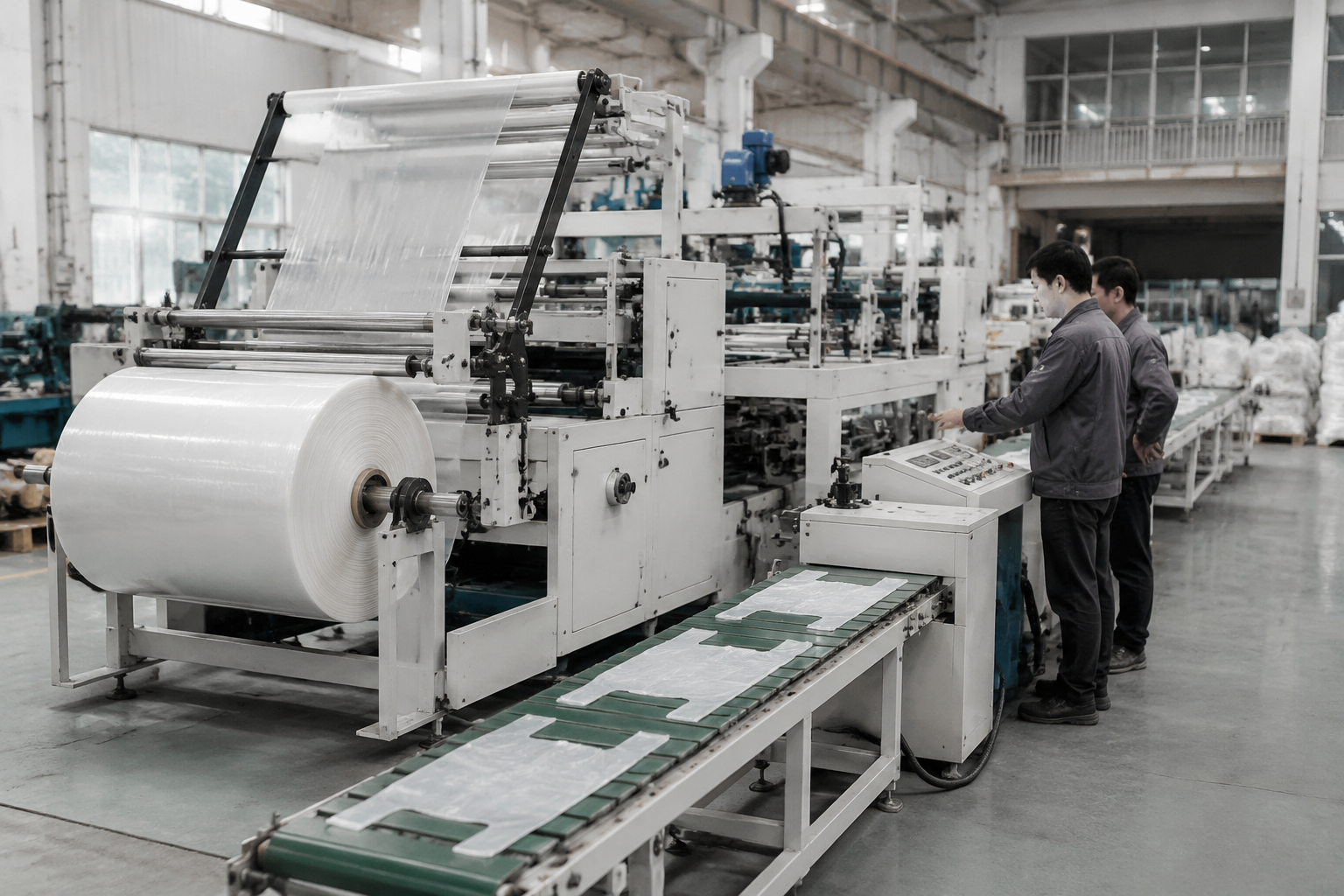
Sourcing and support
Explore VN Plastic packaging products, review independent information from an authoritative environmental resource, or contact VN Plastic for a tailored specification and quotation.