When you search for a plastic bag for t shirts, you need more than a generic answer—you need a solution that protects the garment, showcases the brand, and meets sustainability goals. This guide explains the key decision factors, compares the most common bag types, and provides a practical checklist so you can select the perfect bag for every collection launch.
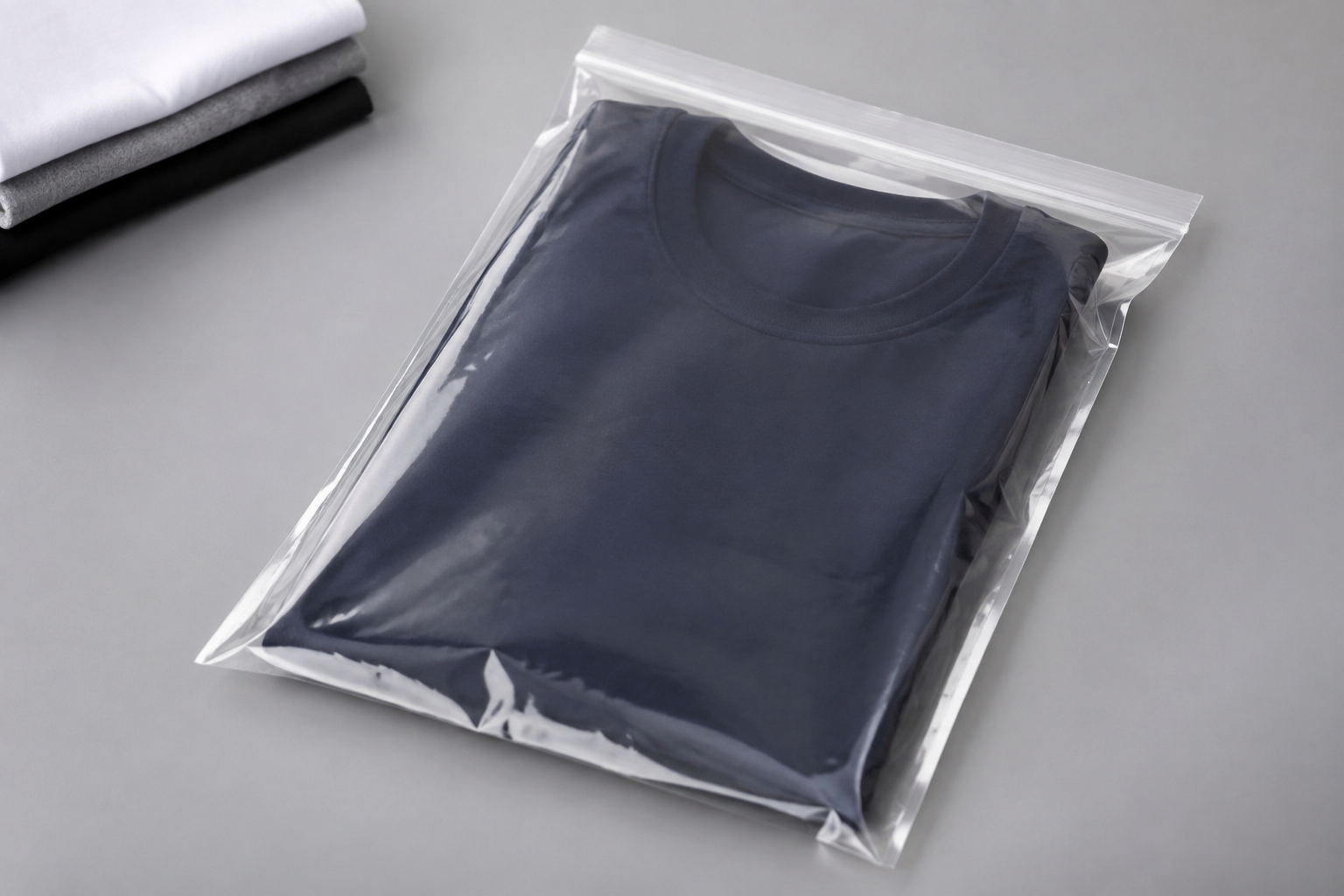
A high‑resolution close‑up of a clear low‑density polyethylene (LDPE) bag holding a neatly folded white t‑shirt, with the bag’s seal visibl…
Why Plastic Bags Remain Essential for T‑Shirt Packaging
Even in an era of digital receipts and minimalist packaging, plastic bags continue to dominate t‑shirt packaging for several concrete reasons:
- Protection: They shield the fabric from dust, moisture, and handling marks.
- Visibility: Clear bags let customers see the design without removing the packaging.
- Cost‑effectiveness: Bulk production of LDPE or HDPE bags keeps unit costs low, crucial for high‑volume apparel brands.
- Versatility: Bags can be sealed, printed, or combined with handles for premium presentation.
- Supply‑chain efficiency: Lightweight bags reduce shipping weight and fit easily into automated packing lines.
Types of Plastic Bags Suitable for T‑Shirts
1. Standard Clear LDPE Bag
Clear low‑density polyethylene (LDPE) bags are the industry standard for everyday t‑shirt packaging. They are flexible, have a low tearing strength, and can be heat‑sealed quickly.
2. Hand Stretch Film
Hand stretch film offers a tight, clingy fit that reduces bag movement during transport. It’s ideal for premium lines where a snug presentation adds perceived value.
3. Die‑Cut Bag Plastic
Die‑cut bags are pre‑shaped to match the exact dimensions of a folded t‑shirt. This eliminates excess material, reduces waste, and gives a clean, professional look.
4. Recycled Plastic Bag
For eco‑conscious brands, recycled polyethylene bags provide the same protection while lowering the carbon footprint. Look for bags certified with a post‑consumer recycled (PCR) content of at least 30%.
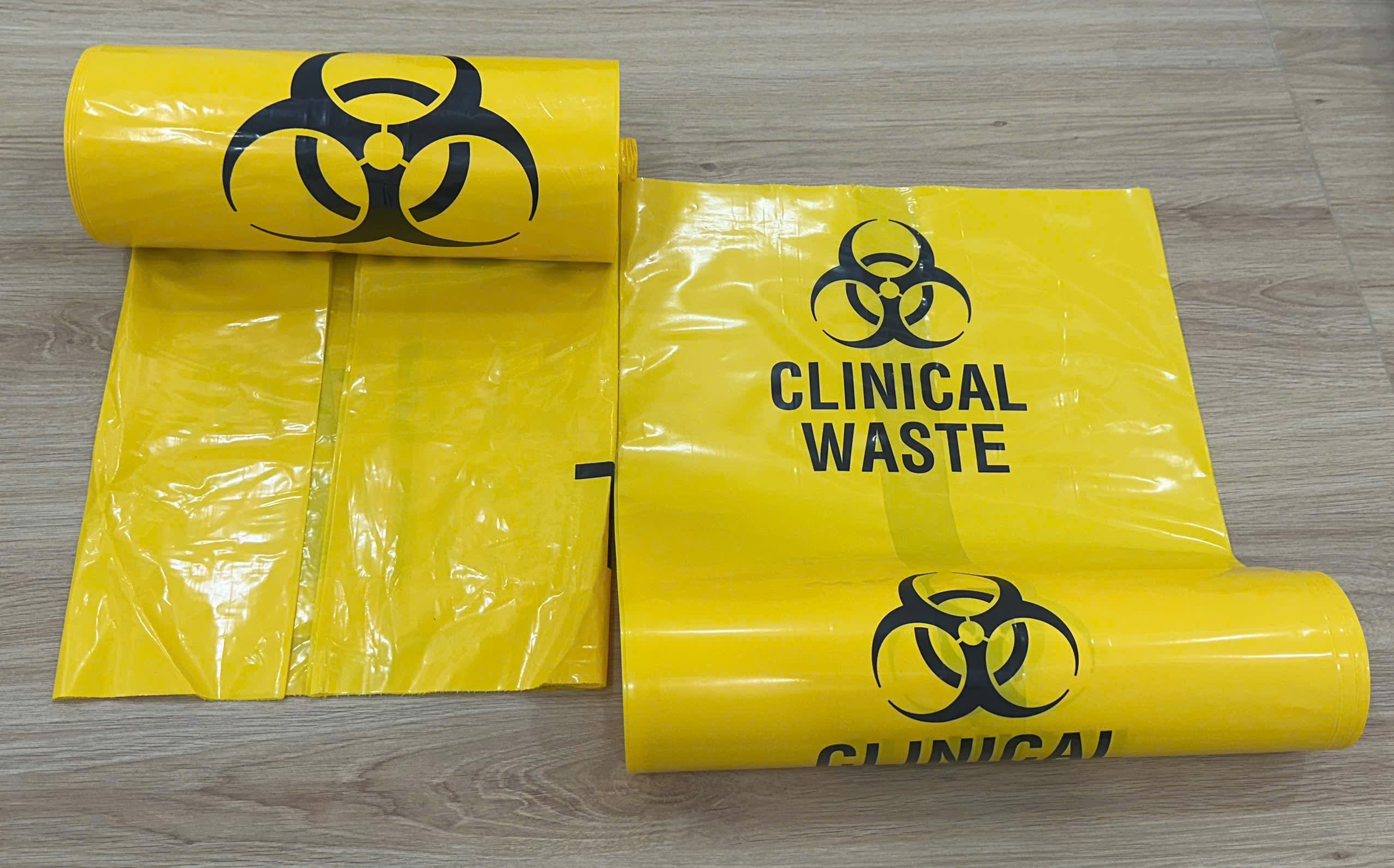
5. Hazardous Plastic Garbage Bag (Specialty Use)
When shipping bulk t‑shirts to a manufacturing partner that requires strict contamination control, a heavy‑duty garbage‑style bag can act as an outer barrier.
Key Decision Factors
Choosing the right bag involves balancing cost, protection, branding, and sustainability. Use the checklist below to evaluate each option against your specific requirements.
Checklist: Selecting the Ideal Plastic Bag for T‑Shirts
- Bag material: LDPE, HDPE, or recycled PE?
- Transparency vs. opacity: Do you need a clear view of the design?
- Seal type: Heat seal, zip lock, or twist tie?
- Size & shape: Standard flat bag, die‑cut, or stretch‑fit?
- Print requirements: Full‑color branding, logo embossing, or none?
- Regulatory compliance: Food‑grade, hazardous‑material, or general‑purpose?
- Environmental targets: Minimum recycled content, recyclability in target markets?
- Cost per unit: Budget constraints versus premium presentation?
Pros and Cons of Common Bag Types
- Clear LDPE Bag
- Pros: Low cost, high visibility, easy to seal.
- Cons: Limited barrier against moisture, not the most eco‑friendly.
- Hand Stretch Film
- Pros: Tight fit, premium feel, reduces shifting.
- Cons: Higher material cost, requires specialized applicator.
- Die‑Cut Bag
- Pros: Minimal waste, perfect presentation, easy to stack.
- Cons: Higher tooling cost, less flexible for size variations.
- Recycled Plastic Bag
- Pros: Improves brand sustainability image, often comparable in strength.
- Cons: May have slight opacity, limited color options.
Real‑World Use Cases
Below are three scenarios where different bag types deliver distinct advantages.
- Fast‑fashion bulk shipments: Standard clear LDPE bags paired with a simple heat seal keep costs low while maintaining product visibility.
- Limited‑edition designer tees: Die‑cut bags with custom matte printing elevate the unboxing experience and reinforce brand storytelling.
- Eco‑focused streetwear line: Recycled plastic bags with a subtle green tint signal sustainability without compromising clarity.
Implementation Guidance for Brands
Integrating the right bag into your packaging line involves three practical steps:
- Sample testing: Order a small batch of each bag type, pack a few t‑shirts, and evaluate seal integrity, visual appeal, and handling.
- Automation compatibility: Verify that your packing equipment can handle the selected bag thickness and seal method.
- Compliance check: Ensure the bag meets local recycling regulations and any industry‑specific standards (e.g., food‑grade for printed tees that may be worn during meals).
Cost Comparison (Indicative)
- Standard clear LDPE bag: $0.02 – $0.04 per unit
- Hand stretch film: $0.05 – $0.08 per unit
- Die‑cut bag (custom size & print): $0.07 – $0.12 per unit
- Recycled PE bag (30% PCR): $0.03 – $0.05 per unit
How to Order from VNPLAST
VNPLAST offers a full catalog of the bag types mentioned above, including custom printing, die‑cut tooling, and recycled options. Use the following anchor‑worthy phrases for internal linking:
Conclusion
Selecting the right plastic bag for t shirts is a balance of protection, brand presentation, cost, and sustainability. By evaluating material, seal method, size, and environmental impact against the checklist above, you can confidently choose a bag that enhances the customer experience and aligns with your brand values. Whether you opt for a low‑cost clear LDPE bag for high‑volume orders or a premium die‑cut recycled bag for a limited release, VNPLAST’s product range and expertise ensure a seamless implementation.
Frequently Asked Questions
- Can I use a standard garbage bag for shipping t‑shirts? Yes, heavy‑duty garbage bags can serve as an outer protective layer for bulk shipments, but they lack the visual clarity and branding potential of purpose‑designed apparel bags.
- Are recycled plastic bags as strong as virgin LDPE bags? Modern recycled PE blends achieve comparable tensile strength, though they may appear slightly less transparent.
- What seal method is best for high‑speed packing lines? Heat sealing is the industry standard for speed and reliability; zip locks are better suited for low‑volume, manual packing.
- Do die‑cut bags require special equipment? They typically need a custom cutter and may require a slight adjustment to your sealing machine, but the investment is offset by reduced material waste.
- How can I communicate the sustainability of my packaging to customers? Include a clear label indicating recycled content (e.g., “30% post‑consumer recycled”) and add a brief note on your product page linking to your sustainability policy.
Table of Contents
plastic bag for t shirts: practical overview
Document the approved plastic bag for t shirts requirements for repeat orders.
Compare plastic bag for t shirts options using total application cost, not unit price alone.
plastic bag for t shirts specifications should always be confirmed before mass production.
Ask for a representative plastic bag for t shirts sample when testing a new application.
Document the approved plastic bag for t shirts requirements for repeat orders.
Compare plastic bag for t shirts options using total application cost, not unit price alone.

Sourcing and support
Explore VN Plastic packaging products, review independent information from an authoritative environmental resource, or contact VN Plastic for a tailored specification and quotation.