When you search for a reliable t shirt roll packaging supplier, you need more than just a vendor list—you need a partner who understands the nuances of protecting apparel, optimizing logistics, and aligning with sustainability goals. This guide explains how to evaluate suppliers, compares packaging options, and provides a practical checklist to help you choose the right solution for your t‑shirt line.
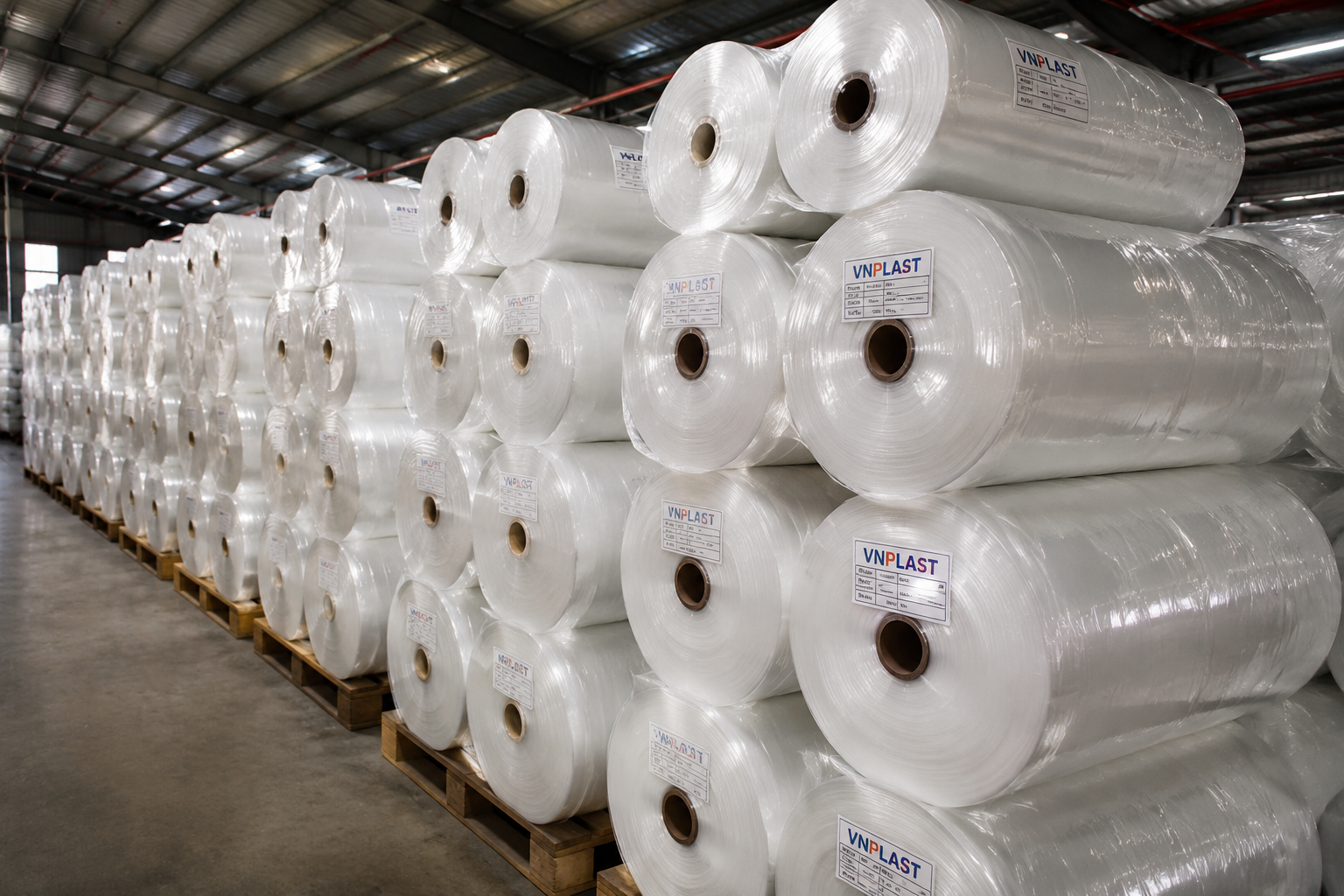
Why Choosing the Right t shirt Roll Packaging Supplier Matters
Choosing the right supplier impacts:
- Product protection: Prevents wrinkles, moisture, and damage during shipping.
- Brand presentation: Custom printing on the roll tube reinforces brand identity.
- Cost efficiency: Optimized roll size reduces pallet space and freight expenses.
- Environmental compliance: Recyclable or biodegradable films meet green‑label standards.
Key Features to Expect from a Top‑Tier Supplier
Material Quality
A reputable t shirt roll packaging supplier should offer films made from high‑density polyethylene (HDPE) or low‑density polyethylene (LDPE) with consistent thickness (typically 0.5‑1.2 mm). Look for certifications such as ISO 9001 and compliance with REACH or RoHS.
Customization Options
- Printing: Full‑color digital printing or flexographic printing for logos, QR codes, or care instructions.
- Tube dimensions: Adjustable diameter (30‑150 mm) and length to fit various shirt sizes.
- Sealing method: Heat‑seal, ultrasonic seal, or zip‑lock closure for tamper‑evidence.
Supply Chain Reliability
Look for suppliers that provide:
- Dedicated account managers for order tracking.
- Lead times of 7‑14 days for standard orders, with expedited options.
- Inventory buffers or on‑site roll storage for high‑volume brands.
Comparing Common Roll Packaging Materials
| Material | Pros | Cons |
|---|---|---|
| HDPE Film | High tensile strength, excellent moisture barrier, recyclable. | Higher cost than LDPE. |
| LDPE Film | Flexible, lower cost, easy to print. | Less puncture resistance. |
| Biodegradable PLA Film | Compostable, good for eco‑branding. | Lower heat resistance, higher price. |
Real‑World Use Cases
Many apparel brands use roll packaging to streamline e‑commerce fulfillment. For example, a mid‑size streetwear label reduced its shipping volume by 22 % after switching to 80 mm diameter roll tubes with a heat‑seal closure. The supplier also printed the brand’s logo directly on the film, eliminating the need for separate label stickers.
Decision Checklist for Selecting a t shirt Roll Packaging Supplier
- ✅ Does the supplier provide ISO‑certified HDPE or LDPE films?
- ✅ Can they produce custom tube lengths and diameters for your product line?
- ✅ Are printing capabilities (digital/flexo) available in‑house?
- ✅ What are the standard lead times and options for rush orders?
- ✅ Do they offer recyclable or biodegradable film options?
- ✅ Is there a clear pricing structure for volume discounts?
- ✅ Are there references or case studies from similar apparel brands?
Cost Factors and How to Optimize Your Budget
Understanding the cost drivers helps you negotiate better terms:
- Film thickness: Thinner film reduces material cost but may compromise protection.
- Print volume: Larger runs lower per‑unit printing costs.
- Tube size: Matching tube diameter to shirt size avoids wasted space.
- Order frequency: Consolidating orders can lower freight expenses.
Integrating t shirt Roll Packaging with VNPLAST’s Product Portfolio
VNPLAST offers complementary packaging solutions that can be paired with roll tubes for a complete fulfillment system:
- Hand Stretch Film – Secures bundles of roll‑packed shirts on pallets.
- Die Cut Bag Plastic – Provides an extra barrier for high‑value collections.
- Recycle Plastic Bag – Eco‑friendly outer packaging for retail shipments.
Common Pitfalls and How to Avoid Them
Even experienced brands encounter challenges. Here are the most frequent issues and corrective actions:
- Poor film sealing: Verify seal temperature settings; request a seal test sample before full production.
- Inconsistent tube dimensions: Use a calibrated die and request a first‑article inspection (FAI) report.
- Branding misalignment: Provide a vector file with exact color codes; ask for a printed proof.
- Environmental compliance gaps: Ensure the supplier can provide recycled content percentages and end‑of‑life recycling instructions.
Frequently Asked Questions
What is the typical lead time for custom roll packaging?
Standard lead times range from 7‑14 days for orders under 10,000 units. Larger volumes or complex prints may require 21‑28 days.
Can I request biodegradable roll film?
Yes. Many suppliers now offer PLA‑based biodegradable films that meet ASTM D6400 standards, though they may have a higher unit cost.
How do I calculate the optimal tube diameter for my t shirts?
Measure the folded shirt thickness (including any tags) and add 10‑15 mm for clearance. This ensures a snug fit without excessive compression.
Is the roll packaging recyclable?
HDPE and LDPE films are widely accepted in municipal recycling programs. Provide a recycling symbol and instructions on the tube to guide end users.
Do suppliers offer on‑site roll loading services?
Some suppliers provide a “roll‑to‑roll” service where finished tubes are loaded directly onto your pallets, reducing handling steps.
Conclusion
Choosing the right t shirt roll packaging supplier is a strategic decision that affects product protection, brand perception, cost efficiency, and sustainability. By evaluating material quality, customization capabilities, supply reliability, and integration with VNPLAST’s broader packaging ecosystem, you can secure a partner that scales with your business. Use the checklist above, request samples, and verify certifications before committing to a long‑term contract. The right roll packaging will keep your shirts pristine, showcase your brand, and support your bottom line.
Table of Contents
t shirt roll packaging supplier: practical overview
Ask for a representative t shirt roll packaging supplier sample when testing a new application.
Document the approved t shirt roll packaging supplier requirements for repeat orders.
Sourcing and support
Explore VN Plastic packaging products, review independent information from an authoritative environmental resource, or contact VN Plastic for a tailored specification and quotation.