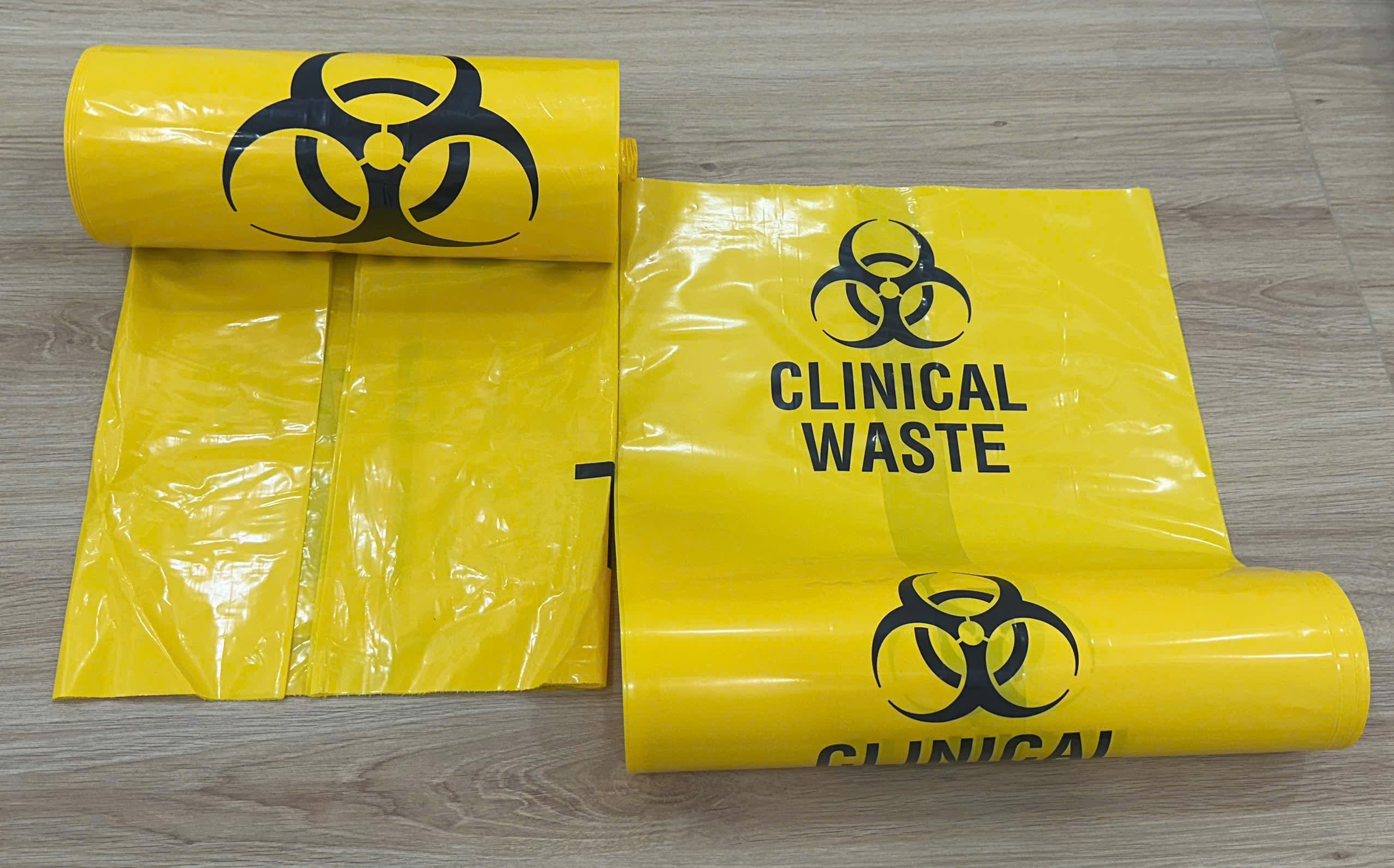
Finding a reliable stear seal bag supplier is essential for manufacturers, distributors, and waste‑management companies that need durable, leak‑proof packaging. The right partner can provide consistent quality, competitive pricing, and compliance with environmental regulations—all while supporting your production schedule. This guide explains what stear seal bags are, the critical factors to evaluate in a supplier, and how VNPLAST stands out as a trusted source.
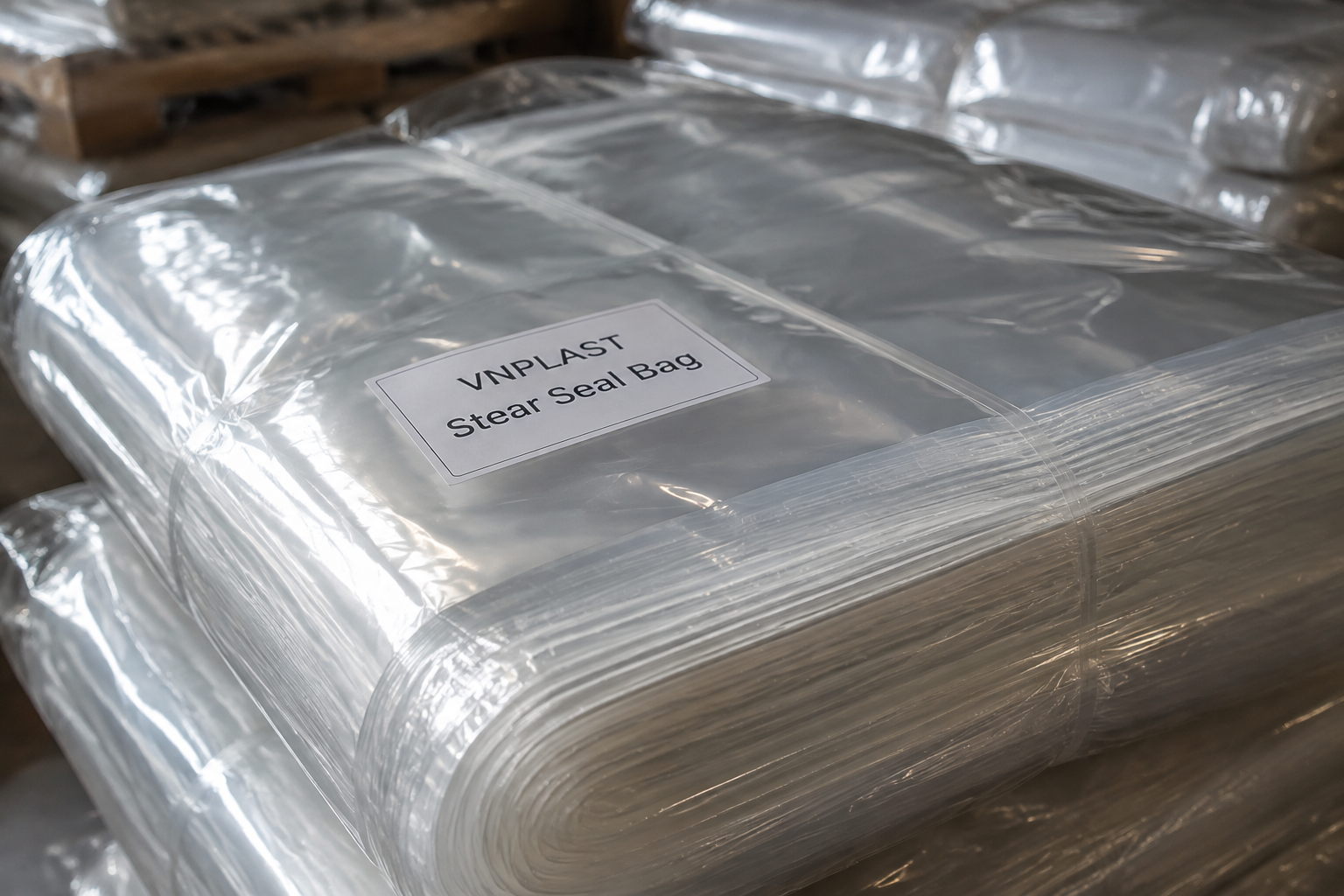
close‑up of a stack of transparent stear seal bags with sealed edges, showing the thick polymer material and a label indicating “VNPLAST – …
Understanding Stear Seal Bags
Stear seal bags are heavy‑duty polyethylene bags that feature a heat‑sealed edge reinforced with a stear‑based sealant. This construction provides superior puncture resistance and a moisture‑tight closure, making them ideal for:
- Industrial waste containment – hazardous or oily refuse.
- Food‑grade packaging – fresh produce, frozen items, and bulk ingredients.
- Construction debris – sand, gravel, and demolition waste.
- Recycling streams – separating plastics, metals, and paper.
Key Factors When Choosing a Stear Seal Bag Supplier
- Material Quality – Verify that the polyethylene meets ASTM D4970 or ISO 11607 standards for strength and barrier performance.
- Seal Integrity – Look for a supplier that uses a proven stear‑based sealant and provides seal‑strength test reports.
- Customization Options – Size, thickness, color, and printed branding should be flexible to match your brand and regulatory needs.
- Environmental Compliance – Preference for suppliers offering recyclable or biodegradable options and compliance with REACH and RoHS.
- Lead Time & Logistics – Reliable production schedules, warehousing, and delivery capabilities are crucial for continuous operations.
- Pricing Structure – Transparent volume discounts, FOB vs. CIF terms, and clear payment conditions.
- After‑Sales Support – Technical assistance for bag selection, handling guidelines, and warranty coverage.
Checklist: Selecting a Stear Seal Bag Supplier
- ✅ Confirm material certifications (ASTM, ISO).
- ✅ Request seal‑strength test data.
- ✅ Evaluate customization capabilities (size, print, color).
- ✅ Assess environmental credentials (recyclable, biodegradable).
- ✅ Review lead‑time guarantees and inventory options.
- ✅ Compare total cost of ownership, not just unit price.
- ✅ Verify after‑sales technical support and warranty terms.
VNPLAST’s Competitive Edge
VNPLAST (https://vnplast.com/) has been producing high‑performance plastic packaging for over two decades. Their stear seal bags are manufactured on a dedicated extrusion line that ensures uniform wall thickness and consistent seal quality.
Product Portfolio Highlights
- Hand Stretch Film – for pallet stability.
- Die Cut Bag Plastic – pre‑shaped for specific applications.
- Recycle Plastic Bag – made from post‑consumer waste.
- Refuse Sack Plastic Bag – heavy‑duty waste collection.
- Food Plastic Bag – FDA‑approved for direct food contact.
- Hazardous Plastic Garbage – chemically resistant options.
Why Clients Choose VNPLAST
- ISO 9001 certified production facility.
- In‑house R&D for custom seal formulations.
- Fast 7‑day turnaround on standard sizes.
- Dedicated account managers for personalized service.
- Competitive bulk pricing with tiered discounts.
Real‑World Use Cases
Manufacturers in the food industry rely on VNPLAST’s stear seal bags to keep bulk grains fresh during transport. Construction firms use the same bags to contain sand and cement, reducing spillage and cleanup time. Waste‑management companies appreciate the chemical resistance when handling oily or hazardous waste.
Comparison: VNPLAST vs. Typical Market Suppliers
| Feature | VNPLAST | Average Competitor |
|---|---|---|
| Material Certification | ASTM D4970, ISO 11607 | Varies, often undocumented |
| Seal Strength Test | Provided with every batch | Optional, on request |
| Customization | Size, thickness, color, printed logo | Limited to standard sizes |
| Eco‑Options | Recycled & biodegradable grades | Rarely offered |
| Lead Time | 7‑10 business days | 15‑30 days |
| Price (per 1000 bags, 30 µm) | $120 | $135 |
Implementation Tips for Seamless Integration
- Storage – Keep bags in a cool, dry area to maintain seal integrity.
- Handling – Use the Handle Wrap Tool Plastic Bag for easy lifting of heavy loads.
- Disposal – Separate recyclable bags from hazardous waste to comply with local regulations.
- Quality Checks – Perform a visual seal inspection and a simple water‑leak test on the first batch received.
Frequently Asked Questions
What thickness is recommended for hazardous waste containment?
For hazardous liquids and oily waste, a thickness of 40‑50 µm with a reinforced stear seal provides the best balance of durability and cost.
Can VNPLAST produce bags with custom branding?
Yes, VNPLAST offers full‑color printing on the bag surface, including logos, safety warnings, and QR codes for tracking.
Are stear seal bags recyclable?
Standard polyethylene stear seal bags are recyclable where facilities accept LDPE. VNPLAST also offers a 100 % recycled‑content version that meets most municipal recycling programs.
How do I verify the seal strength?
VNPLAST supplies a seal‑strength test report for each production run, measured in Newtons (N). A minimum of 150 N is typical for industrial applications.
What is the typical lead time for a custom order?
Custom sizes and prints usually require 10‑14 business days from order confirmation, depending on order volume.
Conclusion
Choosing the right stear seal bag supplier can dramatically affect your operational efficiency, compliance, and cost structure. By evaluating material quality, seal integrity, customization options, and environmental credentials, you can select a partner that aligns with your business goals. VNPLAST’s proven track record, ISO certification, and flexible production capabilities make it a strong candidate for companies seeking reliable, high‑performance stear seal bags.
Table of Contents
stear seal bag supplier: practical overview
stear seal bag supplier specifications should always be confirmed before mass production.
Ask for a representative stear seal bag supplier sample when testing a new application.
Document the approved stear seal bag supplier requirements for repeat orders.
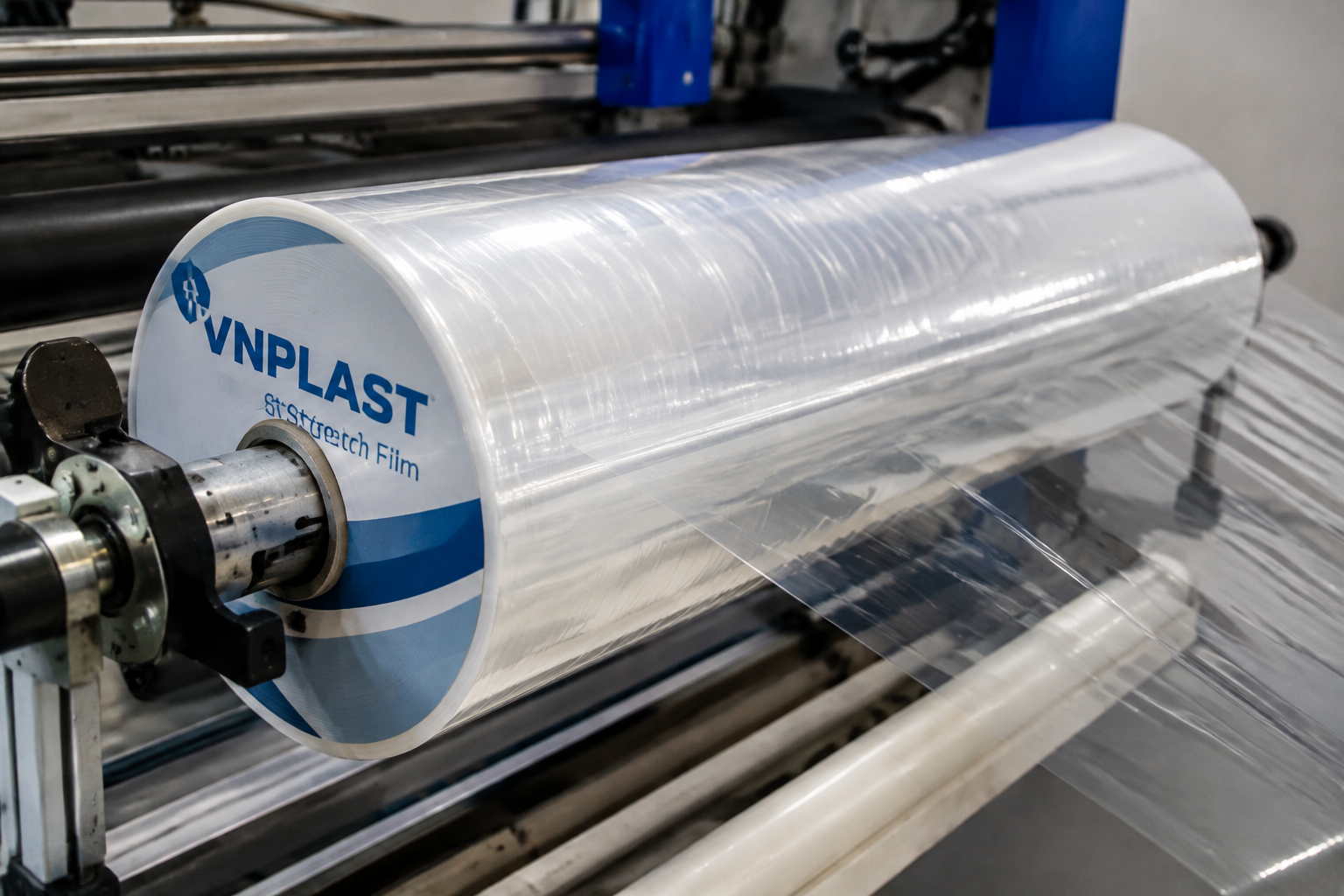
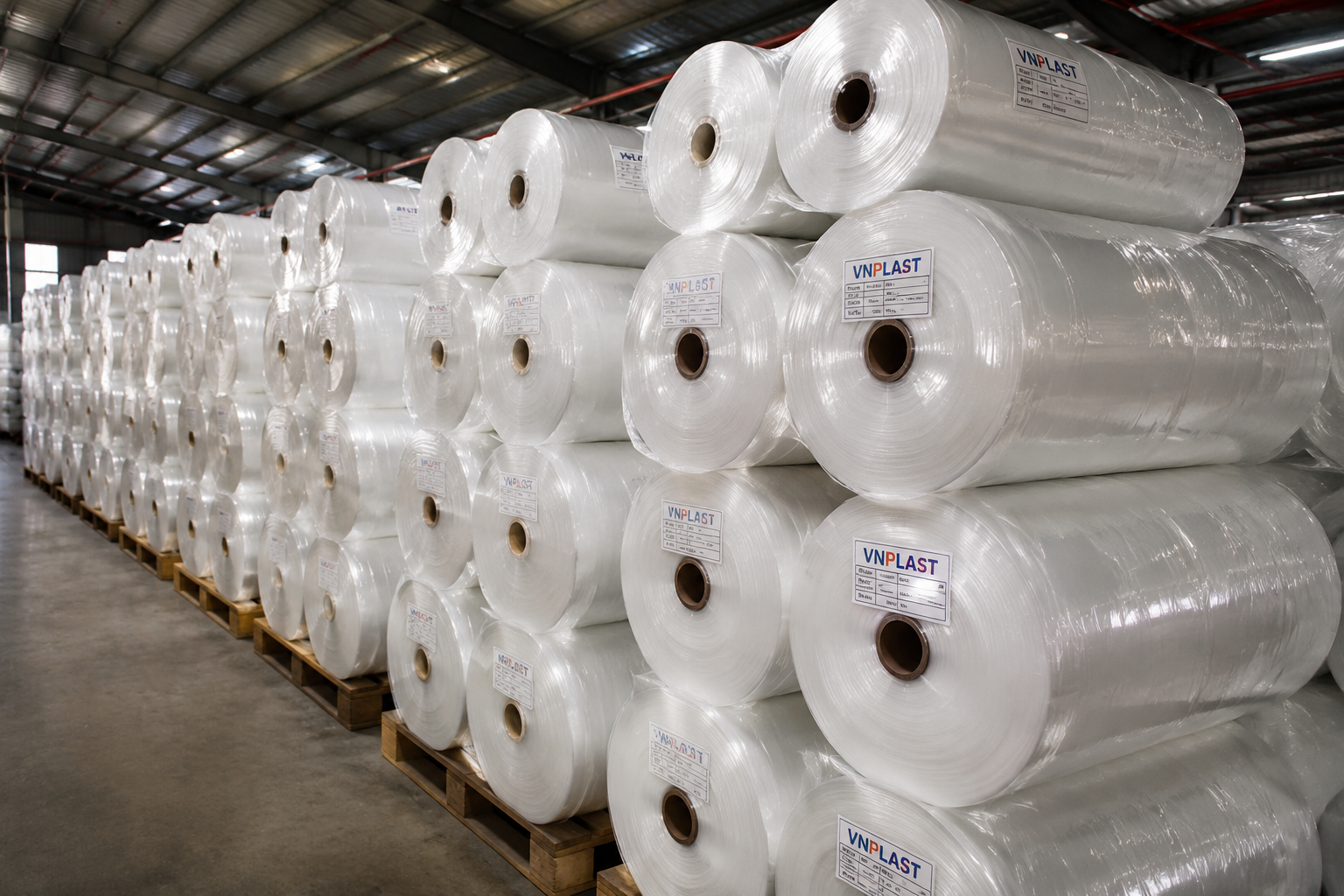
Sourcing and support
Explore VN Plastic packaging products, review independent information from an authoritative environmental resource, or contact VN Plastic for a tailored specification and quotation.