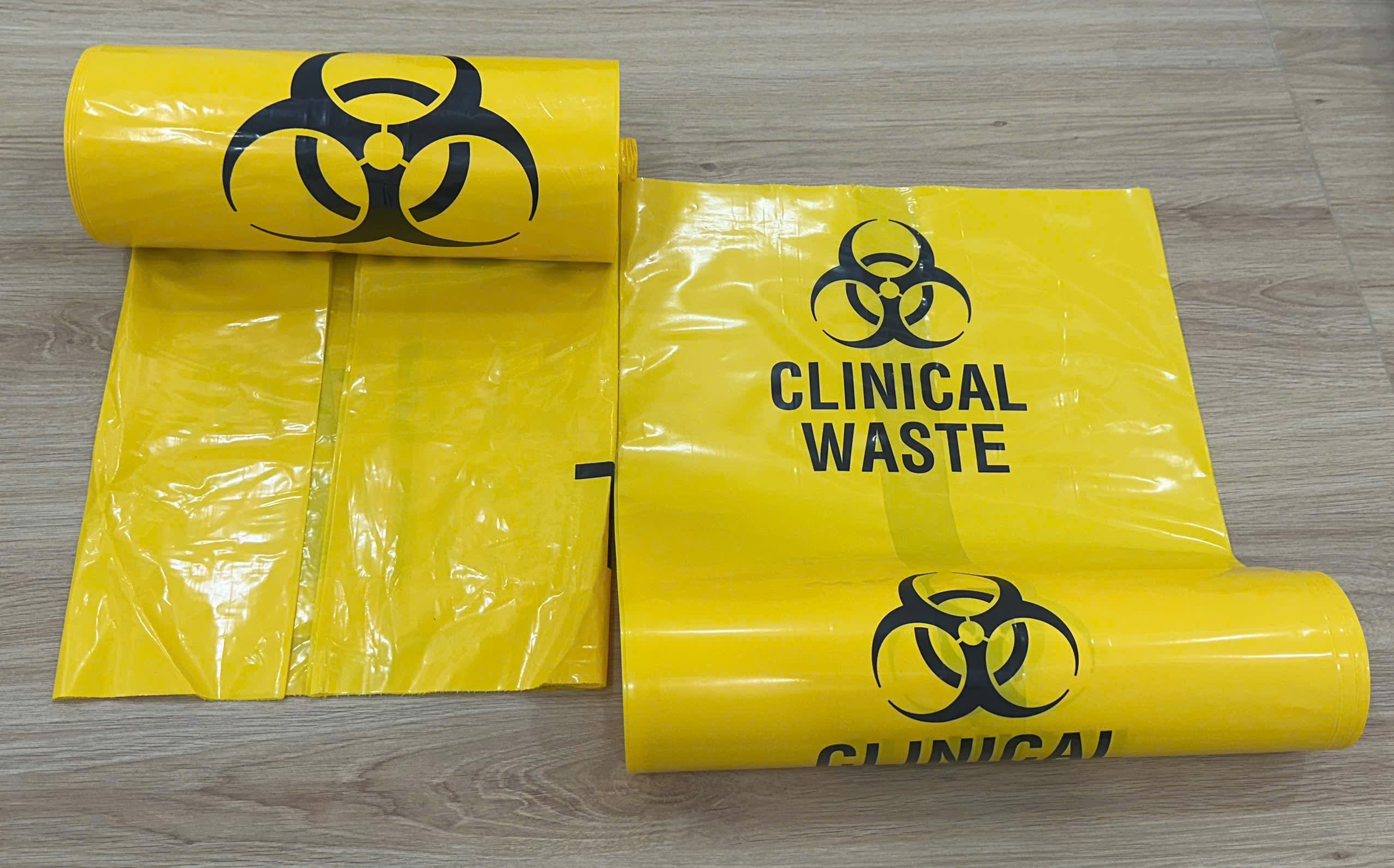
When you search for “hand stretch film 8mm,” you’re looking for a high‑tensile, thin‑gauge plastic wrap that balances strength, stretchability, and cost‑effectiveness for manual palletizing. Hand stretch film 8mm provides up to 150 % stretch before breaking, making it ideal for securing loads of varying shapes while minimizing material waste. This guide explains how the 8 mm thickness compares to other gauges, outlines key selection criteria, and offers practical tips for optimal application in warehouses, distribution centers, and small‑scale operations.
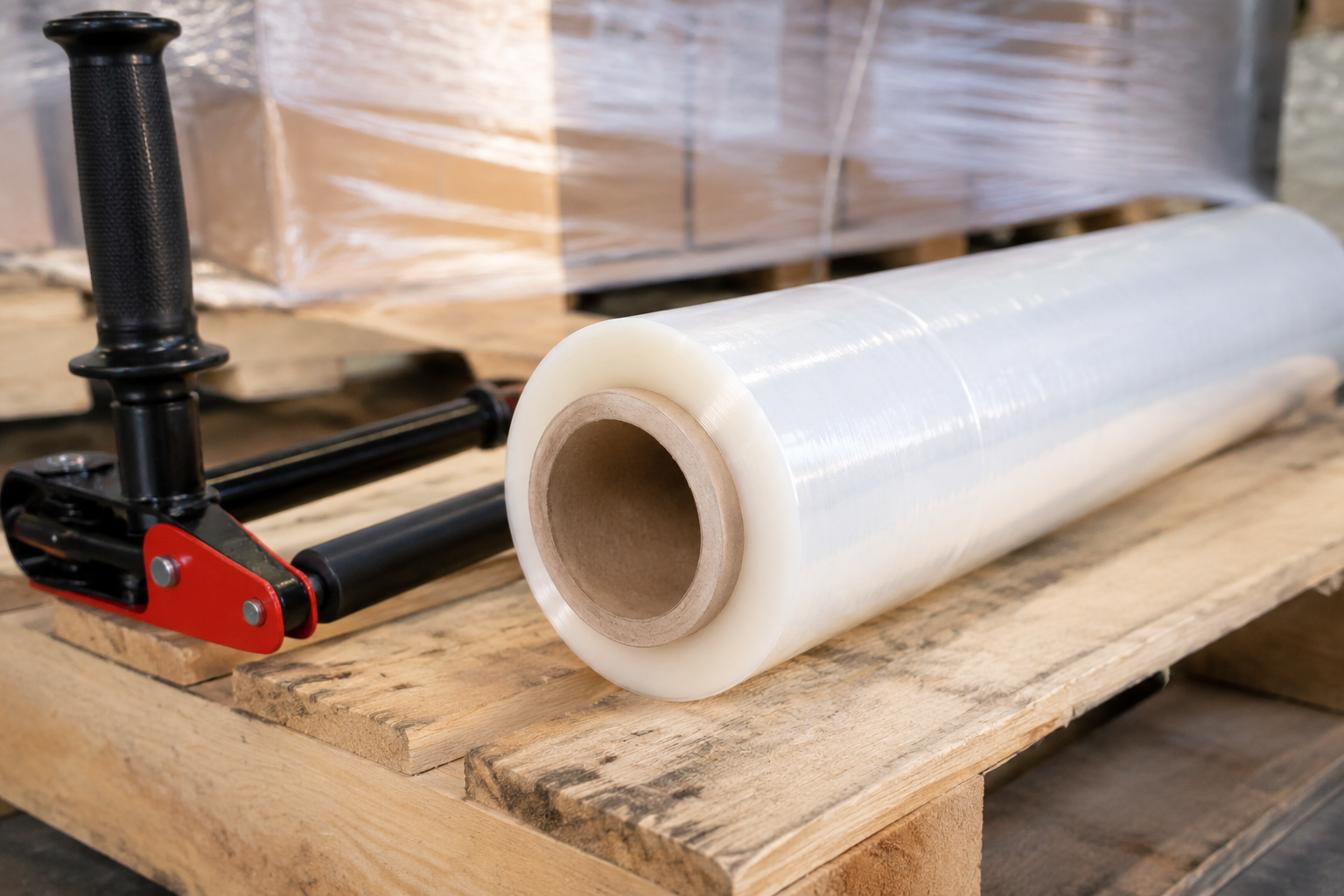
a close‑up view of a hand stretch film 8mm roll on a wooden pallet, with a tensioning hand tool positioned beside it, showing the film’s tr…
Why Choose Hand Stretch Film 8mm?
Strength and elasticity are the hallmarks of an 8 mm hand stretch film. It delivers:
- High tensile strength: up to 30 kg/cm, resisting load shifts during transport.
- Superior elongation: 150 % stretch reduces the number of layers needed.
- Thin profile: saves material costs and reduces environmental impact.
Key Decision Factors
- Load type: Heavy, irregular loads benefit most from 8 mm due to its stretch capacity.
- Wrapping speed: Manual application is faster because fewer passes are required.
- Recyclability: VNPLAST’s 8 mm film is made from recyclable low‑density polyethylene (LDPE).
- Cost per pallet: Although slightly pricier per kilogram than 5 mm film, the reduced layer count often lowers total cost.
How Hand Stretch Film 8mm Works
The film is unwound from a core, stretched manually with a hand tool or directly with the operator’s hands, and then clings to the load through molecular attraction. Proper tension ensures the film contracts around the load, creating a uniform, tight seal.
Step‑by‑Step Application
- Prepare the load: Align boxes or bags (e.g., plastic bag, die cut bag plastic) on a stable pallet.
- Position the roll: Place the 8 mm film roll on a stable surface, ensuring the unwind direction matches the wrapping path.
- Start the stretch: Pull the film upward, applying even tension with a hand stretch tool.
- Wrap around the load: Complete at least one full rotation, then continue spiraling upward, maintaining consistent overlap (≈50 %).
- Seal the end: Tuck the final strip under the previous layer to lock the tension.
Comparison: 8mm vs. Other Common Gauges
| Gauge | Typical Stretch (%) | Tensile Strength (kg/cm) | Material Use (per pallet) | Best Use Cases |
|---|---|---|---|---|
| 5 mm | 120 | 22 | High | Light, uniform loads |
| 8 mm | 150 | 30 | Medium | Heavy, irregular loads; hazardous plastic garbage |
| 12 mm | 180 | 38 | Low | Very heavy or high‑value shipments |
Pros and Cons of Hand Stretch Film 8mm
- Pros:
- Excellent load stability with fewer layers.
- Reduced plastic consumption compared to thicker films.
- Easy manual handling; no need for automated equipment.
- Cons:
- Higher per‑kilogram price than thinner gauges.
- Requires skilled operators to achieve optimal tension.
Real‑World Use Cases for Hand Stretch Film 8mm
Industries that regularly handle bulky or hazardous items find the 8 mm film indispensable. Examples include:
- Food plastic bag manufacturers: Securely bundle pallets of pre‑packed bags without damaging the product.
- Recycling facilities: Wrap bundles of recycle plastic bag or refuse sack plastic bag for transport to processing plants.
- Construction waste management: Contain hazardous plastic garbage to meet safety regulations.
- Logistics for block header plastic bags: Maintain stack integrity during long‑haul trips.
Checklist: Selecting the Right Hand Stretch Film 8mm Supplier
- ✅ Verify film is LDPE and meets ISO 14021 recycled content standards.
- ✅ Confirm tensile strength and stretch percentages match product data sheets.
- ✅ Request sample rolls to test on typical loads (e.g., handle wrap tool plastic bag).
- ✅ Ensure supplier offers consistent core sizes (e.g., 200 mm) for your equipment.
- ✅ Check for bulk pricing tiers and delivery lead times.
- ✅ Review environmental certifications (e.g., FSC, recycled content claims).
Implementation Tips for Optimal Performance
- Temperature control: Store film at 20‑25 °C to maintain elasticity.
- Roll orientation: Keep the roll upright to prevent creasing.
- Operator training: Conduct short workshops on tension control and overlap technique.
- Quality inspection: Perform visual checks for tears after each pallet is wrapped.
Frequently Asked Questions
What is the difference between hand stretch film and machine stretch film?
Hand stretch film is designed for manual application, offering easier control for small batches, while machine stretch film is engineered for high‑speed, automated wrapping. Hand stretch film 8mm provides a balance of strength and stretch that is often sufficient for most manual palletizing tasks.
Can hand stretch film 8mm be recycled?
Yes. VNPLAST’s 8 mm film is made from recyclable LDPE. After use, it can be collected with other plastic films and processed at facilities that accept low‑density polyethylene.
Is 8 mm film suitable for hazardous waste?
Hand stretch film 8mm meets many regulatory requirements for containing hazardous plastic garbage, provided it is applied with proper overlap and sealed edges to prevent leakage.
How many layers are typically needed for a standard pallet?
With 150 % stretch capability, most loads achieve secure containment in 2–3 layers of 8 mm film, compared to 4–5 layers with thinner gauges.
What accessories improve hand application?
Using a hand stretch tool with a built‑in tension gauge, a pallet base dispenser, and anti‑static gloves can enhance control and reduce fatigue.
Conclusion
Hand stretch film 8mm delivers the perfect mix of strength, elasticity, and material efficiency for manual pallet wrapping across diverse industries. By evaluating load requirements, checking supplier certifications, and training staff on proper tension techniques, businesses can achieve secure, cost‑effective, and environmentally responsible packaging. VNPLAST’s 8 mm hand stretch film stands out as a reliable choice for anyone seeking to protect their goods while minimizing plastic waste.
Table of Contents
hand stretch film 8mm: practical overview
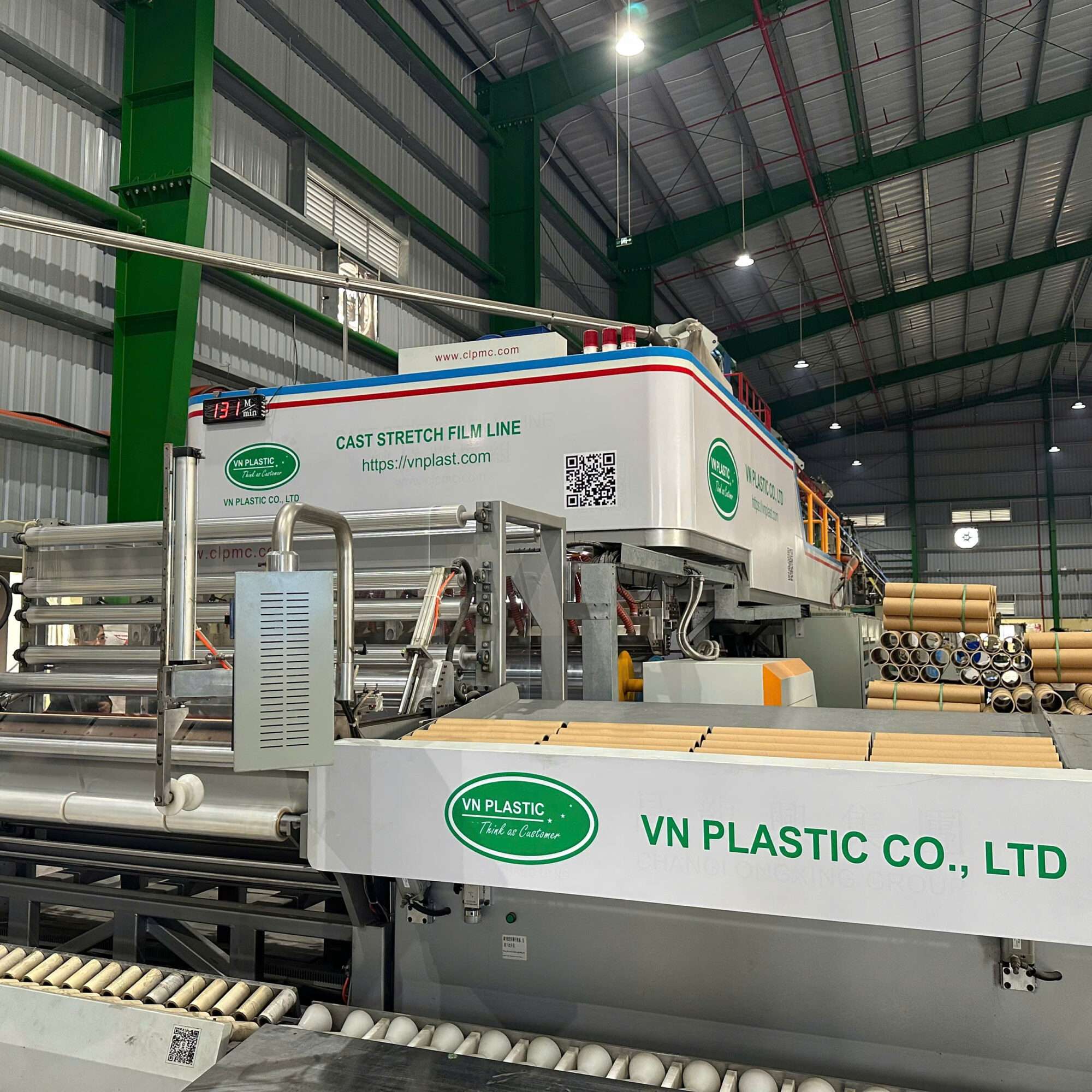
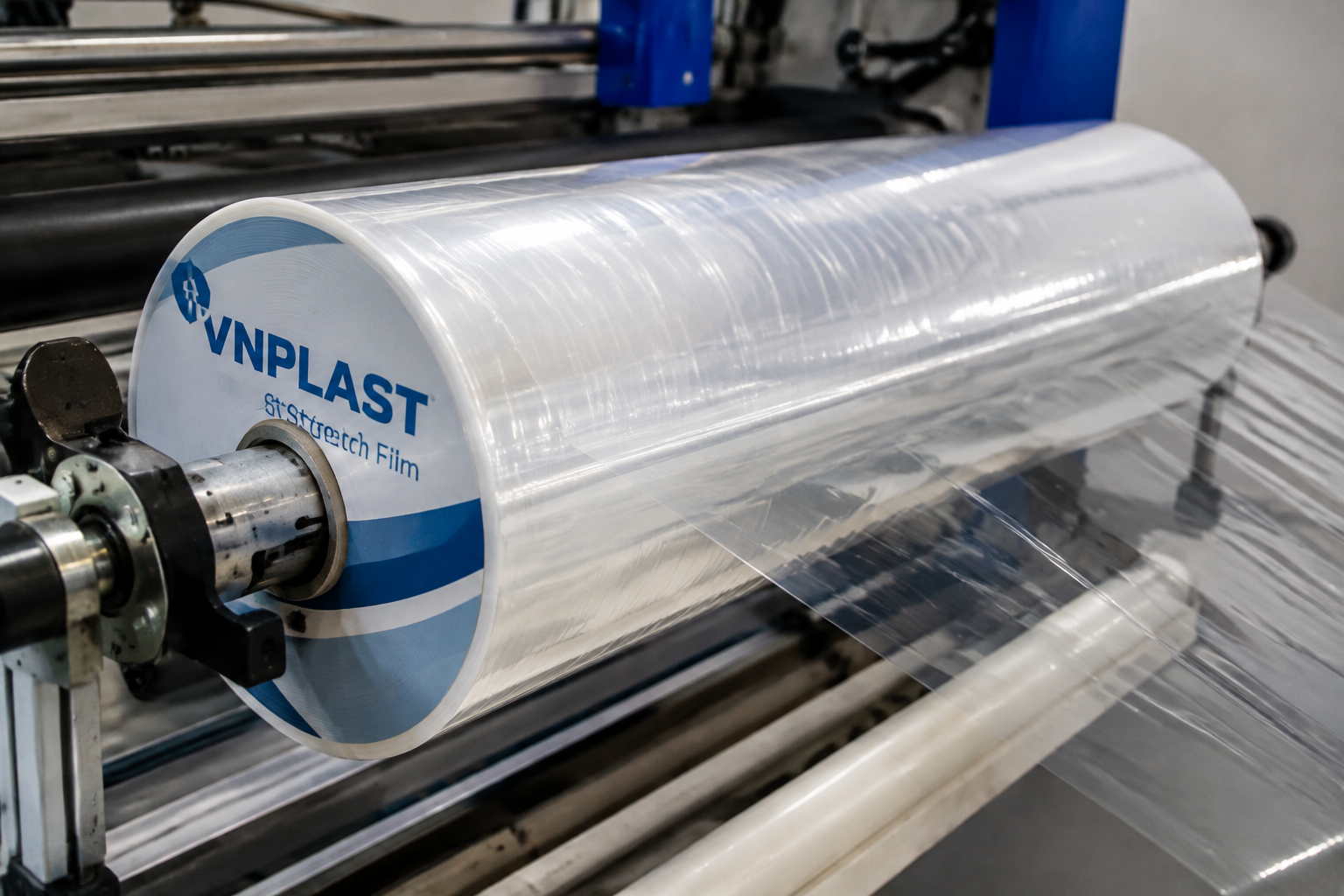
Sourcing and support
Explore VN Plastic packaging products, review independent information from an authoritative environmental resource, or contact VN Plastic for a tailored specification and quotation.