When businesses search for hand stretch film price, they need more than a simple cost figure—they need to know what factors drive that price and how to choose the right film for their packaging needs. In the first 120 words, we’ll explain that hand stretch film price typically ranges from USD 0.30 to 0.80 per meter depending on thickness, width, roll size, and whether the film is recycled or virgin. VNPLAST offers a transparent pricing model that adjusts with volume, allowing you to calculate exact costs for projects such as wrapping pallets of plastic bags, securing hazardous waste, or protecting food products.
What Determines Hand Stretch Film Price?
Understanding the components that affect hand stretch film price helps you make cost‑effective decisions without sacrificing performance.
1. Film Thickness (Gauge)
- 12 µm – 15 µm: Light‑weight, ideal for low‑risk items; lowest price tier.
- 18 µm – 20 µm: Standard strength for most pallet loads; mid‑range price.
- 25 µm – 30 µm: Heavy‑duty protection for hazardous or heavy goods; premium price.
2. Width and Length
- Common widths: 500 mm, 700 mm, 1000 mm. Wider film covers larger surfaces, raising the per‑meter cost.
- Roll lengths range from 200 m to 1,500 m. Larger rolls lower the price per meter but increase upfront inventory cost.
3. Material Composition
- Virgin LDPE: Consistent stretch and clarity; slightly higher price.
- Recycled LDPE: Eco‑friendly, up to 10 % cheaper, but may have minor visual variations.
4. Brand and Certifications
- VNPLAST’s hand stretch film meets ISO 9001 quality standards, justifying a modest premium.
- Certified food‑grade film carries a small additional cost for safety compliance.
5. Order Volume & Discounts
- Purchases under 5 rolls: standard list price.
- 5 – 20 rolls: 5 % volume discount.
- 21 + rolls: 10 %–15 % discount, often the most economical way to manage hand stretch film price.
Real‑World Use Cases that Influence Pricing
Different applications demand specific film properties, which directly impact cost.
Palletizing Plastic Bags
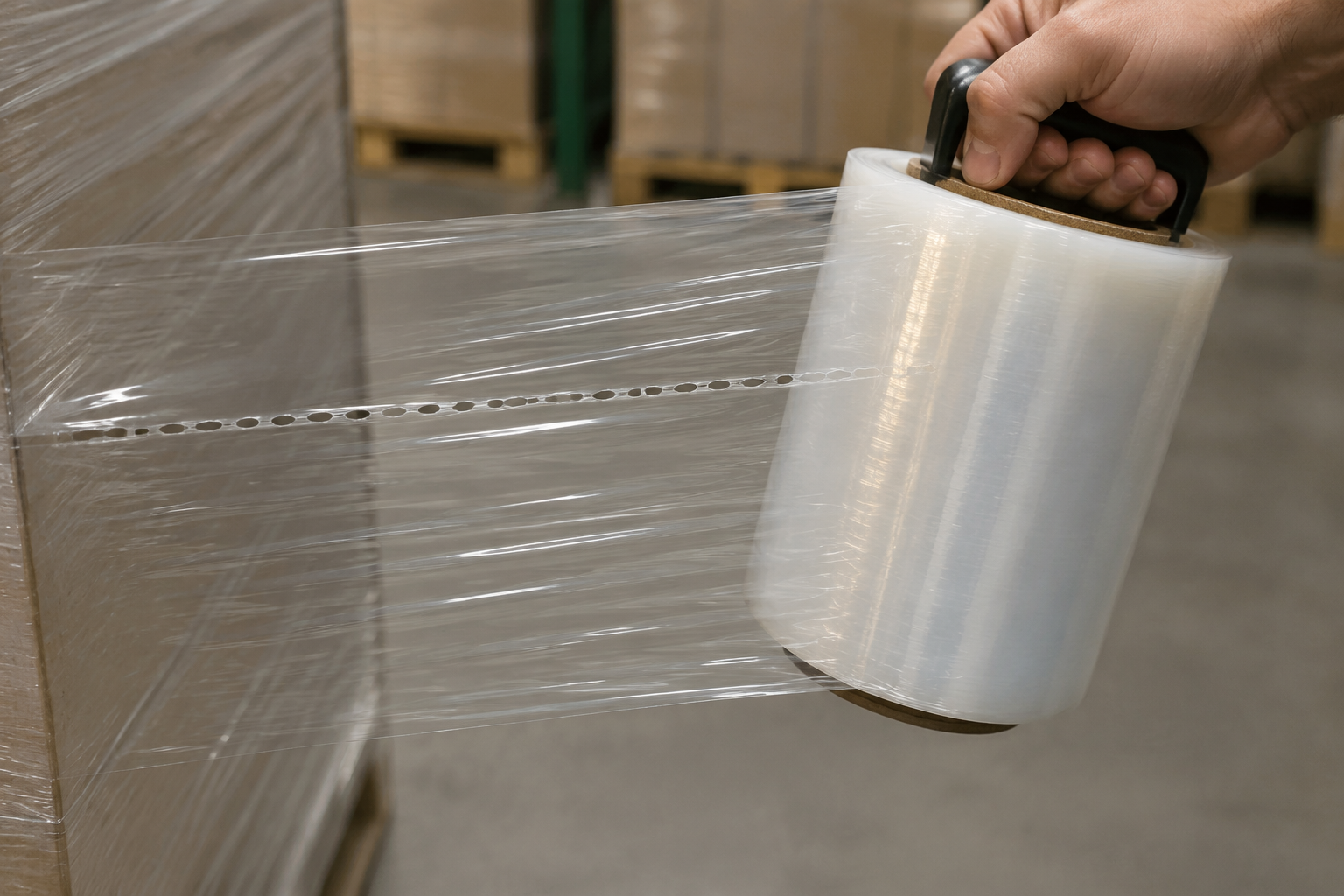
When wrapping stacks of plastic bag or die cut bag plastic, a 12 µm film at 500 mm width is sufficient. The lower hand stretch film price in this scenario keeps operating expenses down while still providing a secure seal.
Securing Hazardous Waste
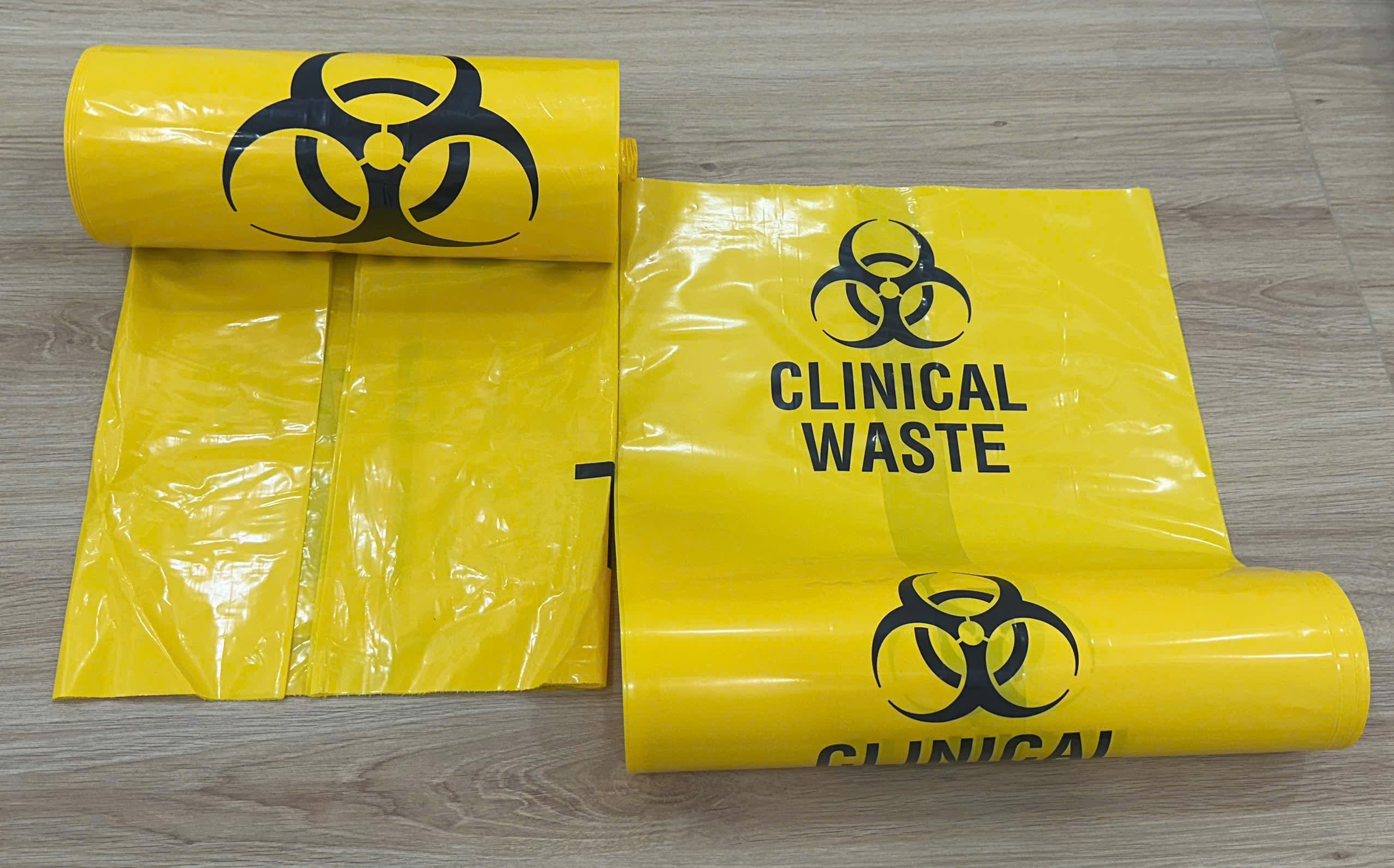
For hazardous plastic garbage or refuse sack plastic bag, a 25 µm, 700 mm film is recommended. The higher thickness raises the hand stretch film price, but it prevents tears and leaks, protecting both staff and the environment.
Food‑Grade Applications
Food safety regulations require a clear, food‑grade film that meets FDA standards. This adds roughly 5 % to the hand stretch film price, a worthwhile investment for compliance.
Hand Stretch Film Purchase Checklist
- Determine load type – pallets, boxes, hazardous containers.
- Select appropriate gauge – 12 µm for light loads, 25 µm for heavy/ hazardous.
- Choose width – match the largest item dimension plus 10 %.
- Decide on material – virgin for consistent performance, recycled for cost savings.
- Calculate required length – estimate meters per pallet and multiply by expected volume.
- Check certifications – ISO, FDA, or other industry standards.
- Confirm discount tier – align order size with volume discount thresholds.
- Plan for storage – ensure dry, temperature‑controlled space for large rolls.
Pros and Cons of Different Hand Stretch Film Options
- Virgin LDPE
- Pros: Uniform stretch, clear appearance, reliable performance.
- Cons: Higher per‑meter cost.
- Recycled LDPE
- Pros: Lower cost, environmentally friendly, reduces carbon footprint.
- Cons: Slight visual inconsistencies, marginally lower tensile strength.
- Heavy‑Duty 25 µm Film
- Pros: Excellent tear resistance, ideal for hazardous waste.
- Cons: Higher price, may be overkill for light loads.
How to Compare Hand Stretch Film Prices Across Suppliers
When evaluating quotes, use this simple matrix to ensure you’re comparing apples‑to‑apples.
- Unit Price (USD / m) – Base cost before discounts.
- Thickness (µm) – Align with load requirements.
- Width (mm) – Must cover your largest package.
- Roll Length (m) – Larger rolls lower per‑meter cost.
- Recycled Content (%) – Influences both price and sustainability rating.
- Certification – Food‑grade, ISO, etc.
- Delivery Lead Time – Impacts inventory holding costs.
Tips for Reducing Hand Stretch Film Price Without Sacrificing Quality
- Consolidate orders to reach the next discount tier.
- Opt for recycled film when visual clarity is not critical.
- Standardize roll size across your operation to simplify inventory.
- Train staff on optimal stretch techniques to use less film per pallet.
- Negotiate long‑term contracts with VNPLAST for locked‑in pricing.
Conclusion
Choosing the right hand stretch film at the best price requires balancing thickness, width, material composition, and order volume. By applying the checklist, comparing key specifications, and leveraging VNPLAST’s transparent discount structure, you can control hand stretch film price while ensuring safe, compliant, and efficient packaging for plastic bags, hazardous waste, food items, and more.
FAQ
- What is the average hand stretch film price per meter? For standard 18 µm, 500 mm width film, prices range from USD 0.35 to 0.55 per meter before volume discounts.
- Does recycled hand stretch film cost less? Yes, recycled LDPE typically costs 5 %–10 % less than virgin film, while still meeting most performance standards.
- How much film do I need for one pallet? A typical 120 cm × 100 cm pallet wrapped with 12 µm film requires about 12 m of film; heavier loads may need 15–18 m.
- Are there price differences for food‑grade vs. standard film? Food‑grade film carries a small premium (≈5 %) due to additional testing and certification.
- Can I get a discount for ordering 50 rolls? Yes, ordering 21 + rolls usually qualifies for a 10 %–15 % discount from VNPLAST.
Table of Contents
hand stretch film price: practical overview
Sourcing and support
Explore VN Plastic packaging products, review independent information from an authoritative environmental resource, or contact VN Plastic for a tailored specification and quotation.