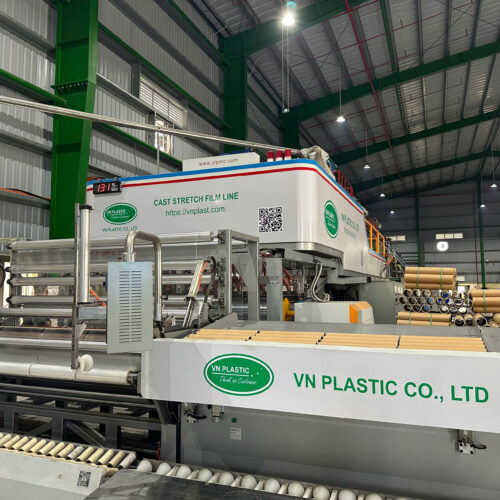
Plastic resin prices are facing renewed upward pressure after Brent crude moved above USD 100 per barrel. For importers and packaging buyers, the key issue is not just today’s resin quotation—it is how quickly higher energy, feedstock and freight costs can flow through to future orders.
Table of Contents
Market update: Brent crude above $100
On September 9, 2026, Brent crude settled at USD 101.21 per barrel, while U.S. West Texas Intermediate settled at USD 96.05, according to Associated Press market reporting. The move came amid escalating Middle East conflict, attacks affecting energy infrastructure and uncertainty around key shipping routes.
The market remains volatile. Oil benchmarks can change sharply within a day, so a single price should be treated as a dated market snapshot—not a guaranteed level for future resin contracts. Buyers can monitor official historical benchmark data through the U.S. Energy Information Administration.

How crude oil affects plastic resin prices
Many common packaging resins, including polyethylene, are connected to petrochemical feedstocks and energy-intensive production. When crude oil and related feedstock costs rise, resin producers and converters can face higher input, utility and logistics expenses. This can increase pressure on plastic resin prices and, eventually, finished packaging quotations.
The relationship is not one-to-one. Regional supply and demand, cracker operating rates, inventory, currency movements, contract formulas and the choice between oil-based and gas-based feedstocks all matter. A rise in Brent therefore does not mean every grade will increase by the same amount or on the same day. It does, however, raise the level of procurement risk that buyers should actively manage.
What packaging buyers should expect
For plastic bags, garbage bags, food packaging bags and stretch film, resin is a major cost component. If plastic resin prices continue to strengthen, buyers may see shorter quotation-validity periods, tighter production schedules and more frequent price reviews. Shipping disruption can add a second layer of pressure through longer transit times, container availability and freight surcharges.
Waiting for a perfect market bottom can be costly when demand is fixed. A delayed decision may expose an order to higher material costs or leave less production capacity before the required shipping date. The more practical goal is to match purchasing decisions to real consumption, inventory and delivery needs.

Plastic resin prices: 7 smart moves for buyers
- Share a rolling forecast. Provide expected monthly volume, product mix and delivery windows. Better visibility helps a supplier reserve resin and production capacity.
- Confirm the specification early. Lock bag dimensions, thickness, material, color, printing, sealing and packing format before requesting a final quotation.
- Separate urgent and flexible demand. Secure near-term requirements first, then keep later quantities flexible if your inventory permits.
- Ask how long the quotation is valid. When plastic resin prices are volatile, an explicit validity period avoids misunderstandings and supports faster approval.
- Evaluate total landed cost. Compare product price together with freight, duties, lead time, pallet or carton utilization and quality risk.
- Consider staged deliveries. A planned shipment schedule can balance stockholding cost with supply continuity.
- Keep an approved alternative ready. Where performance and destination-market rules allow, pre-approve a suitable material or specification alternative instead of changing it during an urgent order.
These actions do not remove market volatility, but they reduce last-minute decisions and make procurement more resilient. Buyers can also review VN Plastic’s plastic packaging product range and our practical guide to stretch film plastic when planning specifications.
How VN Plastic supports customers
At VN Plastic, our principle is “Think As Customer.” We monitor resin movements, crude oil, freight, production capacity and broader market conditions so customers can make better-informed purchasing decisions. Our team does not treat a headline price as a quotation; we review the actual product, quantity, timeline and destination before recommending a plan.
Understanding a customer’s future import schedule allows us to coordinate raw materials and production more effectively. This is especially useful when plastic resin prices are changing quickly. The objective is to maximize purchasing efficiency, minimize avoidable risk and maintain dependable delivery.
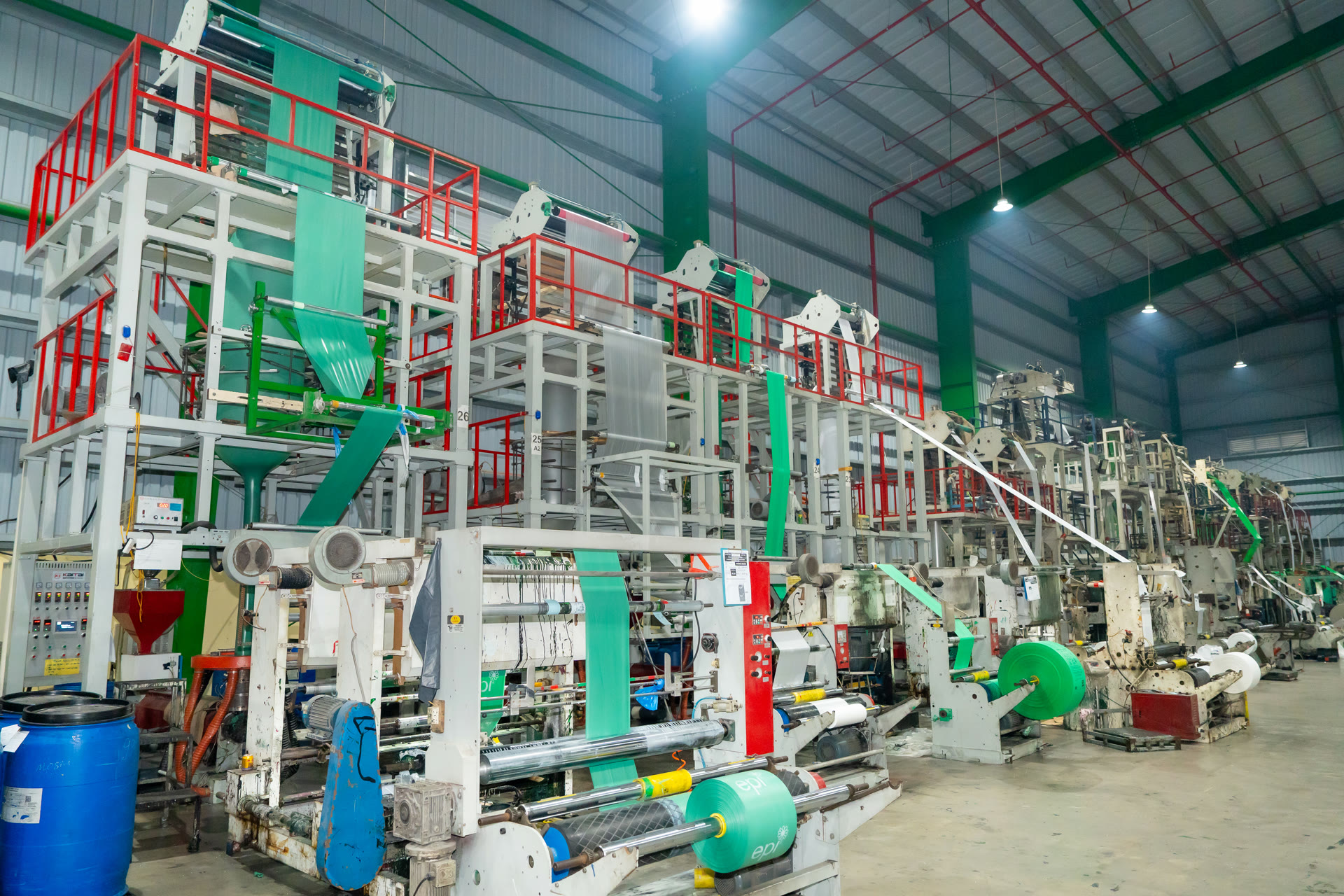
If you are planning upcoming imports of plastic bags, garbage bags, food packaging bags, stretch film or related products, share your quantity and timeline with VN Plastic. We will work with you on a practical production and purchasing plan.
Explore recyclable trash bag solutions or contact VN Plastic for a tailored quotation and supply-plan review.
Frequently asked questions
Why do higher crude oil prices affect plastic resin prices?
Crude oil influences petrochemical feedstocks, energy and logistics costs. The effect varies by resin grade and region because supply, demand, inventory, plant operating rates and local feedstock economics also influence pricing.
Will plastic packaging prices rise immediately?
Not necessarily. Timing depends on existing resin inventory, supplier contracts, production capacity and freight. However, sustained oil strength can shorten quotation validity and increase the risk of higher replacement costs.
Should buyers place all orders now?
There is no universal answer. Buyers should prioritize confirmed near-term demand, review inventory and cash flow, and coordinate staged orders against required delivery dates rather than reacting to a single market headline.
What information helps VN Plastic quote accurately?
Please provide the product type, dimensions, thickness, material, color, printing, packing format, quantity, destination and requested delivery date. A forecast for repeat orders helps us plan around changing plastic resin prices.
VN Plastic – Think As Customer.