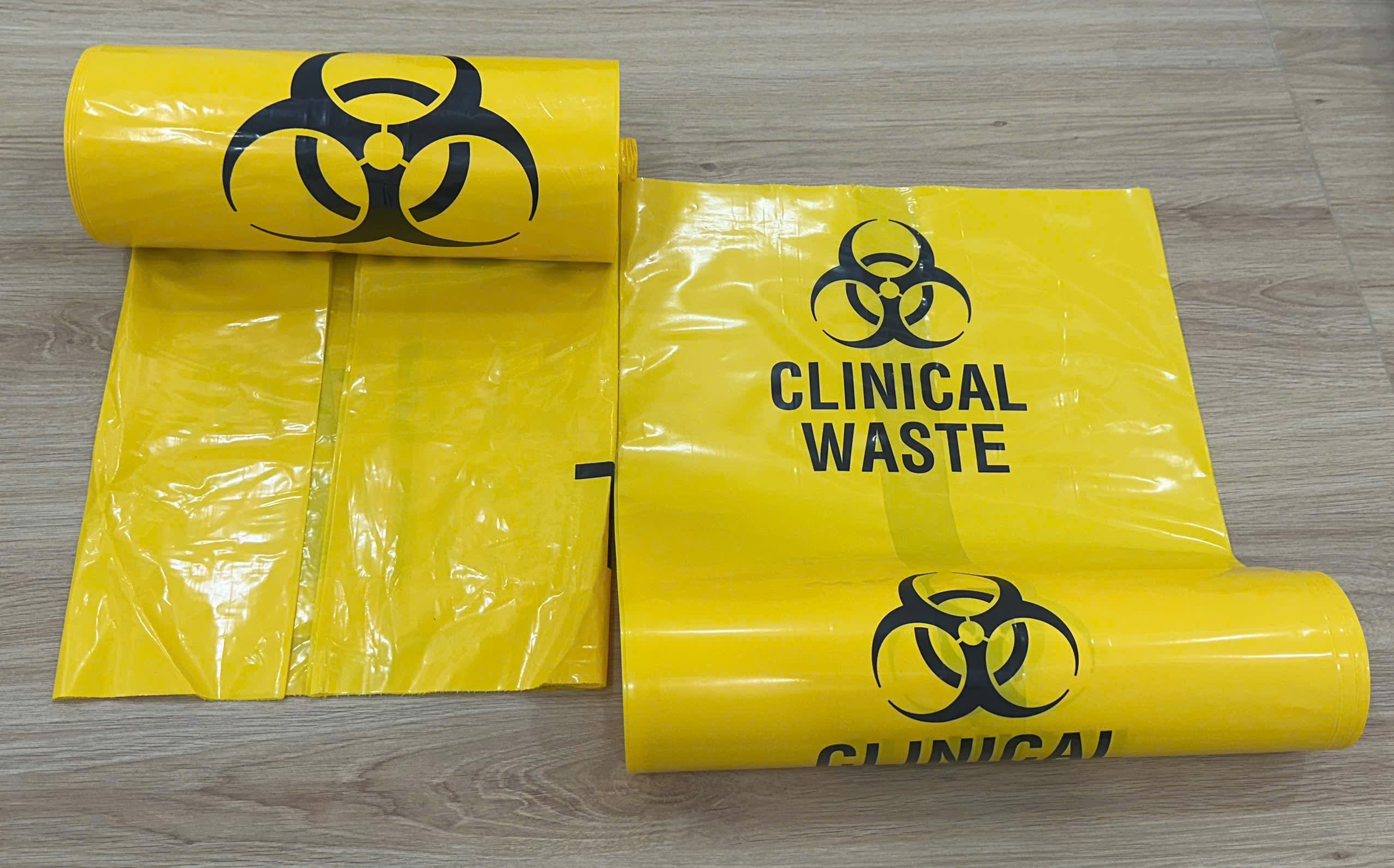
Plastic hazardous waste recycling is the process of collecting, treating, and reprocessing plastic materials that have been contaminated with hazardous substances such as chemicals, medical residues, or industrial pollutants. Properly managing this waste reduces environmental impact, complies with regulations, and can recover valuable resources for new products like plastic bags, hand stretch film, or die‑cut bag plastic. This guide explains how the recycling chain works, key decision factors, real‑world use cases, and best practices for companies like VNPLAST.
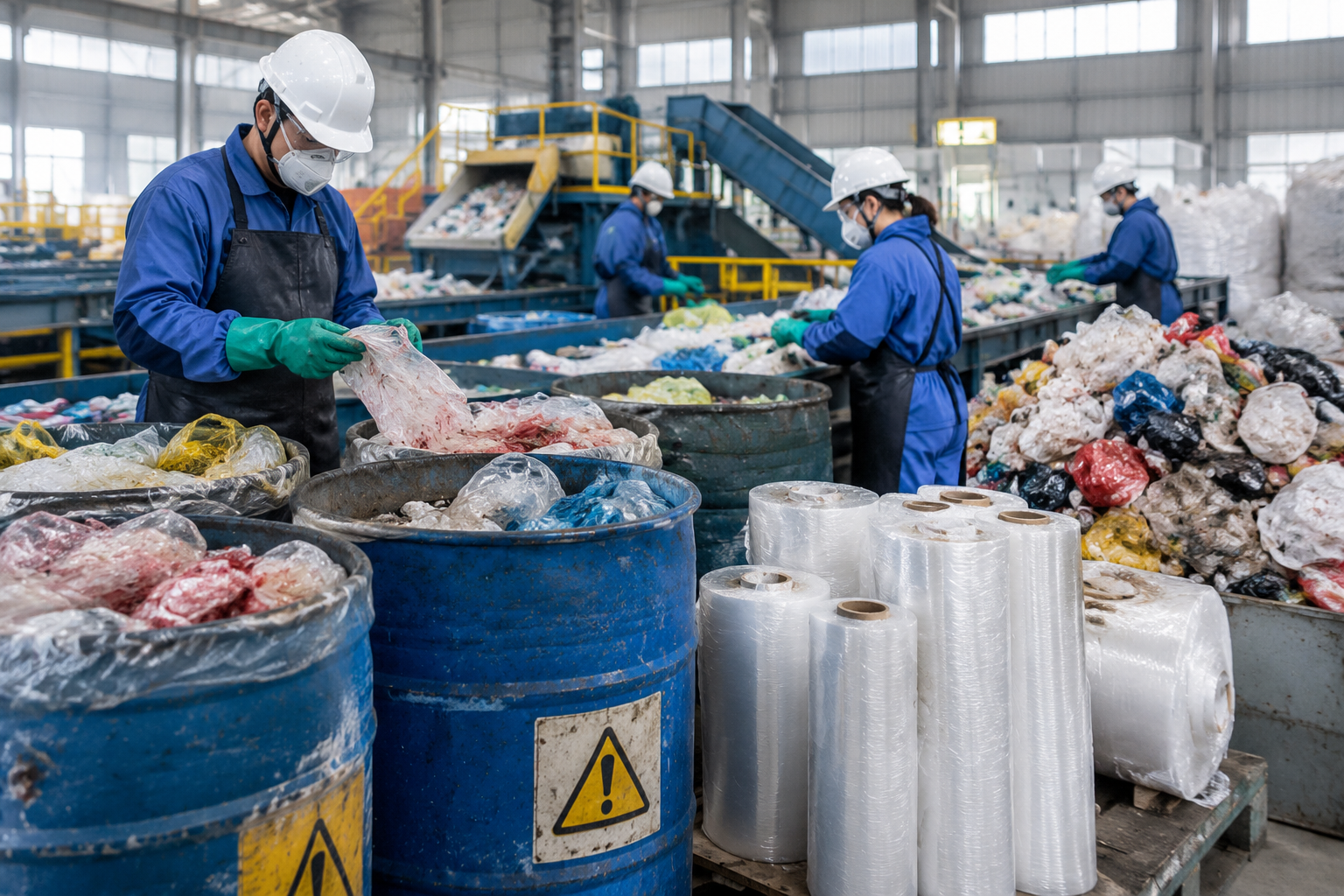
A modern recycling facility with workers in protective gear sorting hazardous plastic waste, including labeled drums of contaminated plasti…
Why Plastic Hazardous Waste Requires Specialized Recycling
Unlike ordinary plastic waste, hazardous plastic waste contains residues that can pose health and environmental risks if not handled correctly. The main reasons for specialized recycling are:
- Regulatory compliance: Laws such as the EU Waste Framework Directive and Vietnam’s Hazardous Waste Law mandate strict handling, transport, and disposal procedures.
- Health & safety: Exposure to toxic chemicals, pathogens, or flammable substances can endanger workers and nearby communities.
- Resource recovery: Even contaminated plastics can be cleaned and reprocessed into high‑value products like refuse sack plastic bags or food plastic bags.
Key Steps in the Plastic Hazardous Waste Recycling Process
1. Identification and Segregation
Accurate identification of hazardous plastic waste is the first line of defense. Companies should label containers clearly and separate them from non‑hazardous streams. Typical items include:
- Hazardous plastic garbage from chemical labs
- Used protective gloves and packaging (e.g., block header plastic bag)
- Contaminated food plastic bags from industrial kitchens
2. Safe Collection and Transport
Transport must use certified hazardous waste containers, secondary containment, and trained drivers. Documentation (manifest) should accompany each shipment to track the waste from source to recycling facility.
3. Pre‑Treatment (Cleaning & De‑contamination)
Pre‑treatment removes hazardous residues through methods such as:
- Washing with neutralizing agents: Neutralizes acids, bases, or solvents.
- Thermal treatment: Low‑temperature pyrolysis to break down contaminants.
- Mechanical shredding: Reduces size for easier cleaning.
4. Material Recovery and Reprocessing
After cleaning, the plastic is melted, extruded, or pelletized. Recovered polymers can be blended into new products, for example:
- Recycled plastic bag for grocery use
- Hand stretch film for pallet wrapping
- Die cut bag plastic for industrial packaging
5. Quality Assurance & Certification
Recycled material must meet standards such as ISO 14001 (environmental management) and ISO 9001 (quality). Testing includes melt flow index, tensile strength, and contaminant levels.
Decision Factors When Choosing a Plastic Hazardous Waste Recycling Partner
Not all recyclers are created equal. Use the following checklist to evaluate potential partners:
- Regulatory accreditation: Verify permits for hazardous waste handling.
- Technology capability: Does the facility offer advanced de‑contamination (e.g., solvent recovery, plasma treatment)?
- Material compatibility: Ability to process the specific polymers used in your products (e.g., low‑density polyethylene for refuse sack plastic bag).
- Traceability: Real‑time tracking of waste shipments and batch records.
- Cost structure: Transparent pricing per kilogram, including transport and pre‑treatment fees.
- Environmental impact: Proven reduction in carbon footprint and waste sent to landfill.
Real‑World Use Cases
Below are three examples of how companies have turned hazardous plastic waste into valuable products.
Case Study 1: Medical Laboratory Plastics
A Vietnamese medical lab generated hazardous plastic containers contaminated with disinfectants. Partnering with a certified recycler, the lab:
- Segregated waste at source using labeled refuse sack plastic bags.
- Utilized a thermal de‑contamination process that neutralized chemicals.
- Recovered high‑grade polyethylene, which was later used to produce hand stretch film for the lab’s equipment packaging.
Case Study 2: Chemical Manufacturing Plant
A chemical plant produced hazardous plastic drums and packaging. The recycling solution included:
- On‑site washing with alkaline solutions.
- Mechanical shredding to reduce size.
- Re‑extrusion into die cut bag plastic for internal parts storage, reducing new raw material demand by 30%.
Case Study 3: Food Processing Facility
A large food processor dealt with contaminated food plastic bags. By working with a recycler that offered a closed‑loop system, they:
- Collected used bags in dedicated hazardous plastic garbage bins.
- Applied a low‑temperature plasma treatment to eliminate residues.
- Converted the cleaned material into new food‑grade plastic bags, maintaining compliance with food safety regulations.
Pros and Cons of Plastic Hazardous Waste Recycling
| Pros | Cons |
|---|---|
|
|
Implementation Checklist for Companies Starting Plastic Hazardous Waste Recycling
- Audit current waste streams: Identify all hazardous plastic waste sources.
- Develop segregation protocols: Use color‑coded bins and clear labeling.
- Select a certified recycler: Apply the decision‑factor checklist above.
- Establish transport contracts: Ensure carriers have hazardous waste permits.
- Set up documentation workflow: Maintain waste manifests and recycling certificates.
- Train staff: Safety procedures, proper handling, and emergency response.
- Monitor performance: Track volume recycled, cost savings, and compliance metrics.
- Report results: Publish sustainability reports highlighting recycled material volumes (e.g., kilograms of recycled plastic bag produced).
Frequently Asked Questions
What types of plastics can be recycled from hazardous waste?
Most common polymers such as polyethylene (PE), polypropylene (PP), and polyvinyl chloride (PVC) can be reclaimed after thorough de‑contamination, provided the recycler has the appropriate technology.
Is recycling hazardous plastic waste more expensive than regular recycling?
Yes, the added steps for safety, cleaning, and certification increase costs, but the long‑term savings from reduced landfill fees, regulatory fines, and material recovery often offset the higher upfront expense.
How does VNPLAST ensure the quality of recycled plastic bags?
VNPLAST follows ISO 9001 and ISO 14001 standards, conducts melt flow index testing, and provides third‑party certification for each batch of recycled material used in products like hand stretch film and refuse sack plastic bags.
Can hazardous plastic waste be turned into food‑grade packaging?
Only if the recycler can demonstrate complete removal of contaminants and meet food safety standards (e.g., FDA or EU regulations). Plasma or high‑temperature treatments are commonly used to achieve this level of purity.
What are the legal penalties for improper disposal of hazardous plastic waste in Vietnam?
Violations can result in fines up to VND 500 million, suspension of business licenses, and potential criminal charges for severe environmental damage.
Conclusion
Plastic hazardous waste recycling is a critical component of a circular economy, especially for manufacturers of plastic bags, hand stretch film, and related packaging solutions. By following robust segregation, partnering with accredited recyclers, and implementing strict quality controls, companies can transform dangerous waste into valuable resources while staying compliant with regulations. VNPLAST’s expertise in handling a wide range of plastic products—from refuse sack plastic bags to hazardous plastic garbage—positions it as a trusted partner for sustainable waste management.