The plastic bag recycling process transforms discarded bags into valuable raw material, reducing landfill waste and conserving resources. This article explains each step—from collection to re‑extrusion—while highlighting practical decision factors, real‑world use cases, and best practices for businesses like VNPLAST. Whether you handle Hand Stretch Film, Die Cut Bag Plastic, or hazardous garbage plastic bags, mastering this process is essential for a circular economy.
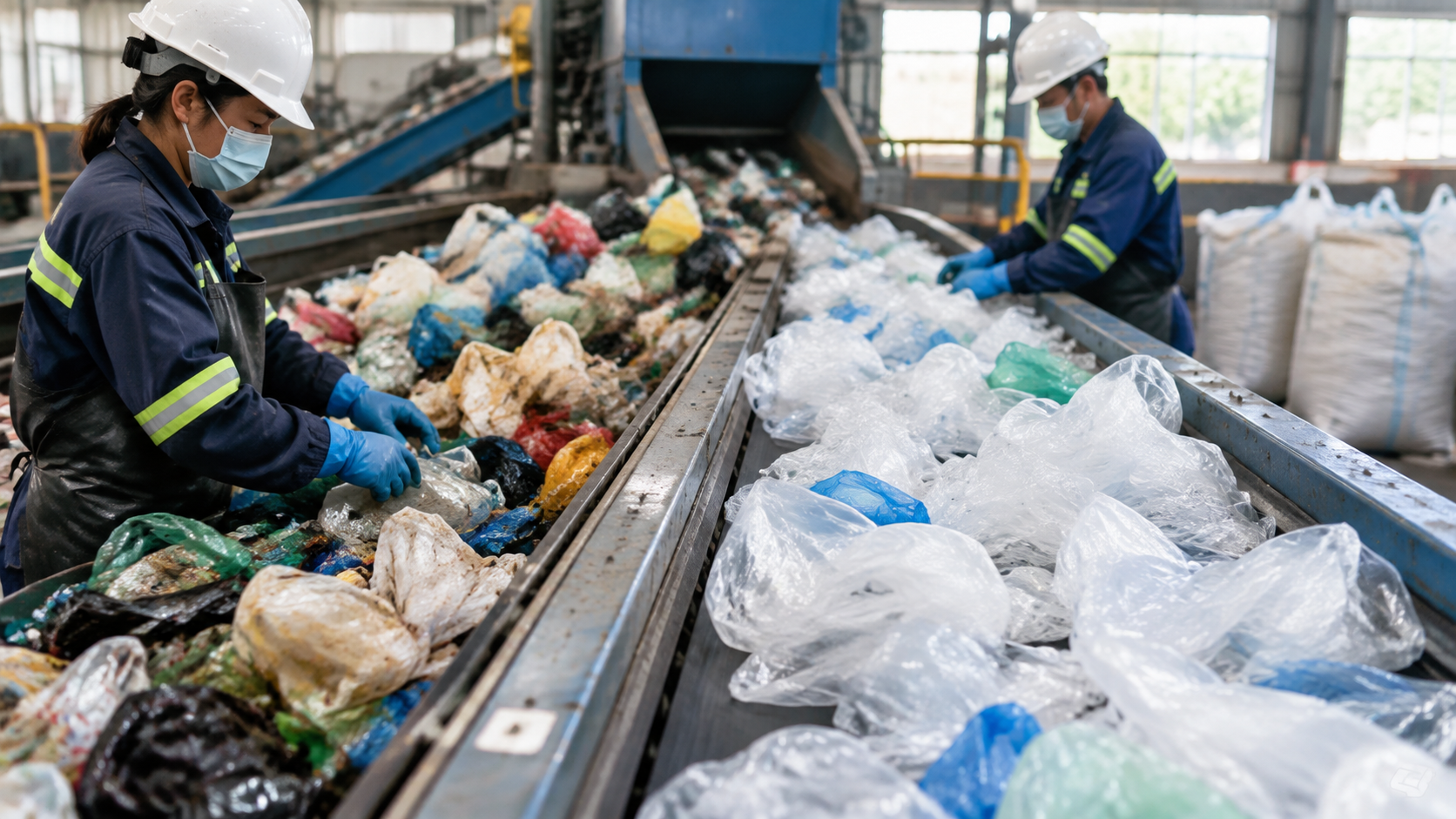
A close‑up view of a conveyor belt sorting mixed plastic bags, showing clear separation of clean polyethylene bags ready for shredding, wit…
Why Plastic Bag Recycling Matters for Your Business
Recycling plastic bags offers three core benefits:
- Cost Savings: Recycled polyethylene (PE) fetches a stable market price, lowering raw material expenses.
- Regulatory Compliance: Many regions mandate recovery rates for single‑use plastics, and proper recycling helps meet those targets.
- Brand Reputation: Demonstrating a closed‑loop approach strengthens consumer trust and aligns with ESG goals.
Key Materials Involved
VNPLAST frequently processes the following bag types:
- Hand Stretch Film
- Die Cut Bag Plastic
- Refuse Sack Plastic Bag
- Food Plastic Bag
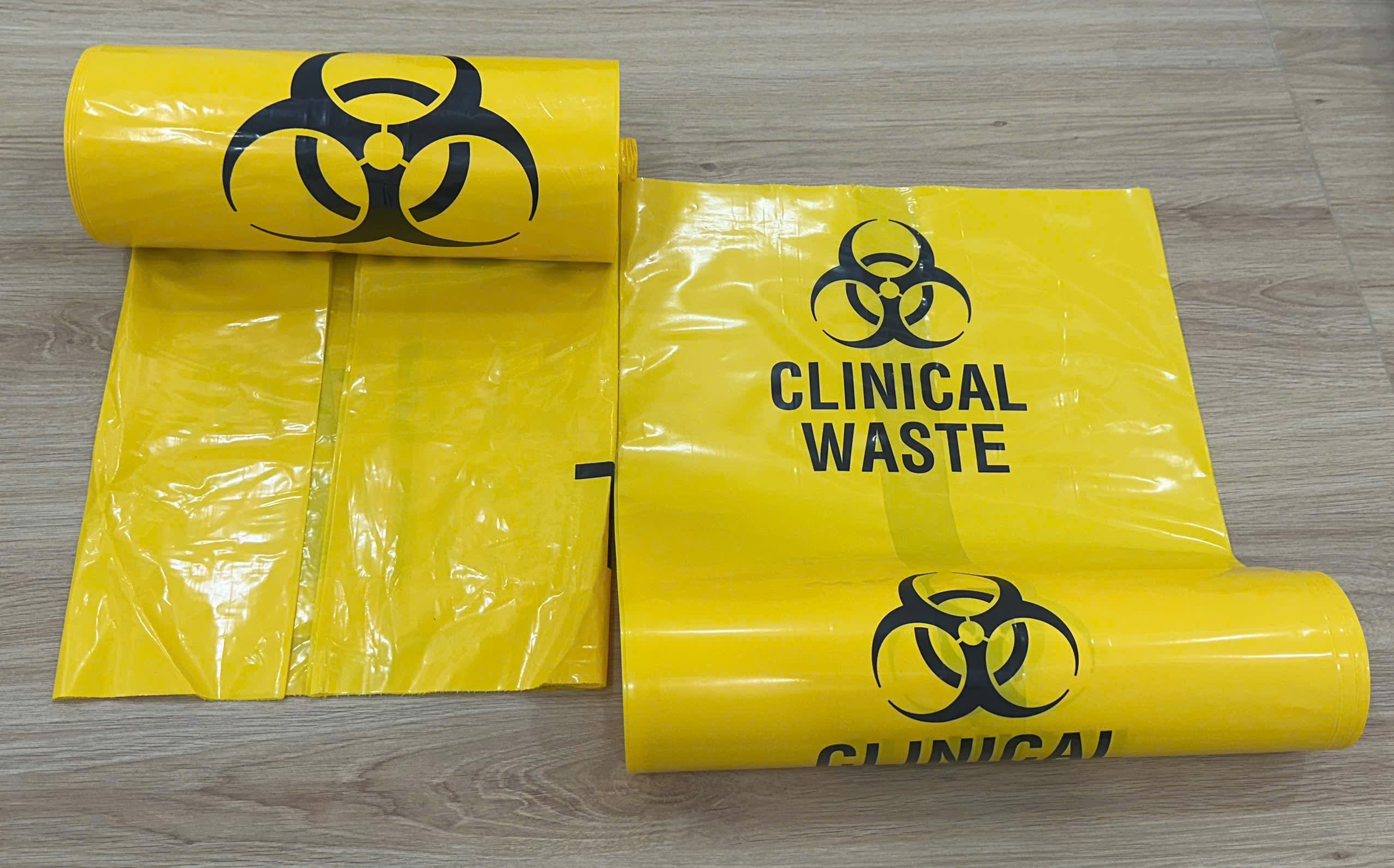
- Hazardous Plastic Garbage
- Handle Wrap Tool Plastic Bag
- Block Header Plastic Bag
Step‑by‑Step Overview of the Plastic Bag Recycling Process
1. Collection & Segregation
Effective recycling starts with clean, well‑sorted feedstock. Collection points—retail drop‑off bins, municipal curbside programs, and industrial waste streams—must separate plastic bags from other plastics to avoid contamination. Best practice: Use labeled containers for polyethylene bags only.
2. Pre‑Cleaning
Collected bags undergo a pre‑wash to remove food residues, adhesives, and inks. High‑pressure water jets combined with biodegradable detergents ensure the material is ready for downstream processing. For hazardous garbage plastic bags, a dedicated wash line with sealed chambers prevents environmental release.
3. Shredding & Size Reduction
Clean bags are fed into industrial shredders that cut them into 5‑10 mm flakes. This size reduction improves melting efficiency and reduces energy consumption during extrusion.
4. Density Separation
Shredded flakes are mixed with a water bath where lighter PE floats and denser contaminants sink. The floating PE is skimmed off, creating a high‑purity stream. This step is critical for maintaining the mechanical properties of the recycled resin.
5. Drying
Moisture can cause defects in the extrusion process. The separated flakes pass through a centrifugal dryer, reducing moisture content to below 0.5 %.
6. Re‑Extrusion
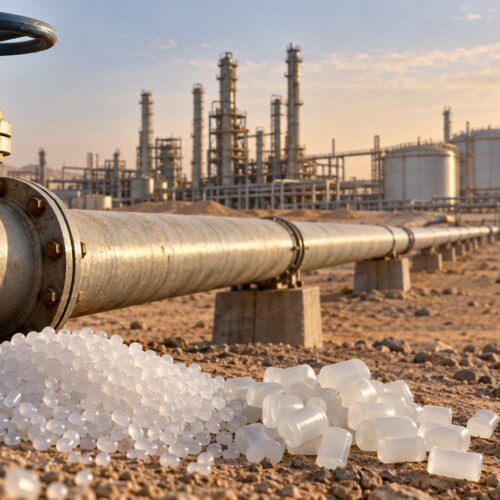
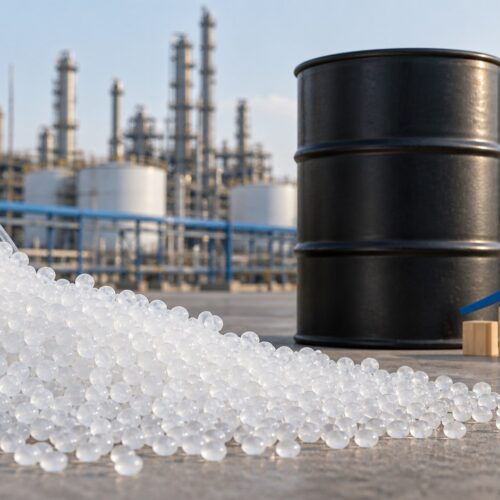
Dry flakes are melted in an extruder, filtered through fine screens, and formed into uniform pellets. Additives such as UV stabilizers or anti‑static agents can be blended at this stage to meet specific product specifications like Hand Stretch Film.
7. Quality Control & Testing
Pellets undergo tensile strength, melt flow index (MFI), and density tests. Results are compared against VNPLAST’s internal standards and industry benchmarks (e.g., ASTM D638 for tensile testing). Only batches meeting criteria proceed to the market.
Mechanical vs. Chemical Recycling: Which Is Right for You?
Two primary pathways exist for converting plastic bags back into usable material:
- Mechanical Recycling – The process described above. It retains the polymer’s original structure, is cost‑effective, and suits high‑volume operations.
- Chemical Recycling – Depolymerizes PE into monomers or fuels using pyrolysis or catalytic cracking. It can handle mixed or heavily contaminated streams but requires higher capital investment and energy.
Decision Matrix
- Feedstock Purity: Mechanical – high purity; Chemical – tolerates contamination.
- Capital Expenditure: Mechanical – moderate; Chemical – high.
- Product Quality: Mechanical – comparable to virgin PE; Chemical – variable, depends on downstream processing.
- Environmental Impact: Mechanical – lower CO₂ per tonne; Chemical – higher emissions unless powered by renewables.
Checklist: Setting Up a Plastic Bag Recycling Line
- Secure reliable collection contracts with retailers or municipalities.
- Install separate pre‑wash stations for food‑contact and hazardous bags.
- Choose a shredder with adjustable blade spacing for different bag thicknesses.
- Implement a water‑based density separator with a closed‑loop filtration system.
- Invest in a centrifugal dryer capable of handling peak throughput.
- Configure an extruder with temperature controls suitable for low‑density PE.
- Establish QA protocols: tensile testing, MFI, visual inspection.
- Train staff on hazardous material handling and emergency spill response.
- Document all processes to support ESG reporting and regulatory audits.
Real‑World Use Cases
Case Study 1 – Retail Chain Reduces Waste by 40 %
A national supermarket partnered with VNPLAST to collect Hand Stretch Film and Food Plastic Bag waste from 200 stores. By integrating a localized shredding unit, they achieved a 40 % reduction in landfill disposal and generated 2,500 tonnes of recycled pellets annually.
Case Study 2 – Hazardous Garbage Plastic Bag Management
A municipal waste authority used VNPLAST’s sealed wash line to treat hazardous garbage plastic bags containing chemical residues. Post‑process testing confirmed that the recycled resin met safety standards for non‑food industrial packaging.
Common Challenges and How to Overcome Them
- Contamination: Implement strict segregation at source and use optical sorters for mixed streams.
- Bag Tangles: Install anti‑tangle rollers before shredding to prevent equipment downtime.
- Regulatory Variability: Keep an updated compliance matrix for each jurisdiction where you operate.
- Market Fluctuations: Diversify end‑use applications (e.g., agricultural mulch, construction films) to stabilize revenue.
Future Trends in Plastic Bag Recycling
Emerging technologies such as AI‑driven optical sorting and low‑temperature catalytic depolymerization are set to increase recovery rates and lower energy use. VNPLAST is piloting a pilot plant that integrates real‑time sensor data to optimize dryer throughput, reducing energy consumption by 15 %.
Conclusion
The plastic bag recycling process is a proven pathway to turn waste into high‑value material, supporting both environmental goals and bottom‑line profitability. By mastering collection, cleaning, shredding, density separation, drying, and re‑extrusion, businesses can reliably produce recycled polyethylene for products like Hand Stretch Film, Die Cut Bag Plastic, and hazardous garbage plastic bags. Implement the checklist, evaluate mechanical versus chemical routes, and stay ahead of industry trends to ensure a resilient, circular supply chain.
Frequently Asked Questions
What types of plastic bags can be recycled?
Most low‑density polyethylene (LDPE) bags, including Hand Stretch Film, Die Cut Bag Plastic, food‑grade bags, and even certain hazardous garbage plastic bags, can be recycled. Bags with metal handles or heavy contamination should be removed before processing.
How does the density separation step work?
Shredded flakes are placed in a water bath; polyethylene has a lower density than water and floats, while heavier contaminants sink. The floating layer is skimmed off, yielding a purified PE stream ready for drying.
Is chemical recycling worth the investment?
Chemical recycling can handle mixed or heavily contaminated bags, but it requires higher capital costs and energy. It is advantageous when feedstock purity cannot be guaranteed or when a higher value monomer product is desired.
What quality tests are essential for recycled pellets?
Key tests include tensile strength (ASTM D638), melt flow index (MFI), density measurement, and visual inspection for contaminants. Meeting these standards ensures the recycled material can replace virgin PE in applications like Hand Stretch Film.