When it comes to keeping spaces clean and organized, the right large garbage bags can make all the difference. From bustling kitchens to construction sites, these heavy‑duty containers handle more volume, resist tears, and simplify waste management. This guide explores the key features, materials, and buying tips you need to select the perfect large garbage bags for any application, while optimizing your search for the most reliable and cost‑effective options.
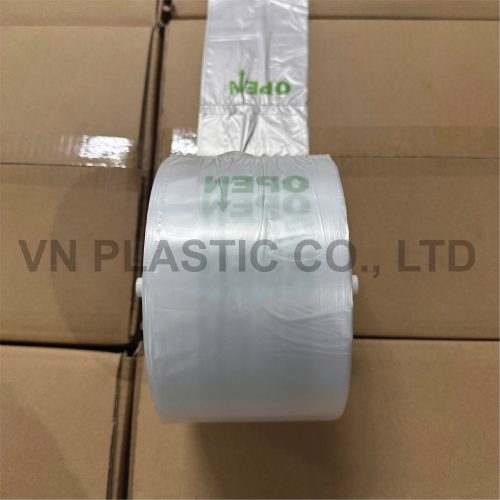
a roll of heavy‑duty large garbage bags with a reinforced handle, displayed on a kitchen countertop next to a trash can
Understanding the Core Benefits of Large Garbage Bags
Large garbage bags are designed to accommodate higher waste volumes without compromising strength. Here are the primary advantages that set them apart from standard‑size liners:
- Increased Capacity: Typically ranging from 50 to 100 gallons, they reduce the frequency of bag changes.
- Enhanced Durability: Multi‑layer polyethylene or polypropylene construction resists punctures, tears, and leaks.
- Versatility: Suitable for residential kitchens, outdoor clean‑up, commercial facilities, and industrial projects.
- Cost Efficiency: Fewer bag replacements lower overall waste‑handling expenses.
Key Materials and Construction Types
Selecting the right material ensures the bag performs under specific conditions. Below are the most common constructions for large garbage bags:
1. Standard Polyethylene (PE) Bags
These are the most widely used large garbage bags. They offer a good balance of strength and flexibility, making them ideal for everyday household waste.
2. Heavy‑Duty Polypropylene (PP) Bags
Polypropylene provides higher tensile strength and is often chosen for construction debris, yard waste, and commercial kitchens where sharp objects are common.
3. Biodegradable and Compostable Bags
For eco‑conscious users, biodegradable large garbage bags break down more quickly in landfill conditions. Look for certifications such as ASTM D6400 or EN 13432.
Features to Look for When Buying Large Garbage Bags
Not all large garbage bags are created equal. Consider the following specifications to match your needs precisely:
- Size & Capacity: Choose 50‑gallon bags for standard kitchen bins and 80‑100‑gallon bags for outdoor or industrial use.
- Thickness (Mil Rating): A thickness of 2.5 mil is suitable for light waste, while 4 mil or higher is recommended for heavy or sharp debris.
- Seal Type: Drawstring closures provide a secure seal, whereas flat‑top designs are easier to stack.
- Reinforced Handles: Essential for lifting heavy loads without tearing.
- Color Coding: White for general waste, black for landfill, and green for compostable options.
Top Use Cases for Large Garbage Bags
Understanding where large garbage bags excel helps you allocate them efficiently across different environments.
Residential Kitchens
Home cooks generate a steady stream of food scraps and packaging. A 50‑gallon bag fits most kitchen trash cans, reducing the need to empty the bin multiple times per day.
Outdoor Clean‑Up
Yard work, leaf collection, and patio cleaning produce bulky, wet waste. Opt for 80‑gallon bags with a 4 mil thickness and reinforced handles to prevent leaks.
Construction Sites
Debris such as drywall shards, nails, and packaging requires a robust solution. Heavy‑duty polypropylene bags (100 gallon, 5 mil) withstand sharp edges and heavy loads.
Commercial Facilities
Restaurants, hotels, and offices generate large volumes of mixed waste. Using large garbage bags with drawstring closures simplifies bag removal and improves hygiene.
How to Store and Manage Large Garbage Bags Effectively
Proper storage prolongs the lifespan of your bags and keeps them ready for use:
- Cool, Dry Environment: Store rolls in a shaded area to prevent UV degradation.
- Vertical Shelving: Keep bags upright to avoid crushing the roll.
- Labeling System: Use color‑coded tags to differentiate between compostable, recyclable, and landfill bags.
- Inventory Rotation: Practice first‑in, first‑out (FIFO) to use older stock before newer shipments.
Cost‑Saving Tips Without Compromising Quality
Large garbage bags can be a recurring expense. Implement these strategies to keep costs under control:
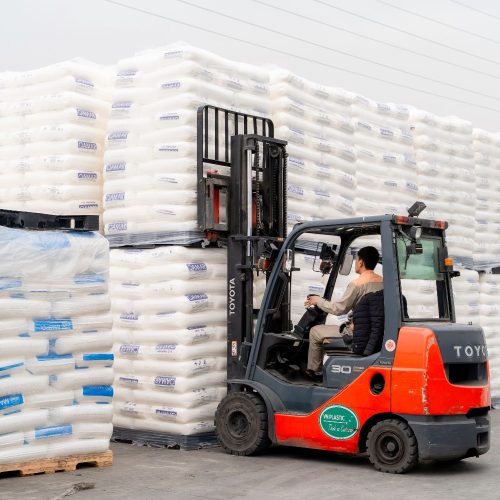
- Bulk Purchasing: Buying in cases of 12 or more reduces per‑bag price.
- Subscription Services: Some suppliers offer scheduled deliveries at discounted rates.
- Private Label Options: Generic brands often match performance of name brands at lower prices.
- Recycling Programs: Partner with local waste facilities that accept used bags for recycling when possible.
Environmental Impact and Sustainable Choices
While large garbage bags are essential for waste containment, they also contribute to plastic waste. Consider these eco‑friendly practices:
- Choose Recyclable Materials: Look for bags labeled recyclable in your local system.
- Opt for Compostable Bags: For organic waste, biodegradable bags reduce landfill burden.
- Reduce Bag Size When Possible: Match bag capacity to the bin size to avoid over‑use.
- Support Brands with Take‑Back Programs: Some manufacturers collect used bags for recycling.
Environmental Impact and Sustainable Choices
Frequently Asked Questions About Large Garbage Bags
What thickness is ideal for household use?
For typical kitchen waste, a 2.5 mil thickness offers sufficient strength while remaining affordable.
Can large garbage bags be used for hazardous waste?
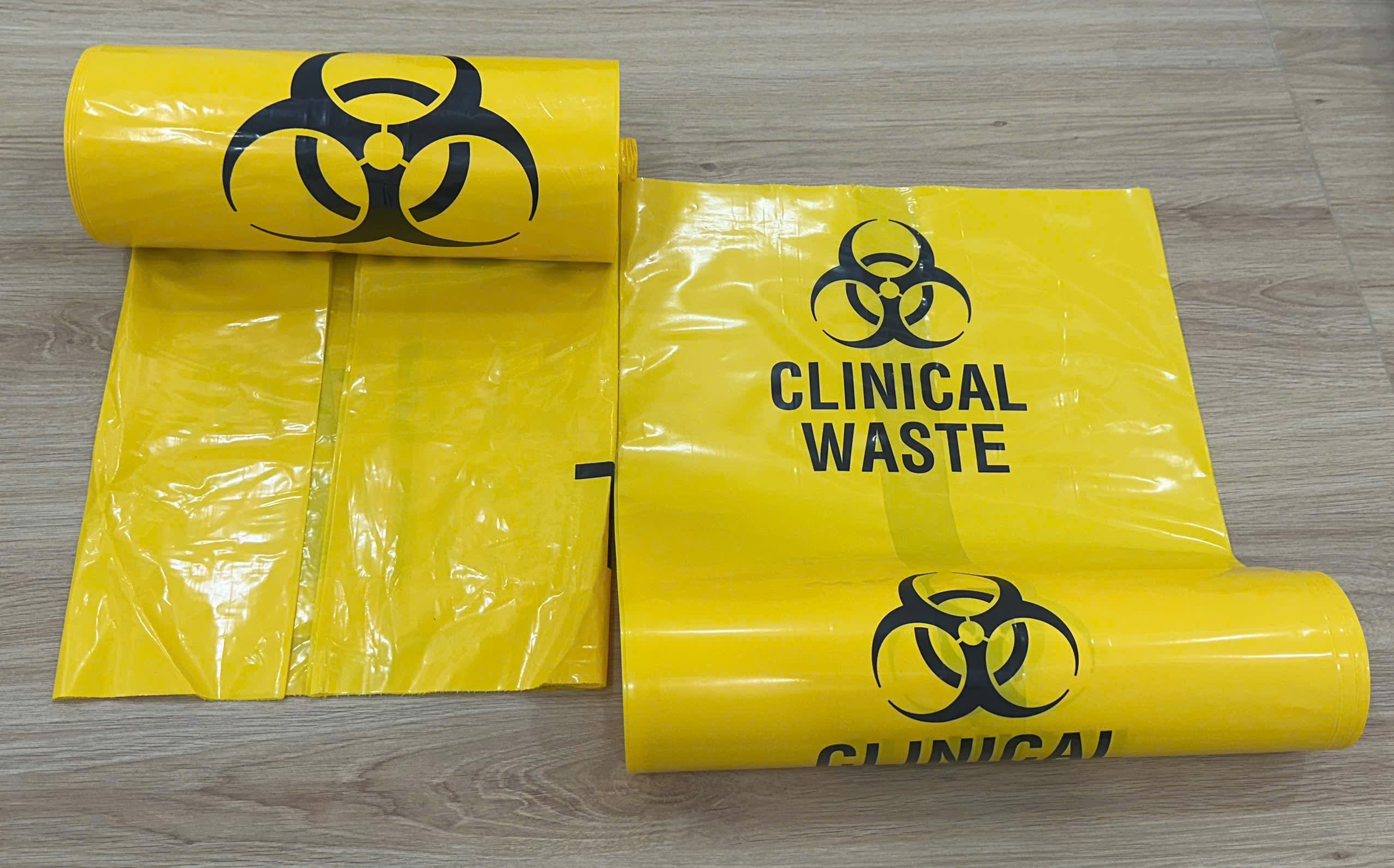
No. Hazardous materials require specialized containers that meet regulatory standards. Large garbage bags are intended for non‑hazardous solid waste only.
How do I prevent leaks with wet waste?
Select bags with a minimum of 3 mil thickness and reinforced seams. Double‑bagging is also an effective method for especially wet loads.
Are biodegradable large garbage bags truly compostable?
Only if they carry a certified compostable label (e.g., ASTM D6400). Verify that your local compost facility accepts such bags before use.
Conclusion
Choosing the right large garbage bags hinges on understanding capacity, material strength, and the specific demands of your environment. By evaluating size, thickness, closure type, and sustainability credentials, you can secure a solution that balances durability, cost‑effectiveness, and environmental responsibility. Implement proper storage, inventory management, and recycling practices to maximize the value of every bag, ensuring clean, organized spaces whether at home, in the office, or on a construction site.