When you search for a garbage bag, you expect a simple answer: a reliable container that keeps waste securely sealed until removal. This guide delivers that answer and goes further, explaining the different types of garbage bags, key performance factors, and how to match the right bag to your specific needs—whether you’re cleaning a kitchen, managing a construction site, or handling hazardous waste.
Understanding the material, size, strength, and special features of each bag helps you avoid leaks, reduce costs, and support recycling initiatives. Below, VNPLAST’s extensive product line—including plastic bag, Hand Stretch Film, Die Cut Bag Plastic, and Hazardous Plastic Garbage—is examined to help you make an informed purchase.
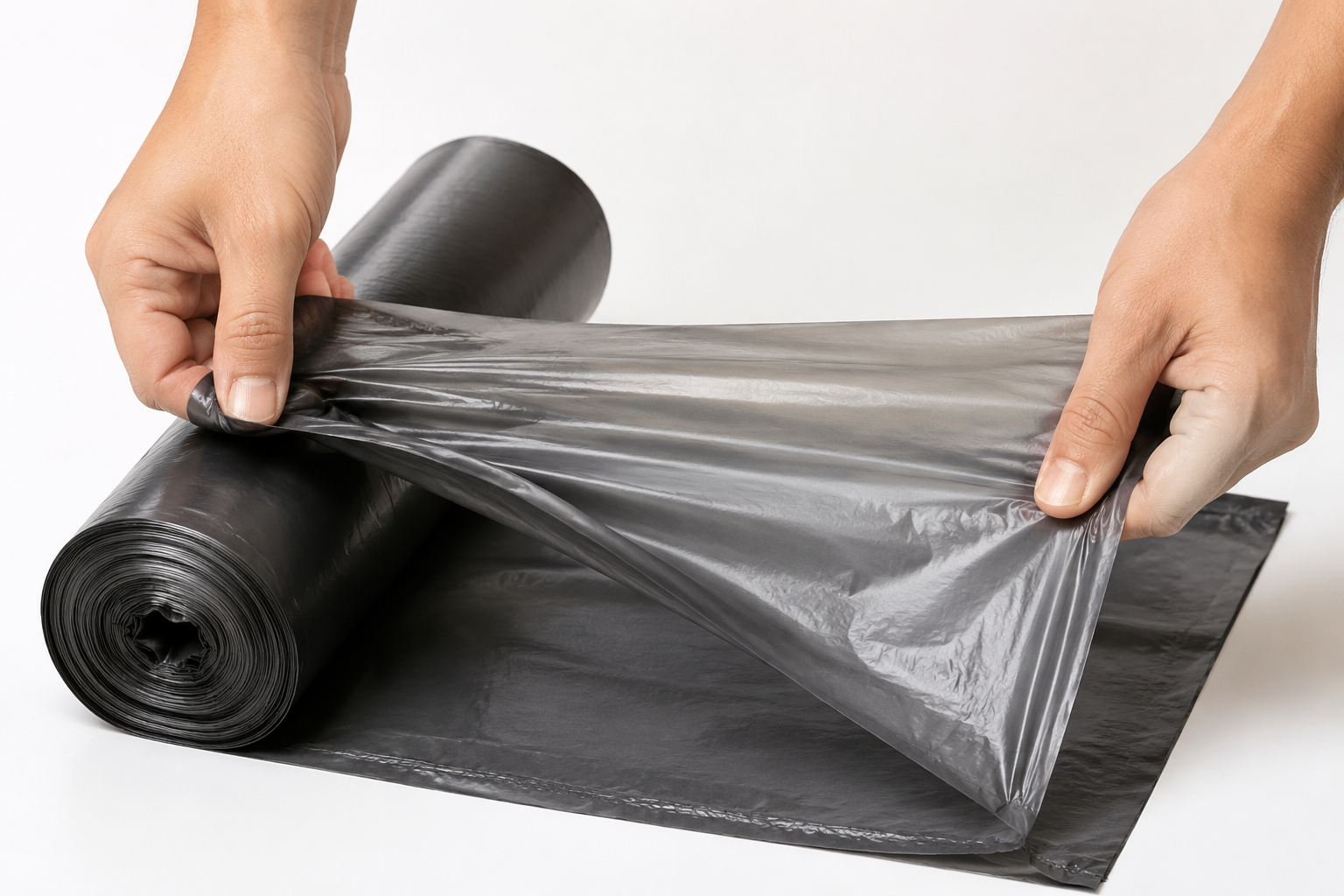
A close‑up of a standard transparent garbage bag being pulled from a roll, showing its thickness, seal, and the VNPLAST logo on the side, p…
What Types of Garbage Bags Are Available?
Garbage bags come in a variety of constructions and designs. Selecting the correct type depends on the waste you’ll collect and the environment where the bag will be used.
1. Standard Plastic Garbage Bags
- Made from low‑density polyethylene (LDPE) or high‑density polyethylene (HDPE).
- Available in clear, black, or colored options for waste segregation.
- Typical thickness ranges from 0.8 mil (thin) to 2.5 mil (heavy‑duty).
2. Die‑Cut Bag Plastic
- Pre‑shaped to fit specific containers (e.g., kitchen bins, industrial dumpsters).
- Reduces handling time and ensures a snug fit.
- Often includes reinforced seams for extra strength.
3. Recycle Plastic Bags
- Manufactured from post‑consumer recycled polyethylene.
- Meets environmental standards and may carry a recycling symbol.
- Ideal for businesses aiming to lower their carbon footprint.
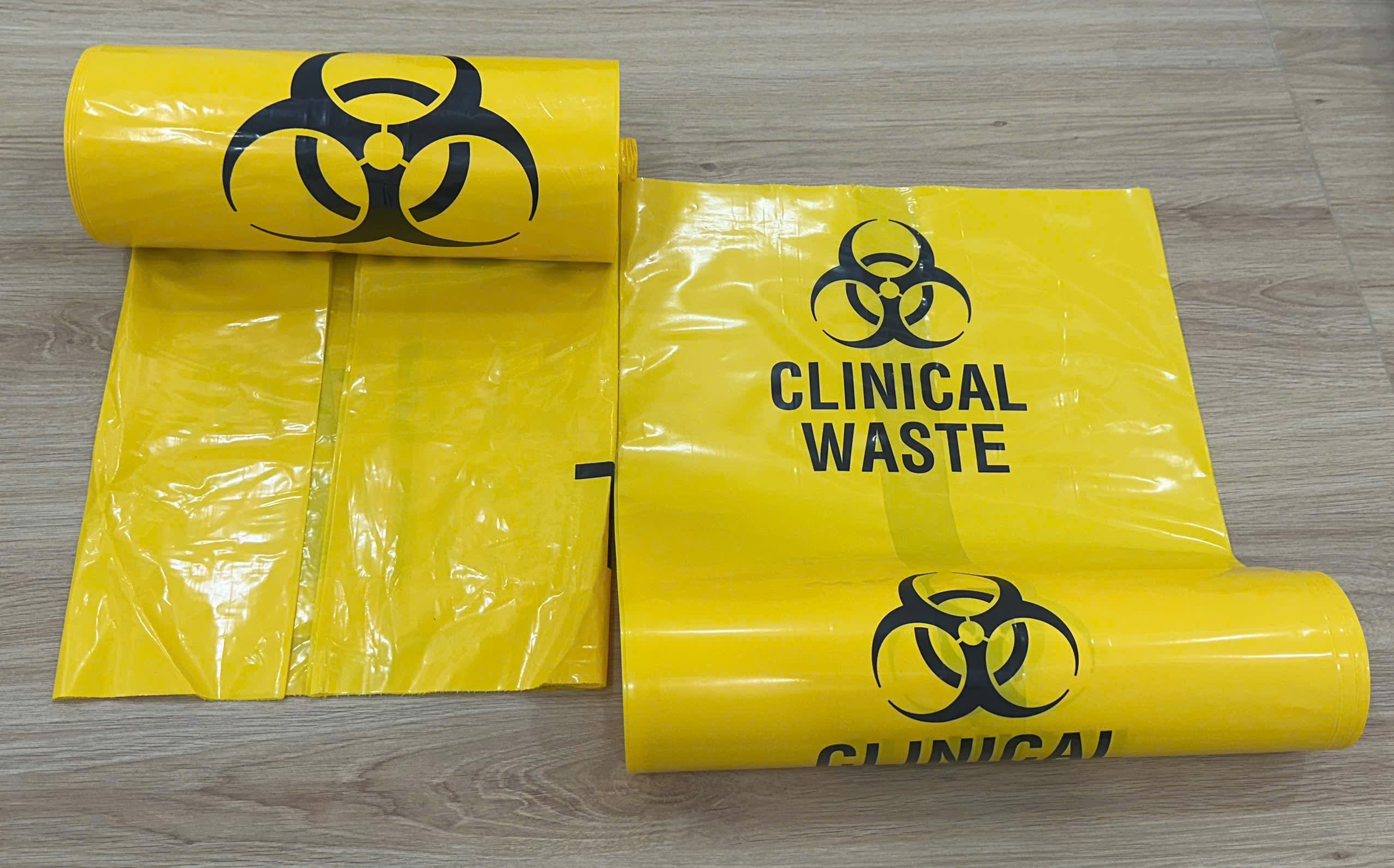
4. Hazardous Plastic Garbage Bags
- Constructed from puncture‑resistant, chemical‑grade polymers.
- Used for medical waste, chemicals, or sharp objects.
- Often feature a tamper‑evident seal and color‑coding (e.g., red for biohazard).
5. Specialized Bags: Refuse Sack Plastic Bag & Block Header Plastic Bag
- Refuse sacks are larger, designed for outdoor dumpsters and construction debris.
- Block header bags have a reinforced top edge for easy lifting and tying.
- Both provide superior load‑bearing capacity.
Key Decision Factors When Buying Garbage Bags
Choosing the right bag isn’t just about size. Consider these performance criteria to avoid costly failures.
Material Thickness (Mil)
Thicker bags (≥2 mil) resist tears and punctures, making them suitable for heavy or sharp waste. Thinner bags (<1 mil) are cost‑effective for light, dry refuse.
Size and Capacity
Match the bag’s width and length to the container’s dimensions. Oversized bags waste material; undersized bags may rip during use.
Seal Strength
Look for heat‑sealed or double‑stitched seams. A strong seal prevents leaks, especially when the bag is filled to capacity.
Environmental Impact
Prioritize bags made from recycled content or those that are recyclable after use. VNPLAST’s Recycle Plastic Bag line meets many sustainability certifications.
Special Features
- Handles or Drawstrings: Facilitate easy removal and transport.
- Perforations: Allow quick opening for bulk waste.
- Color Coding: Supports waste segregation (e.g., green for organic, blue for recyclables).
Comparison Chart: Standard vs. Heavy‑Duty vs. Hazardous Garbage Bags
| Feature | Standard Plastic Bag | Heavy‑Duty (Die‑Cut/Block Header) | Hazardous Plastic Garbage Bag |
|---|---|---|---|
| Typical Thickness | 0.8 – 1.2 mil | 1.8 – 2.5 mil | 2.5 – 3.5 mil (chemical‑grade) |
| Maximum Load | Up to 30 kg | Up to 80 kg | Up to 50 kg (puncture‑resistant) |
| Seal Type | Heat‑seal | Double‑stitched + reinforced header | Heat‑seal + tamper‑evident |
| Best Use Cases | Home kitchen, office bins | Construction sites, large dumpsters | Medical waste, chemicals, sharps |
| Recyclability | Depends on local program | Often recyclable if HDPE | Usually non‑recyclable; requires special disposal |
Checklist: Selecting the Perfect Garbage Bag for Your Operation
- Identify Waste Type: Dry, wet, hazardous, recyclable.
- Measure Container: Width, depth, and opening size.
- Determine Load Weight: Light (<10 kg) vs. heavy (>30 kg).
- Select Material Thickness: Based on load and waste sharpness.
- Choose Seal & Closure: Drawstring, tie, or self‑seal.
- Assess Environmental Goals: Recycled content, biodegradability.
- Verify Compliance: Local regulations for hazardous waste.
Real‑World Use Cases
Below are three practical scenarios illustrating how different VNPLAST garbage bags solve specific challenges.
1. Residential Kitchen Cleanup
Home cooks generate wet food scraps and oily containers. A 30‑liter clear plastic bag with a 1 mil thickness and a drawstring closure prevents leaks and makes it easy to tie and discard.
2. Construction Site Debris Management
Large volumes of broken concrete, wood, and metal require a 120‑liter refuse sack plastic bag with a block header. The 2.2 mil thickness and reinforced seams hold up to 80 kg, reducing the need for frequent bag changes.
3. Hospital Biohazard Disposal
Medical facilities must use a Hazardous Plastic Garbage bag that meets ISO 9001 standards. A red, puncture‑resistant bag with a tamper‑evident seal ensures safe transport of sharps and infectious waste.
Pros and Cons of Common Garbage Bag Materials
- LDPE (Low‑Density Polyethylene)
- Pros: Flexible, cost‑effective, good for light waste.
- Cons: Lower tear resistance; not ideal for sharp objects.
- HDPE (High‑Density Polyethylene)
- Pros: Stronger, higher puncture resistance, recyclable.
- Cons: Less stretch; can be more expensive.
- Polypropylene (PP) Blend
- Pros: Excellent heat resistance, suitable for hazardous chemicals.
- Cons: Higher cost, limited recyclability in some regions.
How to Store and Dispose of Garbage Bags Properly
Proper storage extends bag life and maintains hygiene:
- Keep in a Dry Area: Moisture degrades plastic, causing brittleness.
- Separate by Size: Prevents mixing and makes retrieval faster.
- Rotate Stock: Use older rolls first (FIFO) to avoid expiration.
Disposal guidelines:
- For standard bags, place them in the regular trash stream if local recycling does not accept thin plastics.
- Recycle HDPE bags at designated collection points.
- Hazardous bags must be taken to licensed waste‑management facilities.
Frequently Asked Questions
What thickness should I choose for a kitchen garbage bag?
For everyday kitchen waste, a 0.8 – 1.2 mil bag provides sufficient strength while keeping costs low. If you often dispose of wet or oily items, consider a 1.5 mil bag to reduce the risk of leaks.
Are garbage bags made from recycled plastic as strong as virgin plastic bags?
Modern recycled‑content bags can match the tensile strength of virgin HDPE bags when they contain at least 30 % post‑consumer material. VNPLAST’s Recycle Plastic Bag line meets this standard.
Can I use a standard garbage bag for hazardous waste?
No. Hazardous waste requires bags specifically engineered for chemical resistance and puncture protection. Using a standard bag can lead to leaks, contamination, and regulatory penalties.
How do I prevent bag tears when disposing of sharp objects?
Choose a heavy‑duty bag with a thickness of 2 mil or greater, and look for reinforced seams or a block header. For especially sharp waste, a hazardous‑grade polypropylene bag is recommended.
Is there a biodegradable alternative to plastic garbage bags?
Biodegradable bags exist, typically made from plant‑based polymers. However, they often have lower load capacity and may not be suitable for heavy or wet waste. Evaluate the trade‑off between environmental benefit and functional performance before switching.
Conclusion
Selecting the right garbage bag hinges on understanding material properties, load requirements, and regulatory considerations. VNPLAST offers a comprehensive portfolio—from economical standard plastic bags to robust hazardous waste solutions—allowing you to align cost, performance, and sustainability goals. Use the checklist and comparison chart above to match the ideal bag to your specific application, and you’ll reduce waste spillage, lower operating expenses, and support responsible waste management practices.