Finding a reliable hand stretch film supplier is essential for any operation that packages, ships, or stores goods securely. Whether you run a warehouse, a food‑service facility, or a recycling center, the quality of the stretch film you use directly impacts product protection, labor efficiency, and overall cost. This guide explains how to evaluate suppliers, what specifications matter, and how VNPLAST can meet your hand stretch film needs.
Table of Contents
- What Is Hand Stretch Film?
- Key Specifications to Compare
- Supplier Evaluation Checklist
- Why VNPLAST Stands Out as a Hand Stretch Film Supplier
- Real‑World Use Cases
- Frequently Asked Questions
What Is Hand Stretch Film?
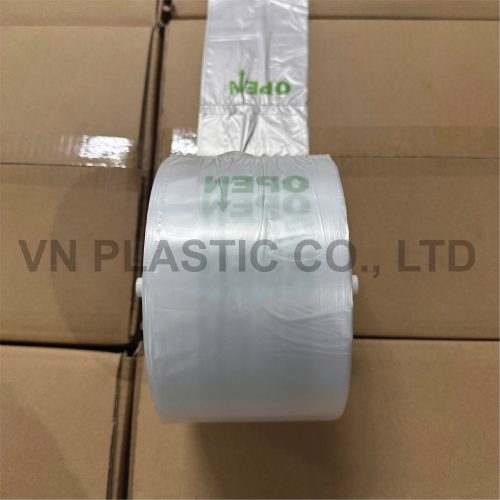
Hand stretch film is a thin, flexible plastic wrap designed to be applied manually. It stretches up to 300 % of its original length, then contracts to hold items tightly together. Typical applications include:
- Palletizing boxed products
- Securing loose items in bulk bins
- Wrapping irregularly shaped loads
- Protecting goods from dust, moisture, and tampering
Unlike machine‑applied film, hand stretch film offers flexibility for low‑volume runs, quick changes, and environments where a stretch wrapper machine is impractical.
Key Specifications to Compare
When you compare potential suppliers, focus on these measurable attributes:
- Thickness (µm): Determines puncture resistance. Common ranges are 12 µm (light) to 30 µm (heavy‑duty).
- Cling Strength: Measured in Newtons (N); higher cling reduces the need for additional sealing.
- Elongation (%): Indicates stretchability. Values above 250 % are typical for high‑performance film.
- Width (mm): Standard widths are 500 mm, 800 mm, and 1000 mm. Choose based on pallet size.
- Colour: Clear is most common, but black or colored film can provide UV protection or brand visibility.
- Recyclability: Look for films made from single‑layer LDPE that can be re‑processed in most recycling streams.
Performance Comparison Table
| Specification | Standard Hand Film (12 µm) | Heavy‑Duty Hand Film (20 µm) | Premium Eco‑Film (15 µm, recycled) |
|---|---|---|---|
| Cling Strength (N) | 0.8 | 1.2 | 1.0 |
| Elongation (%) | 260 | 300 | 280 |
| Recyclable | Yes | Yes | Yes (≥30 % post‑consumer) |
| Typical Use Cases | Light cartons, seasonal items | Heavy boxes, hazardous waste bags | Eco‑focused brands, food packaging |
Supplier Evaluation Checklist
Use the following checklist to rate each potential hand stretch film supplier. Assign a score of 1–5 for each item, then total the points to identify the best fit.
- Product Range: Does the supplier offer multiple thicknesses, widths, and colours?
- Quality Certifications: ISO 9001, ISO 14001, or ASTM compliance?
- Lead Time: Standard delivery within 5–7 business days?
- Pricing Structure: Tiered discounts for volume orders?
- Technical Support: Access to material data sheets, on‑site testing, or application training?
- Sustainability: Availability of recycled or biodegradable film options?
- Customer References: Case studies or testimonials from similar industries?
Why VNPLAST Stands Out as a Hand Stretch Film Supplier
VNPLAST combines manufacturing expertise with a customer‑first approach. Here’s how the company meets the checklist criteria:
- Broad Product Portfolio: Offers 12 µm, 15 µm recycled, 20 µm, and 30 µm films in 500 mm, 800 mm, and 1000 mm widths.
- ISO‑Certified Production: Facilities hold ISO 9001 and ISO 14001, ensuring consistent quality and environmental responsibility.
- Rapid Turnaround: In‑stock inventory enables same‑day dispatch for orders under 5 tonnes.
- Transparent Pricing: Online price calculator provides instant quotes with volume discounts up to 15 %.
- Technical Assistance: VNPLAST’s engineering team provides free on‑site film performance testing and training on the Handle Wrap Tool Plastic Bag technique.
- Sustainability Commitment: Offers a line of 30 % post‑consumer recycled hand stretch film, fully recyclable in standard LDPE streams.
- Proven Track Record: Supplying hand stretch film to major logistics firms, food processors, and waste‑management companies across Southeast Asia.
Real‑World Use Cases
Understanding how hand stretch film performs in actual operations helps you choose the right grade.
Case Study 1: Food Processing Plant
A mid‑size frozen‑food manufacturer needed a film that could withstand low temperatures without becoming brittle. VNPLAST supplied 15 µm recycled hand stretch film with a low‑temperature rating of –20 °C. The result:
- Reduced pallet damage by 22 %.
- Improved labor efficiency—workers reported a 15 % faster wrapping time.
- Achieved a 10 % cost saving by switching to recycled film.
Case Study 2: Hazardous Waste Collection
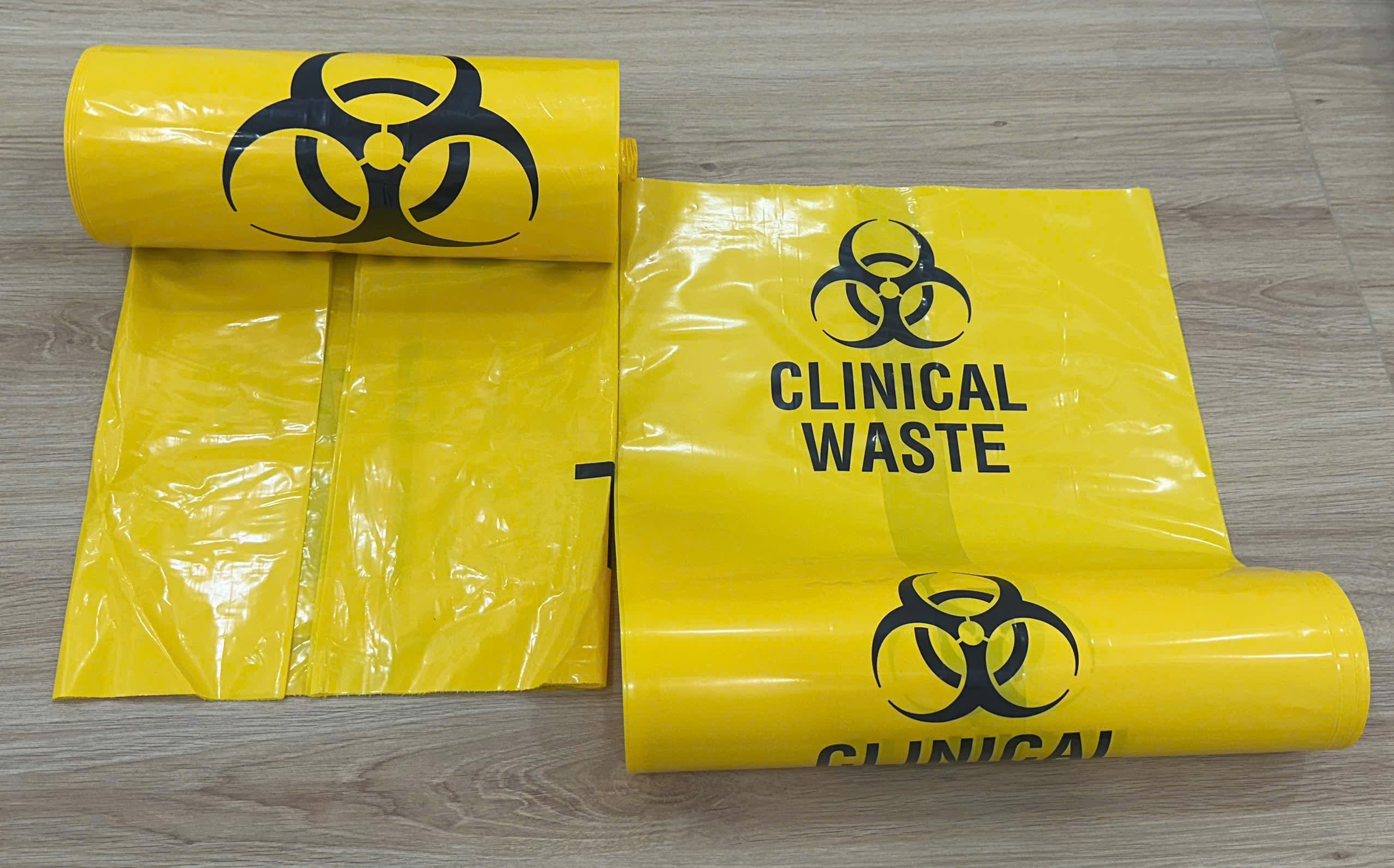
A municipal waste service required a film capable of containing heavy, sharp‑edged refuse sacks. VNPLAST delivered 30 µm heavy‑duty hand stretch film with reinforced cling. Outcomes included:
- Zero incidents of film tear during transport.
- Extended container life, cutting replacement costs by 18 %.
- Compliance with local hazardous material regulations.
Case Study 3: E‑Commerce Fulfillment Center
To speed up order processing, an online retailer adopted VNPLAST’s 12 µm clear hand stretch film for lightweight parcels. Benefits observed:
- Average wrapping time dropped from 7 seconds to 5 seconds per pallet.
- Improved visual inspection—clear film allowed quick damage checks.
- Reduced packaging waste by 12 % through optimized film usage.
Frequently Asked Questions
- What thickness should I choose for general warehouse palletizing?
For most non‑fragile items, 12 µm to 15 µm provides adequate protection while keeping material costs low. Upgrade to 20 µm if you handle heavier boxes or need extra puncture resistance. - Can hand stretch film be recycled with other LDPE plastics?
Yes. Single‑layer LDPE hand stretch film is accepted in most municipal recycling programs. VNPLAST’s recycled options contain at least 30 % post‑consumer content and are fully recyclable. - Is hand stretch film suitable for cold‑chain applications?
Select a film rated for low temperatures (e.g., VNPLAST’s 15 µm recycled film rated to –20 °C). Verify that the film’s elongation remains above 250 % at the target storage temperature. - How does hand stretch film differ from machine stretch film?
Hand film is applied manually, offering flexibility for small batches and irregular loads. Machine film provides higher speed for large‑scale operations but requires capital equipment. - What safety precautions should be taken when wrapping hazardous waste?
Use heavy‑duty film (≥20 µm), wear protective gloves, and ensure the film’s cling strength meets regulatory standards for containment. VNPLAST offers a compliance data sheet for each grade.
Conclusion
Choosing the right hand stretch film supplier hinges on understanding film specifications, matching them to your operational demands, and verifying that the supplier can deliver consistent quality, fast lead times, and sustainable options. VNPLAST meets these criteria with a comprehensive product range, ISO‑certified facilities, and dedicated technical support. By applying the evaluation checklist and reviewing the real‑world case studies above, you can make an informed decision that reduces packaging costs, enhances product safety, and supports environmental goals.