Plastic garbage bags are essential for keeping homes, offices, and industrial sites clean and organized. Whether you need a lightweight refuse sack for daily kitchen waste or a heavy‑duty hazardous plastic garbage bag for chemical disposal, the right bag can save time, reduce leaks, and improve safety. This guide explains the different types of plastic garbage bags, key factors to consider when buying, and practical tips for optimal use.
In the first 120 words, we answer the core query: Plastic garbage bags are flexible, sealed containers made from polyethylene (PE) or polypropylene (PP) that collect and contain waste. They vary by thickness (measured in mils), size, closure type, and special features such as odor control, puncture resistance, or built‑in handles. Selecting the appropriate bag depends on the waste type, volume, and handling requirements.
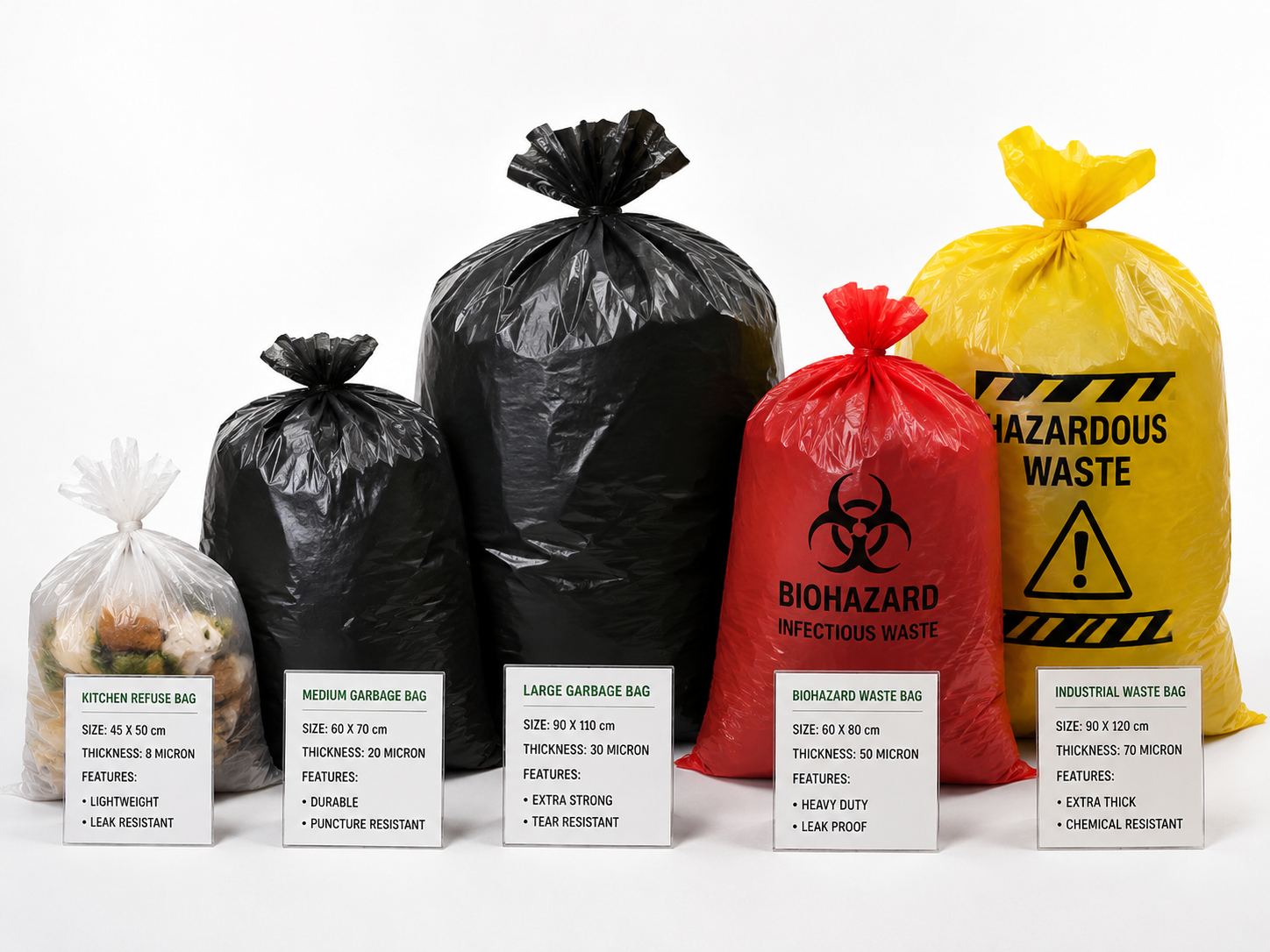
A close‑up of assorted plastic garbage bags ranging from thin kitchen refuse sacks to thick industrial hazardous waste bags, displayed on a…
Table of Contents
- Types of Plastic Garbage Bags
- How to Choose the Right Bag
- Best Practices for Using Plastic Garbage Bags
- Comparison Chart: Common VNPLAST Bag Options
- Purchase Checklist
- FAQ
- Conclusion
Types of Plastic Garbage Bags
VNPLAST manufactures a broad portfolio of bags designed for specific applications. Understanding each type helps you match the product to the task.
1. Standard Refuse Sack Plastic Bag
- Material: Low‑density polyethylene (LDPE)
- Thickness: 0.5 – 1 mil
- Ideal for: Household kitchen waste, office trash cans
- Features: Light, easy to tie, low cost
2. Heavy‑Duty Garbage Plastic Bag
- Material: High‑density polyethylene (HDPE) or linear low‑density polyethylene (LLDPE)
- Thickness: 1.5 – 3 mil
- Ideal for: Construction debris, yard waste, bulky items
- Features: Puncture‑resistant, higher tensile strength
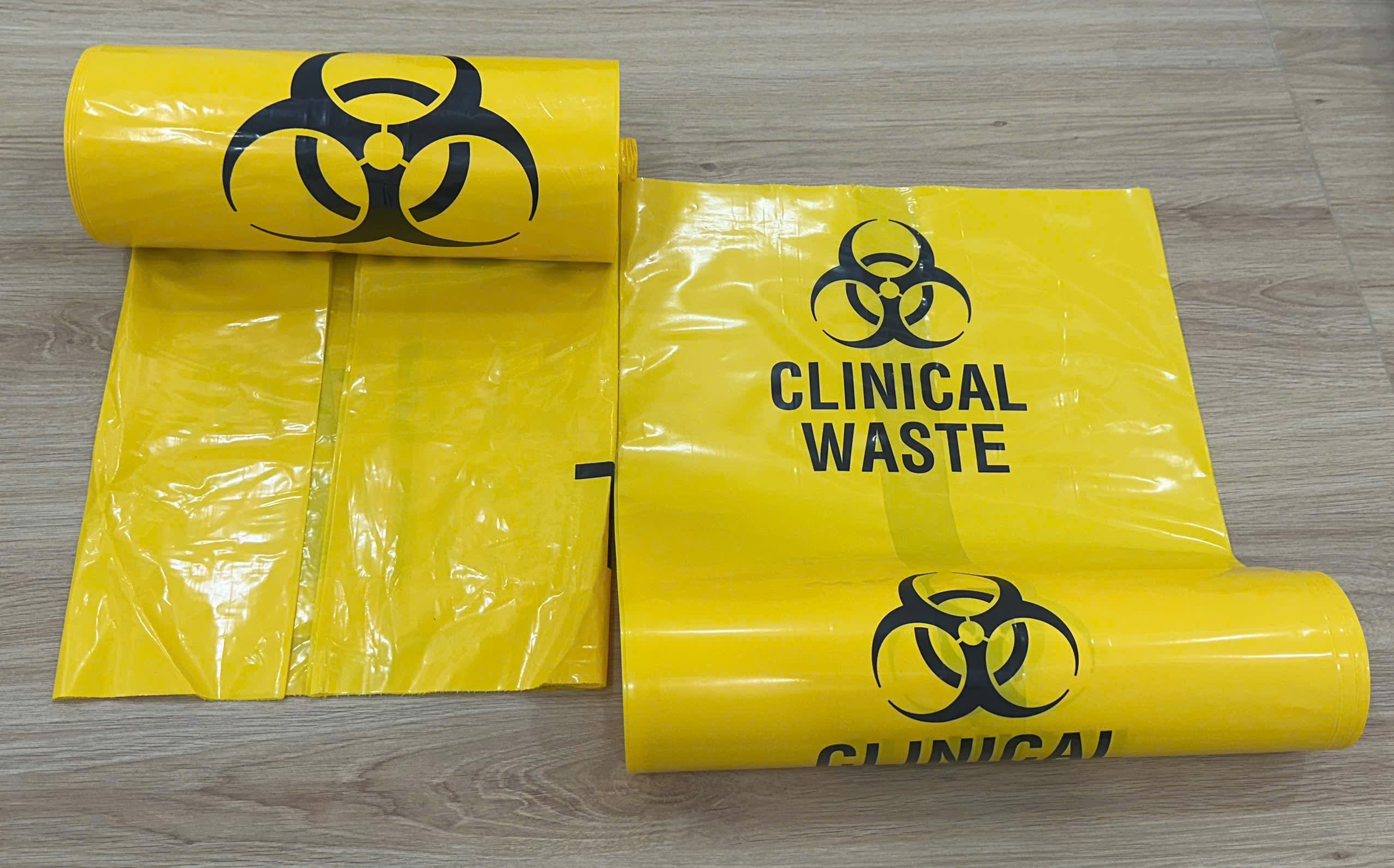
3. Hazardous Plastic Garbage Bag
- Material: Polypropylene (PP) with reinforced seams
- Thickness: 2 – 4 mil
- Ideal for: Chemical spills, medical waste, sharp objects
- Features: Leak‑proof, often colored orange or red for quick identification
4. Food Plastic Bag
- Material: Food‑grade LDPE or PP
- Thickness: 0.8 – 1.2 mil
- Ideal for: Storing raw produce, bakery waste, catering leftovers
- Features: Odor barrier, FDA‑compliant
5. Die Cut Bag Plastic
- Material: Pre‑cut LDPE with perforated edges
- Thickness: 0.5 – 1 mil
- Ideal for: Quick disposal in high‑traffic retail or food‑service counters
- Features: Ready‑to‑use, reduces handling time
How to Choose the Right Bag
Selecting the optimal plastic garbage bag involves balancing several decision factors. Use the matrix below to evaluate your needs.
| Decision Factor | What to Assess | Impact on Choice |
|---|---|---|
| Waste Type | Organic, dry, hazardous, sharp, wet | Choose material and thickness accordingly (e.g., hazardous waste → PP reinforced) |
| Volume & Size | Average daily load, container dimensions | Select bag dimensions (e.g., 30 L kitchen bin vs. 120 L yard waste bin) |
| Strength Requirements | Potential for tearing, punctures, heavy objects | Higher mil rating and HDPE/PP for heavy‑duty use |
| Regulatory Compliance | Food safety, hazardous waste codes | Food‑grade PE/PP for kitchen waste; color‑coded hazardous bags for compliance |
| Environmental Policy | Recyclability, recycled content | Opt for VNPLAST’s Recycle Plastic bag line with ≥30 % post‑consumer content |
Key Material Comparisons
- LDPE – Flexible, low cost, best for light household waste.
- HDPE – Rigid, high tensile strength, suited for heavy debris.
- PP – Excellent chemical resistance, ideal for hazardous or food‑grade applications.
Best Practices for Using Plastic Garbage Bags
Proper Sizing and Fit
Measure the container’s width, depth, and height. Add 10 % to each dimension to allow for over‑fill and secure tying. A bag that’s too small will rip; a bag that’s too large wastes material.
Sealing and Handling
- For heavy‑duty bags, use a twist‑tie or built‑in drawstring to close securely.
- When disposing of hazardous waste, double‑bag and label according to local regulations.
- Never over‑load beyond the manufacturer’s weight recommendation (usually printed on the bag).
Storage Tips
Keep bags in a dry, cool area away from direct sunlight. UV exposure can degrade polyethylene over time, reducing tear resistance.
Comparison Chart: Common VNPLAST Bag Options
| Product | Material | Thickness (mil) | Typical Size | Best Use Case |
|---|---|---|---|---|
| Standard Refuse Sack | LDPE | 0.8 | 30 L – 50 L | Home kitchen waste |
| Heavy‑Duty Garbage Plastic Bag | HDPE | 2.0 | 80 L – 120 L | Construction debris, yard waste |
| Hazardous Plastic Garbage Bag | PP (reinforced) | 3.0 | 60 L – 100 L | Chemical or medical waste |
| Food Plastic Bag | Food‑grade LDPE | 1.0 | 40 L – 70 L | Food service waste, organic waste |
| Recycle Plastic Bag | Recycled LDPE | 0.9 | 30 L – 60 L | Eco‑friendly household use |
Purchase Checklist for Plastic Garbage Bags
- Identify the primary waste type (organic, dry, hazardous).
- Measure the container dimensions and calculate required bag size.
- Choose material based on strength and compliance needs (LDPE, HDPE, PP).
- Confirm thickness (mil) aligns with load weight.
- Check for additional features: handles, drawstrings, odor control, color‑coding.
- Verify recycled content if sustainability is a priority.
- Order a sample batch to test fit and durability before bulk purchase.
Frequently Asked Questions
What thickness is recommended for kitchen waste bags?
For typical household kitchen waste, a 0.8 – 1.0 mil LDPE bag provides sufficient strength while remaining affordable.
Can I recycle used plastic garbage bags?
Yes, if the bag is made from recyclable LDPE or HDPE and is free of hazardous residues. VNPLAST’s Recycle Plastic bag line is marked for easy identification.
How do I dispose of hazardous plastic garbage bags safely?
Seal the bag with a double‑tie, place it in a secondary container, and label it according to local hazardous waste regulations. Use VNPLAST’s orange‑colored PP hazardous bags for added visibility.
Do food‑grade plastic bags need special handling?
Food‑grade bags are designed to meet FDA standards. They can be stored with other food‑safe items but should not be mixed with chemical waste.
Is there a bulk discount for large orders?
VNPLAST offers tiered pricing for orders over 10,000 units. Contact the sales team via the VNPLAST website for a customized quote.
Conclusion
Choosing the right plastic garbage bag hinges on understanding material properties, thickness, size, and regulatory requirements. VNPLAST’s diversified product range—from lightweight refuse sacks to reinforced hazardous bags—covers virtually every disposal scenario. By applying the decision matrix, following the purchase checklist, and adhering to best‑practice handling tips, you can reduce waste spillage, improve safety, and align with sustainability goals.