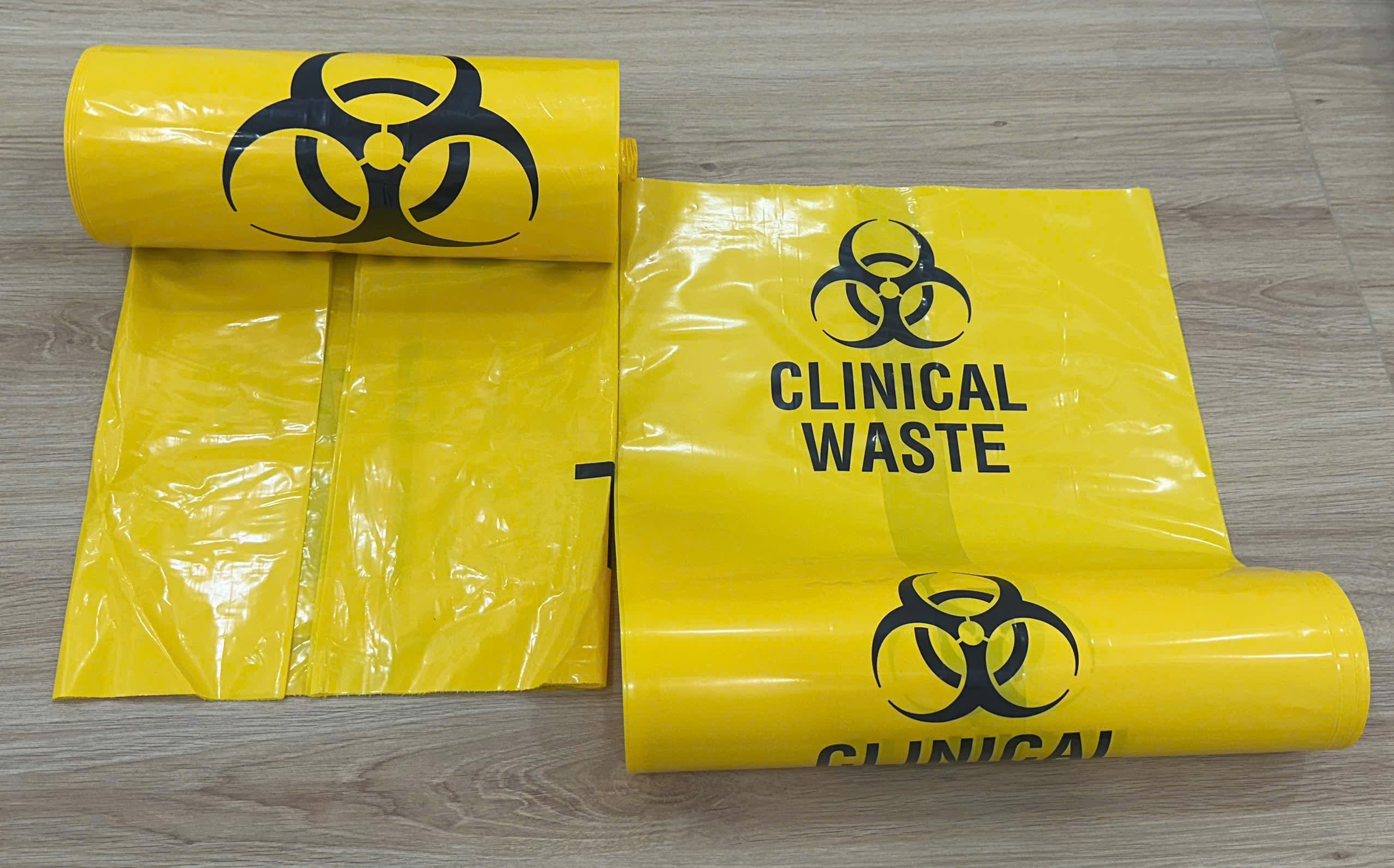
Trash bags are an essential household item, but with so many options available, selecting the right one can feel overwhelming. From size and strength to material and environmental impact, various factors influence the performance and suitability of trash bags. This comprehensive guide will walk you through everything you need to know to make an informed decision, ensuring your waste disposal is efficient, hygienic, and environmentally conscious.
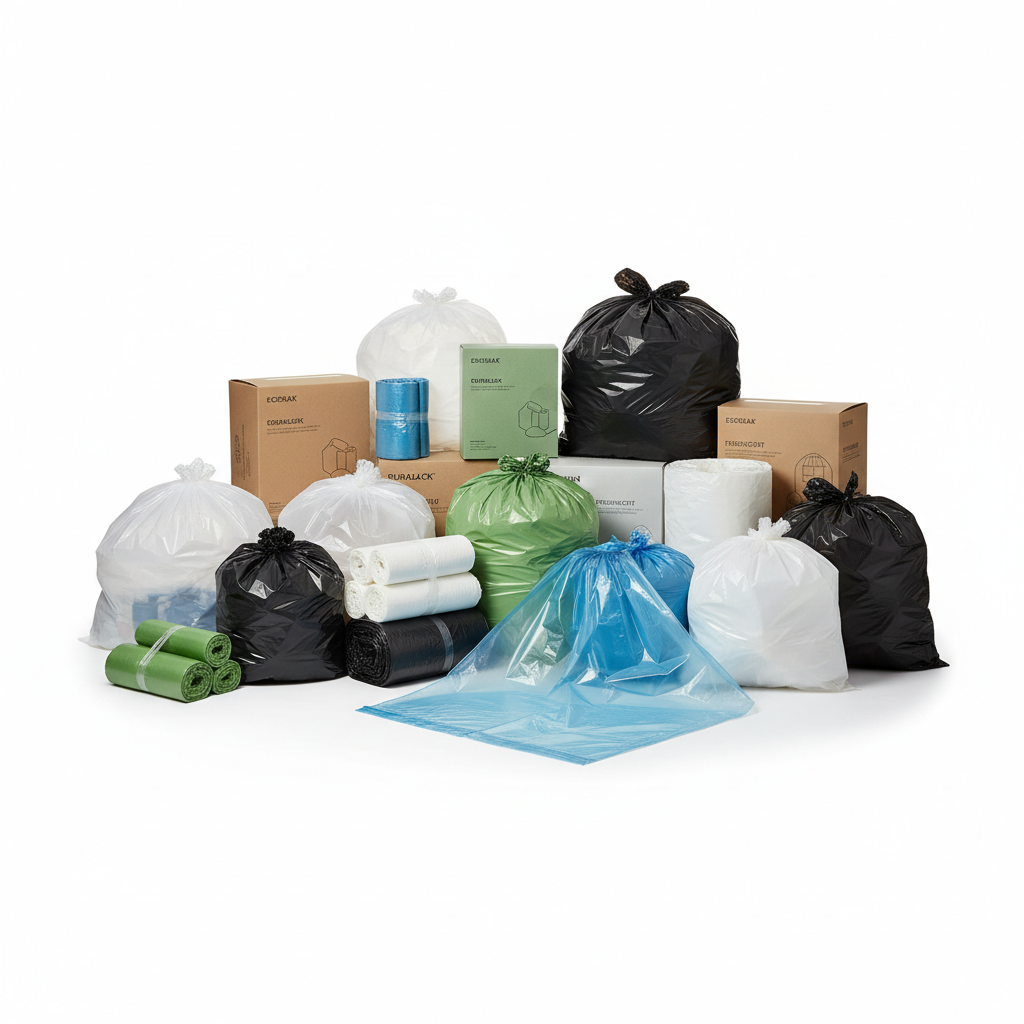
A variety of trash bags in different sizes, colors, and materials are displayed on a clean white background. Some are in boxes, others are rolls.
Understanding Trash Bag Sizes and Dimensions
Choosing the correct size is the first step in selecting the right trash bags. Using a bag that is too small can lead to spills and tears, while one that is too large wastes material and space. Here’s a breakdown of common trash bag sizes and their typical uses:
Common Trash Bag Sizes:
- 4-Gallon Bags: Ideal for small wastebaskets in bathrooms, offices, or bedrooms.
- 8-Gallon Bags: Suitable for kitchen wastebaskets or smaller households.
- 13-Gallon Bags: The most common size for standard kitchen trash cans.
- 30-Gallon Bags: Best for larger households, outdoor use, or heavy-duty waste.
- 33-Gallon and Larger Bags: Used for industrial or commercial purposes, yard waste, or construction debris.
Measuring Your Trash Can:
To determine the right size, measure the height and circumference of your trash can. Add a few inches to the height to allow for overhang and easy tying. The circumference will help you estimate the width of the bag needed.
Types of Trash Bags: Materials and Strength
The material and construction of trash bags significantly impact their strength and durability. Understanding the different types will help you choose a bag that can handle your specific waste disposal needs.
Low-Density Polyethylene (LDPE) Bags:
- Characteristics: Thick, flexible, and resistant to punctures.
- Uses: Ideal for heavy or bulky items, construction debris, and yard waste.
- Pros: High tear resistance, good for irregular shapes.
- Cons: Less environmentally friendly than other options.
High-Density Polyethylene (HDPE) Bags:
- Characteristics: Thin, lightweight, and cost-effective.
- Uses: Suitable for light to medium waste, such as food scraps and paper.
- Pros: Economical, good for everyday use.
- Cons: Less resistant to punctures and tears compared to LDPE bags.
Linear Low-Density Polyethylene (LLDPE) Bags:
- Characteristics: A blend of LDPE and HDPE, offering a balance of strength and flexibility.
- Uses: Versatile and suitable for a wide range of household and commercial waste.
- Pros: Good tear and puncture resistance, moderate cost.
- Cons: May not be as strong as pure LDPE bags for very heavy or sharp items.
Recycled Content Trash Bags:
- Characteristics: Made from recycled plastic, reducing the environmental impact.
- Uses: Suitable for various types of waste, depending on the blend of recycled materials.
- Pros: Environmentally friendly, supports recycling initiatives.
- Cons: May vary in strength and durability depending on the quality of recycled materials.
Biodegradable and Compostable Trash Bags:
- Characteristics: Made from plant-based materials that break down naturally over time.
- Uses: Ideal for composting food scraps and yard waste.
- Pros: Environmentally friendly, reduces landfill waste.
- Cons: Requires specific composting conditions to break down properly, may not be suitable for all types of waste.
Features to Consider When Buying Trash Bags
Beyond size and material, several features can enhance the functionality and convenience of trash bags.
- Drawstring Closure: Makes it easy to close and carry the bag, preventing spills and messes.
- Flap Ties: A simple and effective way to secure the bag, suitable for lighter loads.
- Scented Bags: Help to mask unpleasant odors, ideal for kitchen waste.
- Reinforced Bottoms: Provide extra strength and prevent leaks, especially for heavy or wet waste.
- Puncture Resistance: Important for handling sharp objects or waste with hard edges.
Environmental Considerations
Choosing eco-friendly trash bags is an important step in reducing your environmental footprint. Consider the following options:
- Recycled Content Bags: Opt for bags made from a high percentage of recycled plastic.
- Biodegradable and Compostable Bags: Use these bags for composting food scraps and yard waste.
- Reduce Usage: Minimize waste by recycling and composting as much as possible.
- Proper Disposal: Ensure that trash bags are disposed of properly to prevent litter and pollution.
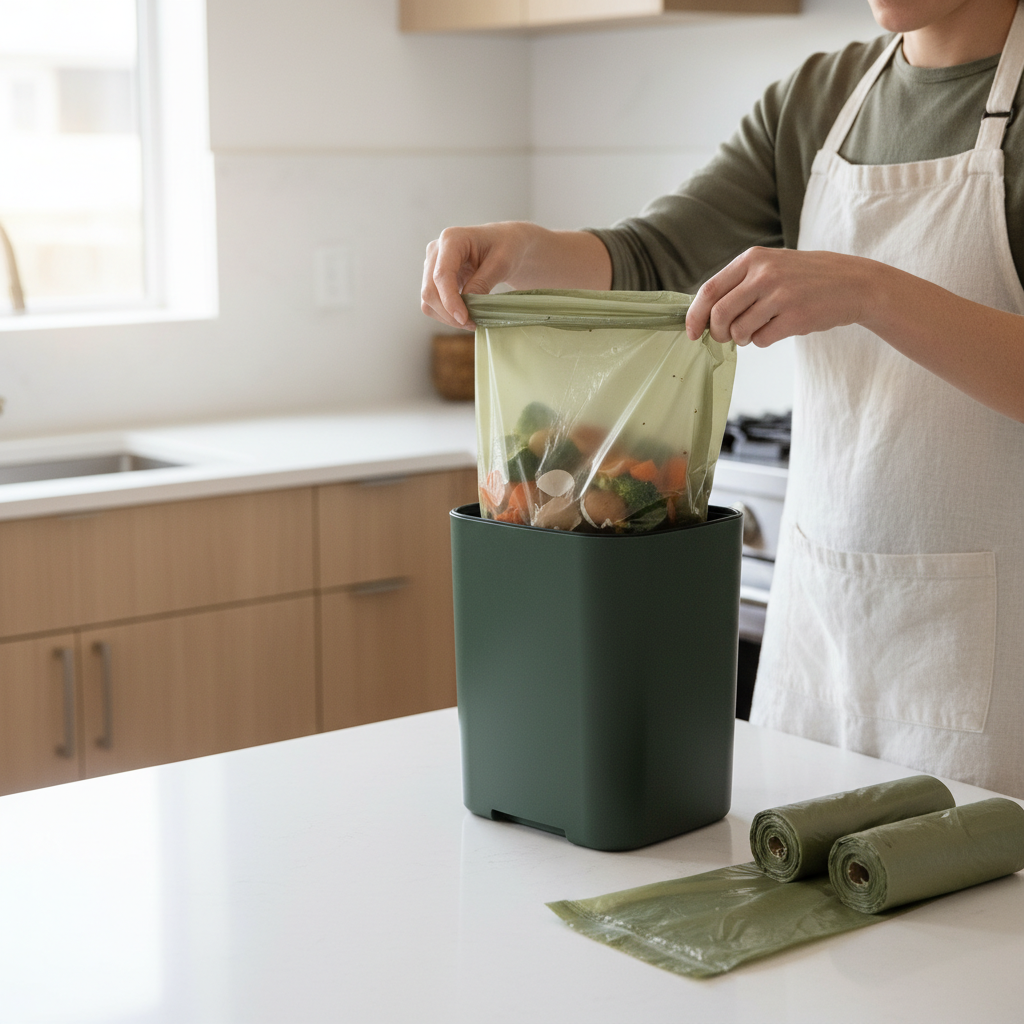
A person is putting a compostable trash bag filled with vegetable scraps into a green compost bin. The scene is set in a bright, modern kitchen.
Conclusion
Selecting the right trash bags involves considering various factors, including size, material, features, and environmental impact. By understanding the different types of bags available and their specific uses, you can make an informed decision that meets your needs and promotes responsible waste disposal. Whether you prioritize strength, convenience, or sustainability, there is a trash bag option that aligns with your preferences and values. Choose wisely and contribute to a cleaner, more sustainable environment.
{
“@context”: “https://schema.org”,
“@type”: “Article”,
“mainEntityOfPage”: {
“@type”: “WebPage”,
“@id”: “https://example.com/trash-bags-guide”
},
“headline”: “Choosing the Right Trash Bags: A Comprehensive Guide”,
“description”: “A detailed guide to selecting the best trash bags for your needs, covering sizes, materials, features, and environmental considerations.”,
“image”: [
“https://example.com/images/trash-bags-1.jpg”,
“https://example.com/images/trash-bags-2.jpg”
],
“author”: {
“@type”: “Organization”,
“name”: “Example Organization”
},
“publisher”: {
“@type”: “Organization”,
“name”: “Example Organization”,
“logo”: {
“@type”: “ImageObject”,
“url”: “https://example.com/logo.png”
}
},
“datePublished”: “2024-07-24”,
“dateModified”: “2024-07-24”
}
{
“@context”: “https://schema.org”,
“@type”: “FAQPage”,
“mainEntity”: [
{
“@type”: “Question”,
“name”: “What size trash bag should I use for my kitchen?”,
“acceptedAnswer”: {
“@type”: “Answer”,
“text”: “The most common size for standard kitchen trash cans is 13-gallon bags. However, it’s best to measure your trash can to ensure a proper fit.”
}
},
{
“@type”: “Question”,
“name”: “What are the different types of trash bags?”,
“acceptedAnswer”: {
“@type”: “Answer”,
“text”: “Common types include Low-Density Polyethylene (LDPE), High-Density Polyethylene (HDPE), Linear Low-Density Polyethylene (LLDPE), recycled content bags, and biodegradable/compostable bags.”
}
},
{
“@type”: “Question”,
“name”: “Are biodegradable trash bags worth it?”,
“acceptedAnswer”: {
“@type”: “Answer”,
“text”: “Biodegradable trash bags are a good option if you are composting food scraps and yard waste. They require specific composting conditions to break down properly.”
}
},
{
“@type”: “Question”,
“name”: “How can I choose a more environmentally friendly trash bag?”,
“acceptedAnswer”: {
“@type”: “Answer”,
“text”: “Look for trash bags made from recycled content or biodegradable/compostable materials. Also, reduce your overall waste by recycling and composting.”
}
}
]
}