Die cut handle bags are a ubiquitous sight in the retail landscape, but their simplicity belies a world of possibilities for branding, convenience, and functionality. This comprehensive guide delves into the intricacies of die cut handle bags, exploring their various materials, customization options, industry-specific applications, and the sustainability considerations that are becoming increasingly important. Whether you’re a small business owner looking for cost-effective packaging or a large corporation aiming to enhance your brand image, understanding the nuances of die cut handle bags is crucial.

What are Die Cut Handle Bags?
A die cut handle bag is a type of bag, typically made of plastic or paper, that features a handle created by cutting a shape directly into the material. This “die cut” creates a simple, integrated handle, making the bag easy to carry. The most common shape is a kidney-bean or “D” shape, but variations abound, offering diverse aesthetic and functional possibilities.
Target Metrics for Die Cut Handle Bags
When evaluating the effectiveness of die cut handle bags for your business, consider these target metrics:
- Cost per bag: Analyze the cost-effectiveness compared to other packaging options.
- Durability: Assess the bag’s ability to withstand weight and prevent tearing.
- Brand visibility: Measure the impact of the bag’s design on brand recognition.
- Customer satisfaction: Gauge customer feedback on the bag’s convenience and aesthetics.
- Sustainability impact: Evaluate the environmental footprint of the bag’s material and disposal.
Materials Used in Die Cut Handle Bags
The choice of material significantly impacts the bag’s durability, appearance, and environmental footprint. Here’s a breakdown of common materials:
- Low-Density Polyethylene (LDPE): The most common plastic material. LDPE offers good flexibility, tear resistance, and printability. It’s a cost-effective option for general retail use.
- High-Density Polyethylene (HDPE): A stiffer plastic than LDPE, offering higher tensile strength. HDPE bags are often used for groceries and heavier items.
- Polypropylene (PP): Known for its clarity and glossy finish. PP bags are often used for displaying apparel or gifts.
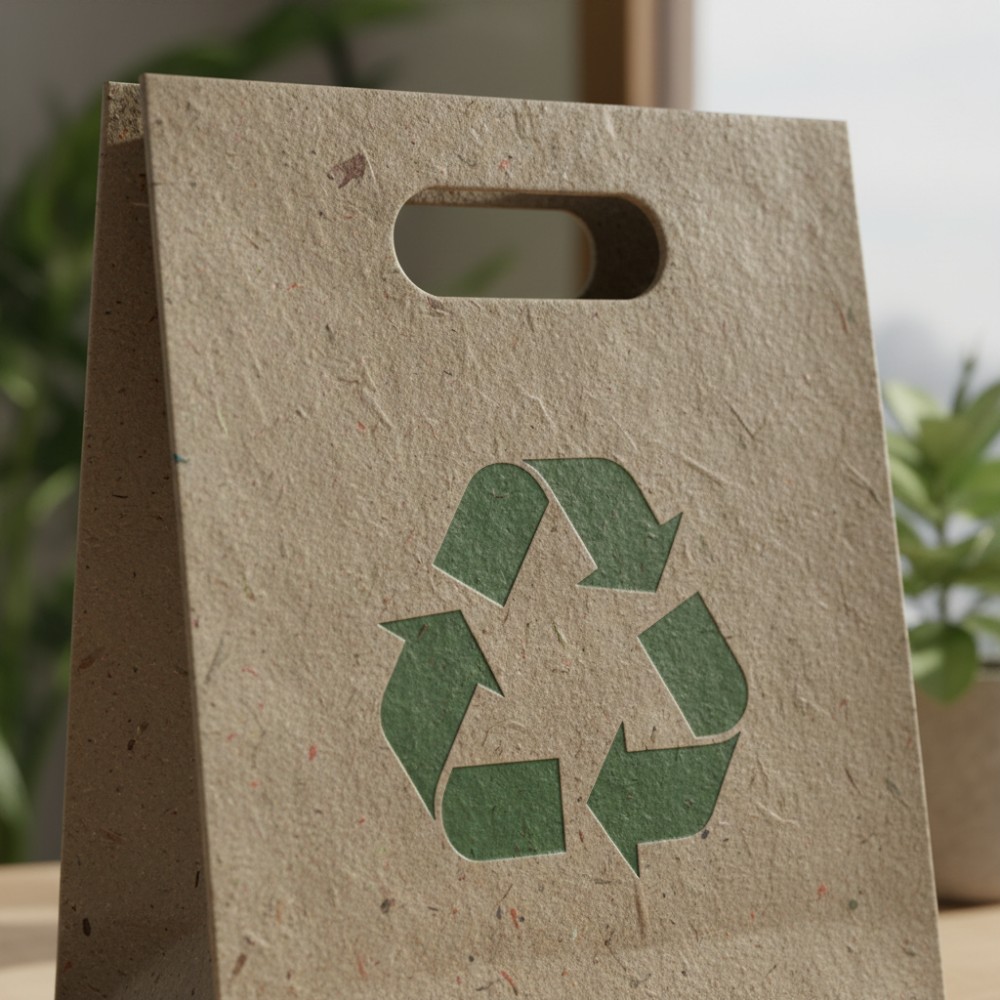
- Paper: Paper bags offer a more eco-friendly alternative to plastic. Options include kraft paper (for a rustic look) and coated paper (for enhanced print quality).
- Recycled Materials: Bags made from post-consumer recycled (PCR) content are gaining popularity as businesses strive for sustainability.
- Biodegradable and Compostable Plastics: These materials break down more readily than conventional plastics, offering a reduced environmental impact. However, it’s important to understand the specific conditions required for biodegradation or composting.
Material Comparisons
Choosing the right material depends on your specific needs and priorities. Consider these factors:
- LDPE: Cost-effective, flexible, good printability, less environmentally friendly.
- HDPE: Strong, durable, affordable, less flexible, less visually appealing.
- Polypropylene: Clear, glossy, visually appealing, more expensive, can be brittle.
- Paper: Eco-friendly, printable, versatile, less durable in wet conditions, higher cost.
- Recycled Materials: Environmentally responsible, can vary in quality, may be more expensive.
- Biodegradable/Compostable: Environmentally conscious, requires specific disposal conditions, can be more expensive.
Customization Options: Branding and Design
Die cut handle bags offer ample opportunities for branding and customization. Here’s how to make your bags stand out:
- Printing: Choose from various printing methods, including flexographic printing (for high-volume orders) and digital printing (for smaller runs and complex designs). Consider the number of colors, logo placement, and overall design aesthetic.
- Bag Color: Select a bag color that complements your brand identity.
- Handle Shape: While the kidney-bean shape is standard, explore variations for a unique look.
- Gussets: Add side or bottom gussets to increase the bag’s capacity.
- Reinforcements: Reinforce the handle area for added durability, especially for heavier items.
- Embossing/Debossing: Add a tactile element to your design with embossing (raised design) or debossing (recessed design).
- Unique Handle Styles: Explore variations beyond the standard die-cut, such as reinforced handles or more ergonomic designs.
Industry-Specific Applications
Die cut handle bags are versatile and can be tailored to various industries:
- Retail: Ideal for clothing stores, boutiques, and general merchandise.
- Food Service: Suitable for takeout orders, bakeries, and cafes (ensure compliance with food safety regulations).
- Trade Shows and Events: Perfect for distributing promotional materials and giveaways.
- Grocery Stores: Used for carrying groceries and other household items.
- Pharmacies: Convenient for dispensing medications and other health-related products.
Case Studies
Consider these examples of how businesses are using die cut handle bags effectively:
- Boutique Clothing Store: Uses high-quality LDPE bags with a custom logo and vibrant colors to create a premium shopping experience.
- Local Bakery: Utilizes paper bags with a grease-resistant lining to package pastries and bread, showcasing a commitment to sustainability.
- Trade Show Exhibitor: Distributes branded LDPE bags filled with promotional materials, increasing brand visibility and lead generation.
Sustainability and Eco-Friendly Options
With growing environmental concerns, sustainability is a key consideration when choosing die cut handle bags. Here are some eco-friendly options:
- Recycled Content: Opt for bags made from post-consumer recycled (PCR) materials. This reduces the demand for virgin plastic and helps divert waste from landfills.
- Biodegradable and Compostable Plastics: These materials break down more readily than conventional plastics. However, it’s crucial to understand the specific disposal requirements. Look for certifications like ASTM D6400 or EN 13432.
- Paper Bags: Paper is a renewable resource and can be recycled. Choose paper bags made from sustainably sourced forests (look for FSC certification).
- Reusable Bags: While not technically “die cut handle bags,” offering reusable bags as an alternative can significantly reduce single-use plastic consumption.
- Reducing Film Thickness: Opting for a thinner gauge of plastic, where possible, can reduce the overall amount of material used.
Transparency and Certifications
When evaluating eco-friendly claims, look for transparency and third-party certifications. This ensures that the bags meet specific environmental standards.
Regulatory Compliance
Depending on your industry, die cut handle bags may be subject to specific regulations. For example, bags used for food packaging must comply with food safety standards. Ensure that your bags meet all applicable requirements, including labeling and material safety.
Content Targeting Small Businesses and Startups
For small businesses and startups, choosing the right die cut handle bags can be a cost-effective way to enhance brand image. Here are some tips:
- Start Small: Begin with a smaller order quantity to test different designs and materials.
- Focus on Branding: Invest in a well-designed logo and choose bag colors that align with your brand identity.
- Consider Versatility: Opt for a bag size that can accommodate a variety of products.
- Explore Affordable Options: LDPE bags are a cost-effective choice for small businesses.
- Leverage Online Resources: Utilize online design tools and templates to create your bag design.
Bulk Discounts and Wholesale Pricing
Purchasing die cut handle bags in bulk can significantly reduce your cost per bag. Explore wholesale pricing options from various suppliers and compare quotes to find the best deal.
Printing Capabilities and Lead Times
Understand the printing capabilities of your chosen supplier, including the available printing methods, color matching options, and lead times. Plan your orders accordingly to ensure that you receive your bags on time.
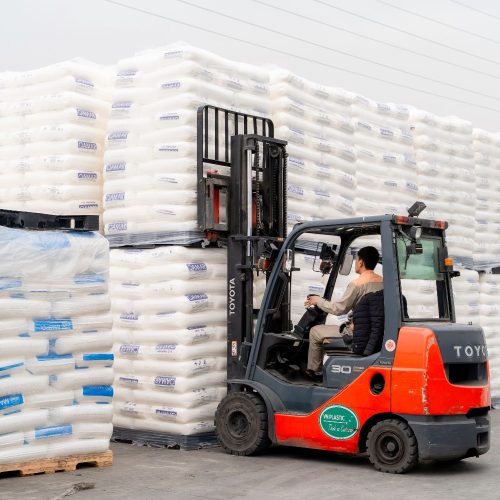
[IMAGE_PROMPT: A manufacturing facility showcasing the process of creating die cut handle bags, from the plastic film roll to the finished product. Include workers overseeing the quality control process.]
The Manufacturing Process
Understanding the manufacturing process can help you appreciate the complexities involved in creating die cut handle bags. The process typically involves:
- Extrusion: The plastic resin is melted and formed into a thin film.
- Printing: The bag design is printed onto the film.
- Cutting and Sealing: The film is cut to the desired size and shape, and the edges are sealed to create the bag.
- Die Cutting: The handle is cut out using a die-cutting machine.
- Quality Control: The bags are inspected for defects and quality issues.
Conclusion: Elevate Your Brand with Die Cut Handle Bags
Die cut handle bags are more than just packaging; they are a reflection of your brand. By carefully considering the material, customization options, and sustainability factors, you can choose bags that enhance your brand image, provide convenience for your customers, and minimize your environmental impact. As the market evolves, staying informed about the latest trends and innovations in die cut handle bag technology will be crucial for businesses looking to stay ahead of the curve.