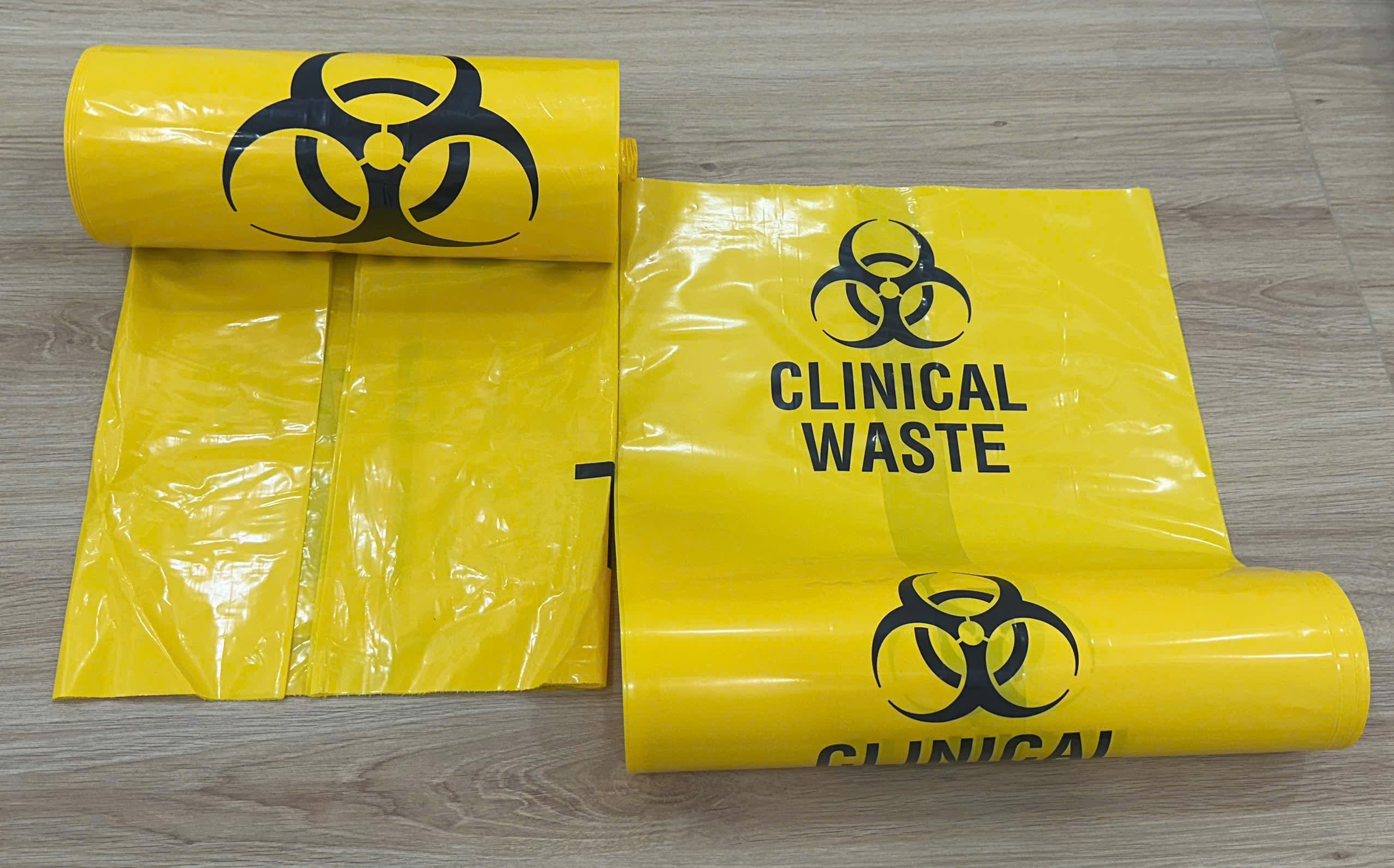
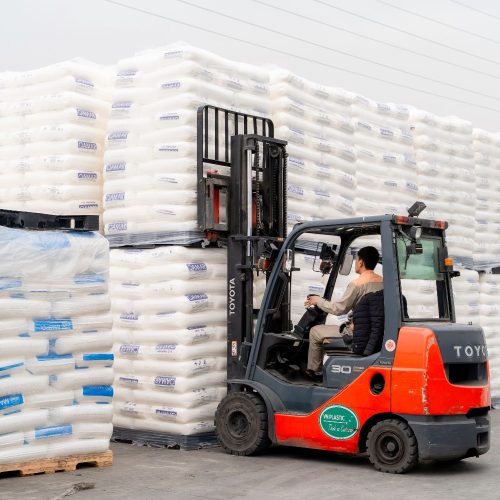
Plastic waste disposal has become one of the most pressing environmental challenges of the 21st century. With global plastic production surpassing 400 million tons annually, improper handling of plastic debris threatens ecosystems, human health, and the climate. This article provides a comprehensive guide to plastic waste disposal, covering regulatory frameworks, collection methods, treatment technologies, and actionable steps for businesses, municipalities, and individuals. By understanding the full lifecycle of plastic waste, stakeholders can implement sustainable solutions that reduce pollution and promote a circular economy.
Understanding the Plastic Waste Hierarchy
Effective disposal begins with a clear hierarchy that prioritizes waste management actions based on environmental impact. The hierarchy, endorsed by many governments and NGOs, follows a descending order of preference:
- Reduce: Minimize the amount of plastic used in products and packaging.
- Reuse: Extend the lifespan of plastic items through refilling, repurposing, or refurbishing.
- Recycle: Convert collected plastics into new raw materials for manufacturing.
- Energy Recovery: Recover energy from non-recyclable plastics via incineration with strict emission controls.
- Landfill: The last resort for plastic waste that cannot be processed by other means.
Adopting this hierarchy helps organizations allocate resources efficiently and align with sustainability goals.
Regulatory Landscape for Plastic Waste Disposal
Governments worldwide have introduced legislation to manage plastic waste responsibly. Key regulations include:
- Extended Producer Responsibility (EPR): Requires manufacturers to finance collection and recycling of their products.
- Single-Use Plastic Bans: Prohibits items such as plastic straws, cutlery, and bags in many jurisdictions.
- Plastic Packaging Tax: Imposes fees on packaging containing less than a specified recycled content percentage.
- Marine Litter Laws: Target the prevention of plastic debris entering oceans through stringent discharge standards.
Compliance with these regulations not only avoids penalties but also enhances brand reputation and consumer trust.
Collection and Sorting: The First Steps in Disposal
Efficient collection systems are the backbone of any plastic waste disposal program. The most common models are:
- Curbside Collection: Residential households place sorted plastics in designated bins for weekly pickup.
- Drop-off Centers: Public facilities where consumers can bring specific plastic types for recycling.
- Commercial Collection Services: Tailored solutions for businesses generating large volumes of plastic waste.
Once collected, plastics must be sorted by polymer type (e.g., PET, HDPE, PP, PS) because mixed streams reduce the quality of recycled material. Advanced sorting technologies include:
- Near-Infrared (NIR) Spectroscopy: Identifies polymer composition based on light absorption patterns.
- Optical Sorting Machines: Use cameras and AI algorithms to separate colors and resin types.
- Float‑Sink Separation: Exploits density differences to separate plastics like PET (denser) from PE (lighter).
Recycling Technologies and Processes
After sorting, plastics undergo mechanical or chemical recycling to become feedstock for new products.
Mechanical Recycling
Mechanical recycling is the most widely used method and involves the following steps:
- Shredding: Large items are cut into small flakes.
- Washing: Flakes are cleaned of contaminants such as food residue, labels, and adhesives.
- Extrusion: Clean flakes are melted and forced through a die to form pellets.
- Compounding: Pellets may be blended with additives to improve performance.
Mechanical recycling is cost‑effective for high‑purity streams like PET bottles but struggles with multi‑layer packaging and contaminated plastics.
Chemical Recycling
Chemical recycling breaks polymers down to their monomers or other basic chemicals, enabling the creation of virgin‑quality plastics. Key processes include:
- Pyrolysis: Thermal decomposition in an oxygen‑free environment produces hydrocarbon oils that can be refined into new plastics.
- Hydrolysis: Uses water and catalysts to split polymers like PET into terephthalic acid and ethylene glycol.
- Solvolysis: Applies solvents to dissolve specific polymers, allowing selective recovery.
Although chemical recycling offers higher material recovery rates, it currently requires significant energy input and capital investment.
Energy Recovery and Safe Landfilling
When plastics cannot be recycled, energy recovery through controlled incineration provides an alternative to landfilling. Modern waste‑to‑energy (WtE) plants incorporate:
- Flue‑Gas Scrubbers: Remove dioxins, furans, and heavy metals.
- Heat Recovery Systems: Convert thermal energy into electricity or steam for district heating.
- Continuous Emission Monitoring: Ensure compliance with air quality standards.
Landfills remain a last resort. To minimize environmental impact, landfills must be engineered with liners, leachate collection systems, and methane capture technologies.
Innovative Approaches and Emerging Trends
Several cutting‑edge solutions are reshaping plastic waste disposal:
- Biodegradable Polymers: Materials such as polylactic acid (PLA) that decompose under industrial composting conditions.
- Plastic‑to‑Fuel Technologies: Convert mixed plastic waste into diesel or gasoline via catalytic cracking.
- Closed‑Loop Manufacturing: Companies design products for easy disassembly and 100 % recyclability.
- Digital Tracking Platforms: Blockchain‑based systems trace plastic from production to end‑of‑life, enhancing transparency.
Best Practices for Businesses and Municipalities
Implementing an effective plastic waste disposal program requires coordinated action. Below are actionable recommendations:
- Conduct a Waste Audit: Identify the types and volumes of plastic generated.
- Set Reduction Targets: Replace single‑use items with reusable alternatives.
- Partner with Certified Recyclers: Ensure downstream processing meets quality and environmental standards.
- Educate Employees and Consumers: Provide clear guidelines on proper sorting and disposal.
- Invest in On‑Site Processing: Small‑scale shredders or densifiers can reduce transport costs.
- Report Progress Publicly: Transparency builds stakeholder confidence and drives continuous improvement.
Consumer Actions to Improve Plastic Waste Disposal
Individuals play a crucial role in the waste hierarchy. Simple habits can make a significant difference:
- Refuse Unnecessary Plastics: Say no to plastic bags, straws, and packaging when alternatives exist.
- Choose Recyclable Materials: Opt for products labeled with the recycling code #1 (PET) or #2 (HDPE).
- Participate in Local Collection Programs: Use community drop‑off points for items like bottle caps and plastic film.
- Support Brands with Circular Commitments: Purchase from companies that use recycled content or offer take‑back schemes.
Measuring Success: Key Performance Indicators (KPIs)
Tracking the effectiveness of plastic waste disposal initiatives helps refine strategies. Common KPIs include:
- Weight of Plastic Recycled (tons/year): Indicates the volume diverted from landfill.
- Recycling Rate (% of total plastic waste): Measures the proportion of waste successfully processed.
- Carbon Emissions Avoided (CO₂e): Calculates greenhouse‑gas reductions from recycling versus virgin production.
- Cost per Ton of Processed Plastic: Evaluates economic efficiency.
Regular reporting against these metrics enables continuous improvement and demonstrates compliance with sustainability commitments.
Conclusion
Plastic waste disposal is a complex, multi‑stage process that demands coordinated effort across the entire value chain. By prioritizing reduction, implementing robust collection and sorting systems, leveraging advanced recycling and energy recovery technologies, and embracing innovative circular‑economy models, societies can dramatically cut the environmental footprint of plastic. Whether you are a policymaker, business leader, or everyday consumer, the actions you take today will shape the health of our ecosystems for generations to come.