In the world of logistics and retail, the vessel you choose to hold your product is just as important as the product itself. Whether you are shipping delicate electronics, preserving fresh food, or handing a customer a boutique purchase, the integrity of your containment solution matters. Selecting the right plastic bags for packaging is not merely a purchasing decision; it is a strategic move that impacts product safety, brand perception, and your bottom line.
Many businesses underestimate the complexity of plastic bags for packaging. They assume a bag is just a bag. However, failing to understand the nuances of material density, closure types, and environmental impact can lead to damaged goods and frustrated customers. This guide will walk you through everything you need to know to choose the perfect plastic bags for packaging tailored to your specific industry needs.

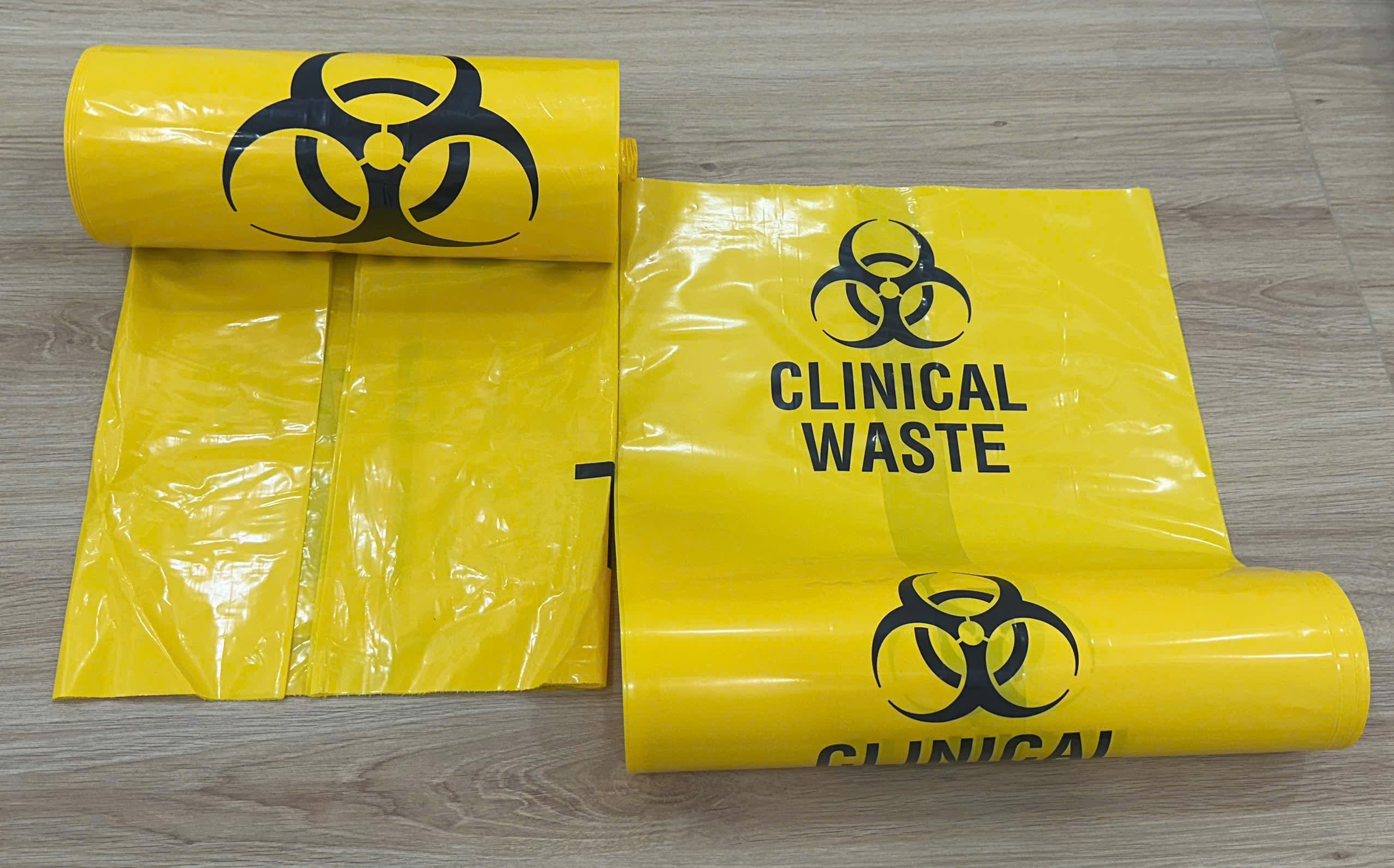
“A professional, high-resolution flat-lay photograph showing a variety of plastic packaging types on a clean white surface, including clear poly bags, heavy-duty shipping bags, and branded retail bags, symbolizing diversity in packaging solutions.”
Understanding the Material: Poly Bags and Beyond
When sourcing plastic bags for packaging, the first variable to analyze is the material. Most packaging bags are colloquially known as poly bags, short for polyethylene. However, the chemical structure of the plastic determines its clarity, strength, and flexibility.
Low-Density Polyethylene (LDPE)
LDPE is the industry standard for general-use plastic bags for packaging. It is highly flexible, possesses high clarity, and is resistant to tearing. If you are looking for clear plastic bags that allow the customer to see the product inside—such as in food service or hardware—LDPE is likely your best choice. These bags protect against dust and moisture while remaining soft to the touch.
High-Density Polyethylene (HDPE)
HDPE is denser and more rigid. It offers excellent puncture resistance but is less transparent than LDPE. You often see this material used for plastic grocery bags and retail shopping bags. Because HDPE is strong even at thin gauges, it is a cost-effective option for high-volume usage where optical clarity is not the priority.
Linear Low-Density Polyethylene (LLDPE)
For items that require extra stretch and puncture resistance, LLDPE is superior. This material is often used for heavy duty plastic bags intended to carry sharp objects or heavy industrial parts. When your plastic bags for packaging need to withstand rough handling without splitting, LLDPE is the go-to material.

“An infographic comparison chart displaying three plastic bag types (LDPE, HDPE, LLDPE) with icons representing their key features: Clarity, Strength, and Flexibility.”
Why Thickness Matters: From Light Retail to Heavy Duty
Once you have selected the material, you must determine the gauge (thickness), usually measured in “mils” (thousandths of an inch). Choosing the correct thickness for your plastic bags for packaging is critical for cost control and protection.
- 1-2 Mil: These are standard lightweight bags. They are suitable for small plastic bags used for nuts, bolts, or light clothing protection. They provide a dust barrier but offer minimal impact protection.
- 3-4 Mil: This is the sweet spot for shipping and moderate weight. Plastic shipping bags and poly mailers often fall into this category. They are tough enough to survive the postal system but light enough to keep shipping costs down.
- 6+ Mil: These are classified as heavy duty plastic bags. They are used for industrial parts, construction debris, and sharp items. If you are selecting plastic bags for packaging hardware or bulk aggregate, you cannot compromise on this thickness.
Using a bag that is too thin risks product damage, while using a bag that is too thick wastes money on unnecessary plastic. Calibrating the thickness of your plastic bags for packaging is an exercise in balancing protection with economy.

“A close-up macro shot showing the cross-section of three different plastic bags with varying thicknesses, labeled 1 Mil, 3 Mil, and 6 Mil, demonstrating the visible difference in durability.”
Key Features to Look for in Plastic Bags for Packaging
Beyond the plastic resin and thickness, the functionality of the bag is defined by its features. Different industries require different closure mechanisms and structural designs.
Closures and Seals
For items that need to be accessed repeatedly, zip lock plastic bags are the gold standard. They provide an airtight seal that keeps moisture out, making them ideal for food storage and electronics. Alternatively, for permanent sealing, many plastic shipping bags come with a tamper-evident adhesive strip. This ensures security during transit.
Handles and Gussets
If your plastic bags for packaging are intended for retail carry-out, handle strength is paramount. Die-cut handles offer a sleek look for trade shows, while t-shirt handles (common on plastic grocery bags) offer high tensile strength for heavy loads. Furthermore, gusseted bags (expandable sides or bottoms) are essential for packaging bulky or boxy items, ensuring the plastic does not stretch to the breaking point.

“A studio shot of a zip-lock plastic bag containing fresh coffee beans next to a tamper-evident shipping bag, highlighting the different closure technologies.”
The Role of Customization and Wholesale Sourcing
For growing businesses, off-the-shelf solutions may eventually fall short. This is where custom plastic bags come into play. Customization allows you to print your logo, safety warnings, or instructions directly onto the packaging. This turns your plastic bags for packaging into a marketing tool that travels with the customer.
When moving to custom solutions, you will likely need to engage with providers of wholesale plastic bags. Buying in bulk significantly reduces the per-unit cost. However, when ordering wholesale plastic bags, pay attention to lead times and minimum order quantities (MOQs).
Custom plastic bags are particularly effective for:
- Retail Boutiques: High-quality, printed shopping bags elevate the perceived value of the purchase.
- E-commerce: Branded plastic bags for packaging (mailers) create an exciting unboxing experience.
- Industrial Suppliers: Color-coded bags can help with inventory management and part identification.

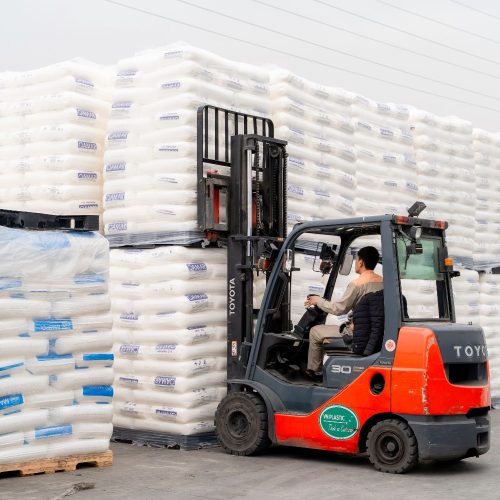
“A photo of a manufacturing floor showing a large roll of custom-printed blue plastic film being converted into bags, emphasizing the scale of wholesale production.”
Eco-Friendly Alternatives: Biodegradable and Compostable Options
The conversation around plastic bags for packaging is incomplete without addressing environmental concerns. Modern consumers are increasingly eco-conscious, driving demand for sustainable alternatives. Businesses are pivoting toward biodegradable plastic bags and compostable plastic bags to meet this demand and comply with local regulations.
It is vital to understand the difference:
- Biodegradable Plastic Bags: These are designed to break down faster than traditional plastic when exposed to light and air, but they may still leave microplastics behind.
- Compostable Plastic Bags: These are made from plant-based materials (like cornstarch) and break down into non-toxic organic matter in a composting environment.
- Reusable Plastic Bags: Thicker, woven, or heavy-duty bags designed for hundreds of uses, reducing the need for single-use plastics.
Implementing compostable plastic bags or reusable plastic bags into your supply chain can serve as a powerful differentiator for your brand. However, ensure that these plastic bags for packaging still meet the durability requirements of your product.

“A split-screen image: on the left, a standard plastic bag; on the right, a compostable bag breaking down in soil with a small green sprout, symbolizing environmental sustainability.”
Specialty Applications: Food, Waste, and Storage
Different “Thematic Clusters” require highly specialized plastic bags for packaging. Using a general-purpose bag for a specialized application can lead to compliance issues or spoilage.
Food Storage and Preservation
Plastic bags for packaging food must be FDA-compliant. Vacuum seal bags are a subset of poly bags designed to remove air, extending shelf life and preventing freezer burn. Unlike standard zip lock plastic bags, vacuum bags require a nylon layer to prevent air permeation.
Waste Management
For waste disposal, the focus shifts entirely to tear resistance and load capacity. Heavy duty plastic bags for construction waste differ vastly from kitchen liners. Here, the “mil” count is the primary specification to check to prevent messy ruptures.
Household and Moving Storage
When packing for a move or long-term storage, clear plastic bags are advantageous for visibility. Large, thick poly bags protect mattresses and furniture from dust and moisture. This sector relies heavily on plastic bags for packaging that can withstand friction and long-term environmental exposure.

“A collage showing three distinct uses: a vacuum-sealed steak, a heavy-duty construction trash bag filled with debris, and a mattress wrapped in a clear protective plastic cover.”
How to Buy Plastic Bags for Packaging: A Step-by-Step Guide
Ready to make a purchase? Follow this checklist to ensure you select the right plastic bags for packaging for your business:
- Define the Load: What is the weight and shape of the item? Sharp edges require LLDPE or high-mil thickness.
- Select the Material: Choose LDPE for clarity, HDPE for strength-to-weight ratio, or specialized eco-materials for sustainability.
- Determine the Size: Measure your product (Length, Width, Depth). For plastic bags for packaging, always add 1-2 inches to the width and length to allow for easy insertion.
- Choose the Closure: Do you need zip lock plastic bags, heat sealable bags, or tie-off bags?
- Volume Strategy: Are you buying a few boxes or do you need wholesale plastic bags? Calculate your monthly usage to negotiate better rates.
- Branding Needs: Decide if you need plain clear plastic bags or custom plastic bags to enhance brand visibility.
By systematically addressing these points, you ensure that the plastic bags for packaging you select will perform reliably, protecting your goods from the warehouse to the customer’s hands.

Frequently Asked Questions
What is the difference between poly bags and regular plastic bags?
“Poly bag” is simply the industry term for bags made from polyethylene (plastic). Whether you are looking for plastic grocery bags or industrial liners, they are likely a variation of a poly bag. In the context of plastic bags for packaging, “poly bags” usually refers to clear, industrial-grade packaging rather than retail carry bags.
Are plastic shipping bags recyclable?
Most plastic shipping bags are made from polyethylene and are recyclable, but usually not through curbside pickup. They typically need to be dropped off at store recycling bins that accept shopping bags and flexible films. Always check the recycling code printed on your plastic bags for packaging.
Which plastic bags are best for clothing?
For clothing, clear plastic bags made of LDPE or polypropylene (PP) are ideal. They protect against dust and moisture while displaying the garment. Self-sealing adhesive strips are a popular feature for apparel plastic bags for packaging.
Can I get biodegradable plastic bags for heavy items?
Yes, but technology is still catching up. While biodegradable plastic bags are improving, they often have lower tensile strength than traditional petrochemical plastics. If you need heavy duty plastic bags that are also eco-friendly, you may need to order a significantly higher thickness (mil) to compensate for the material difference.
Why are my plastic bags tearing easily?
If your plastic bags for packaging are tearing, you likely have the wrong material or thickness. If the tear is a “zipper” split, you might be using HDPE when you need the stretch of LLDPE. If the bag is being punctured, the mil thickness is too low. Upgrading to heavy duty plastic bags usually resolves this issue.
Conclusion
Selecting the right packaging is a science. From the chemical composition of poly bags to the marketing potential of custom plastic bags, every detail contributes to the success of your product delivery. Whether you are prioritizing the brute strength of heavy duty plastic bags or the environmental responsibility of compostable plastic bags, the market offers a solution for every need.
By investing time in selecting the correct plastic bags for packaging, you reduce waste, save money on damaged returns, and improve customer satisfaction. Don’t settle for generic solutions; analyze your needs and choose the packaging that truly protects your goods.