In today’s fast-paced world of logistics and warehousing, efficiency is paramount. One of the most crucial aspects of ensuring products arrive safely and securely is proper packaging. While hand stretch wrap has its place, machine stretch wrap offers a superior solution for high-volume operations, providing enhanced stability, reduced material costs, and increased throughput. This comprehensive guide delves into the world of machine stretch wrap, exploring its benefits, different types, application techniques, and how to choose the right film for your specific needs.
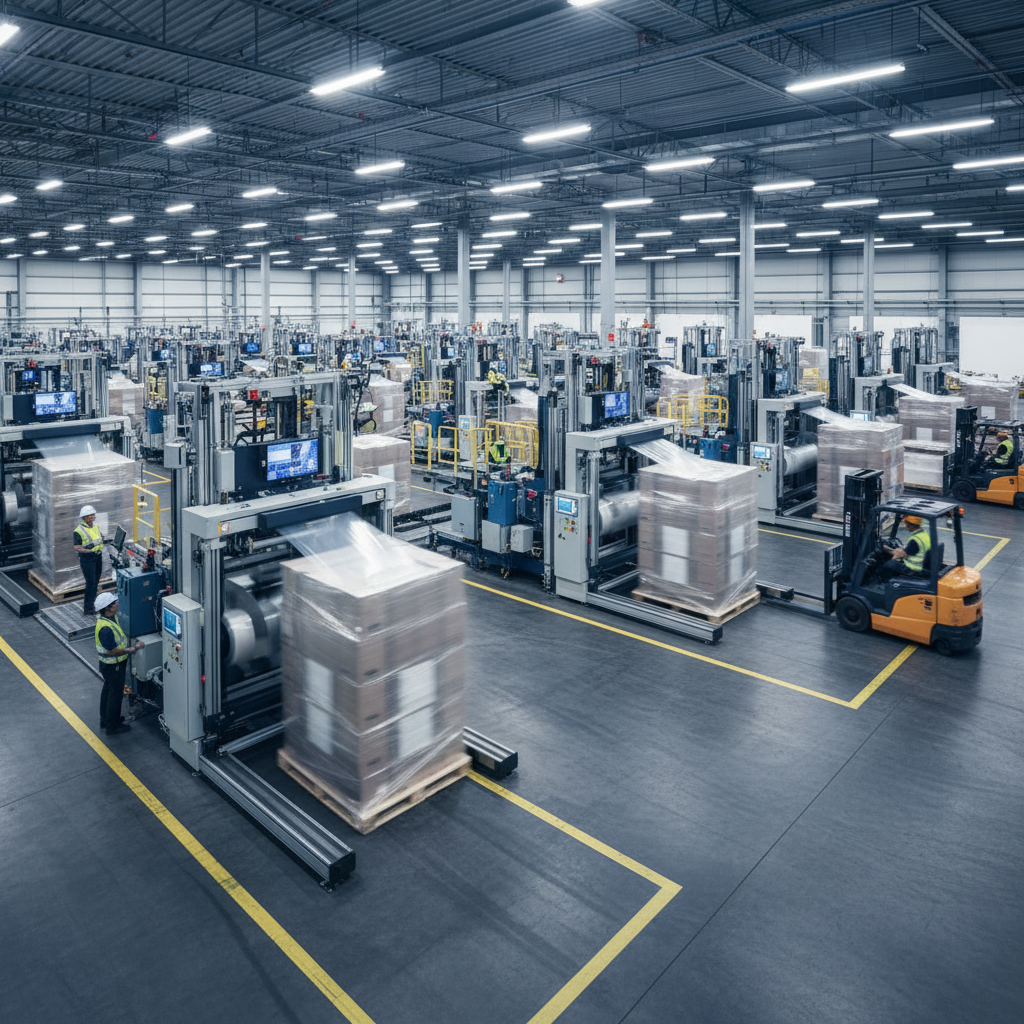
A busy warehouse scene showing pallets being wrapped by automated stretch wrapping machines, with forklifts moving around and workers overseeing the process. Focus on the speed and efficiency of the machines.
Understanding Machine Stretch Wrap
What is Machine Stretch Wrap?
Machine stretch wrap, also known as pallet wrap, is a highly elastic plastic film used to secure and stabilize goods on a pallet for transport or storage. Unlike hand stretch wrap, which is applied manually, machine stretch wrap is designed to be used with automated or semi-automated stretch wrapping machines. These machines apply the film with consistent tension and overlap, ensuring a uniform and secure load.
Benefits of Using Machine Stretch Wrap
Switching to machine stretch wrap offers a multitude of advantages:
- Increased Efficiency: Machines can wrap pallets much faster than manual labor, significantly increasing throughput.
- Reduced Labor Costs: Automation reduces the need for manual wrapping, freeing up employees for other tasks.
- Improved Load Stability: Consistent tension and overlap provided by machines result in more secure and stable loads, reducing the risk of damage during transport.
- Material Cost Savings: Machine stretch wrap is often pre-stretched, meaning less film is required to wrap each pallet. This can lead to significant cost savings over time.
- Enhanced Safety: Reduced manual handling minimizes the risk of worker injuries associated with repetitive motions.
- Consistent Application: Machines ensure uniform wrapping, eliminating inconsistencies that can occur with manual application.
Types of Machine Stretch Wrap
Machine stretch wrap comes in various types, each designed for specific applications and machine types. Understanding these differences is crucial for selecting the right film for your needs.
Cast Film
Cast film is produced by extruding molten plastic onto a chilled roller, resulting in a quiet, clear, and glossy film. It offers excellent cling and tear resistance. Cast machine stretch wrap is a popular choice for general-purpose applications.
Blown Film
Blown film is manufactured by extruding a tube of plastic and inflating it with air. This process results in a tougher, more durable film with higher tear resistance compared to cast film. Blown machine stretch wrap is ideal for heavier loads and more demanding applications.
Pre-Stretched Film
Pre-stretched film is stretched during the manufacturing process, reducing the amount of stretch required during application. This results in significant material savings and reduced neckdown (the reduction in film width during stretching). Pre-stretched machine stretch wrap is a cost-effective option for high-volume operations.
Colored and Opaque Films
Colored and opaque films offer enhanced security and concealment. They can be used to hide the contents of a pallet, deterring theft and protecting sensitive information. These films are available in both cast and blown varieties of machine stretch wrap.
UV Inhibitor Films
UV inhibitor films are designed to protect products from the damaging effects of ultraviolet radiation. They are ideal for outdoor storage and transportation, preventing fading, cracking, and other forms of UV damage. Using UV Inhibitor machine stretch wrap is essential for goods exposed to sunlight.
Choosing the Right Machine Stretch Wrap
Selecting the appropriate machine stretch wrap depends on several factors, including the weight and dimensions of the load, the type of product being wrapped, and the environmental conditions it will be exposed to.
Load Weight and Dimensions
Heavier loads require thicker, more durable films with higher tensile strength. Consider the weight and dimensions of your typical load to determine the appropriate gauge (thickness) of the film. For oversized or oddly shaped loads, wider rolls of machine stretch wrap may be necessary.
Product Type
The type of product being wrapped also influences the choice of film. Fragile items require a film with good cushioning properties, while sharp or abrasive items require a film with high puncture resistance. Food products may require films that are FDA-approved for direct contact. Choosing the right machine stretch wrap guarantees product integrity.
Environmental Conditions
Consider the environmental conditions the wrapped pallets will be exposed to. If pallets will be stored outdoors, UV inhibitor films are essential. For cold storage applications, choose a film that remains flexible and durable at low temperatures. Extreme temperatures can affect the performance of machine stretch wrap.
Machine Compatibility
Ensure that the film you choose is compatible with your stretch wrapping machine. Check the machine’s specifications for recommended film widths, core sizes, and film types. Using the wrong film can lead to machine malfunctions and inefficient wrapping.
Application Techniques for Machine Stretch Wrap
Proper application is crucial for maximizing the effectiveness of machine stretch wrap. Follow these guidelines to ensure secure and stable loads:
- Proper Overlap: Ensure sufficient overlap between each layer of film to create a strong and cohesive wrap. A minimum of 50% overlap is generally recommended.
- Correct Tension: Apply the film with the correct tension to maximize its holding power. Too little tension will result in a loose wrap, while too much tension can cause the film to break.
- Reinforce Corners and Edges: Pay special attention to corners and edges, as these are the most vulnerable areas of the load. Reinforce these areas with extra layers of film.
- Secure the Load to the Pallet: Wrap the film around the pallet to secure the load and prevent it from shifting during transport.
- Top Sheet Application: Consider using a top sheet to protect the top of the load from dust, moisture, and other contaminants.
Troubleshooting Common Issues
Even with the best equipment and materials, issues can sometimes arise during the stretch wrapping process. Here are some common problems and their solutions:
- Film Breakage: Film breakage can be caused by excessive tension, sharp edges on the load, or a faulty film roll. Reduce the tension, pad sharp edges, or replace the film roll.
- Tearing: Tearing can occur if the film is punctured or nicked during application. Inspect the load for sharp objects and ensure the machine is properly maintained.
- Load Shifting: Load shifting indicates insufficient wrapping or inadequate tension. Increase the number of wraps and ensure the film is applied with the correct tension.
- Film Slippage: Film slippage can be caused by dust or moisture on the load. Clean the load surface before wrapping and consider using a film with enhanced cling properties.
The Future of Machine Stretch Wrap
The future of machine stretch wrap is focused on sustainability and innovation. Manufacturers are developing eco-friendly films made from recycled materials and biodegradable polymers. Advancements in machine technology are leading to more efficient and automated wrapping processes. Expect to see increased use of smart films with sensors that monitor load stability and environmental conditions. These advancements will further enhance the benefits of machine stretch wrap, making it an even more essential tool for modern logistics and warehousing operations.
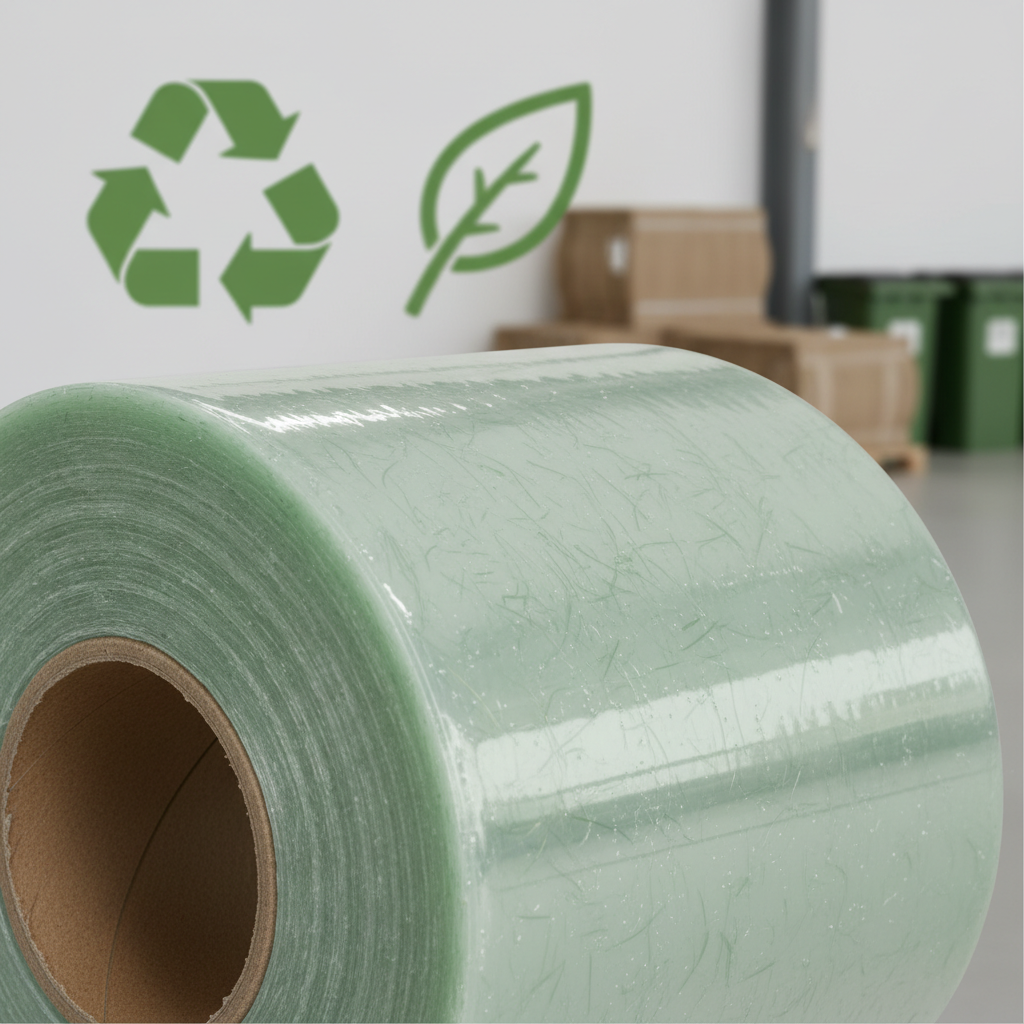
A close-up shot of a roll of “green” or eco-friendly machine stretch wrap, highlighting its composition and texture, with a subtle background suggesting a recycling or environmentally conscious setting.
Conclusion
Machine stretch wrap is an indispensable tool for businesses looking to optimize their packaging processes, reduce costs, and improve load stability. By understanding the different types of films, choosing the right film for your specific needs, and following proper application techniques, you can maximize the benefits of machine stretch wrap and ensure your products arrive safely and securely. As technology advances and sustainability becomes increasingly important, machine stretch wrap will continue to evolve, offering even greater efficiency and environmental responsibility.