Efficient and effective watering is the cornerstone of a thriving garden, lush landscape, or productive agricultural operation. At the heart of many successful irrigation systems lies the humble, yet powerful, irrigation tubing rolls. These rolls provide the lifeblood of your plants, delivering water directly to the roots, minimizing waste, and promoting healthy growth. This comprehensive guide will delve into the world of irrigation tubing rolls, exploring the various types, sizes, materials, installation techniques, and maintenance tips you need to know to optimize your watering system and achieve exceptional results.
Whether you’re a seasoned gardener, a professional landscaper, or an agricultural expert, understanding the nuances of irrigation tubing rolls is essential for maximizing water efficiency, reducing costs, and ensuring the long-term health of your plants. Let’s embark on this journey to unlock the full potential of your irrigation system.
Understanding the Basics of Irrigation Tubing Rolls
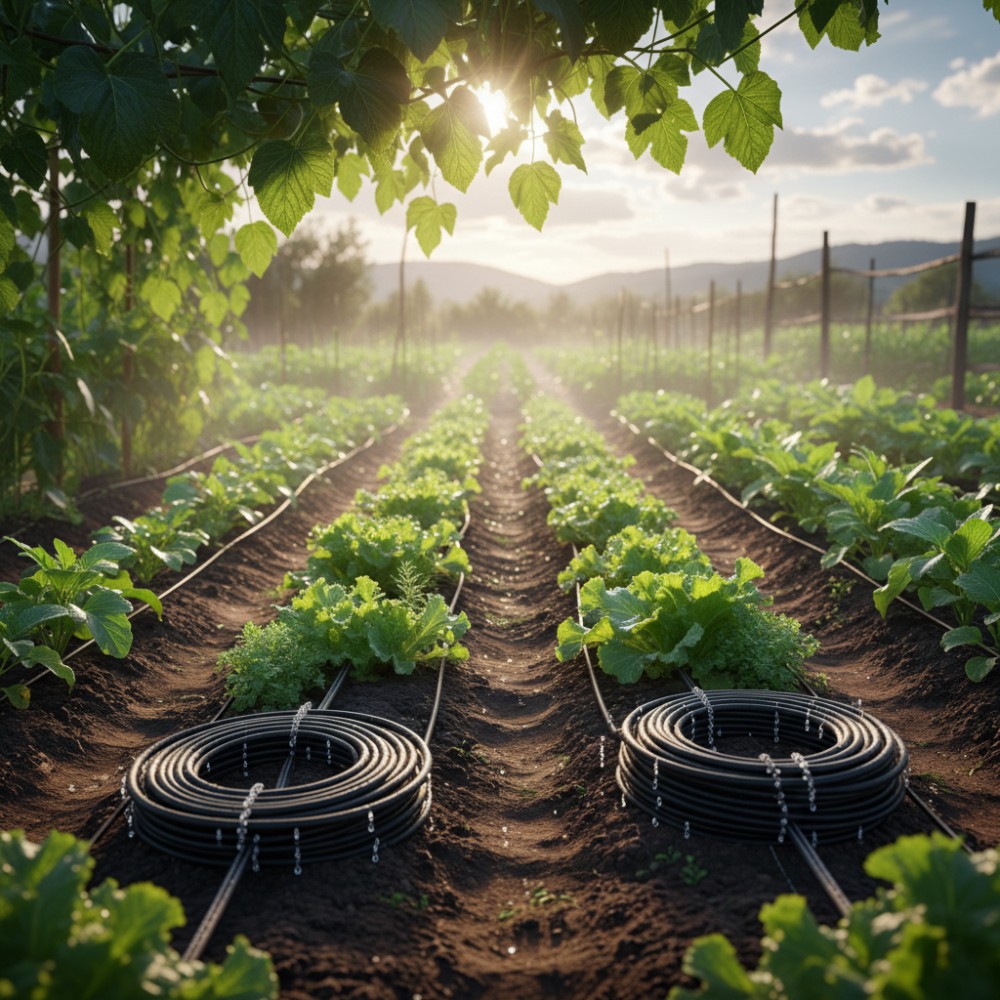
Irrigation tubing rolls are flexible pipes designed to transport water from a source to the plants in your garden, field, or landscape. They are the backbone of drip irrigation and micro-sprinkler systems, offering a targeted and efficient way to deliver water precisely where it’s needed. Unlike traditional sprinkler systems that spray water into the air, drip irrigation minimizes water loss through evaporation and runoff, making it a sustainable and cost-effective choice.
Types of Irrigation Tubing Rolls
Several types of irrigation tubing rolls are available, each with its own set of characteristics and applications. Understanding these differences is crucial for selecting the right tubing for your specific needs:
- Polyethylene (PE) Tubing: This is the most common type of irrigation tubing, known for its flexibility, durability, and resistance to UV degradation. PE tubing is available in various sizes and thicknesses, making it suitable for a wide range of applications.
- Linear Low-Density Polyethylene (LLDPE) Tubing: LLDPE tubing offers increased flexibility and tear resistance compared to standard PE tubing. This makes it a good choice for installations where the tubing may be subjected to stress or abrasion.
- PVC Tubing: While less flexible than PE tubing, PVC tubing is more rigid and can withstand higher pressures. It’s often used for main water lines and underground installations.
- Drip Tape: Drip tape is a thin-walled tubing with pre-installed emitters spaced at regular intervals. It’s commonly used in row crops and vegetable gardens for uniform watering.
- Micro-Sprinkler Tubing: This type of tubing is designed to connect to micro-sprinklers, which provide a wider coverage area than drip emitters.
Choosing the Right Size and Thickness
Selecting the correct size and thickness of irrigation tubing rolls is critical for optimal performance. The size of the tubing determines the flow rate, while the thickness affects its pressure rating and durability.
- Diameter: Tubing diameter is typically measured in inches. Common sizes include 1/4 inch, 1/2 inch, 3/4 inch, and 1 inch. The appropriate size depends on the length of the tubing run, the number of emitters or sprinklers connected to it, and the water pressure available.
- Wall Thickness: Tubing thickness is usually measured in mils (thousandths of an inch). Thicker tubing can withstand higher pressures and is more resistant to punctures and tears. Consider the environmental conditions and potential hazards when choosing the wall thickness.
Content Gap Addressed: Detailed guides on choosing the right tubing size and material for specific plant types and garden layouts are often missing from competitor websites. Different plants have different water requirements, and the layout of your garden can influence the optimal tubing size and emitter spacing.
Understanding Pressure Ratings
The pressure rating of irrigation tubing rolls indicates the maximum water pressure the tubing can safely handle. Exceeding the pressure rating can lead to leaks, bursts, and system failure. Always choose tubing with a pressure rating that exceeds the maximum pressure in your irrigation system.
Content Gap Addressed: Comprehensive information on tubing pressure ratings and their impact on irrigation system performance is often overlooked. Understanding how pressure affects flow rates and emitter performance is crucial for designing an efficient irrigation system.
Installation Techniques for Irrigation Tubing Rolls
Proper installation is essential for ensuring the longevity and efficiency of your irrigation system. Here are some key steps to follow:
- Plan Your Layout: Before you start, carefully plan the layout of your irrigation system. Consider the location of your water source, the types of plants you’ll be watering, and the terrain.
- Prepare the Soil: Clear the area where you’ll be laying the tubing of any rocks, debris, or sharp objects that could damage it.
- Connect to Water Source: Connect the tubing to your water source using appropriate fittings, such as backflow preventers, pressure regulators, and filters.
- Lay the Tubing: Unroll the tubing and lay it along your planned route. Secure it to the ground using stakes or ground staples to prevent it from moving.
- Install Emitters or Sprinklers: Install emitters or micro-sprinklers at the desired locations, using appropriate connectors.
- Flush the System: Before turning on the water, flush the system to remove any debris or contaminants that may have entered the tubing during installation.
- Test and Adjust: Turn on the water and check for leaks or other problems. Adjust the emitters or sprinklers as needed to ensure that all plants are receiving adequate water.
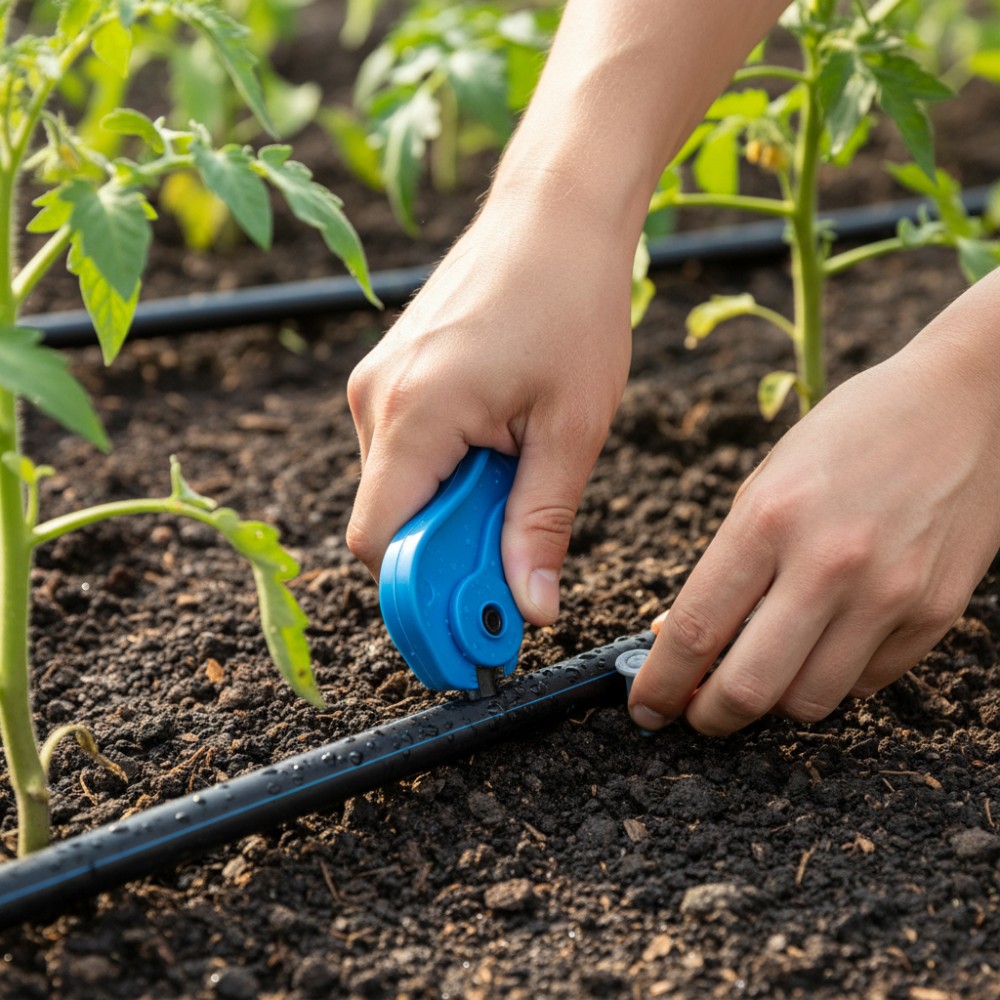
Content Gap Addressed: Tutorials and videos demonstrating proper tubing installation techniques for various scenarios are often lacking. Visual aids can significantly improve understanding and reduce installation errors.
Maintenance and Troubleshooting
Regular maintenance is essential for keeping your irrigation system in good working order. Here are some tips:
- Inspect Regularly: Check the tubing for leaks, cracks, or other damage. Repair or replace damaged sections as needed.
- Clean Emitters: Emitters can become clogged with mineral deposits or debris. Clean them regularly using a small brush or a solution of vinegar and water.
- Flush the System: Periodically flush the system to remove any accumulated sediment or algae.
- Winterize: In cold climates, winterize your irrigation system by draining the tubing and protecting it from freezing temperatures.
Common Problems and Solutions
- Leaks: Leaks can occur at connections or in the tubing itself. Tighten connections or replace damaged sections.
- Clogs: Clogs can restrict water flow and prevent emitters from working properly. Clean or replace clogged emitters.
- Low Pressure: Low pressure can be caused by a variety of factors, including a clogged filter, a kinked hose, or a low water supply. Identify and correct the cause of the problem.
Content Gap Addressed: Troubleshooting guides for common tubing problems like leaks and clogs are essential for users. Providing step-by-step solutions can save time and money.
Choosing the Right Irrigation Tubing Rolls for Your Needs
Selecting the appropriate irrigation tubing rolls depends on several factors, including the type of plants you’re growing, the size of your garden, the water pressure available, and your budget. Consider the following when making your decision:
- Plant Type: Different plants have different water requirements. Choose tubing and emitters that are appropriate for the specific needs of your plants.
- Garden Size: The size of your garden will determine the length of tubing you need. Measure your garden carefully and purchase enough tubing to cover the entire area.
- Water Pressure: Ensure that the tubing you choose has a pressure rating that is compatible with your water supply.
- Budget: Irrigation tubing rolls are available at a wide range of prices. Set a budget and choose tubing that meets your needs without breaking the bank.
[IMAGE_PROMPT: A split image showing two different types of irrigation tubing rolls: one made of black polyethylene and the other made of clear PVC. Labels clearly indicate the material and specifications of each type.]
Sustainable Irrigation Practices
Using irrigation tubing rolls is inherently more sustainable than traditional sprinkler systems due to reduced water waste. However, there are additional steps you can take to further enhance the sustainability of your irrigation practices:
- Water Conservation: Use timers and sensors to automate your irrigation system and prevent overwatering.
- Rainwater Harvesting: Collect rainwater and use it to irrigate your garden.
- Mulching: Apply mulch around your plants to help retain moisture in the soil.
- Soil Health: Improve soil health by adding organic matter, which will help the soil retain water and nutrients.
Content Gap Addressed: Content on sustainable irrigation practices using tubing (e.g., water conservation tips) is often missing. Highlighting the environmental benefits of drip irrigation can attract environmentally conscious customers.
Conclusion
Irrigation tubing rolls are an indispensable component of efficient and effective watering systems. By understanding the different types, sizes, materials, installation techniques, and maintenance tips outlined in this guide, you can optimize your irrigation system, conserve water, and promote the healthy growth of your plants. Whether you’re a seasoned gardener or a novice, investing in high-quality irrigation tubing rolls is a smart choice that will pay dividends in the long run. Take the time to assess your specific needs, choose the right tubing for the job, and follow proper installation and maintenance procedures to reap the full benefits of drip irrigation.