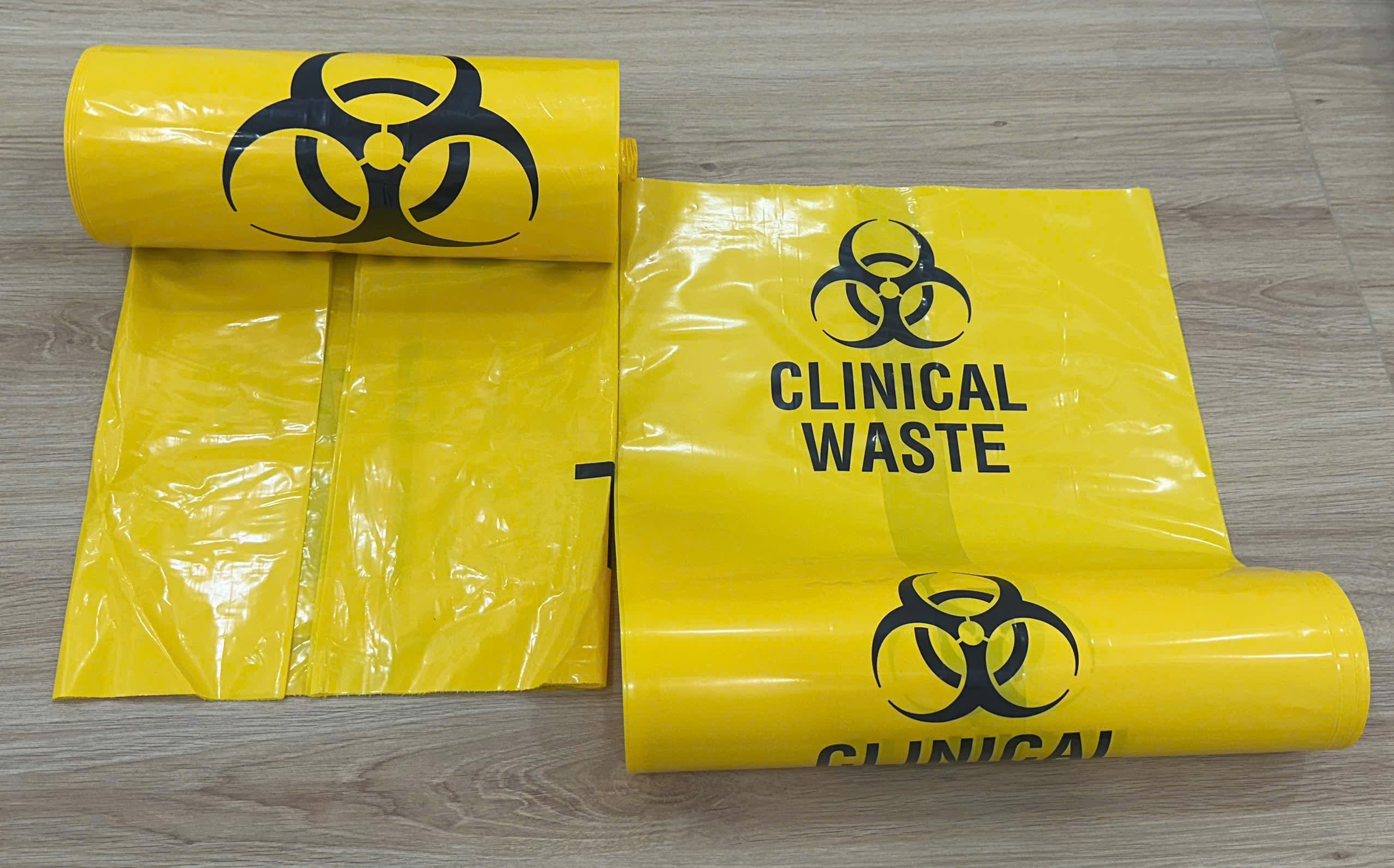
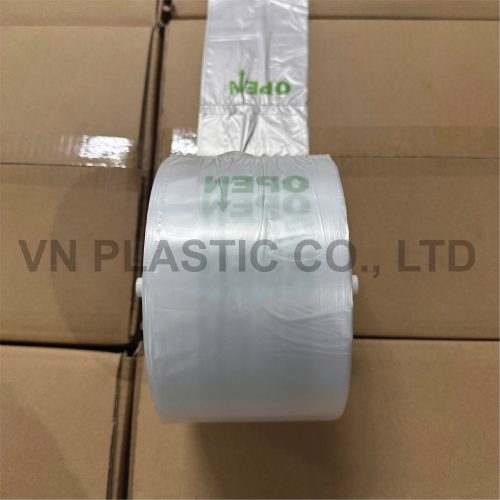
In today’s fast‑moving world, the plastic bag liner has become an essential component for households, businesses, and industries alike. Whether you’re looking to protect your trash cans, keep food fresh, or safeguard delicate items during transport, understanding the different types of plastic bag liners, their benefits, and best practices can save you time, money, and environmental impact. This comprehensive guide explores everything you need to know about plastic bag liners, from material choices and sizing to sustainability tips and common FAQs.
Table of Contents
- What Is a Plastic Bag Liner?
- Types of Plastic Bag Liners
- Choosing the Right Size and Thickness
- Key Applications and Use Cases
- Environmental Considerations and Recycling
- Maintenance, Storage, and Proper Disposal
- Frequently Asked Questions
What Is a Plastic Bag Liner?
A plastic bag liner is a flexible, impermeable bag designed to line containers such as trash cans, compost bins, or storage boxes. Made primarily from polyethylene (PE) or polypropylene (PP), these liners act as a barrier that prevents leaks, odors, and contamination while simplifying waste removal.
Types of Plastic Bag Liners
Choosing the correct plastic bag liner depends on material, thickness, and special features. Below are the most common categories:
- Low‑Density Polyethylene (LDPE) Liners: Flexible, lightweight, and ideal for short‑term use in residential trash cans.
- High‑Density Polyethylene (HDPE) Liners: Stronger and more puncture‑resistant, perfect for industrial waste or heavy debris.
- Linear Low‑Density Polyethylene (LLDPE) Liners: Offers excellent stretch and tear resistance, suitable for food‑service and high‑volume applications.
- Biodegradable Plastic Bag Liners: Contain additives that accelerate breakdown under specific conditions, aimed at reducing landfill impact.
- Reinforced or Multi‑Layer Liners: Combine layers of PE with additives for extra strength, often used in construction waste management.
Choosing the Right Size and Thickness
The effectiveness of a plastic bag liner hinges on proper sizing and thickness. Follow these guidelines to ensure a perfect fit:
- Measure the container’s circumference and height before purchasing.
- Match the liner’s width to the container’s opening, allowing a few extra inches for easy placement.
- Select thickness (mil) based on load:
- 1.5 – 2 mil for light household waste.
- 3 – 4 mil for commercial kitchens or garden debris.
- 5 mil + for heavy industrial waste.
- Check for drawstring or twist‑tie closures if you need added security against spills.
Key Applications and Use Cases
The versatility of plastic bag liners makes them indispensable across many sectors. Below are detailed use cases that illustrate their value.
Residential Waste Management
Most households rely on 13‑gallon or 30‑gallon plastic bag liners to contain everyday trash. Benefits include:
- Leak‑proof containment of liquid waste.
- Odor reduction through sealed closures.
- Easy removal without splatter.
Commercial Kitchen Operations
Restaurants and catering services use heavy‑duty plastic bag liners to line trash cans and grease traps. Features to look for:
- Heat‑resistant LLDPE material.
- Reinforced seams to handle sharp containers.
- Compliance with local health codes.
Construction and Demolition Sites
Construction crews need robust plastic bag liners for debris removal. Multi‑layer HDPE liners with puncture resistance are preferred for:
- Sharp objects like nails and metal fragments.
- Heavy loads of concrete or wood waste.
- Compliance with site safety regulations.
Agricultural and Garden Use
Gardeners often use biodegradable plastic bag liners for compost bins, allowing organic material to break down while containing moisture.
Environmental Considerations and Recycling
While plastic bag liners offer convenience, their environmental impact must be managed responsibly.
Recycling Options
- Check local recycling programs for HDPE and LDPE acceptance.
- Rinse liners to remove food residue before recycling.
- Separate biodegradable liners from conventional plastics.
Reducing Plastic Waste
Adopt these practices to minimize reliance on single‑use plastic bag liners:
- Use reusable canvas or compostable bags for dry waste.
- Implement waste segregation to reduce volume.
- Select thicker, high‑capacity liners to decrease the number of bags used.
Emerging Sustainable Alternatives
Innovations such as plant‑based polymers and oxo‑degradable additives are entering the market, offering new options for eco‑conscious consumers.
Maintenance, Storage, and Proper Disposal
Proper handling of plastic bag liners extends their lifespan and ensures safety.
- Storage: Keep liners in a cool, dry place away from direct sunlight to prevent brittleness.
- Inspection: Before use, check for tears or holes that could cause leaks.
- Disposal: Tie the liner securely, place it in the appropriate waste stream, and follow local regulations for plastic disposal.
Frequently Asked Questions
- What thickness is best for a 30‑gallon kitchen trash can? A 3‑mil HDPE or LLDPE liner provides a good balance of strength and flexibility for typical kitchen waste.
- Can I reuse a plastic bag liner? While technically possible, reuse can lead to tears and contamination; it is generally recommended to use a fresh liner for each disposal cycle.
- Are biodegradable plastic bag liners truly compostable? Yes, when placed in industrial composting facilities that meet temperature and moisture requirements, they break down within 90‑180 days.
- How do I prevent odors with a plastic bag liner? Choose liners with odor‑blocking additives or use scented trash bags inside the liner for added freshness.
- Do plastic bag liners affect recycling rates? Improperly disposed liners can contaminate recycling streams; always rinse and sort according to local guidelines.
Conclusion
The plastic bag liner remains a cornerstone of modern waste management, offering durability, convenience, and versatility across residential, commercial, and industrial settings. By selecting the appropriate material, size, and thickness, and by adopting responsible recycling and disposal practices, you can maximize the benefits of plastic bag liners while minimizing environmental impact. Whether you’re outfitting a household kitchen, a bustling restaurant, or a construction site, the right plastic bag liner makes cleanup effortless and efficient.