Plastic bag recycling is the process of collecting, cleaning, and re‑processing used plastic bags into new products, reducing landfill waste and conserving resources. For anyone wondering how to turn everyday grocery bags, refuse sacks, or hazardous plastic garbage into valuable material, this guide explains the steps, benefits, and practical tips you need to start recycling plastic bags today. By following the best practices outlined here, businesses like VNPLAST can integrate recycled plastic into products such as Hand Stretch Film, Die Cut Bag Plastic, and Block Header Plastic Bags, while households can ensure their bags don’t end up in the environment.
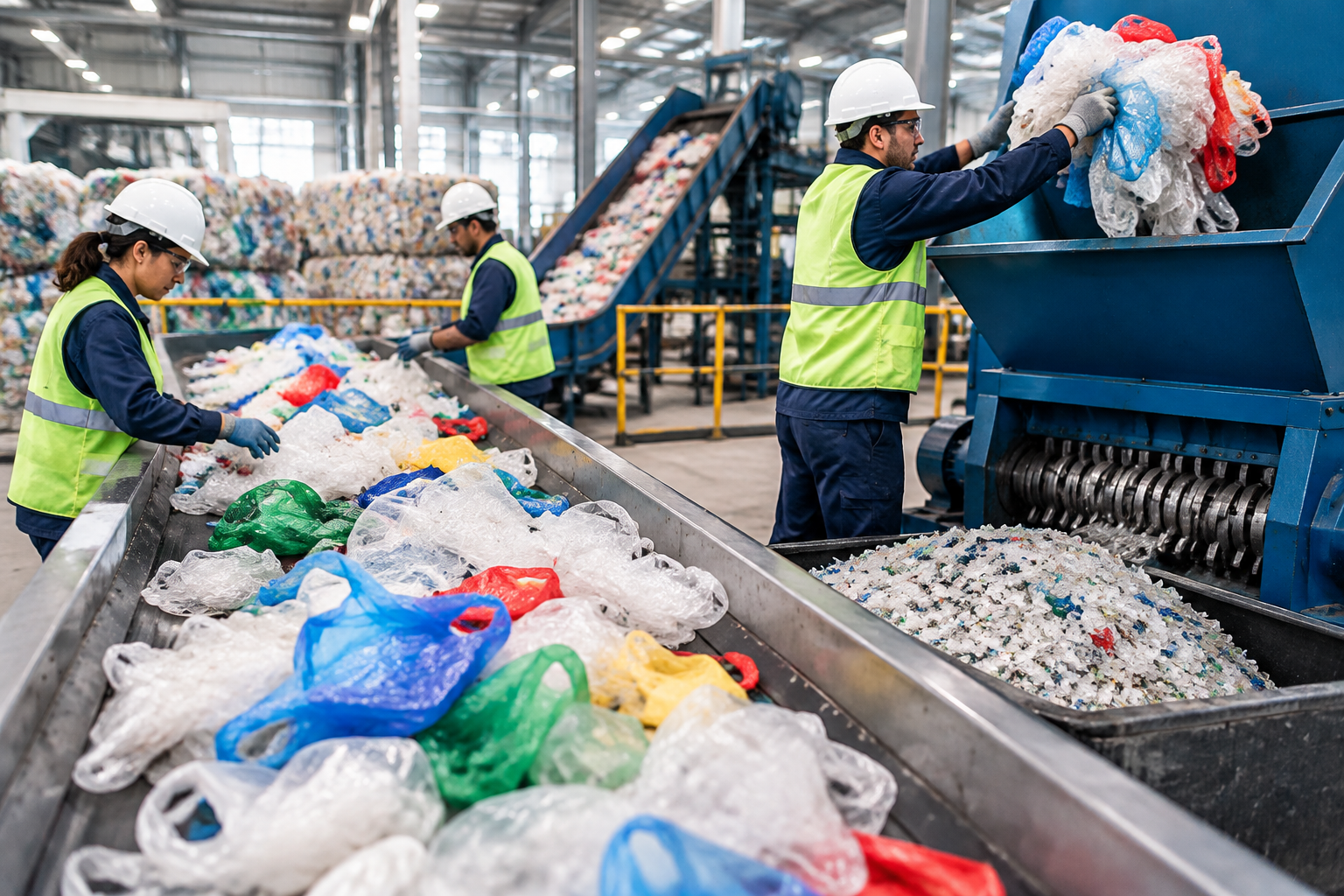
a modern recycling facility with conveyor belts sorting clear and colored plastic grocery bags, workers in safety gear loading bags into sh…
Why Plastic Bag Recycling Matters
Environmental impact: Traditional plastic bags can take up to 1,000 years to decompose, releasing micro‑plastics into soil and waterways. Recycling cuts greenhouse‑gas emissions by up to 70% compared to virgin plastic production.
Economic advantage: Recycled plastic bag material can be sold at a premium to manufacturers who need low‑cost, high‑quality feedstock for products like Hand Stretch Film and Food Plastic Bags.
Regulatory compliance: Many regions now require businesses to separate plastic bag waste, and failure to comply can result in fines.
How Plastic Bag Recycling Works – Step by Step
1. Collection
- Set up dedicated plastic bag drop‑off points at retail locations, offices, or community centers.
- Use clear signage that distinguishes between clean bags (e.g., grocery bags) and contaminated bags (e.g., hazardous plastic garbage).
- Encourage consumers to rinse out food residues to improve material quality.
2. Sorting
- Separate bags by polymer type—most grocery bags are made from low‑density polyethylene (LDPE), while some specialty bags use high‑density polyethylene (HDPE) or polypropylene (PP).
- Remove non‑plastic contaminants such as paper receipts, metal ties, or fabric handles.
- Automated optical sorters can increase accuracy, but manual inspection remains essential for mixed‑use bags like refuse sack plastic bags.
3. Cleaning and Drying
- Wash bags in hot water with mild detergent to eliminate oils and food particles.
- Rinse thoroughly and spin‑dry to reduce moisture, which can affect shredding efficiency.
4. Shredding and Granulation
- Shredders cut bags into uniform strips, typically 5‑10 mm wide.
- Granulators further reduce the strips into fine pellets suitable for extrusion.
5. Extrusion and Re‑formation
- Pellets are melted and extruded into new film, sheet, or molded parts.
- Common end‑products include Hand Stretch Film, Die Cut Bag Plastic, and Block Header Plastic Bag for packaging applications.
Key Decision Factors for Choosing a Recycling Partner
When selecting a recycler, evaluate the following criteria to ensure high‑quality output and reliable service:
- Polymer compatibility: Verify that the recycler can handle the specific polymer mix of your bags (LDPE, HDPE, PP).
- Contamination tolerance: Some facilities accept slightly soiled bags, while others require pristine material.
- Certification and traceability: Look for ISO 14001 environmental management and documented chain‑of‑custody reports.
- Minimum volume requirements: Smaller businesses may need a recycler with flexible intake limits.
- End‑use capabilities: If you plan to produce Hand Stretch Film or Hazardous Plastic Garbage containers, choose a partner with proven extrusion lines for those products.
Practical Checklist for Setting Up a Plastic Bag Recycling Program
- Identify high‑traffic collection points (e.g., store entrances, employee break rooms).
- Purchase or fabricate sturdy collection bins labeled for clean plastic bags only.
- Train staff on proper bag preparation (empty, rinse, flatten).
- Partner with a certified recycler that accepts your bag types.
- Schedule regular pick‑ups to avoid overflow.
- Track weight or volume of bags collected to measure impact.
- Promote the program through signage, newsletters, and social media.
- Audit the process quarterly for contamination rates and adjust guidelines.
Real‑World Use Cases
Case Study: VNPLAST Converts Grocery Bags into Hand Stretch Film
VNPLAST partnered with a regional recycler that accepts up to 5 tonnes of clean LDPE grocery bags per month. After shredding and extrusion, the recycled resin is blended with 20% virgin polymer to meet tensile‑strength specifications for Hand Stretch Film. The result is a product that reduces raw material costs by 15% while achieving a 30% lower carbon footprint.
Case Study: Retail Chain Reduces Hazardous Plastic Garbage
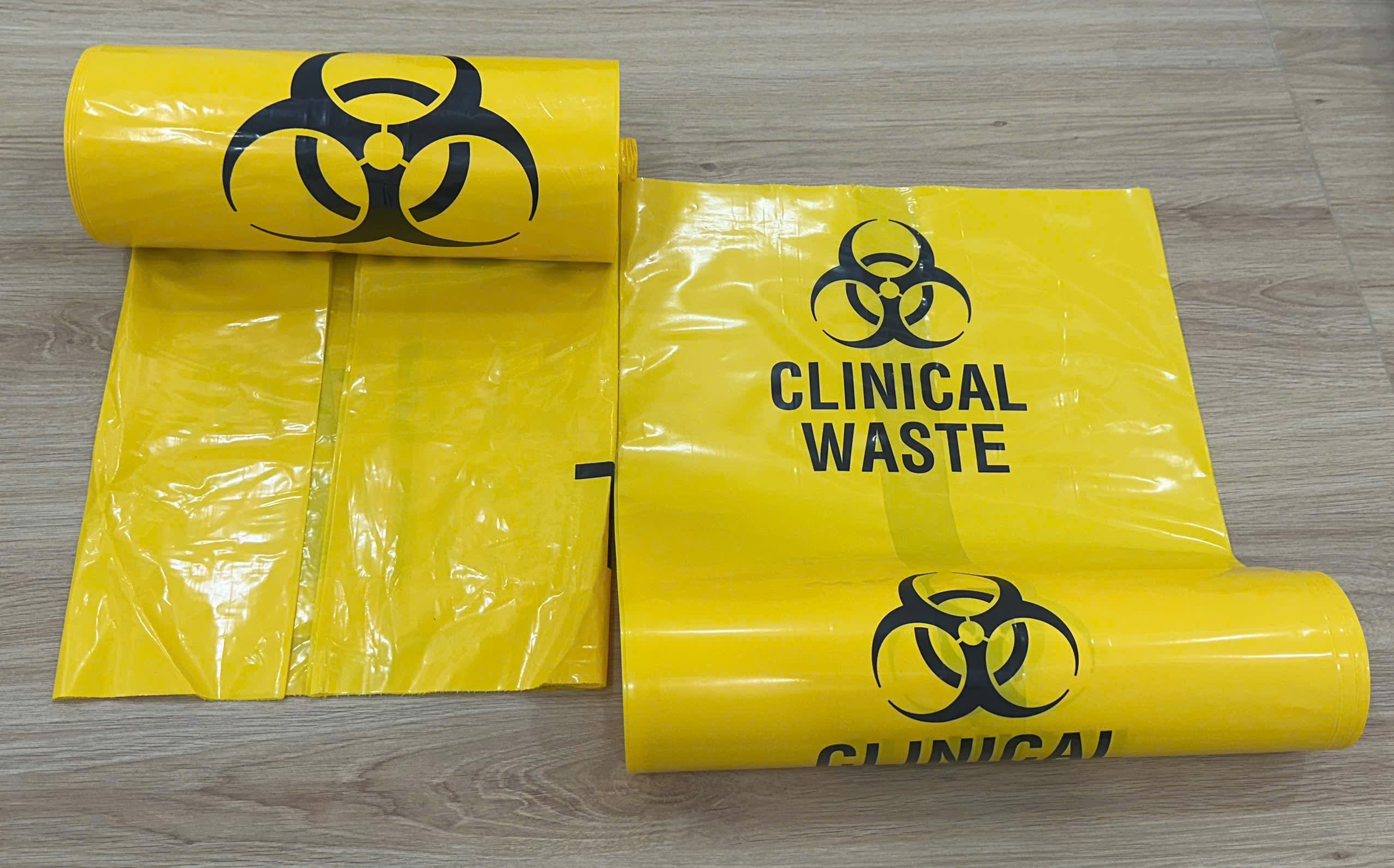
A national retailer introduced a separate bin for hazardous plastic garbage such as broken shrink wrap and contaminated refuse sack plastic bags. By routing these to a specialist recycler with high‑temperature processing, the retailer avoided landfill fees and earned a recycling credit that offset 12% of its annual waste disposal budget.
Pros and Cons of Plastic Bag Recycling
- Pros:
- Reduces landfill volume and marine pollution.
- Lowers demand for virgin petroleum‑based plastic.
- Creates a circular economy loop for packaging manufacturers.
- Potential cost savings for businesses that sell recycled‑content products.
- Cons:
- Collection and sorting can be labor‑intensive.
- Contamination reduces material quality and may increase processing costs.
- Not all recycling facilities accept all bag types (e.g., heavily soiled or multi‑layer bags).
- Initial investment in bins and staff training is required.
Frequently Asked Questions
Can I recycle any type of plastic bag?
Most recycling programs accept bags made from LDPE and HDPE. Bags with metal handles, excessive contamination, or multi‑layer films (such as some food‑grade bags) often need special handling or are not accepted.
How many times can a plastic bag be recycled?
Plastic bags can typically be recycled 2‑3 times before the polymer degrades and loses mechanical strength, making it unsuitable for high‑performance applications like Hand Stretch Film.
What should I do with dirty or contaminated bags?
Rinse out food residue, dry the bag, and flatten it. If the bag is heavily soiled (e.g., oily grease), consider using a dedicated collection for hazardous plastic garbage, which some recyclers process separately.
Is recycled plastic bag material safe for food packaging?
When the recycler follows strict food‑grade standards and the material is re‑extruded under controlled conditions, recycled LDPE can meet FDA or EU food‑contact regulations, making it suitable for Food Plastic Bags.
How can I measure the environmental impact of my recycling program?
Track the weight of bags collected, calculate the avoided virgin plastic production using conversion factors (e.g., 1 kg of recycled LDPE saves ~2.5 kg of CO₂), and report these metrics in sustainability reports.
Conclusion
Implementing a robust plastic bag recycling system delivers tangible environmental, economic, and regulatory benefits. By understanding the collection, sorting, and processing steps, choosing the right recycling partner, and applying best‑practice checklists, businesses like VNPLAST can turn everyday plastic waste into high‑value products such as Hand Stretch Film, Die Cut Bag Plastic, and Block Header Plastic Bags. Consumers also play a crucial role by cleaning and properly separating bags. Together, these actions close the loop on plastic bag use, reduce landfill pressure, and support a sustainable circular economy.