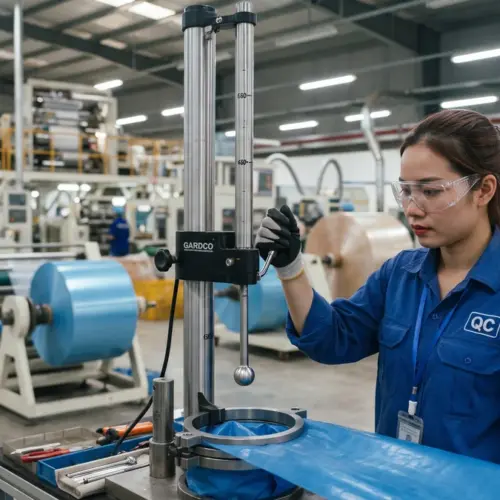
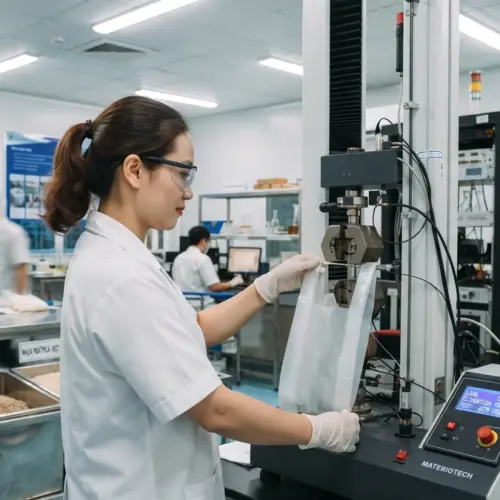
When you search for plastic bag roll liner wholesale, you expect a clear answer on where to source high‑quality liners at the best price. This guide explains everything a bulk buyer needs to know—from material grades and sizing options to cost‑saving strategies and compliance considerations—so you can make an informed decision and keep your supply chain running smoothly.
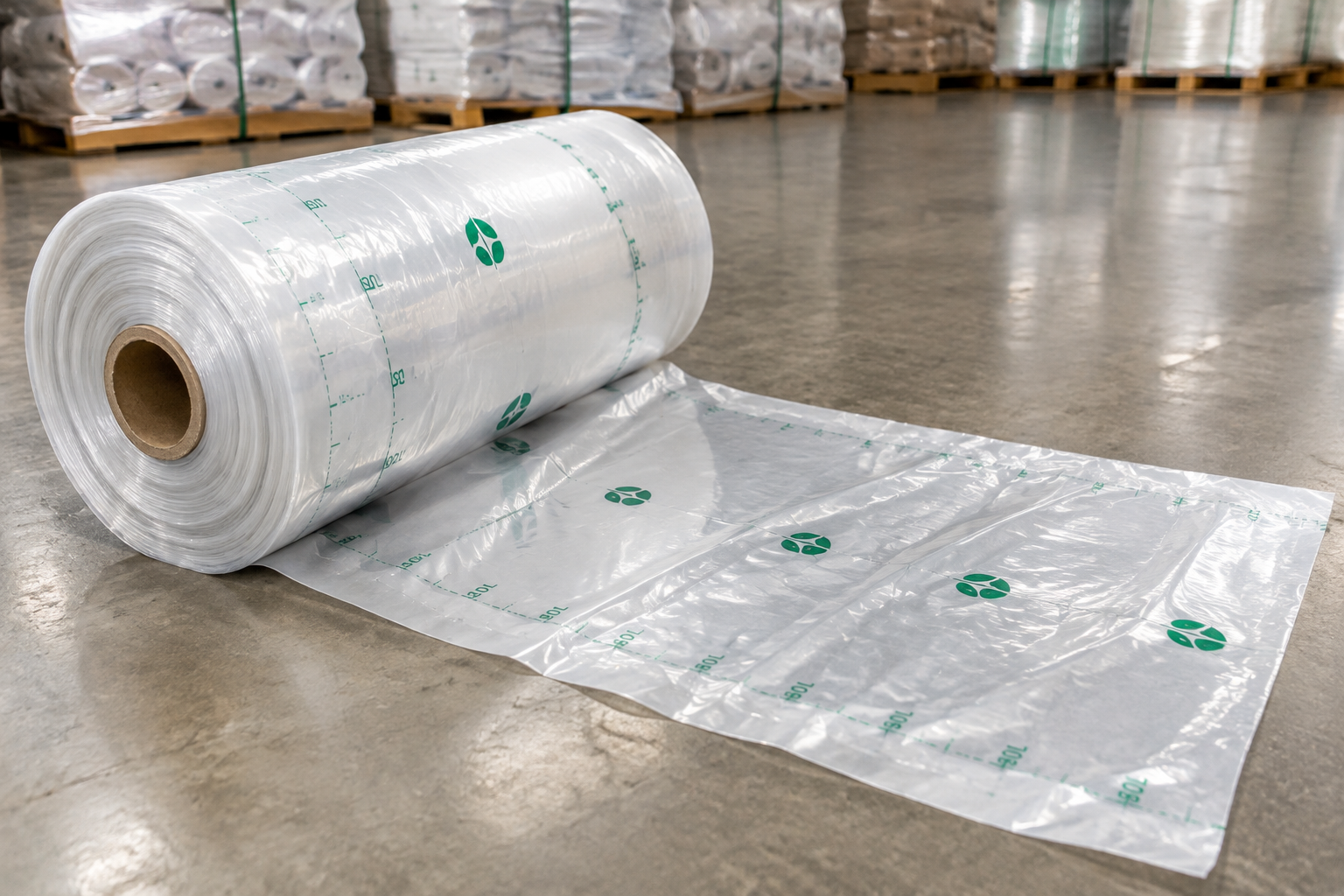
A close‑up view of a large roll of transparent plastic bag liners unrolled on a warehouse floor, showing the smooth surface, printed brandi…
Understanding Plastic Bag Roll Liners
Plastic bag roll liners are continuous rolls of thin, flexible film that can be cut to size for a variety of applications, such as waste collection, food packaging, and industrial containment. The most common polymers include low‑density polyethylene (LDPE) and high‑density polyethylene (HDPE), each offering distinct performance traits.
Key Material Differences
- LDPE liners – flexible, puncture‑resistant, ideal for irregular shapes and heavy loads.
- HDPE liners – stiffer, higher tensile strength, best for sharp‑edge waste and outdoor use.
- Recycled‑content liners – incorporate post‑consumer plastic, reducing environmental impact while meeting many regulatory standards.
Why Buy Plastic Bag Roll Liner Wholesale?
Purchasing in bulk delivers measurable advantages that directly affect your bottom line.
Cost Efficiency
- Unit price drops 15‑30 % compared with retail packs.
- Reduced shipping frequency lowers logistics overhead.
- Bulk orders often qualify for tiered discounts and flexible payment terms.
Supply Reliability
- Consistent inventory prevents production downtime.
- Wholesale contracts can include guaranteed lead times and buffer stock.
- Vendors like VNPLAST provide dedicated account managers for quick issue resolution.
Choosing the Right Specification
Match the liner to the intended use by evaluating the following criteria.
Thickness (Gauge)
- 2‑3 mil – suitable for light household refuse.
- 4‑6 mil – standard for commercial waste and food‑service bags.
- 8‑10 mil – required for hazardous waste, sharp debris, or heavy industrial loads.
Width and Length
- Standard widths: 12″, 18″, 24″, 36″.
- Custom lengths up to 2,000 ft per roll are available for high‑volume users.
- Consider roll diameter; larger diameters reduce change‑over time on equipment.
Color and Printing
- Clear – versatile, cost‑effective, ideal for general waste.
- Colored (blue, green, red) – aids segregation and compliance with local recycling rules.
- Custom logos or safety symbols – improve brand visibility and meet regulatory labeling.
Decision Checklist for Wholesale Purchases
Use this checklist to verify that you have covered all critical factors before placing an order.
- Material type: LDPE, HDPE, or recycled blend?
- Thickness: Minimum gauge required for your load?
- Width & length: Does it fit your equipment and storage?
- Color/printing: Needed for segregation or branding?
- Compliance: Meets local waste‑handling and food‑contact regulations?
- Supplier reliability: Track record, certifications, and customer support?
- Pricing structure: Unit cost, discounts, and payment terms?
- Logistics: Lead time, freight options, and roll handling equipment?
Real‑World Use Cases
Understanding how different industries employ plastic bag roll liners helps you align product specs with operational needs.
Municipal Waste Management
City departments often choose 6 mil HDPE liners in a 24‑inch width to handle mixed refuse. The added strength prevents tears when collecting bulky items like broken furniture.
Food Service and Catering
Restaurants rely on 4 mil clear liners with a food‑grade certification. The transparency lets staff verify contents, while the thin gauge reduces waste disposal costs.
Industrial Hazardous Waste
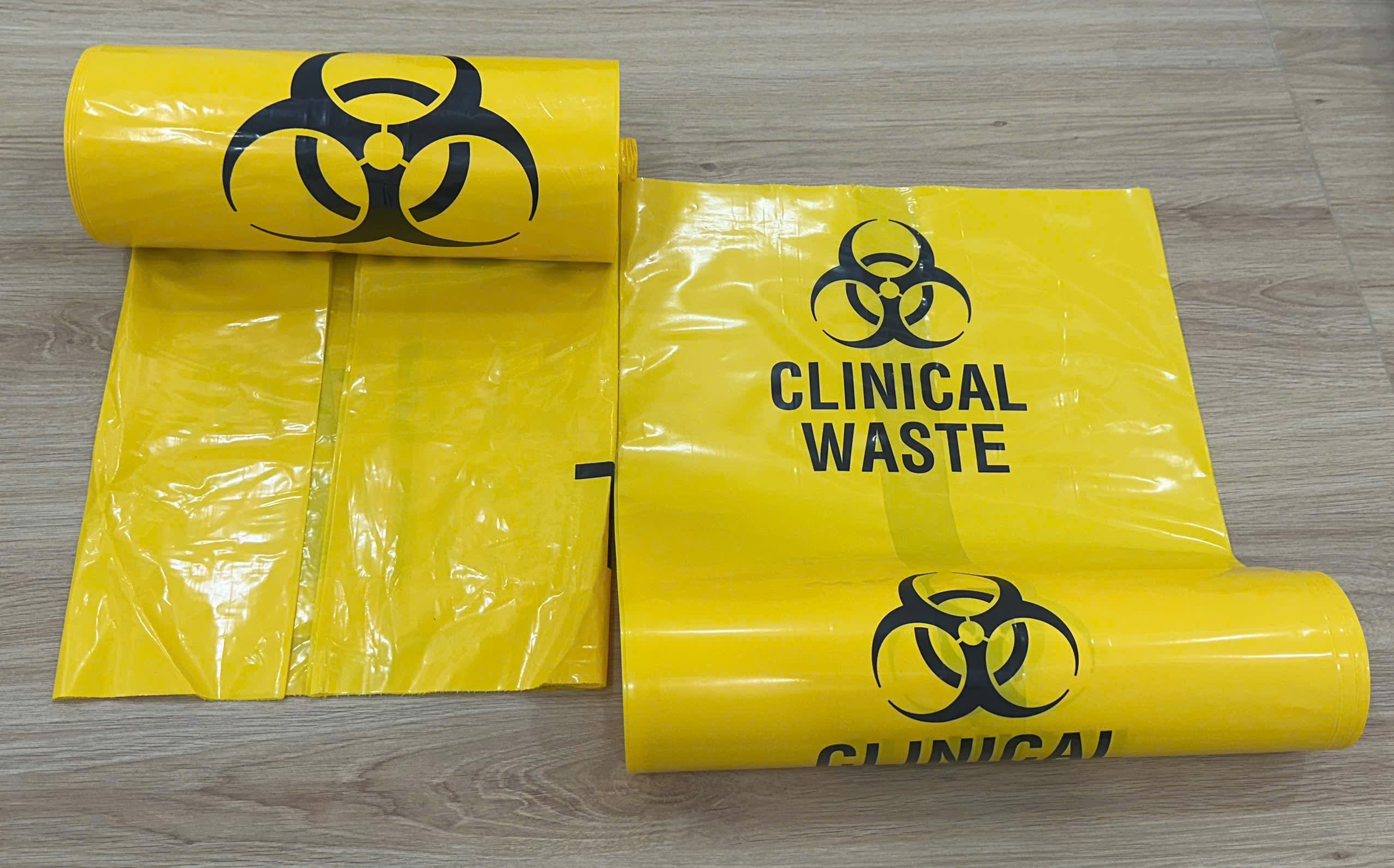
Facilities handling chemicals opt for 8‑10 mil reinforced liners with a red color code. These liners meet OSHA hazardous waste containment standards and resist puncture from sharp containers.
Pros and Cons of Wholesale vs. Retail Purchasing
- Pros
- Lower per‑unit cost.
- Custom sizing and branding options.
- Priority production scheduling.
- Cons
- Higher upfront inventory investment.
- Need for adequate storage space.
- Potential over‑stock if demand forecasts are inaccurate.
How to Source Plastic Bag Roll Liner Wholesale from VNPLAST
VNPLAST offers a streamlined procurement process tailored for bulk buyers.
- Request a Quote – Provide roll dimensions, material preference, and desired quantity.
- Review Sample – Receive a short roll to verify thickness, clarity, and printing quality.
- Finalize Order – Confirm pricing, lead time, and shipping method.
- Set Up Account – Access volume‑based discounts, credit terms, and order tracking.
- Receive and Inspect – Check roll integrity and documentation before storage.
Frequently Asked Questions
What is the minimum order quantity for plastic bag roll liner wholesale?
Most suppliers, including VNPLAST, start at 5,000 ft of film per roll, but custom programs can accommodate smaller pilot orders for testing.
Are wholesale liners compatible with standard bag‑making machines?
Yes. Standard widths (12–36 in) fit most automatic bag sealers and manual cutting tools. Verify your machine’s maximum roll diameter before ordering.
Can I get recycled‑content liners that meet food‑contact regulations?
Recycled LDPE liners with a certified food‑grade coating are available. Ensure the supplier provides FDA‑compliant documentation.
How do I calculate the cost savings of buying wholesale?
Compare the per‑foot price of a wholesale roll against the per‑bag price of retail packs. Factor in reduced shipping frequency and lower handling labor to see total savings.
What certifications should I look for?
For waste applications, look for ISO 9001 quality management and local environmental compliance. For food use, FDA or EU food‑contact approval is essential.
Conclusion
Choosing the right plastic bag roll liner wholesale solution hinges on material selection, thickness, width, and compliance with industry standards. By leveraging VNPLAST’s bulk ordering program, you gain cost advantages, reliable supply, and the flexibility to customize liners for municipal, food‑service, or hazardous‑waste applications. Use the checklist and comparison points in this guide to evaluate your needs, request samples, and secure a partnership that scales with your business.