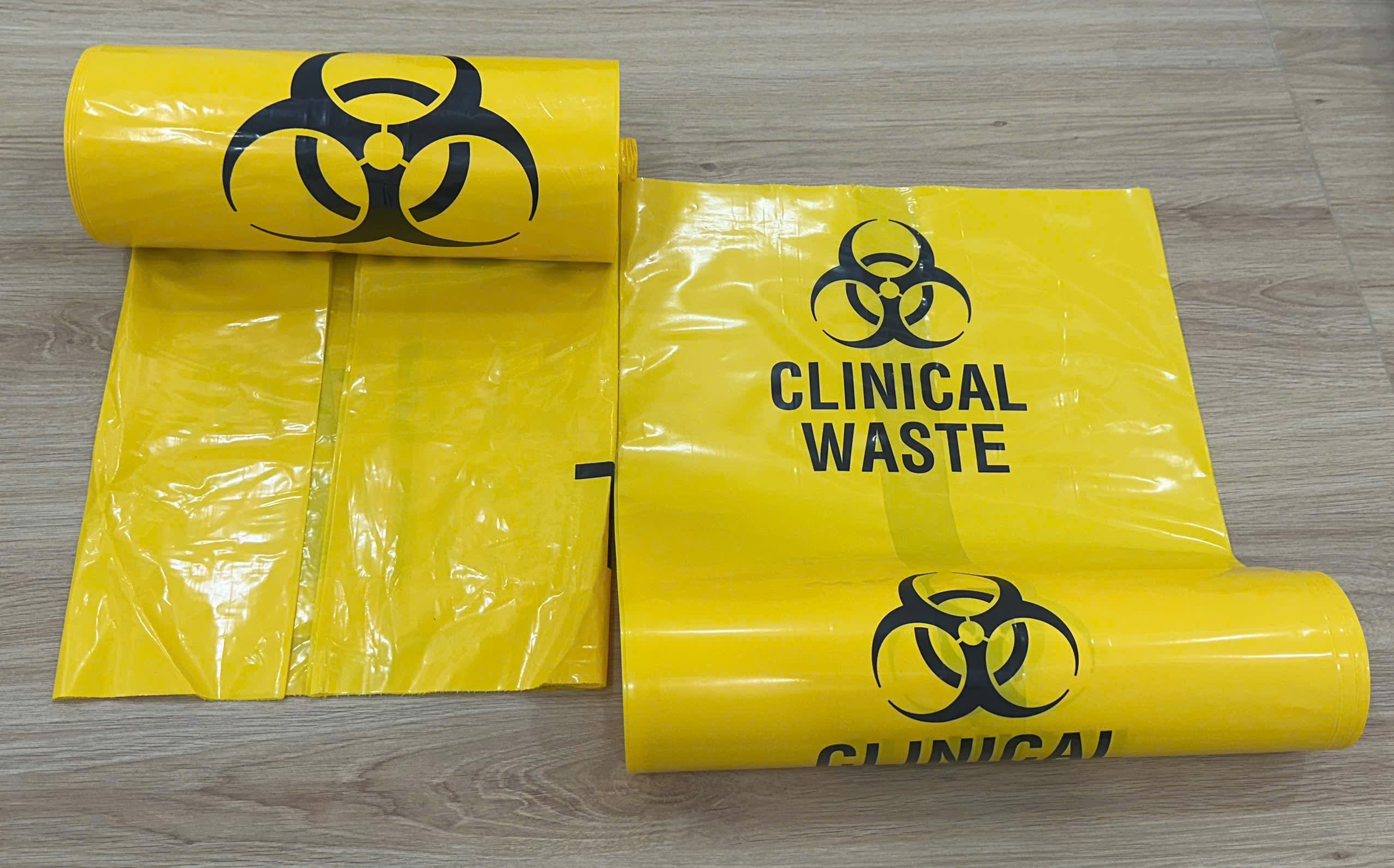
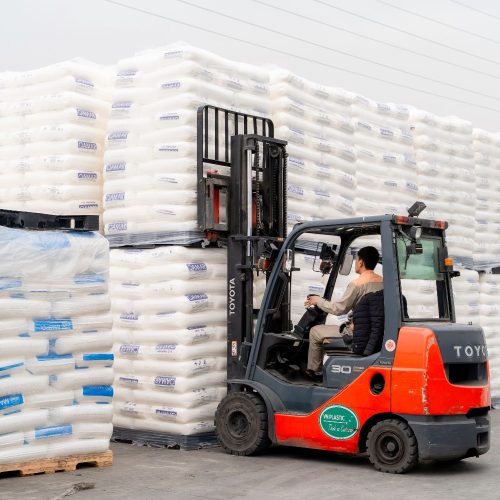
When it comes to making recycling easier at home, in the office, or in commercial spaces, recycling bags are one of the simplest and most effective tools available. They help people separate paper, plastic, glass, cans, and other reusable materials in a clean, organized, and efficient way. Whether you are managing household waste, improving a workplace recycling program, or setting up collection points for an event, the right recycling bags can make a major difference in convenience, hygiene, and sustainability.
Today, more individuals and businesses are looking for practical ways to reduce landfill waste. That is where recycling bags stand out. They support better sorting habits, reduce contamination, and create a more streamlined recycling process from collection to disposal. With so many sizes, materials, colors, and designs available, choosing the best recycling bags requires understanding how they are used and what features matter most.
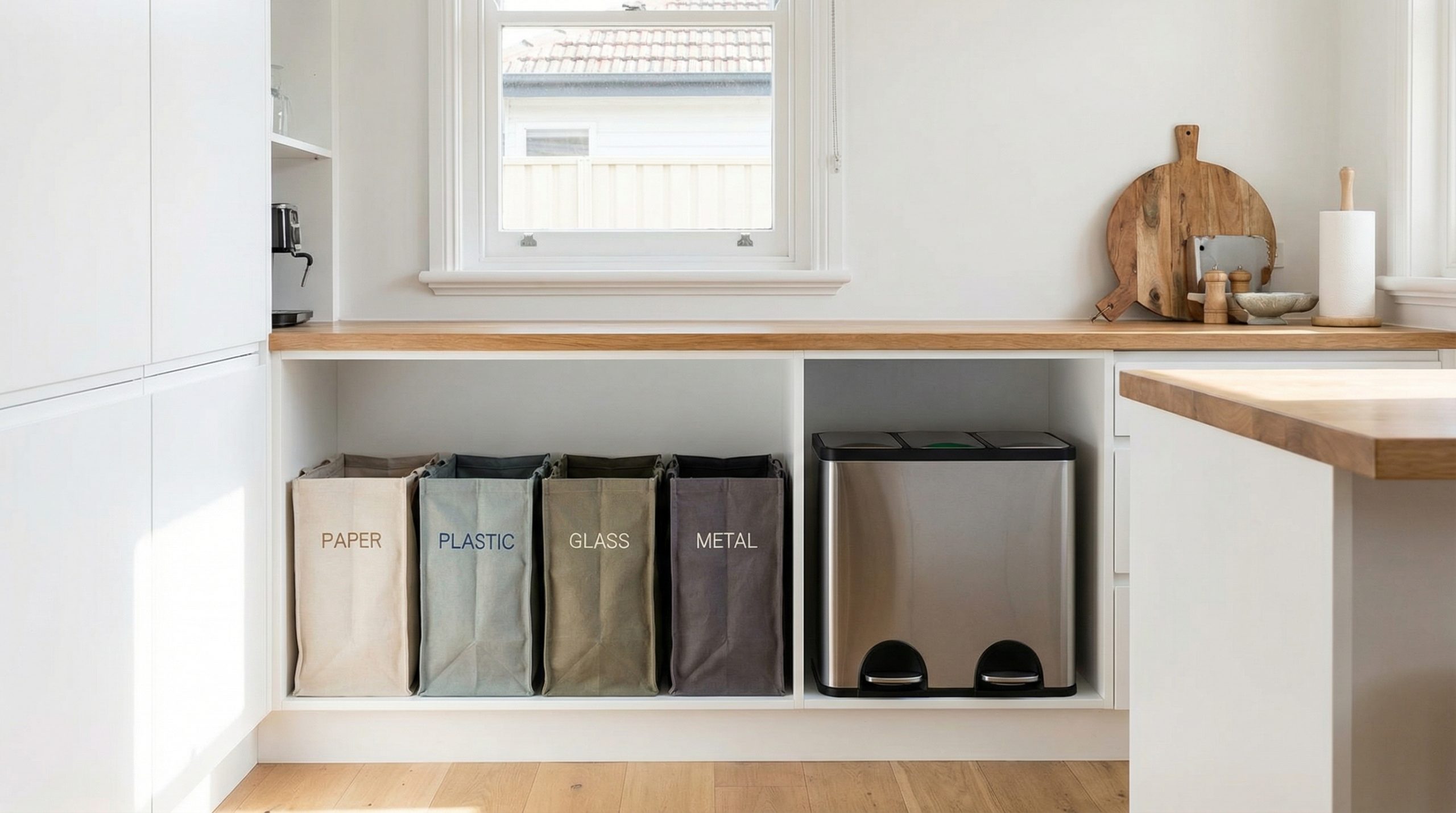
A bright, modern kitchen or utility room with multiple clearly labeled recycling bags for paper, plastic, glass, and metal, neatly arranged…
What Are Recycling Bags?
Recycling bags are specially designed bags used to collect, separate, store, and transport recyclable materials. Unlike standard trash liners, many recycling bags are color-coded, labeled, transparent, or made from recycled or reusable materials to support proper waste sorting.
These bags are commonly used in:
– Homes
– Offices
– Schools
– Retail stores
– Warehouses
– Hospitals
– Events and public venues
The main purpose of recycling bags is to keep recyclable materials separate from general waste. This makes collection easier and improves the likelihood that recyclable items will actually be processed correctly.
Why Recycling Bags Matter
Using recycling bags is not just about keeping spaces tidy. It also contributes to more effective environmental practices. Poorly sorted waste often leads to contamination, which can render recyclable materials unusable. By using dedicated recycling bags, households and businesses can significantly improve sorting accuracy.
Key benefits of recycling bags
– Better organization: Separate materials by category
– Reduced contamination: Prevent food waste and non-recyclables from mixing
– Easy identification: Color-coded and labeled bags simplify sorting
– Improved hygiene: Keep recyclable waste contained and manageable
– Space efficiency: Foldable or stackable designs fit small areas
– Sustainability support: Encourage long-term recycling habits
For organizations, recycling bags also help reinforce sustainability goals and improve compliance with waste management policies.
Types of Recycling Bags
Not all recycling bags are the same. The best option depends on where they will be used, what materials they will collect, and whether they are meant for single-use or repeated use.
1. Clear recycling bags
Clear recycling bags make it easy for collection teams to identify contents without opening them. They are popular in municipal recycling programs and commercial environments.
Best for:
– Mixed recyclable collections
– Offices
– Public buildings
– Local authority collection schemes
2. Color-coded recycling bags
Color-coded recycling bags help users quickly sort waste streams. For example:
– Blue: Paper and cardboard
– Green: Glass
– Yellow: Plastics
– Red: Cans or hazardous recyclables, depending on the system
These recycling bags reduce confusion and improve user compliance.
3. Reusable recycling bags
Reusable recycling bags are often made from woven polypropylene, canvas, or other durable materials. They are ideal for long-term household and office use.
Advantages include:
– Durability
– Washability
– Structured design
– Handles for carrying
– Lower long-term replacement costs
4. Heavy-duty recycling bags
Heavy-duty recycling bags are designed for sharp-edged or heavier recyclables such as metal cans, glass bottles, or bulk paper waste.
Suitable for:
– Industrial settings
– Restaurants
– High-volume office use
– Commercial waste handling
5. Drawstring recycling bags
These recycling bags provide easier closure and transport. Drawstring designs are especially helpful when moving recyclables to larger bins or collection points.
How to Choose the Best Recycling Bags
Selecting the right recycling bags involves more than choosing a size. You should consider the waste stream, expected volume, durability, and user convenience.
Material
Common materials for recycling bags include:
– Low-density polyethylene: Flexible and lightweight
– High-density polyethylene: Stronger and thinner
– Recycled plastic: Supports circular economy efforts
– Woven polypropylene: Durable and reusable
– Fabric blends: Suitable for home organization and repeated use
If sustainability is a top priority, look for recycling bags made with recycled content or designed for repeated use.
Size and capacity
Choose recycling bags based on the volume of recyclables generated. Small apartments may need compact under-sink bags, while businesses may require large-capacity liners.
Typical size considerations:
– Small: Bathrooms, bedrooms, small kitchens
– Medium: Standard household use
– Large: Offices and communal spaces
– Extra-large: Commercial and industrial recycling needs
Strength and tear resistance
If you are collecting glass, cans, or cardboard with sharp corners, strong recycling bags are essential. Weak bags can split and create a mess, reducing efficiency.
Labeling and color system
Well-labeled recycling bags improve waste separation. Printed icons or text can help users identify what belongs in each bag, especially in shared spaces.
Storage and portability
Some recycling bags are designed to stand upright, fold flat, or fit into modular recycling frames. Handles and reinforced seams can also improve daily use.
Best Uses for Recycling Bags at Home
In residential spaces, recycling bags support a cleaner and more organized routine. Instead of placing all items in one bin and sorting later, families can separate materials at the source.
Popular household uses
– In the kitchen for bottles, packaging, and paper
– In garages for cardboard storage
– In laundry rooms for bottles and containers
– In kids’ rooms for paper and craft waste
– In shared family areas for quick sorting access
Tips for home recycling success
1. Place recycling bags where waste is created most often.
2. Use separate recycling bags for each material type.
3. Rinse containers before placing them in the bags.
4. Label bags clearly for all household members.
5. Empty bags regularly to avoid overflow.
Using recycling bags in visible, convenient places encourages everyone in the home to participate.
Recycling Bags for Offices and Commercial Spaces
Businesses generate significant amounts of recyclable waste every day, from paper and cardboard to beverage containers and packaging. Well-placed recycling bags can improve waste segregation and support corporate sustainability goals.
Where businesses use recycling bags
– Break rooms
– Print stations
– Warehouse packing areas
– Reception zones
– Conference rooms
– Event booths
Commercial advantages of recycling bags
– Promote employee participation
– Reduce general waste disposal costs
– Improve cleaning efficiency
– Support sustainability reporting
– Make recycling stations easier to manage
For larger organizations, color-coded recycling bags paired with signage can create a consistent recycling system across departments.

Commercial advantages of recycling bags
Reusable vs Disposable Recycling Bags
A common question is whether reusable or disposable recycling bags are better. The answer depends on how and where they are used.
Reusable recycling bags
Pros:
– Eco-friendlier for long-term use
– Strong and durable
– Often more attractive in home settings
– Cost-effective over time
Cons:
– Require occasional cleaning
– Higher upfront cost
– May not suit all municipal collection systems
Disposable recycling bags
Pros:
– Convenient for curbside pickup
– Good for high-volume use
– Easy to replace
– Widely available
Cons:
– Generate more waste if not made from recycled material
– Can tear more easily depending on thickness
– Less cost-efficient over time
For many users, the ideal solution is a combination: reusable recycling bags indoors and disposable liners for final collection if required.
Important Features to Look For
If you are comparing products, focus on practical features that improve performance and convenience.
Top product features
– Reinforced handles for carrying heavy loads
– Moisture resistance for bottles and cans
– Printed labels or icons for easier sorting
– Foldable design for compact storage
– Sturdy base panels for upright placement
– Machine-washable materials for reusable options
– Recycled content for stronger sustainability value
These details can significantly improve the user experience with recycling bags.
Common Mistakes to Avoid When Using Recycling Bags
Even the best recycling bags will not perform well if they are used incorrectly. Small mistakes can lead to contamination and reduce recycling effectiveness.
Avoid these issues
– Mixing food waste with recyclables
– Overfilling the bags until they tear
– Using one bag for incompatible materials
– Ignoring local recycling rules
– Failing to rinse bottles and containers
– Leaving wet paper in the same bag as dry cardboard
To get the most value from recycling bags, pair them with clear recycling guidelines that match your local waste collection requirements.
How Recycling Bags Support Sustainability Goals
Strong waste management practices begin with better separation. Recycling bags contribute to sustainability by helping people collect clean, sorted materials that are more likely to be successfully recycled.
Environmental value of recycling bags
– Reduce landfill dependency
– Support recovery of reusable materials
– Encourage daily eco-conscious habits
– Help businesses meet environmental targets
– Improve waste visibility and accountability
When chosen carefully, recycling bags can be part of a wider sustainability strategy that includes reducing waste, reusing materials, and improving recycling rates.
How to Maintain Reusable Recycling Bags
If you use reusable recycling bags, proper maintenance will help them last longer and remain hygienic.
Maintenance tips
– Empty them regularly
– Wipe interiors after use
– Wash according to manufacturer instructions
– Let them dry completely before reuse
– Store in a dry, ventilated area
– Check seams and handles for wear
These simple steps keep reusable recycling bags functional and odor-free.
Are Recycling Bags Worth It?
For most homes and businesses, the answer is yes. Recycling bags offer a practical, affordable, and scalable way to improve waste sorting. They are easy to introduce, simple to use, and available in options for nearly every setting. From compact reusable home organizers to large commercial liners, the right recycling bags make recycling more consistent and less stressful.
If your goal is to create a cleaner system, reduce contamination, and encourage better recycling habits, investing in suitable recycling bags is a smart decision.
Frequently Asked Questions About Recycling Bags
What are recycling bags used for?
Recycling bags are used to collect and separate recyclable materials such as paper, plastic, metal, and glass. They help improve sorting and reduce contamination.
Are reusable recycling bags better than disposable ones?
Reusable recycling bags are often better for long-term sustainability and durability, while disposable bags may be more convenient for curbside collection or high-volume use.
Can recycling bags hold glass bottles?
Yes, but you should choose heavy-duty recycling bags or reinforced reusable options if you plan to collect glass regularly.
Do recycling bags need to be clear?
Not always. Some collection systems prefer clear recycling bags for visibility, while others use color-coded or labeled bags. Check local guidelines.
How many recycling bags should I use at home?
Most homes benefit from at least two to four recycling bags, depending on how local recycling is sorted and how much waste is generated.
Conclusion
Recycling bags are a simple but highly effective solution for improving waste separation in homes, offices, and commercial environments. They make recycling more organized, help reduce contamination, support cleaner spaces, and contribute to broader sustainability goals. By choosing the right type of recycling bags based on material, size, strength, and intended use, you can build a system that is practical, efficient, and easy to maintain.
Whether you want reusable organizers for everyday household recycling or heavy-duty options for business operations, the right recycling bags can transform the way recyclable materials are handled. In a world increasingly focused on waste reduction and responsible resource use, recycling bags remain an essential part of smarter, more sustainable living.