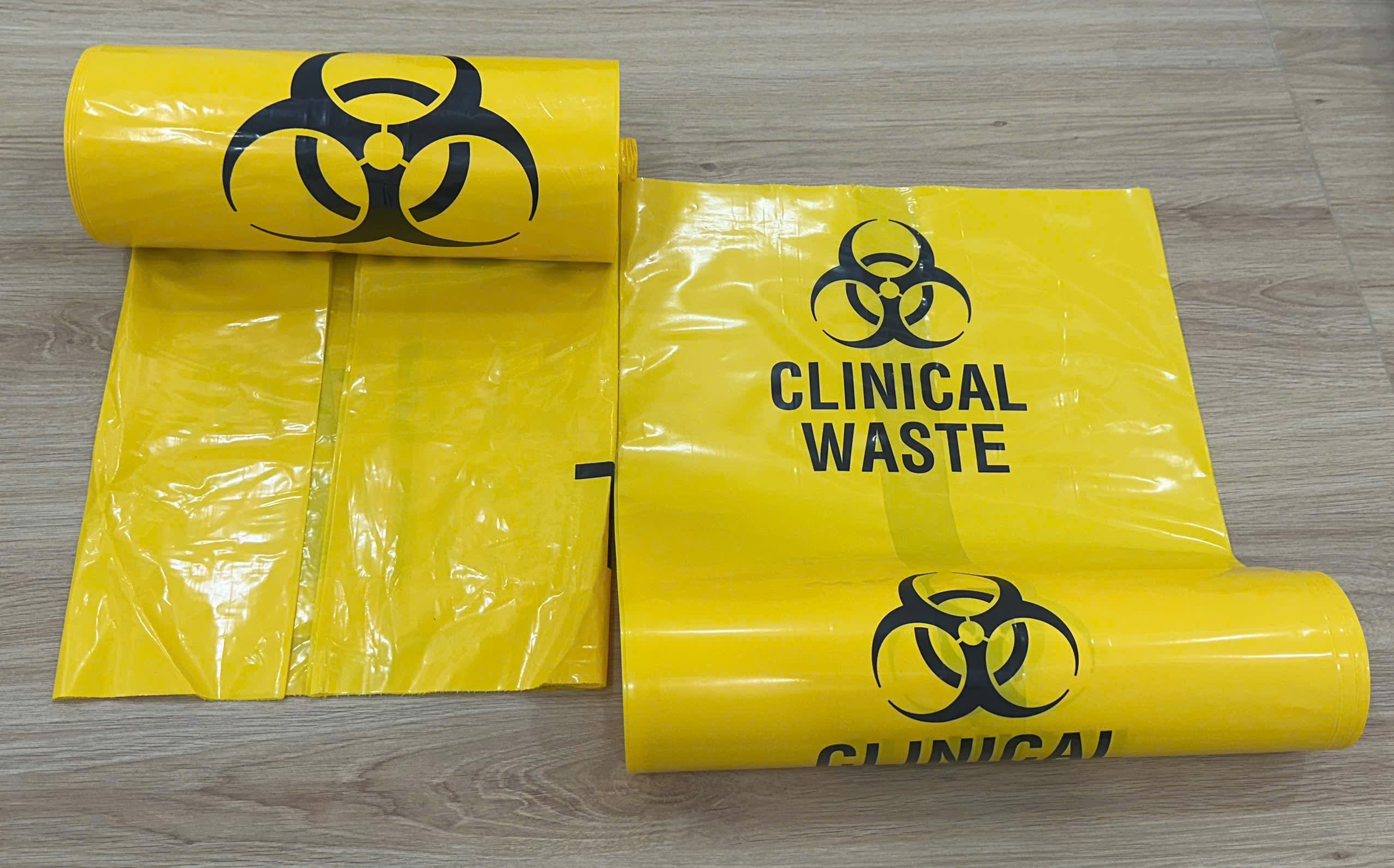
Recycling plastic bags at home is a simple yet powerful way to reduce landfill waste, cut household expenses, and support a circular economy. By following a few easy steps, you can transform everyday plastic bags—including Hand Stretch Film, Die Cut Bag Plastic, and refuse sack plastic bags—into reusable materials for storage, gardening, or even new packaging. This guide explains the tools, safety measures, and step‑by‑step process you need to start recycling plastic bags at home today.
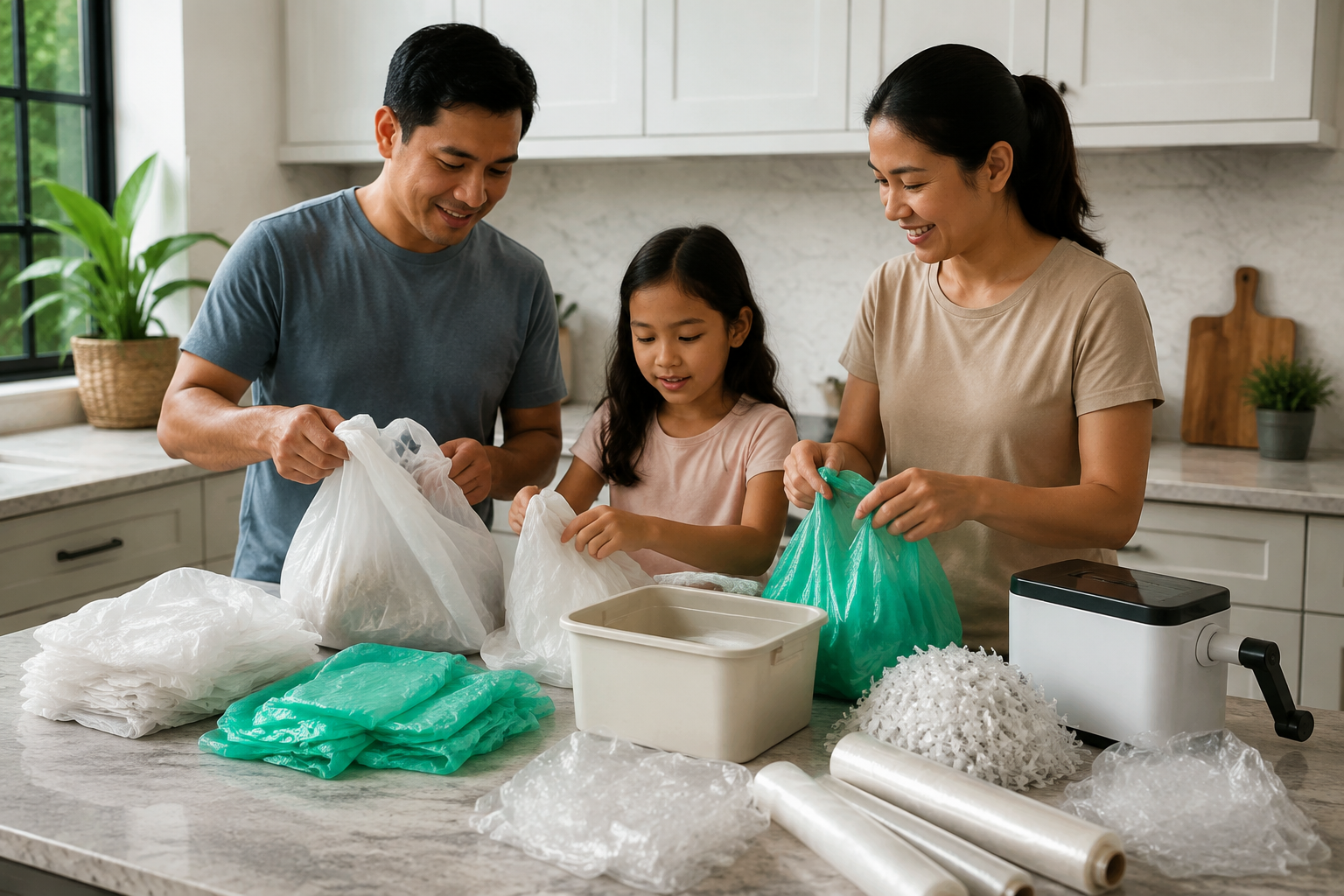
A kitchen countertop scene with a family sorting different types of plastic bags (grocery bags, Hand Stretch Film, food plastic bags) into …
Why Recycle Plastic Bags at Home?
Household plastic bag waste accounts for a significant portion of municipal solid waste. Recycling them at home offers several benefits:
- Environmental impact: Reduces plastic leakage into oceans and landfills.
- Cost savings: Reuse bags for storage, moving, or gardening instead of buying new ones.
- Convenience: Immediate processing eliminates the need to travel to collection points.
- Compliance: Meets local regulations for hazardous plastic garbage and food plastic bag disposal.
Essential Tools and Materials
Before you begin, gather the following items. All of these can be sourced from VNPLAST or local hardware stores:
- Hand Stretch Film Cutter – for cleanly trimming large rolls.
- Handle Wrap Tool Plastic Bag – to open sealed bags safely.
- Plastic Shredder (manual or electric) – the core device for reducing bag size.
- Heat‑Resistant Gloves – essential when melting plastic.
- Metal or silicone mold – for shaping melted plastic into new products.
- Ventilated workspace – to avoid inhaling fumes from heated plastic.
Step‑by‑Step Process for Home Recycling
1. Sort and Clean the Bags
Separate bags by type to avoid contamination. Keep hazardous plastic garbage (e.g., bags with chemical residues) separate and dispose of them according to local regulations.
- Remove food residues by rinsing with warm water and mild soap.
- Dry completely to prevent mold growth.
- Label piles: Food Plastic Bag, Garbage Plastic Bag, Hand Stretch Film, etc.
2. Trim and Prepare
Use the Hand Stretch Film Cutter to cut off any handles, seals, or printed logos that could clog the shredder.
3. Shred the Plastic
Feed the cleaned, trimmed bags into the shredder. Aim for strips 2–5 mm wide. If using a manual shredder, work in short bursts to avoid overheating the motor.
4. Melt the Shredded Plastic
In a well‑ventilated area, place shredded plastic in a metal pan on low heat. Stir continuously with a heat‑resistant spatula. When the plastic becomes a viscous liquid, pour it into your silicone mold.
- Temperature tip: Most low‑density polyethylene (LDPE) melts at 105‑115 °C (221‑239 °F).
- Safety tip: Wear gloves and keep a fire extinguisher nearby.
5. Cool and Trim the New Product
Allow the molded plastic to cool for 30 minutes. Once solid, remove it from the mold and trim edges with scissors or a utility knife. Your recycled plastic sheet can now be cut into reusable bags, storage pouches, or protective wraps.
Real‑World Use Cases
Home‑recycled plastic can replace many single‑use items:
- Garden mulch bags: Use recycled sheets to wrap soil or protect seedlings.
- Moving and storage: Cut into custom‑size bags for fragile items.
- DIY packaging: Create custom Hand Stretch Film for small shipments.
Checklist: Ready to Start Recycling Plastic Bags at Home?
- ☑️ Designated sorting area with labeled containers.
- ☑️ Hand Stretch Film Cutter and Handle Wrap Tool ready.
- ☑️ Functional plastic shredder (manual or electric).
- ☑️ Heat‑resistant gloves and ventilated workspace.
- ☑️ Silicone or metal mold for shaping melted plastic.
- ☑️ Local guidelines for hazardous plastic garbage disposal.
Pros and Cons of Home Recycling
| Pros | Cons |
|---|---|
|
|
Frequently Asked Questions
Can I recycle all types of plastic bags at home?
Most low‑density polyethylene (LDPE) bags—such as grocery bags, Hand Stretch Film, and Die Cut Bag Plastic—can be shredded and melted safely. Bags made from high‑density polyethylene (HDPE) or mixed polymers may require specialized equipment and are best taken to a municipal facility.
What safety precautions should I observe while melting plastic?
Work in a well‑ventilated area, wear heat‑resistant gloves, keep a fire extinguisher nearby, and never exceed the recommended melting temperature (105‑115 °C for LDPE). Avoid melting colored or printed bags that may release additional fumes.
How much can I save by recycling plastic bags at home?
Savings depend on usage. A family that repurposes 50 kg of bags per year can avoid buying roughly 30–40 reusable bags, saving $30–$50 annually, plus the environmental benefit of diverting waste from landfills.
Is it legal to melt plastic bags at home?
In most jurisdictions, small‑scale melting for personal use is permitted as long as you comply with fire safety codes and do not emit hazardous fumes. Check local regulations for any restrictions on hazardous plastic garbage.
What can I do with the leftover plastic fragments?
Small fragments can be used as filler material for garden beds, mixed into compost (in tiny amounts), or donated to community art projects that accept recycled plastics.
Conclusion
Recycling plastic bags at home empowers you to turn everyday waste into valuable resources while supporting VNPLAST’s commitment to sustainable packaging solutions. By sorting, shredding, and safely melting your plastic bag waste, you create custom‑fit storage, protective wraps, and gardening supplies—all with a modest upfront investment. Start with the checklist above, follow the step‑by‑step guide, and enjoy the environmental and economic benefits of a truly circular household.