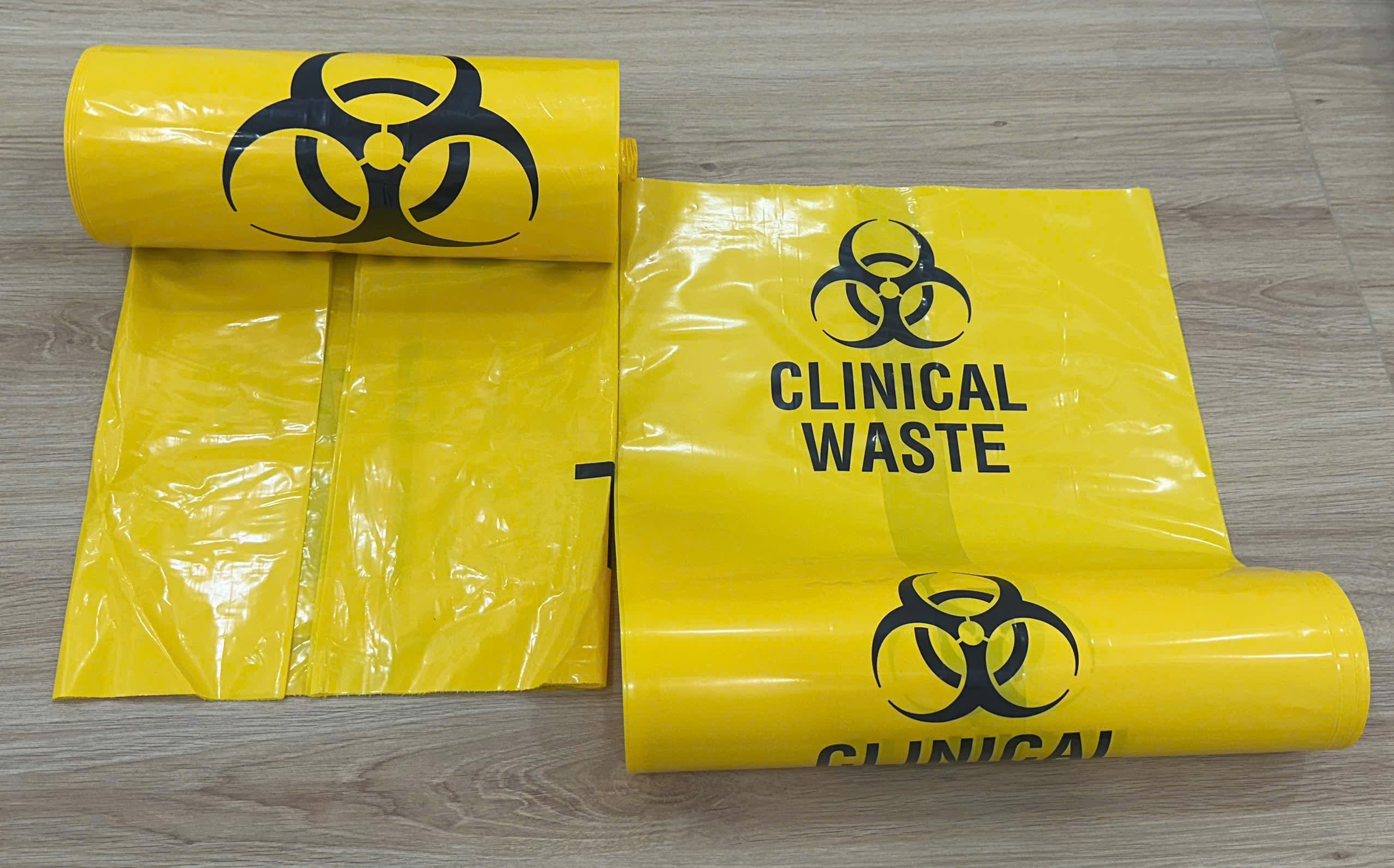
In healthcare settings, laboratories, and various other industries, the proper disposal of medical waste is paramount. Red biohazard bags play a crucial role in this process, serving as a visual cue and a secure container for potentially infectious materials. Understanding their purpose, regulations, and proper usage is essential for maintaining a safe and compliant environment. This comprehensive guide will delve into the intricacies of red biohazard bags, covering everything from their construction and labeling to the legal requirements surrounding their use.
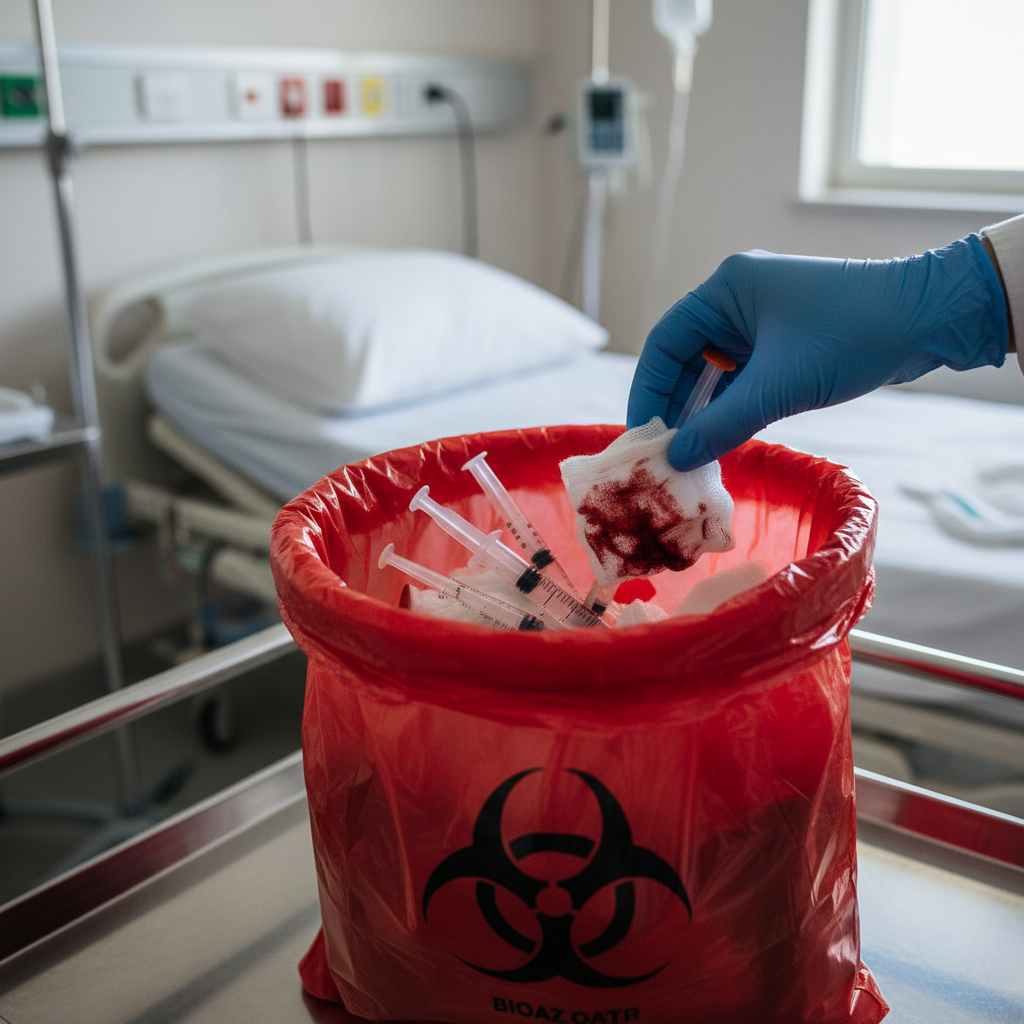
A close-up shot of a red biohazard bag being filled with used syringes and gauze in a hospital setting, with a gloved hand carefully placing the items inside. The biohazard symbol is clearly visible on the bag.
What are Red Biohazard Bags?
Red biohazard bags, also known as infectious waste bags or regulated medical waste (RMW) bags, are specialized containers designed for the disposal of materials contaminated with potentially infectious substances. Their distinct red color and prominent biohazard symbol serve as a clear warning to handlers, indicating the presence of hazardous contents.
Key Features of Red Biohazard Bags
- Color: The universal red color immediately identifies the bag as containing biohazardous waste.
- Biohazard Symbol: The internationally recognized biohazard symbol is prominently displayed, further emphasizing the potential danger.
- Material: Typically made from high-strength polyethylene or polypropylene, these bags are designed to resist punctures, tears, and leaks.
- Thickness: Regulations often specify a minimum thickness to ensure containment and prevent accidental exposure.
- Closure: Many bags feature a secure closure mechanism, such as a tie or zipper, to prevent spills during handling and transportation.
Materials That Require Red Biohazard Bags
Not all waste generated in a healthcare setting qualifies for disposal in a red biohazard bag. The following types of materials typically require this specialized disposal method:
- Sharps: Needles, syringes, scalpels, and other sharp objects that could puncture or cut skin.
- Blood and Blood Products: Liquid or semi-liquid blood, items contaminated with blood that could release it in a liquid or semi-liquid state if compressed, and dried blood flakes.
- Pathological Waste: Human or animal tissues, organs, and body parts removed during surgery or autopsy.
- Microbiological Waste: Cultures, stocks, and other materials contaminated with infectious agents from laboratory research.
- Contaminated Personal Protective Equipment (PPE): Gloves, gowns, masks, and other protective gear used during procedures that may have exposed them to infectious materials.
Regulations and Compliance
The use and disposal of red biohazard bags are heavily regulated at both the federal and state levels. These regulations aim to protect healthcare workers, waste handlers, and the general public from potential exposure to infectious agents. Key regulatory bodies include:
- OSHA (Occupational Safety and Health Administration): OSHA’s Bloodborne Pathogens Standard (29 CFR 1910.1030) outlines requirements for handling and disposing of blood and other potentially infectious materials in the workplace.
- EPA (Environmental Protection Agency): The EPA regulates the transportation, treatment, and disposal of medical waste, including red biohazard bags.
- State and Local Regulations: Many states and local jurisdictions have their own specific regulations regarding medical waste management, which may be more stringent than federal requirements.
Key Compliance Requirements
- Proper Labeling: Red biohazard bags must be clearly labeled with the biohazard symbol and any other required information, such as the generator’s name and address.
- Appropriate Handling: Healthcare workers must be trained on the proper procedures for handling and disposing of biohazardous waste, including the use of PPE and safe handling techniques.
- Secure Storage: Red biohazard bags must be stored in a secure area to prevent unauthorized access and potential exposure.
- Proper Disposal: Medical waste must be treated and disposed of in accordance with federal, state, and local regulations. This may involve incineration, autoclaving, or other approved methods.
- Recordkeeping: Facilities must maintain accurate records of medical waste generation, treatment, and disposal.
Choosing the Right Red Biohazard Bags
Selecting the appropriate red biohazard bags for your facility is crucial for ensuring safety and compliance. Consider the following factors when making your selection:
- Size and Capacity: Choose bags that are appropriately sized for the volume of waste generated in your facility.
- Thickness and Strength: Ensure that the bags meet the minimum thickness requirements specified by your local regulations. Look for bags made from high-strength materials that are resistant to punctures and tears.
- Closure Type: Select a closure mechanism that is secure and easy to use, such as a tie or zipper.
- Printing and Labeling: Verify that the bags are clearly labeled with the biohazard symbol and any other required information.
- Compliance Certifications: Look for bags that are certified to meet relevant industry standards and regulations.
Best Practices for Using Red Biohazard Bags
Following best practices for using red biohazard bags can help minimize the risk of exposure to infectious agents and ensure compliance with regulations.
- Training: Provide comprehensive training to all healthcare workers on the proper procedures for handling and disposing of biohazardous waste.
- Segregation: Properly segregate biohazardous waste from other types of waste at the point of generation.
- Proper Filling: Avoid overfilling red biohazard bags, as this can increase the risk of spills and punctures.
- Double Bagging: In some cases, double bagging may be necessary to provide an extra layer of protection.
- Regular Inspections: Conduct regular inspections of red biohazard bag storage areas to ensure that bags are properly sealed and stored.
- Spill Response: Develop and implement a spill response plan to address any accidental releases of biohazardous waste.
The Importance of Proper Disposal
The ultimate goal of using red biohazard bags is to ensure the safe and proper disposal of medical waste. Improper disposal can have serious consequences, including:
- Environmental Contamination: Medical waste can contaminate soil, water, and air, posing a risk to public health and the environment.
- Disease Transmission: Improperly disposed of medical waste can spread infectious diseases to healthcare workers, waste handlers, and the general public.
- Fines and Penalties: Facilities that violate medical waste regulations may face significant fines and penalties.
- Reputational Damage: Improper medical waste disposal can damage a facility’s reputation and erode public trust.
Future Trends in Biohazard Waste Management
The field of biohazard waste management is constantly evolving, with new technologies and approaches emerging to improve safety and efficiency. Some of the key trends to watch include:
- Sustainable Solutions: A growing emphasis on sustainable waste management practices, such as reducing waste generation, recycling, and using environmentally friendly disposal methods.
- Advanced Treatment Technologies: The development of new treatment technologies that are more effective at inactivating infectious agents and reducing the volume of medical waste.
- Smart Waste Management Systems: The use of sensors and data analytics to track medical waste from generation to disposal, improving efficiency and accountability.
- Increased Automation: The automation of certain tasks, such as waste sorting and packaging, to reduce the risk of human error and exposure.

A futuristic rendering of a fully automated medical waste disposal facility, showcasing robotic arms sorting and processing red biohazard bags. The facility is clean, sterile, and environmentally friendly.
Conclusion
Red biohazard bags are an indispensable tool for managing medical waste and protecting public health. By understanding their purpose, regulations, and proper usage, healthcare facilities and other organizations can ensure a safe and compliant environment. Staying informed about the latest trends and best practices in biohazard waste management is essential for continuously improving safety and minimizing the risk of exposure to infectious agents. Prioritizing proper disposal methods is not just a regulatory requirement, but a critical responsibility for safeguarding our communities and the environment.