In today’s fast-paced industrial landscape, efficiency and cost-effectiveness are paramount. One area where businesses are constantly seeking improvement is in packaging. Enter automatic stretch film, a game-changing solution designed to streamline the wrapping process, reduce material waste, and enhance overall operational productivity. This article delves into the world of automatic stretch film, exploring its benefits, applications, and the technology behind its success.
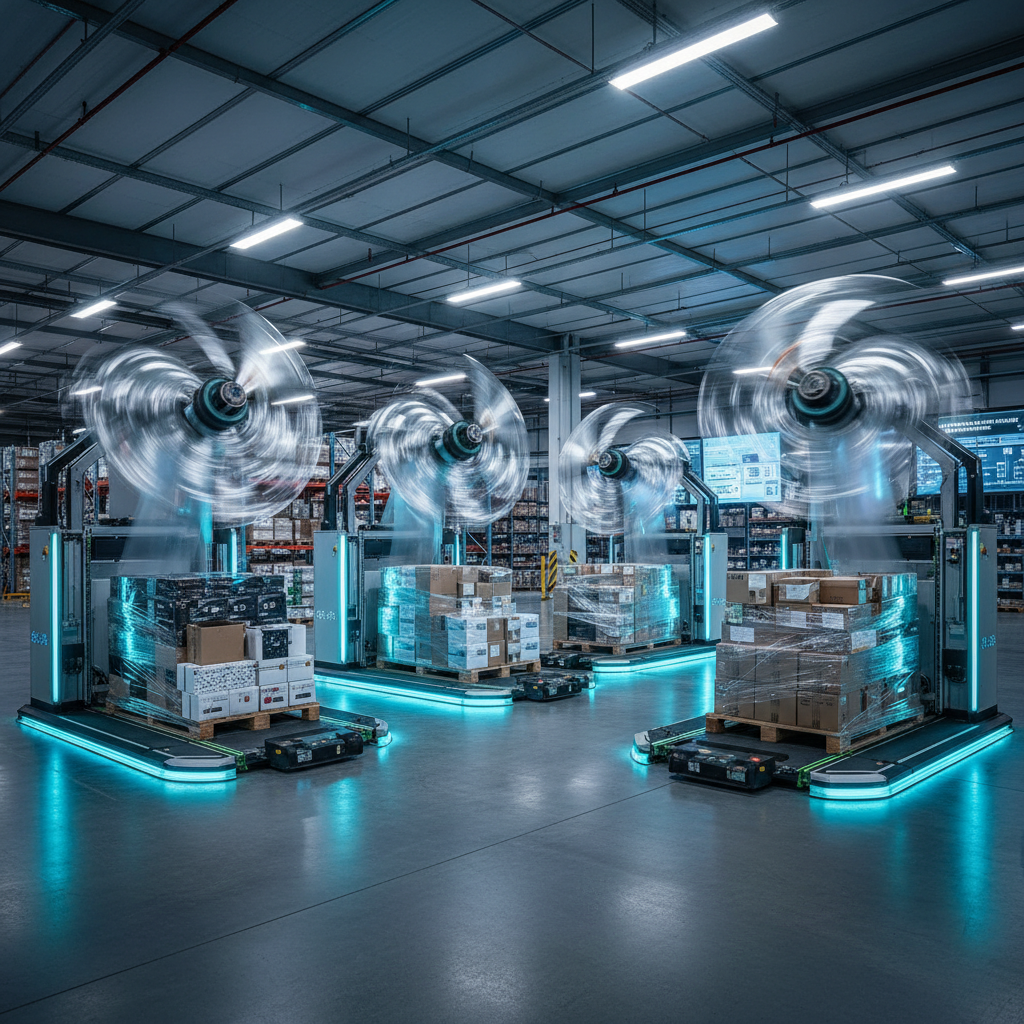
A high-tech warehouse showcasing multiple automated stretch wrapping machines in operation, with pallets of goods being efficiently wrapped. Focus on the speed and precision of the machines.
What is Automatic Stretch Film?
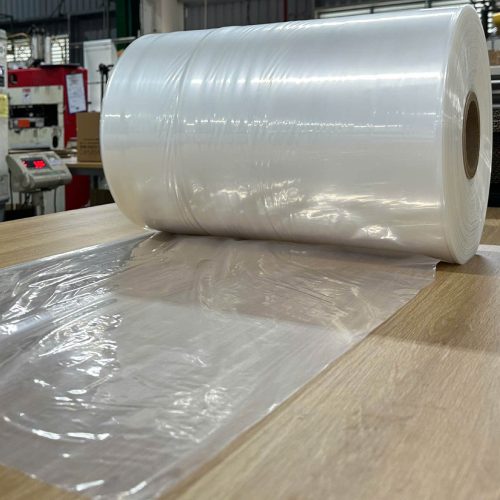
Automatic stretch film, also known as machine stretch film, is a highly engineered plastic film specifically designed for use in automated stretch wrapping machines. Unlike hand stretch film, which requires manual application, automatic stretch film is loaded onto a machine that automatically wraps pallets or products. This automation significantly reduces labor costs, increases wrapping speed, and ensures consistent and secure loads.
Key Differences Between Automatic and Hand Stretch Film
- Material Composition: Automatic stretch film is often made with higher-grade polymers and has a tighter gauge tolerance than hand stretch film, ensuring consistent performance on automated machinery.
- Roll Dimensions: Automatic stretch film rolls are typically larger and heavier than hand rolls, designed to minimize downtime for roll changes.
- Pre-Stretch Capabilities: Many automatic stretch films are designed to be pre-stretched by the machine, maximizing film yield and reducing material consumption.
- Cost-Effectiveness: While the initial cost of automatic stretch film may be higher, the reduced labor and material costs associated with automated wrapping often result in significant long-term savings.
The Benefits of Using Automatic Stretch Film
Investing in automatic stretch film and automated wrapping equipment offers a multitude of advantages for businesses of all sizes. These benefits extend beyond just speed and efficiency, impacting cost savings, product protection, and overall operational effectiveness.
Increased Efficiency and Productivity
The primary benefit of automatic stretch film is the substantial increase in wrapping speed and productivity. Automated machines can wrap pallets in a fraction of the time it takes to do so manually, allowing businesses to process a higher volume of goods with fewer resources.
Reduced Labor Costs
By automating the wrapping process, businesses can significantly reduce their reliance on manual labor. This not only lowers labor costs but also frees up employees to focus on other critical tasks, improving overall workforce utilization.
Enhanced Load Stability and Security
Automatic stretch wrapping machines apply film with consistent tension and overlap, resulting in a more secure and stable load. This reduces the risk of product damage during transit and storage, minimizing losses and improving customer satisfaction.
Optimized Material Usage and Cost Savings
Many automated stretch wrapping machines are equipped with pre-stretch capabilities, which allow the film to be stretched before application. This maximizes film yield, reducing material consumption and lowering overall packaging costs. The use of automatic stretch film ensures that the pre-stretch function operates optimally, leading to greater savings.
Consistent Wrapping Quality
Unlike manual wrapping, which can be inconsistent and prone to human error, automated machines deliver consistent wrapping quality every time. This ensures that all pallets are wrapped to the same standard, regardless of who is operating the machine.
Improved Workplace Safety
Automating the stretch wrapping process reduces the risk of workplace injuries associated with manual handling and repetitive motions. This creates a safer working environment for employees and reduces the potential for costly worker’s compensation claims.
Types of Automatic Stretch Film
Just as there are different types of stretch wrapping machines, there are also different types of automatic stretch film designed for specific applications. Understanding these different types is crucial for selecting the right film for your needs.
Cast Film
Cast film is produced by extruding molten plastic through a flat die and then cooling it on a chill roll. This process results in a film with excellent clarity, quiet unwind, and good cling properties. Cast film is a popular choice for general-purpose wrapping applications.
Blown Film
Blown film is produced by extruding molten plastic through a circular die and then inflating it with air. This process results in a film with superior strength, puncture resistance, and tear propagation resistance. Blown film is often used for wrapping heavier or more irregularly shaped loads.
Pre-Stretched Film
Pre-stretched film has already been stretched during the manufacturing process. This allows for thinner gauges to be used, reducing material consumption and cost. Pre-stretched film is ideal for applications where load containment is the primary concern.
Colored and Opaque Film
Colored and opaque films are used to conceal the contents of the pallet, providing added security and preventing theft. They can also be used for branding purposes, adding a professional touch to your packaging.
UV-Resistant Film
UV-resistant film is designed to protect products from the harmful effects of ultraviolet radiation. This type of film is ideal for outdoor storage or transportation.
Applications of Automatic Stretch Film
Automatic stretch film is used in a wide range of industries and applications, from food and beverage to manufacturing and logistics. Its versatility and cost-effectiveness make it an ideal packaging solution for businesses of all sizes.
Food and Beverage Industry
In the food and beverage industry, automatic stretch film is used to wrap pallets of ingredients, finished products, and packaging materials. The film helps to protect these goods from contamination and damage during storage and transportation.
Manufacturing Industry
In the manufacturing industry, automatic stretch film is used to wrap pallets of raw materials, components, and finished products. The film helps to secure these items and prevent them from shifting during transit.
Logistics and Warehousing
In the logistics and warehousing industry, automatic stretch film is used to wrap pallets of goods for storage and shipment. The film helps to protect these items from damage and theft, ensuring that they arrive at their destination in good condition.
Retail Industry
In the retail industry, automatic stretch film is used to wrap pallets of merchandise for shipment to stores. The film helps to protect these items from damage and theft, ensuring that they are ready for sale upon arrival.
Choosing the Right Automatic Stretch Film
Selecting the right automatic stretch film for your specific needs is crucial for maximizing its benefits. Consider the following factors when making your selection:
- Load Weight and Dimensions: The weight and dimensions of your loads will determine the gauge and width of the film you need.
- Load Stability: The stability of your loads will influence the type of film you choose. For unstable loads, consider using a thicker gauge film or a film with higher cling properties.
- Wrapping Machine Capabilities: Ensure that the film you choose is compatible with your stretch wrapping machine’s capabilities, including pre-stretch settings and film tension.
- Environmental Conditions: Consider the environmental conditions in which your pallets will be stored and transported. If they will be exposed to extreme temperatures or UV radiation, choose a film that is specifically designed to withstand these conditions.
- Budget: While cost is an important consideration, it’s essential to balance cost with performance. Choosing a cheaper film that doesn’t adequately protect your loads can end up costing you more in the long run.
Tips for Optimizing Automatic Stretch Film Usage
To maximize the benefits of automatic stretch film, it’s important to follow these tips:
- Proper Machine Maintenance: Regularly maintain your stretch wrapping machine to ensure that it is operating at peak performance.
- Correct Film Tension: Adjust the film tension settings on your machine to ensure that the film is applied with the correct amount of tension.
- Optimal Overlap: Adjust the overlap settings on your machine to ensure that the film is overlapping sufficiently to provide adequate load containment.
- Proper Film Loading: Load the film correctly onto the machine to prevent tearing or other damage.
- Employee Training: Train your employees on the proper use of the stretch wrapping machine and the importance of following safety procedures.
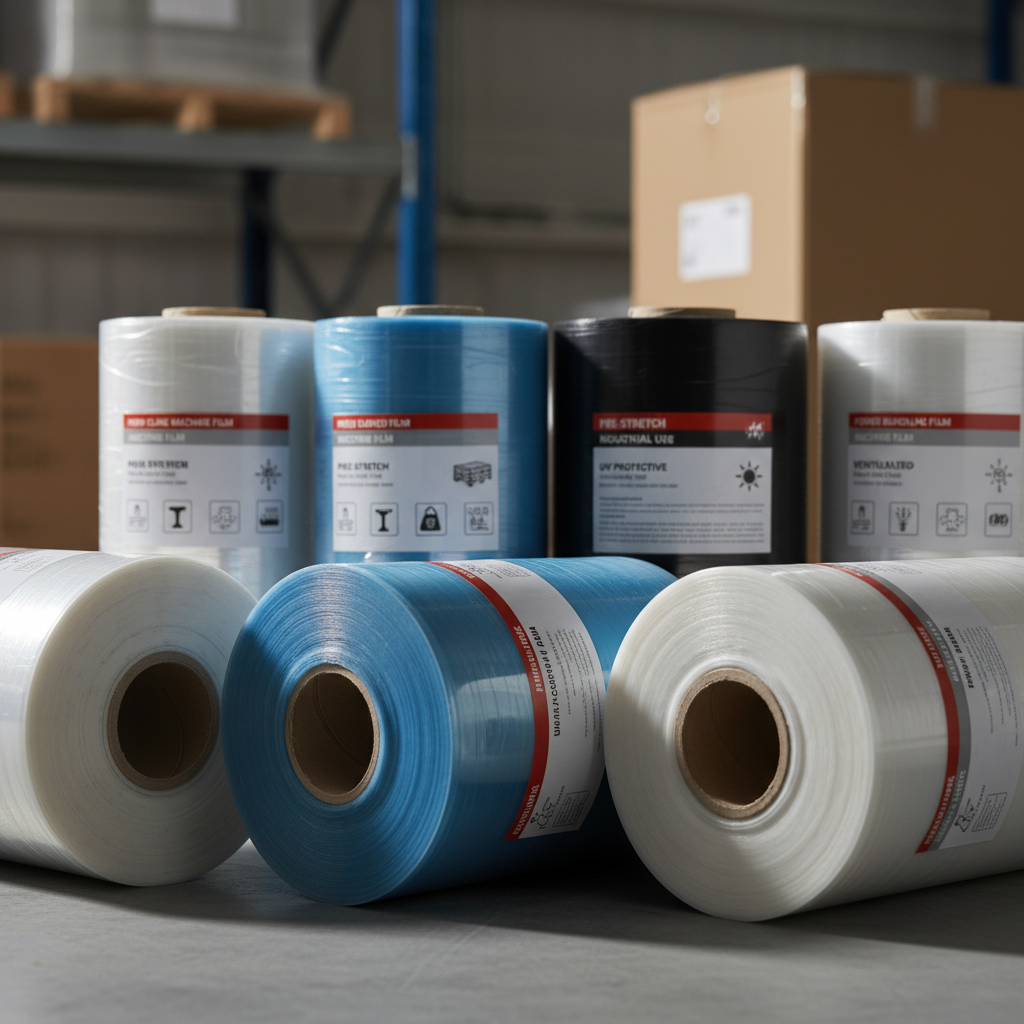
A close-up shot of different types of automatic stretch film rolls, highlighting their textures, colors, and labels indicating their specific properties and applications.
Conclusion
Automatic stretch film is a vital component of modern packaging operations, offering significant advantages in terms of efficiency, cost savings, and product protection. By understanding the different types of automatic stretch film available and following best practices for usage, businesses can optimize their packaging processes and improve their bottom line. Investing in automated stretch wrapping equipment and high-quality automatic stretch film is an investment in the future of your business.
{
“@context”: “https://schema.org/”,
“@type”: “Review”,
“itemReviewed”: {
“@type”: “Product”,
“name”: “Automatic Stretch Film”
},
“reviewRating”: {
“@type”: “Rating”,
“ratingValue”: “90”,
“bestRating”: “100”
},
“name”: “Revolutionizing Packaging: The Power of Automatic Stretch Film”,
“author”: {“@type”: “Organization”, “name”: “Packaging Solutions Inc.”},
“reviewBody”: “Automatic stretch film is a game-changer for businesses seeking to optimize their packaging processes. Its benefits include increased efficiency, reduced labor costs, enhanced load stability, and optimized material usage. While the initial investment may be higher than hand stretch film, the long-term savings and improved performance make it a worthwhile investment.”
}